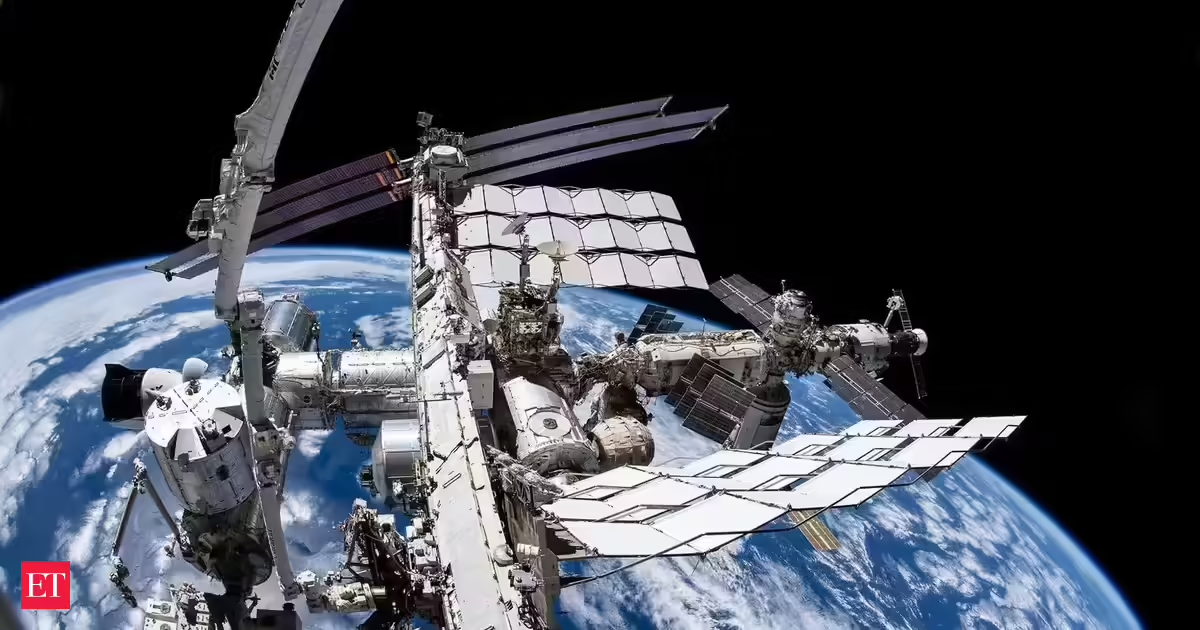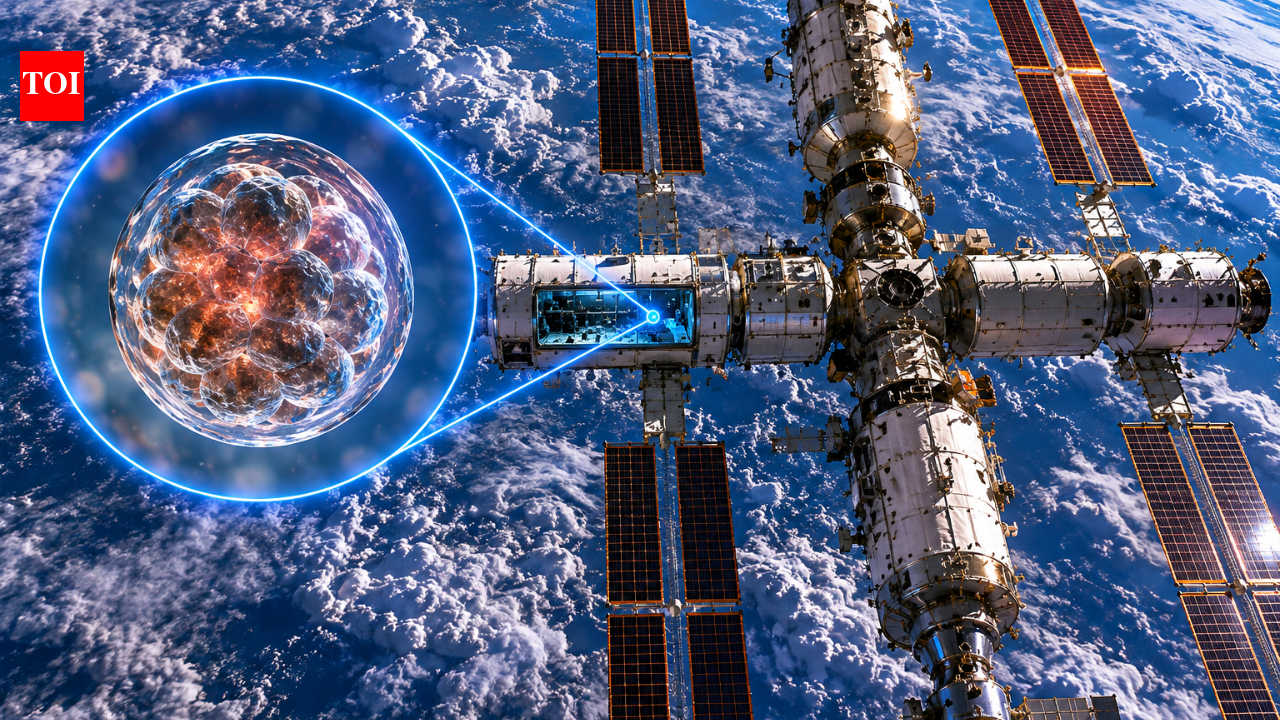
For all the ambition packed into humanity's plans for Mars colonies, lunar bases, and permanent off-world settlements, one fundamental question has quietly gone unanswered: can humans actually reproduce in space?
Gravity, radiation, and microgravity-induced biological changes present obstacles that are significant and poorly understood by current science.
China has now taken the most direct step yet toward finding out.
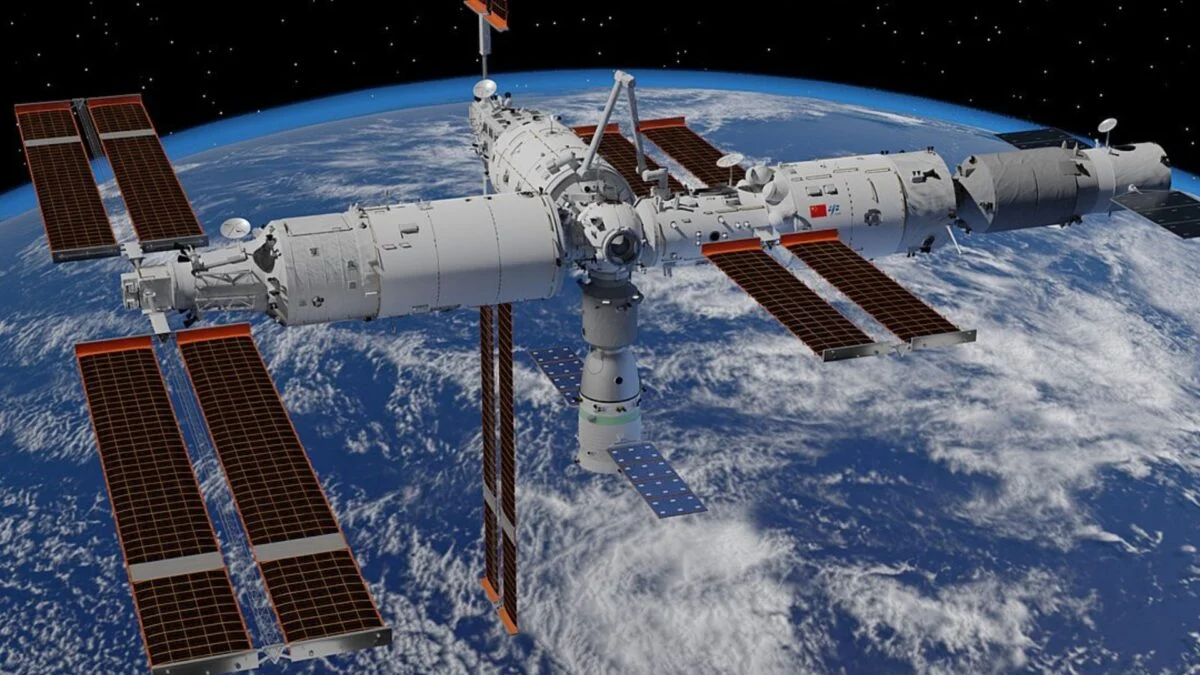
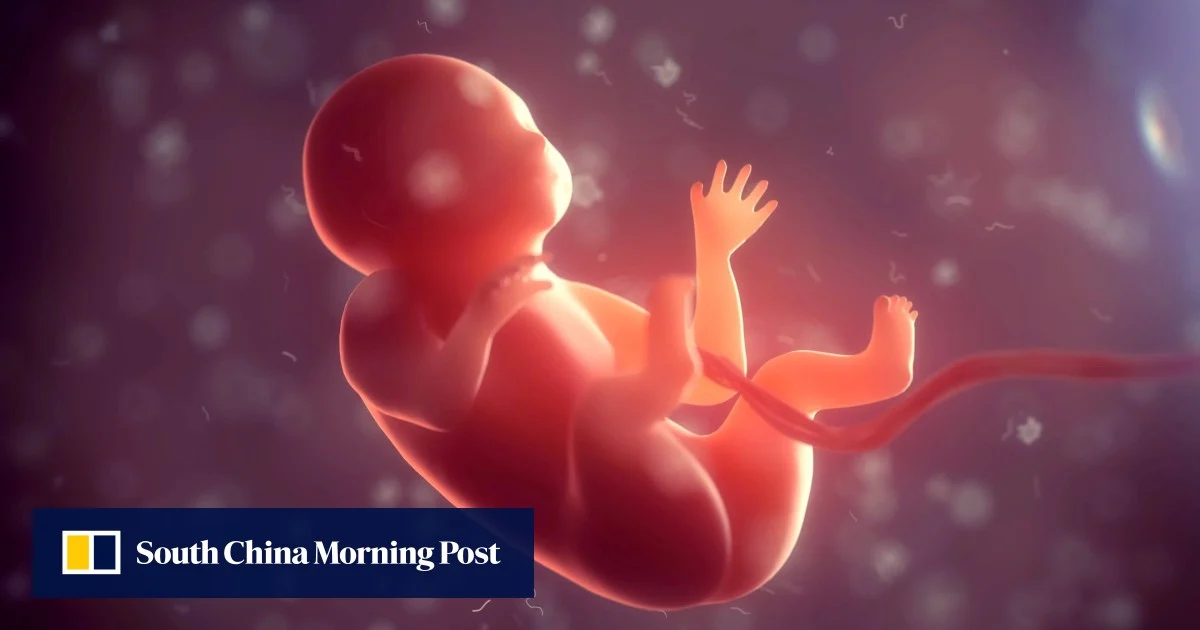
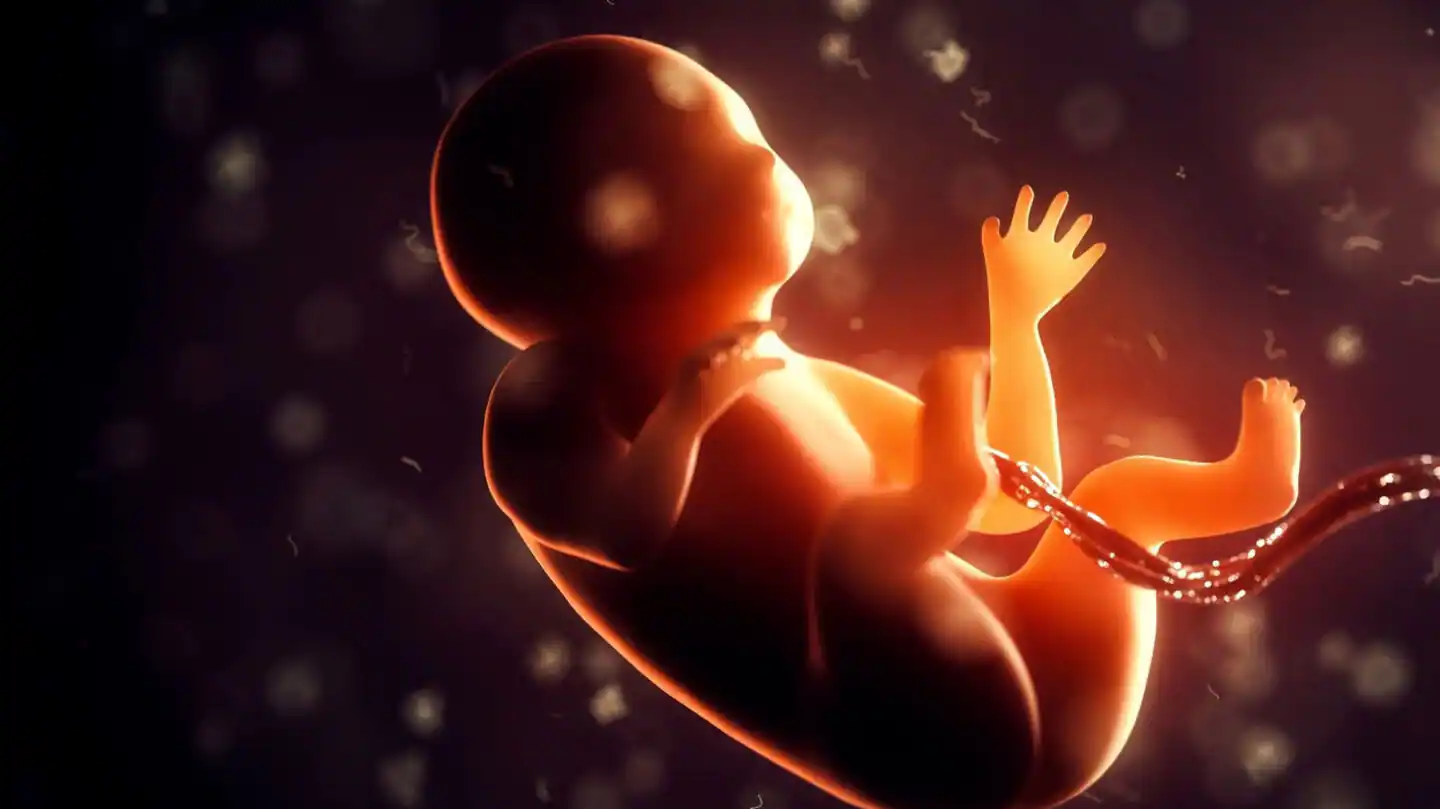
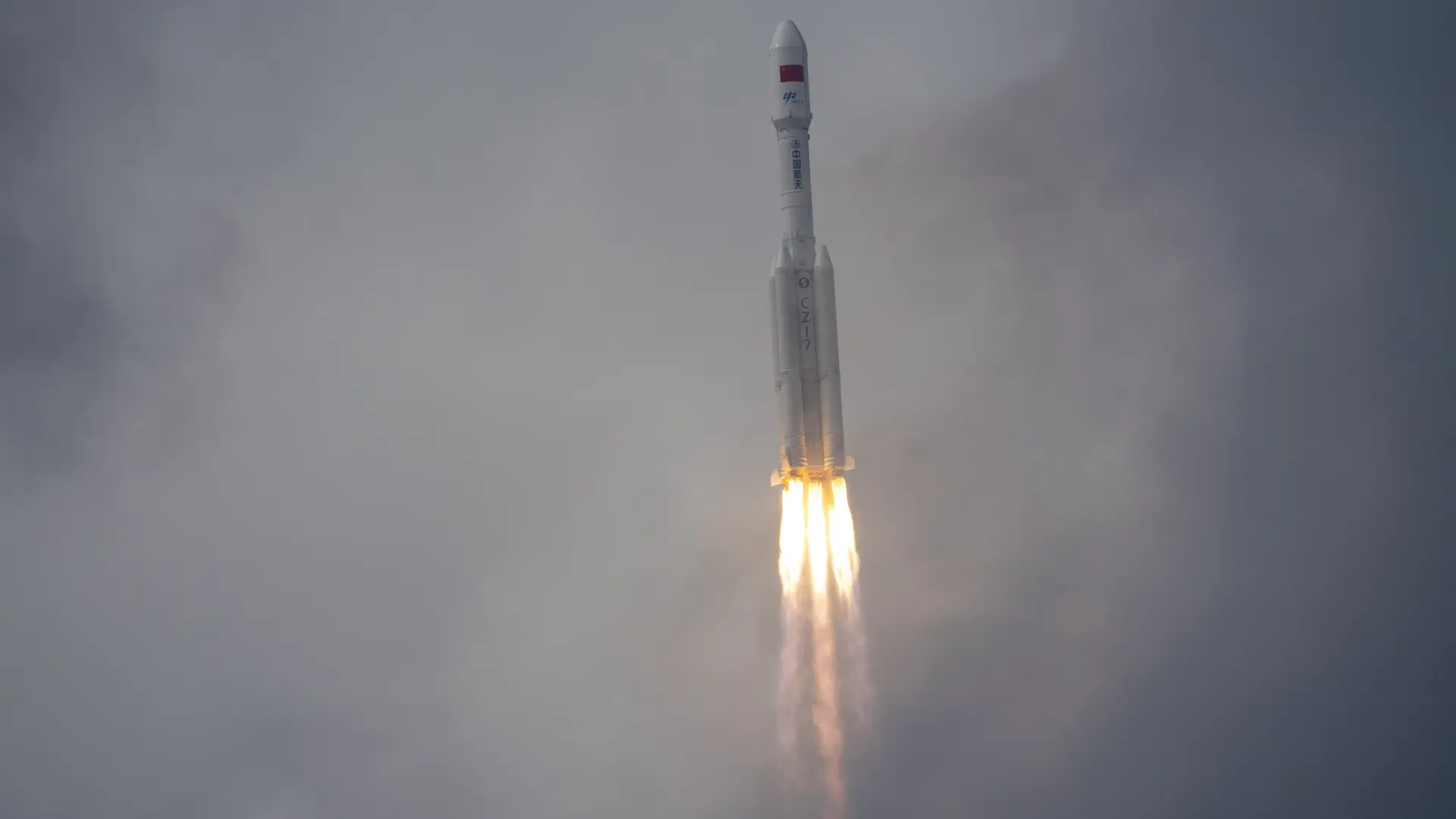
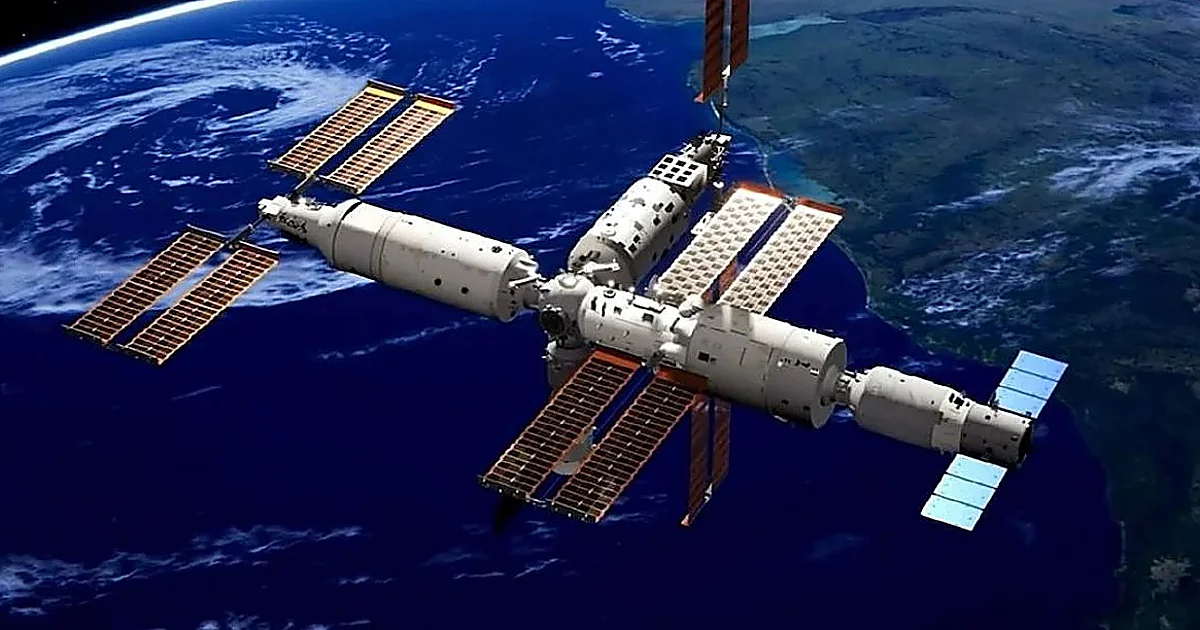
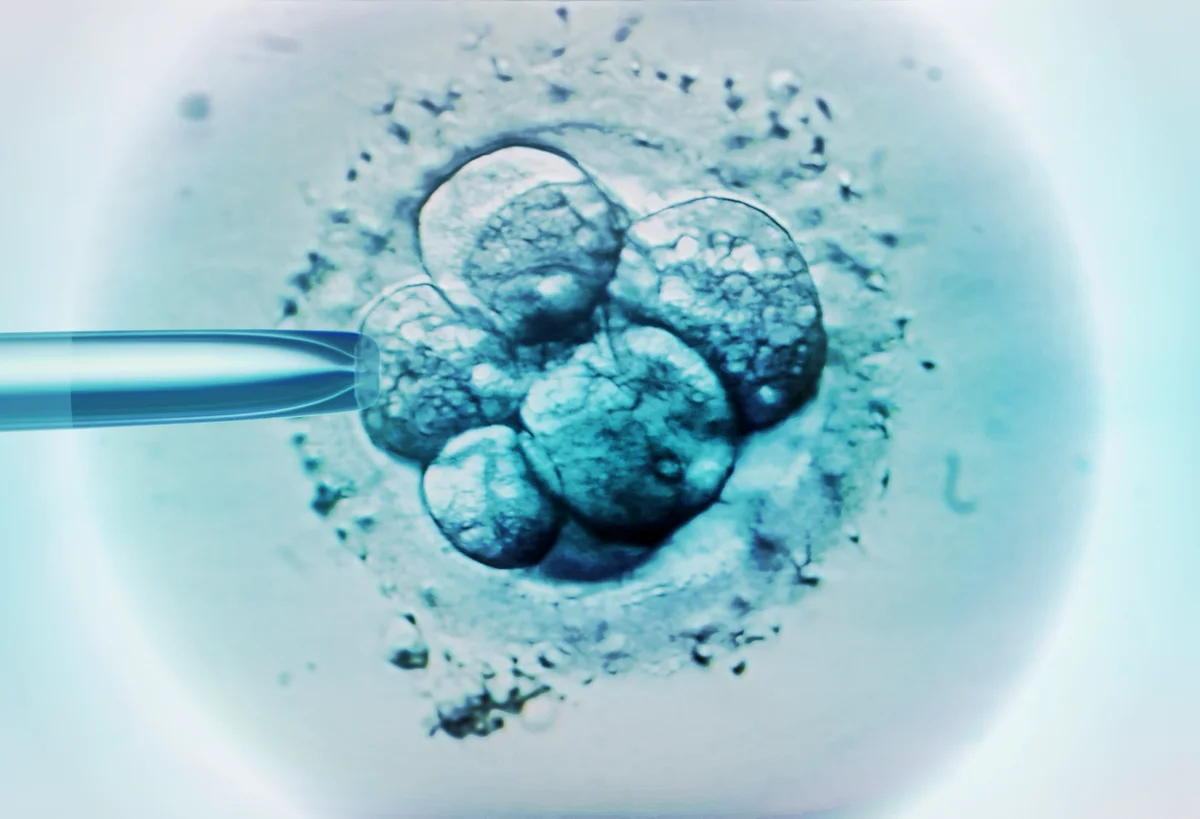
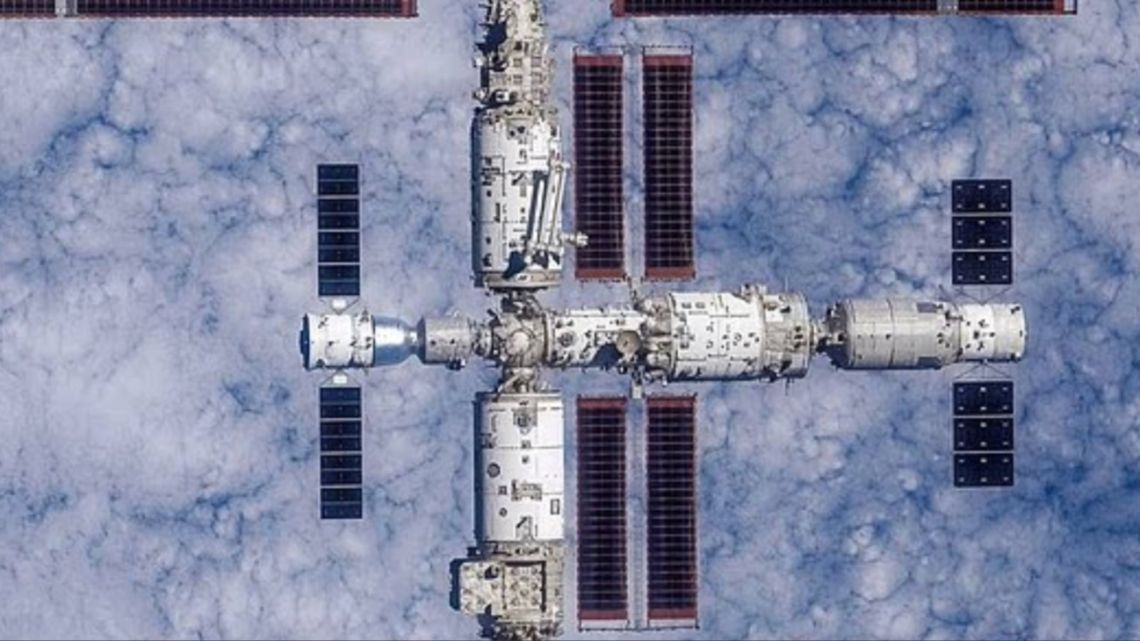
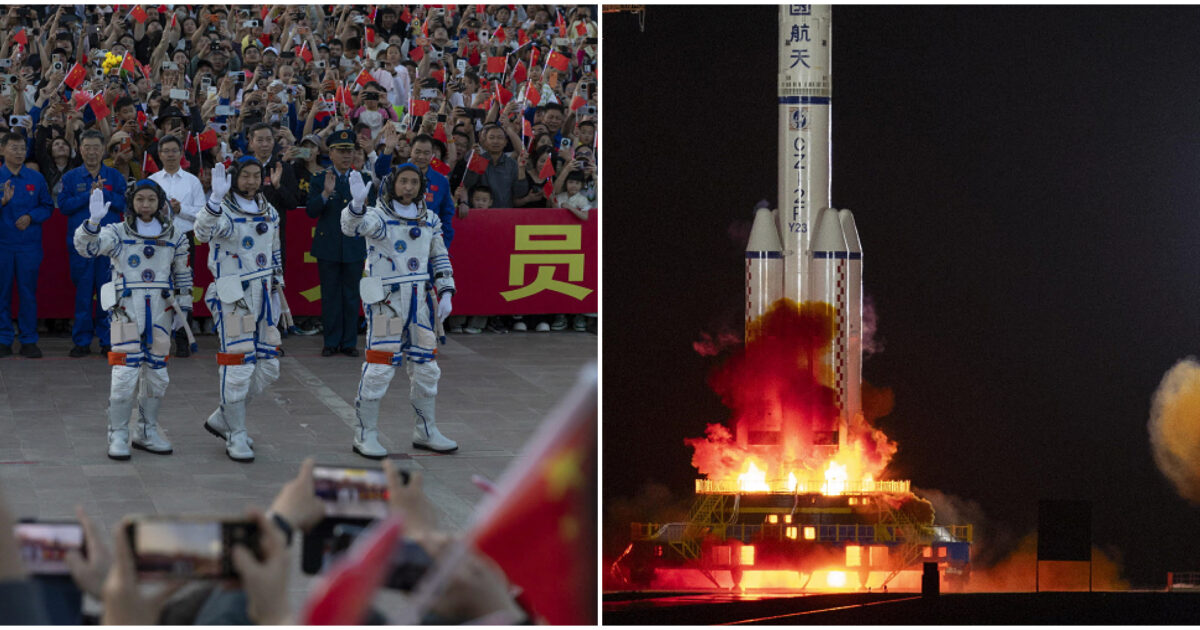
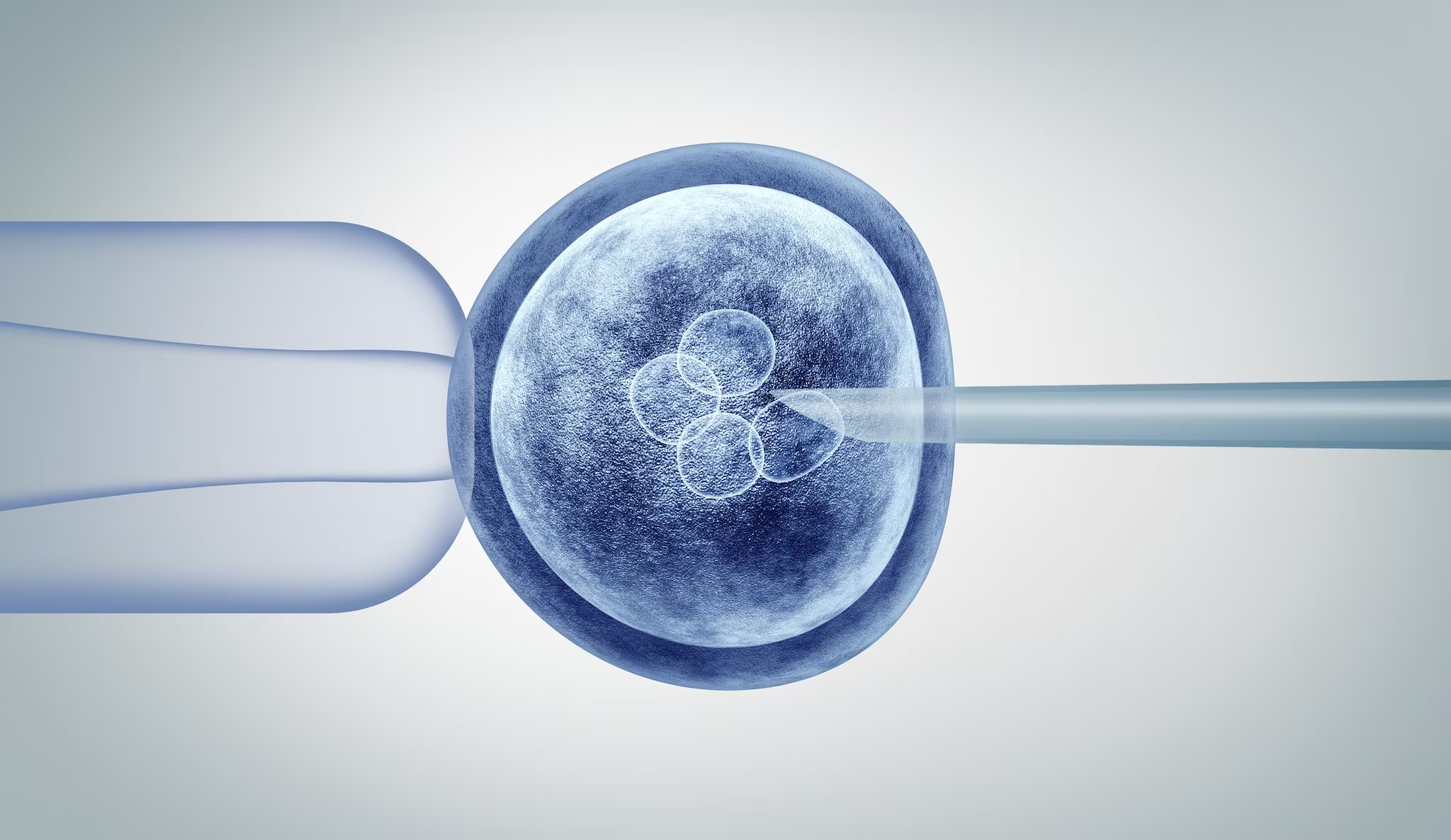
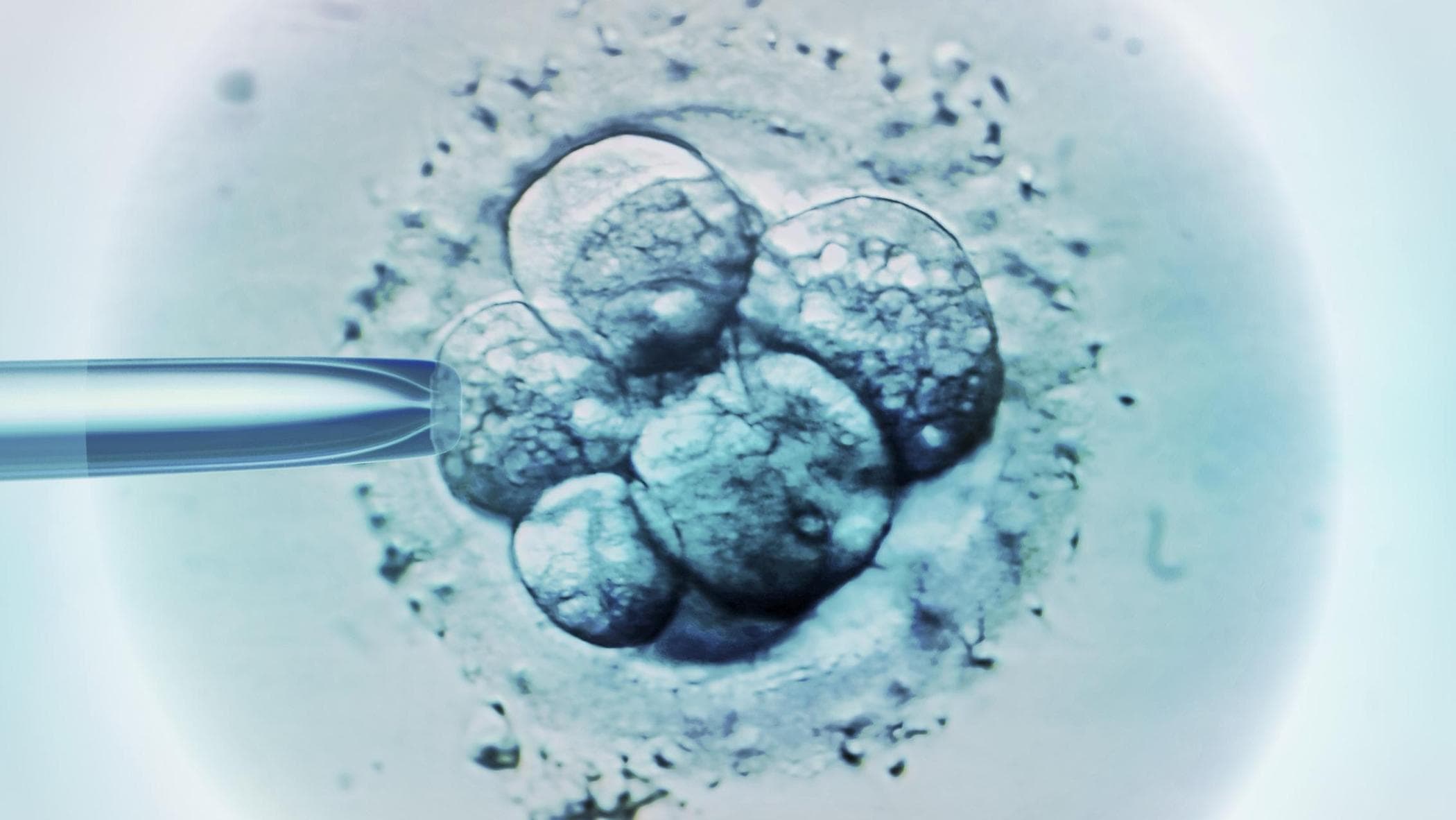
On May 10, a Long March 7 rocket carried the Tianzhou-10 resupply mission to the Tiangong space station and tucked within its seven tons of cargo was something that has never been attempted before in the history of human spaceflight: human artificial embryos, sent into orbit for the very first time.
What China's Tianzhou-10 mission carried to the Tiangong space stationOn May 10, a Long March 7 rocket lifted off from the Wenchang Space Launch Site carrying the Tianzhou-10 resupply mission loaded with around 7 tons of cargo, including food, fuel, spacesuits, and scientific equipment, bound for the Tiangong space station.