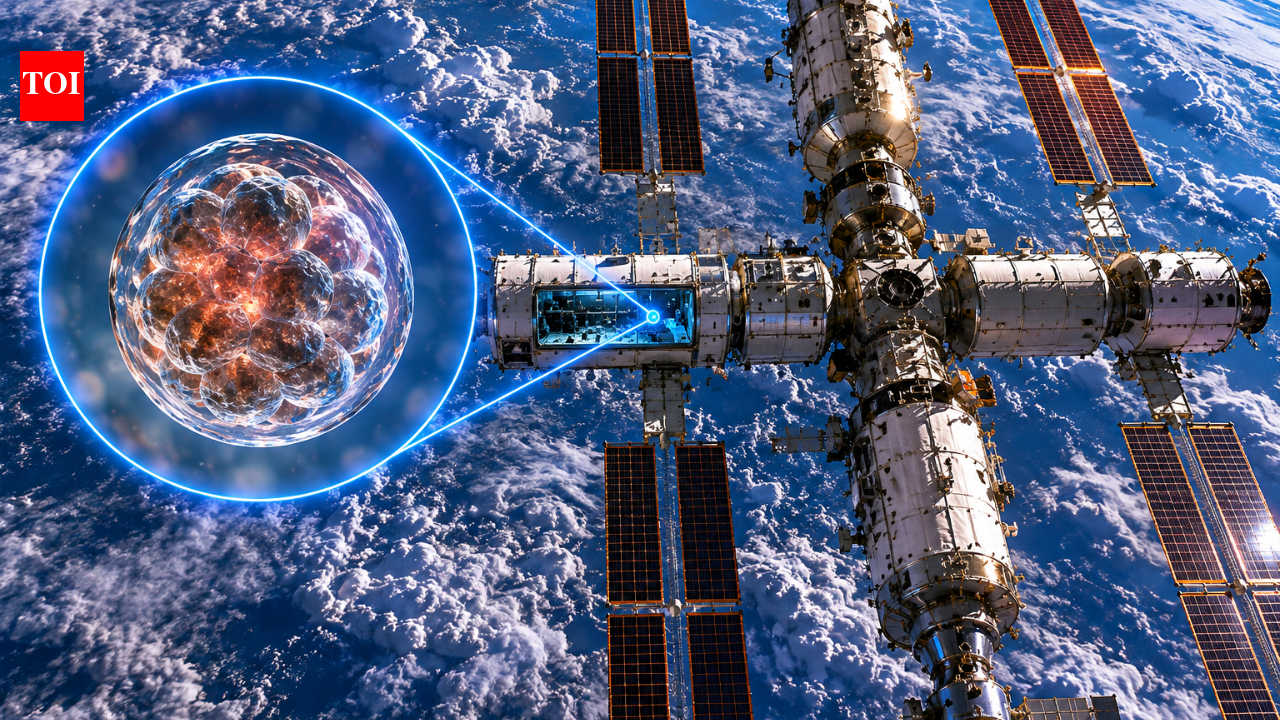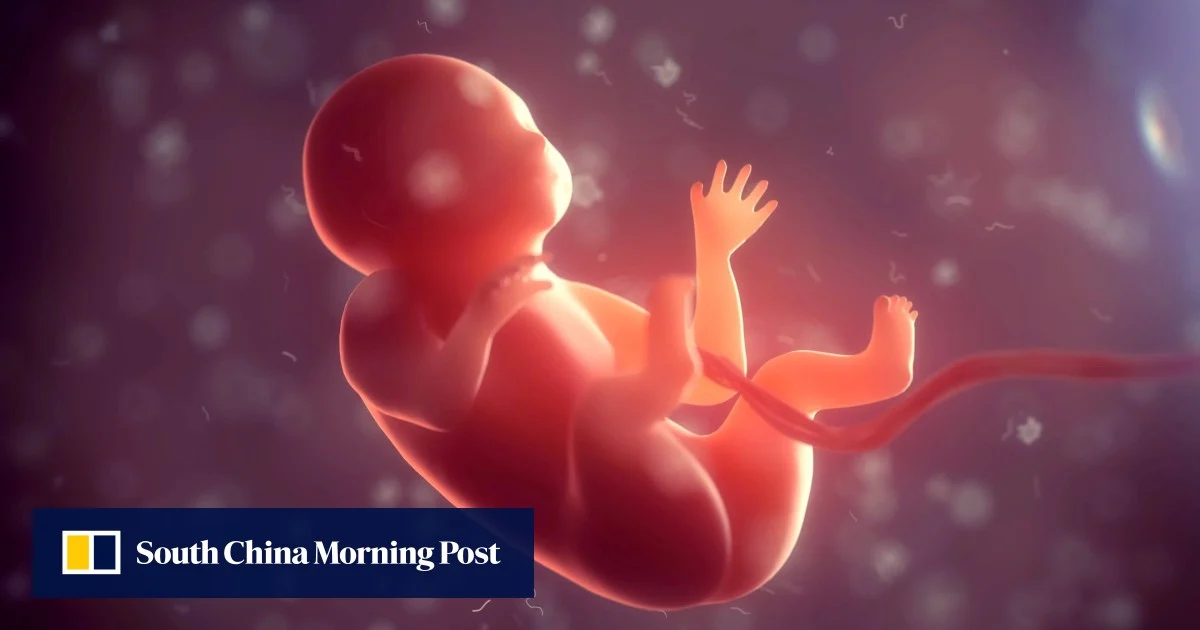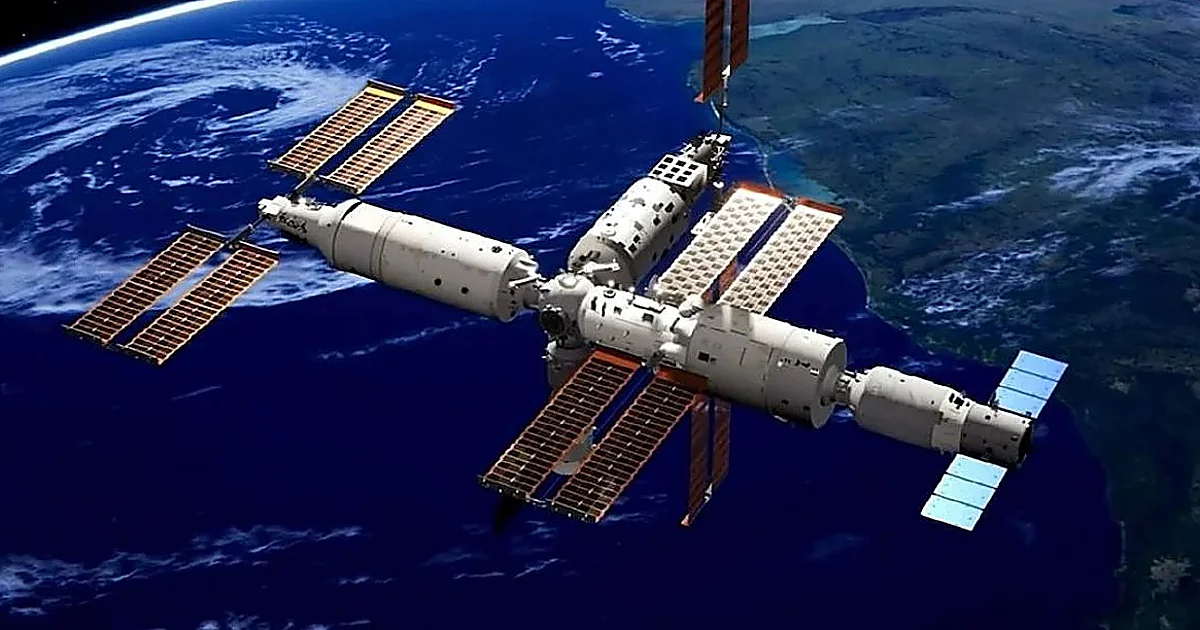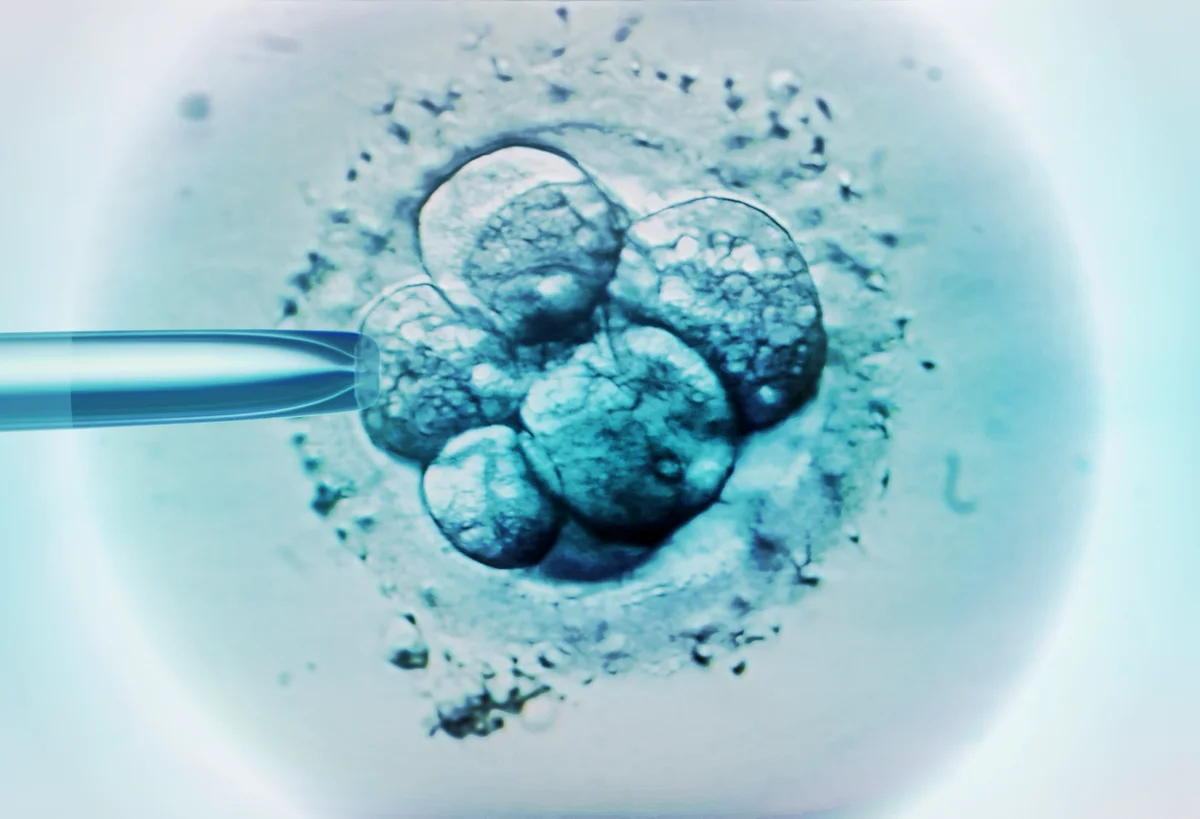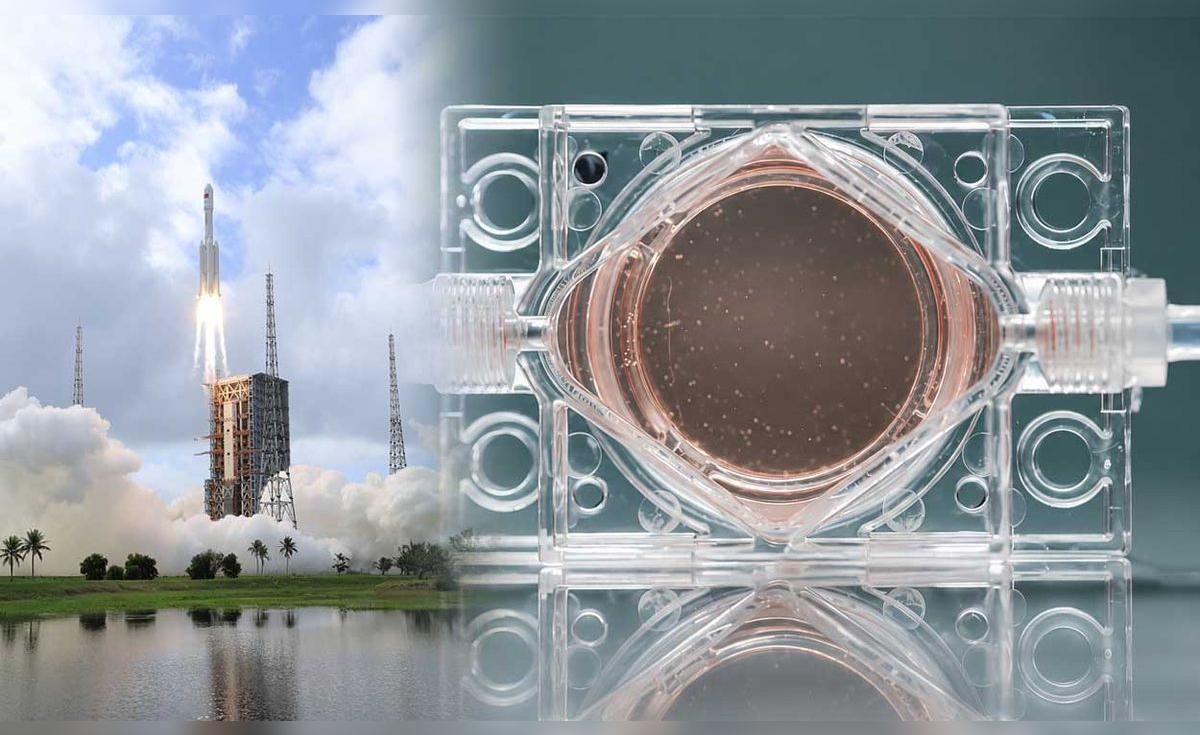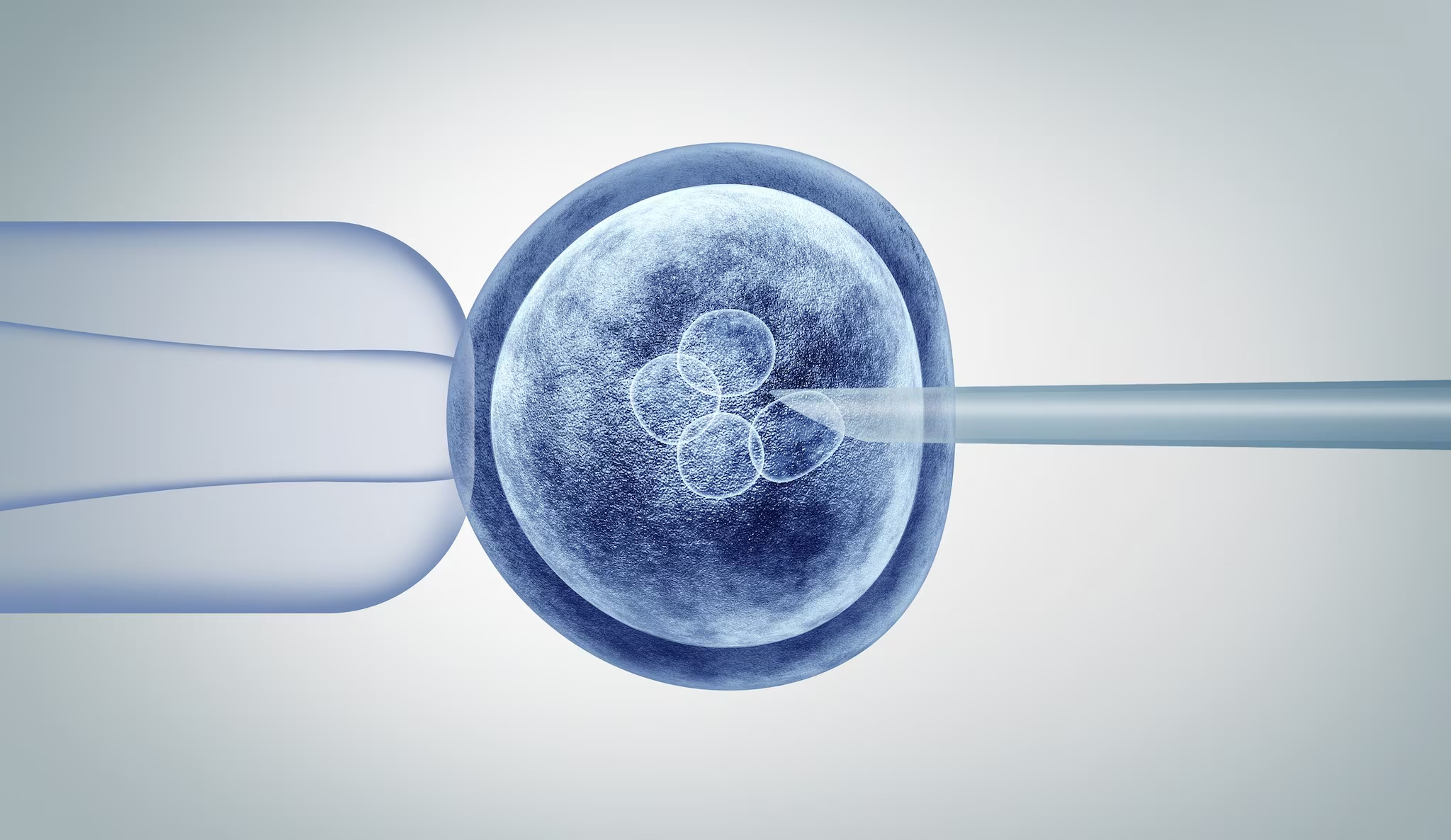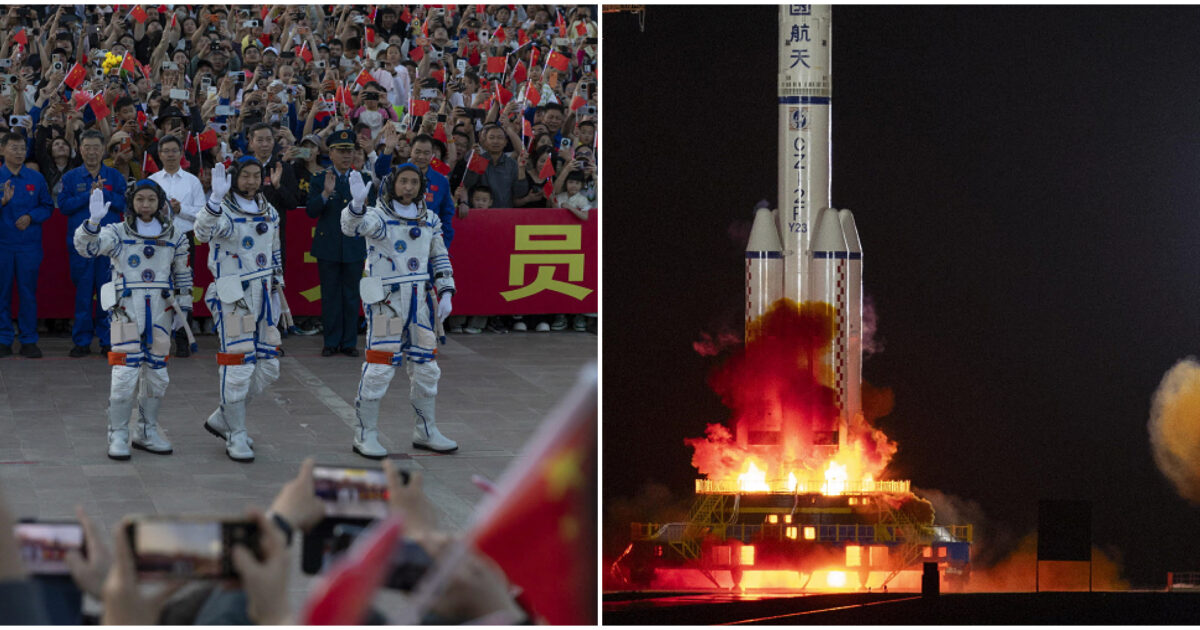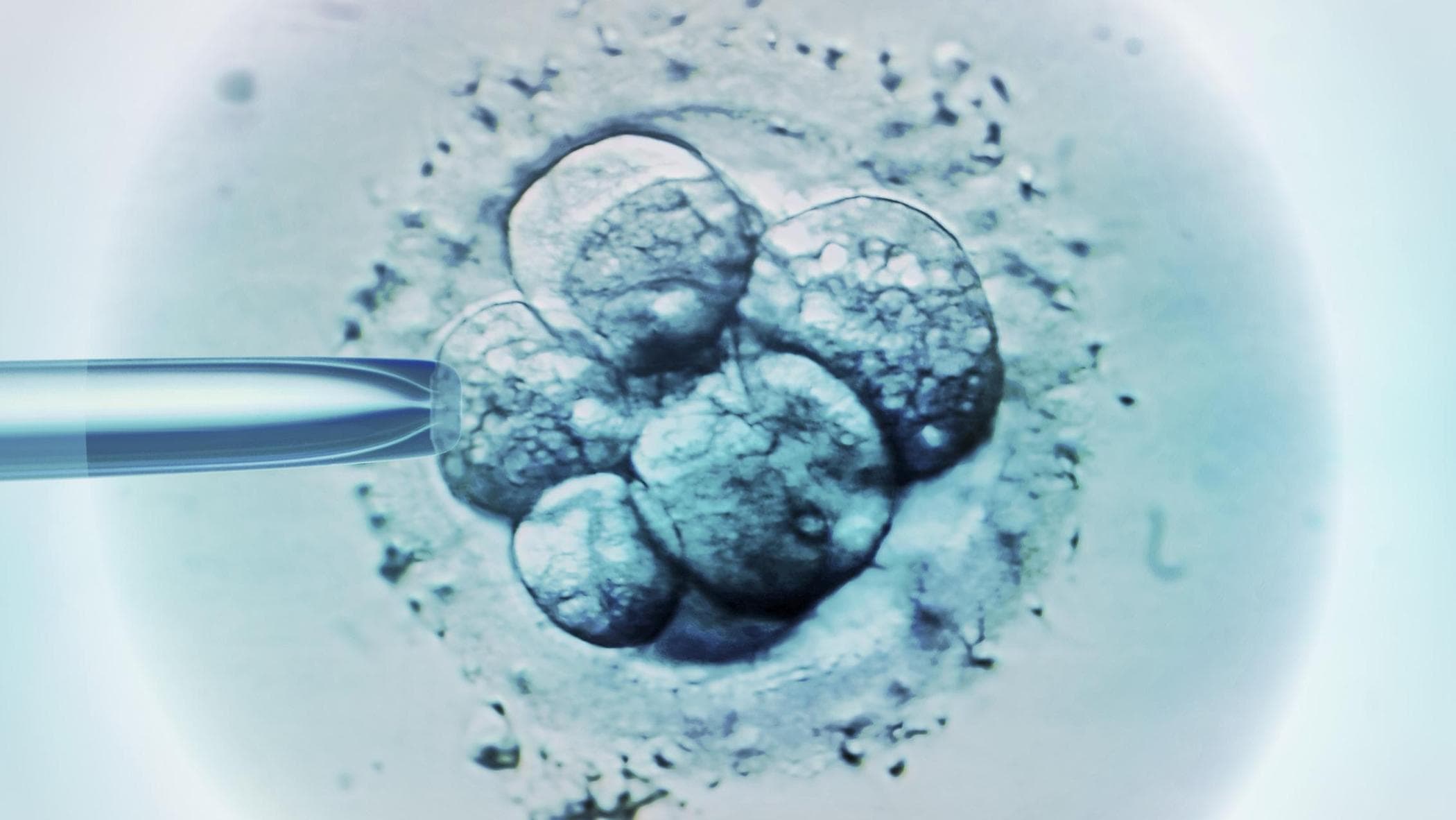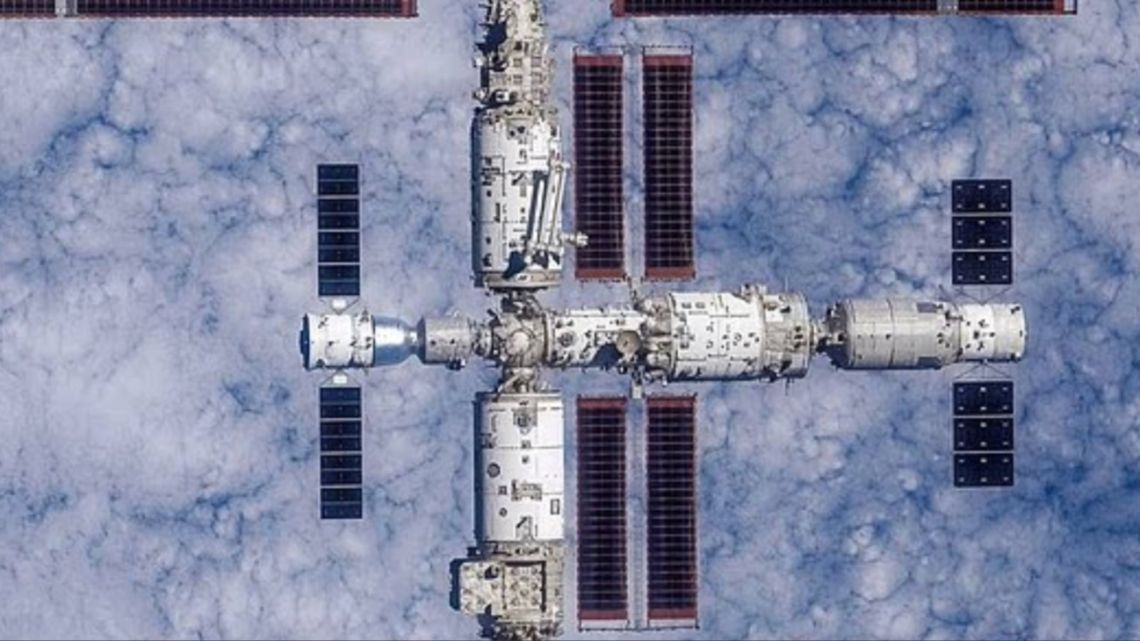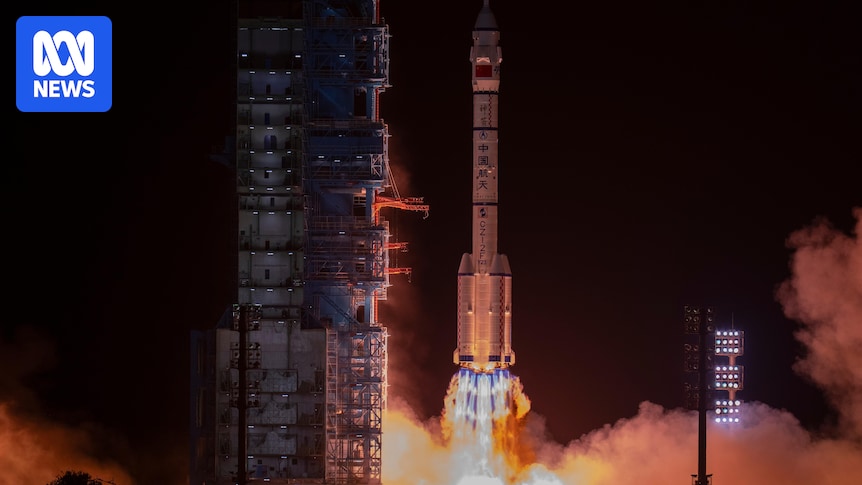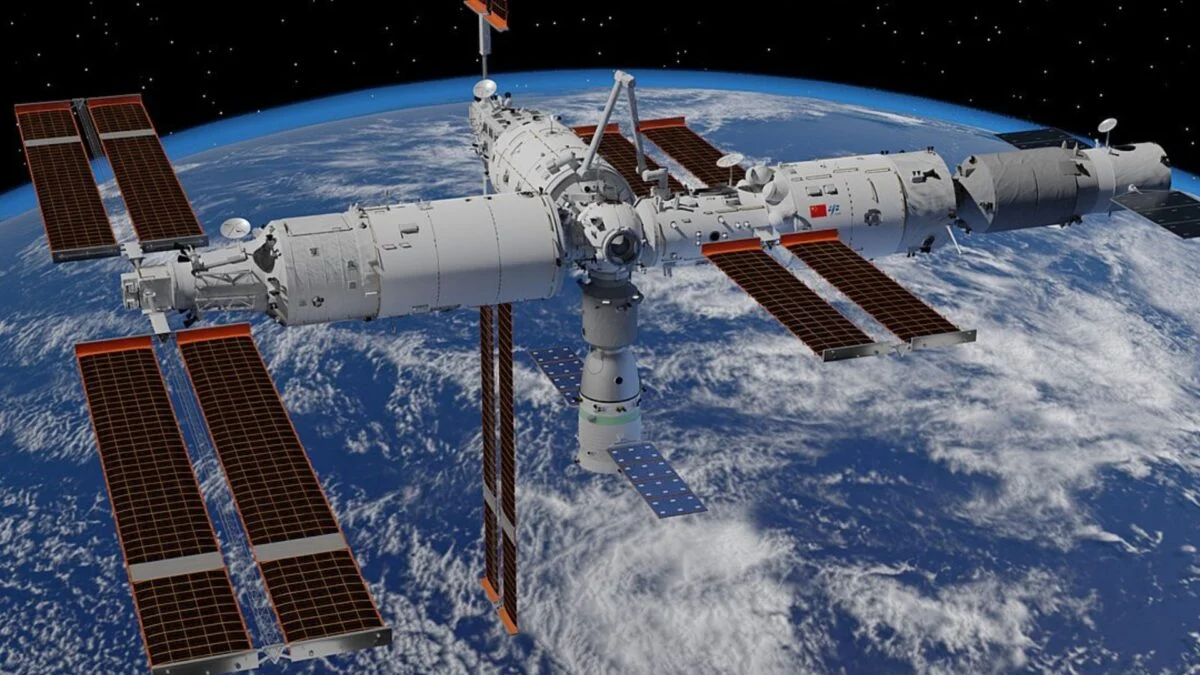
Humanity’s looming ambition to colonize the Moon and Mars faces one major obstacle: our ability to reproduce beyond Earth. While we’re nowhere near making space babies just yet, now may be the time to begin understanding the exact risks of trying. An experiment aboard the Chinese space station could help provide some answers. China launched embryo-like structures made from living human stem cells to its Tiangong space station for a first-of-its-kind experiment. The artificial embryos flew on board the Tianzhou-10 cargo craft on May 10 and spent around five days in low-Earth orbit to replicate the early development phase that comes after fertilization. Orbital baby making The experiment, led by researchers from the Chinese Academy of Sciences, is designed to test the effects of the microgravity environment on early human embryonic development.
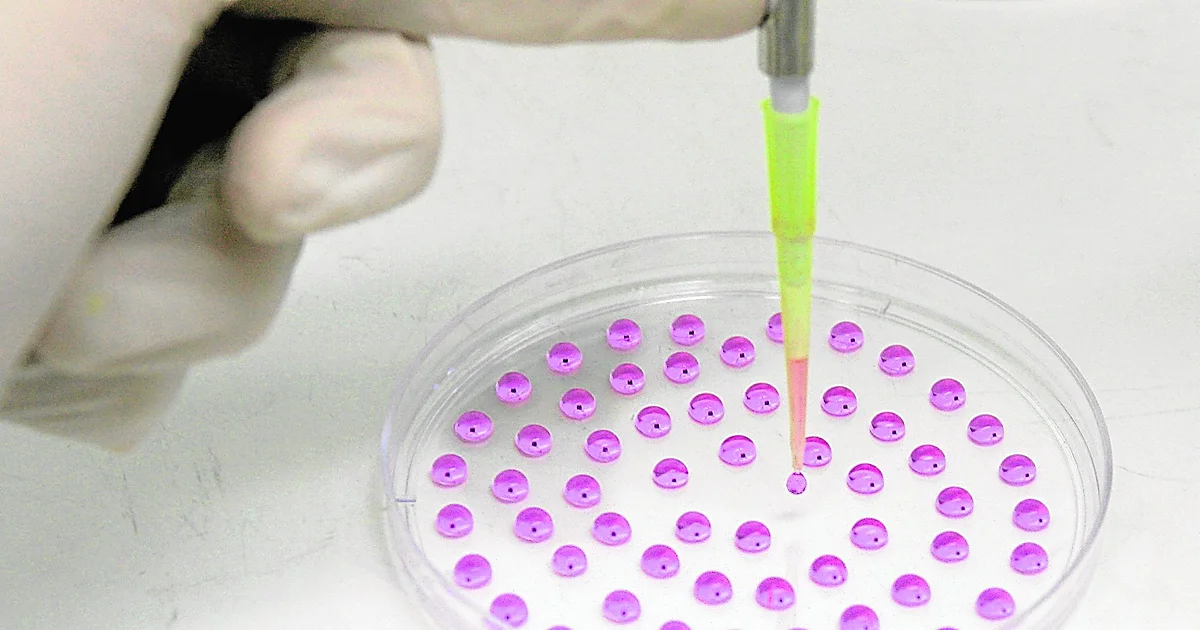
The artificial embryos include two types of models that represent different phases of embryonic development. The first set of samples was cultured on uterine cells to recreate the critical stage of when an embryo attaches itself to the uterine wall. The other samples were placed inside a microfluidic chip, which mimics the point when a single layer of cells reorganizes itself to different layers that eventually form tissues and organs.