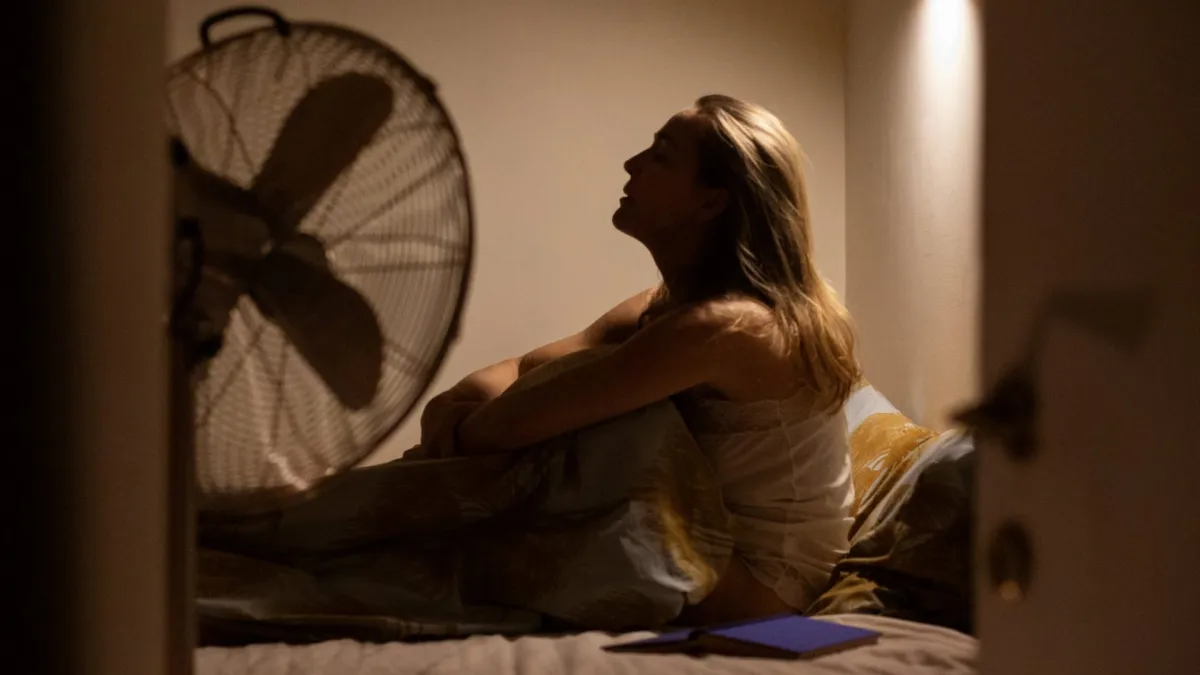
When I moved into a new rented flat in June 2024, I thought that the temperature in my home wouldn’t be too much of an issue. I lived in Edinburgh, and we do have high temperatures during heatwaves, but the house was built in 2000, so surely this would have been considered at the time of construction? How wrong I was. I quickly discovered the flat was poorly ventilated, and I was living in what felt like an oven, with temperatures in the living room reaching 30°C the week after I moved in. This wasn’t sustainable for me, or my Cocker Spaniel, who, despite a massive groom to remove as much fur as possible, struggled to get comfortable in the house. I spent the next week researching solutions, because the house was unlivable.
Whenever you see solutions to hot homes, they often assume that the person living in the home can make changes such as installing shutters, improving ventilation or installing air conditioning. But in the UK, around 8.8 million households are renting, housing approximately 19-20 million people. Renters don’t have the luxury of changing their living space, and landlords often don’t want to make changes that cost money.
I am known for my thriftiness and famous among friends for not turning my central heating on for four years in a row. But I didn’t consider that the very thing that made my home less chilly in the winter – having neighbours above and below, placing me in a kind of warm sandwich – was the thing that was going to make summers so horrendously hot.