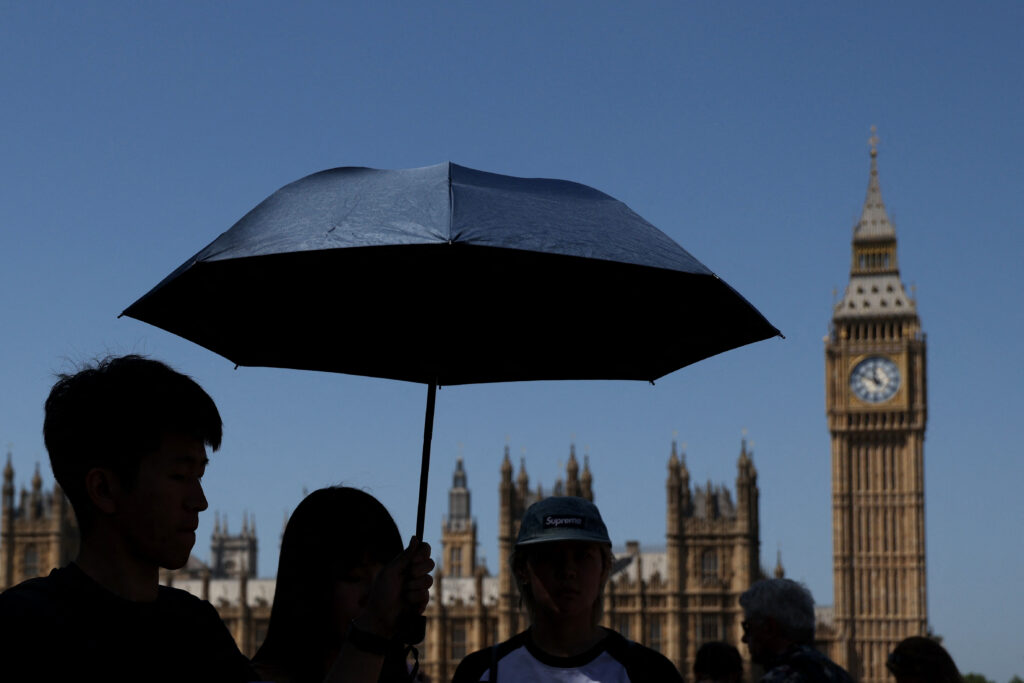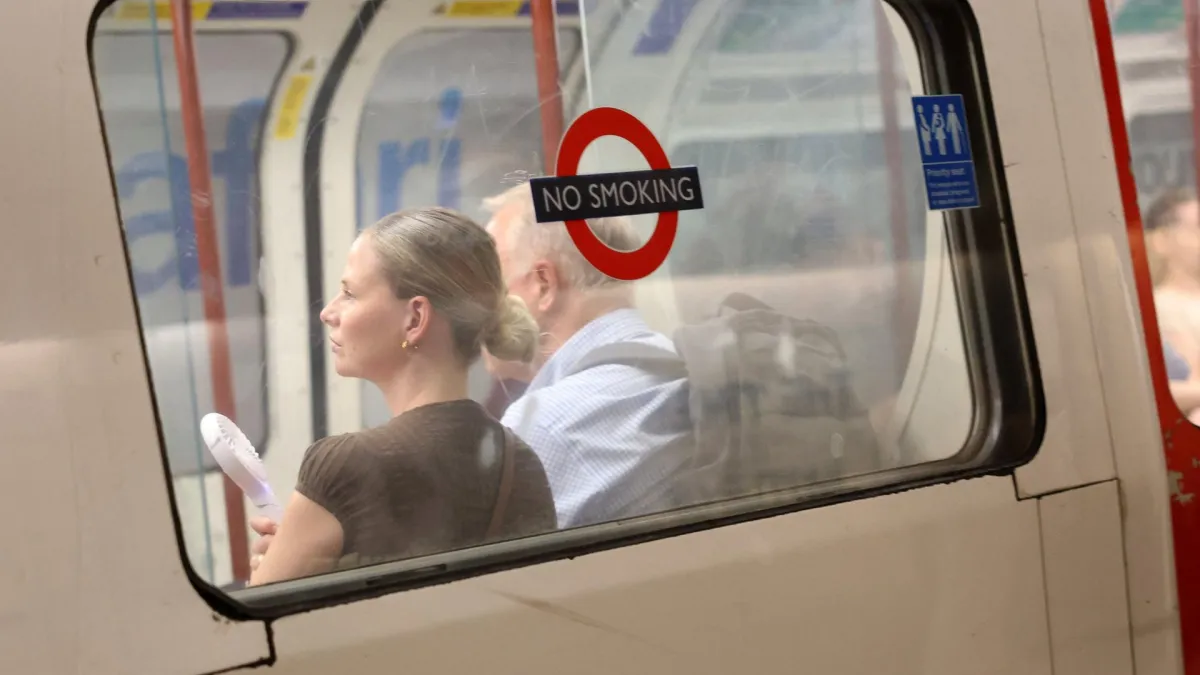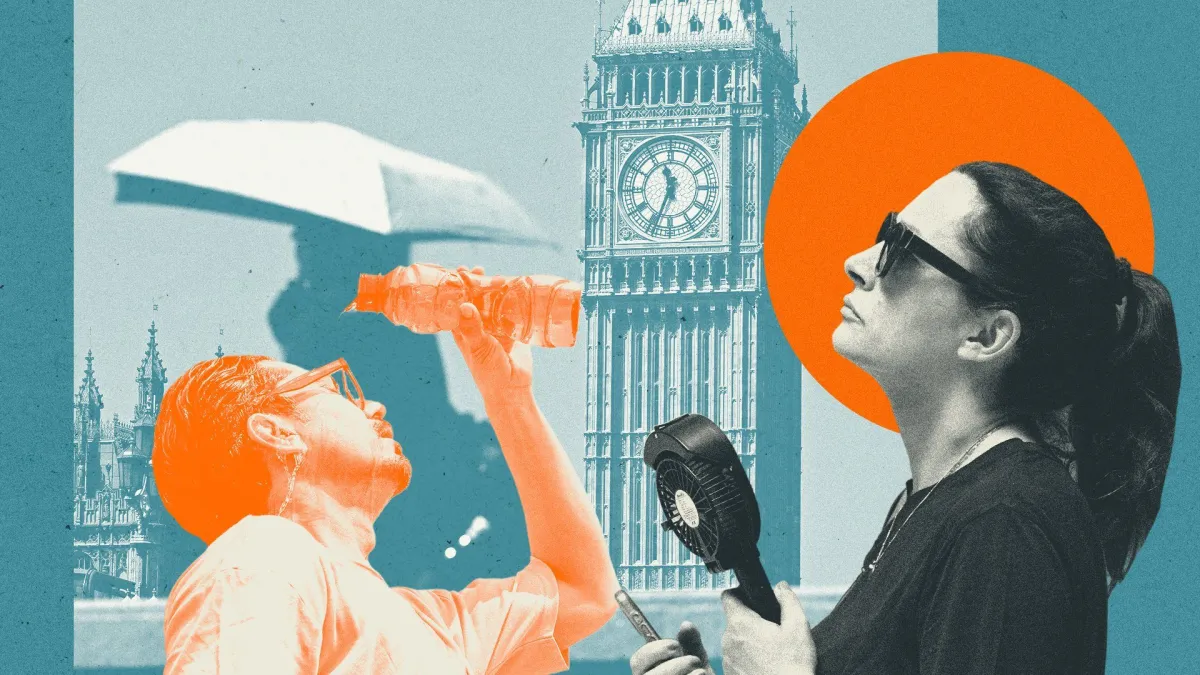
The Climate Change Committee has warned the UK was "built for a climate that no longer exists" and is demanding new maximum workplace temperature laws to protect workers' health during heatwaves10:09, 26 May 2026Updated 10:09, 26 May 2026With Britain set for record breaking temperatures of up to 34C, we want to know - should we have to work in the high heat? It's no secret the hot weather can make you feel tired, dehydrated and sluggish so productivity levels may be low but there is currently no maximum temperature for workers.The Met Office warns the rising temperatures is a clear indication of how rapidly our climate is changing, and The Climate Change Committee has said that the UK was "built for a climate that no longer exists". They are now calling on the government to introduce maximum temperature legislation to safeguard workers' health.Do you think there should be tighter regulations around working in a heatwave? Take our poll and let us know!The CCC urged for the government to roll out air conditioning and other cooling technologies in schools and hospitals, and that it should be one of the highest priorities as the UK has been hit by a heatwave over the past few days, and temperatures across the country are expected to rocket above 30C. WXCharts weather maps, which use MetDesk data, have turned a deep red, illustrating the surge of hot air sweeping into the UK - as it will turn hotter than Italy."It's a very sensible thing to do because we know that productivity drops very significantly when the weather gets very hot and we know that people become more prone to making mistakes and to having accidents," said Baroness Brown, chair of the CCC's Adaptation Committee."It's not rocket science - we know what to do but we haven't yet seen a government that's prepared to prioritise adapting to the change of climate, protecting the people and the places that we love." She criticised the "woeful" performance of successive governments in addressing the current and future dangers the UK faces from climate change. She added: "We need to recognise that there are aspects of our British way of life which are now really under threat from climate."The government said it would carefully consider and respond to the committee's advice. The CCC does not suggest a maximum temperature but highlights the example of Spain, where the highest legal indoor working temperature is 27C for sedentary work and 25C for light physical work.Labour Party Environment Secretary Emma Reynolds said: "We are acting to protect people and places from the impacts of climate change that are already being felt across the UK - from flooding to extreme heat and drought."Robust, independent science is essential and we will carefully consider the Climate Change Committee's latest recommendations to drive further action."This follows a report by the Autonomy Institute which revealed that two-thirds of the UK workforce could find themselves labouring in heatwaves exceeding 35C before the decade is out.The organisation highlights that despite record-breaking summers, there remains no legislation or official guidance regarding a maximum working temperature. It estimates that around six million workers — particularly those in construction, agriculture and logistics — are already exposed to dangerously extreme heat.It proposes that ministers establish a threshold of 27C working temperature for employees. This aligns with guidance from the Trades Union Congress (TUC) for those carrying out "strenuous work".The TUC has previously suggested a maximum temperature for indoor working environments of 30C, while urging employers to endeavour to bring temperatures down should they exceed 24C.Article continues belowAutonomy also argues there should be a legal entitlement to cease work during periods of intense heat, along with provisions for shelter and rest breaks for all workers.TUC general secretary Paul Nowak added: "Everyone deserves to be safe and comfortable at work. Setting a legal limit is a simple, common-sense step to protect people from dangerous conditions – especially as extreme temperatures become more frequent. It's time the law caught up."The Health and Safety Executive's website states: "There's no law for maximum working temperature, or when it's too hot to work, because every workplace is different. No meaningful upper limit can be imposed because in many indoor workplaces high temperatures are not seasonal but created by work activity, for example in bakeries or foundries."
Mirror readers debate whether Brits should be expected to work in heatwaves
The Climate Change Committee has warned the UK was "built for a climate that no longer exists" and is demanding new maximum workplace temperature laws to protect workers' health during heatwaves
716 words~3 min read