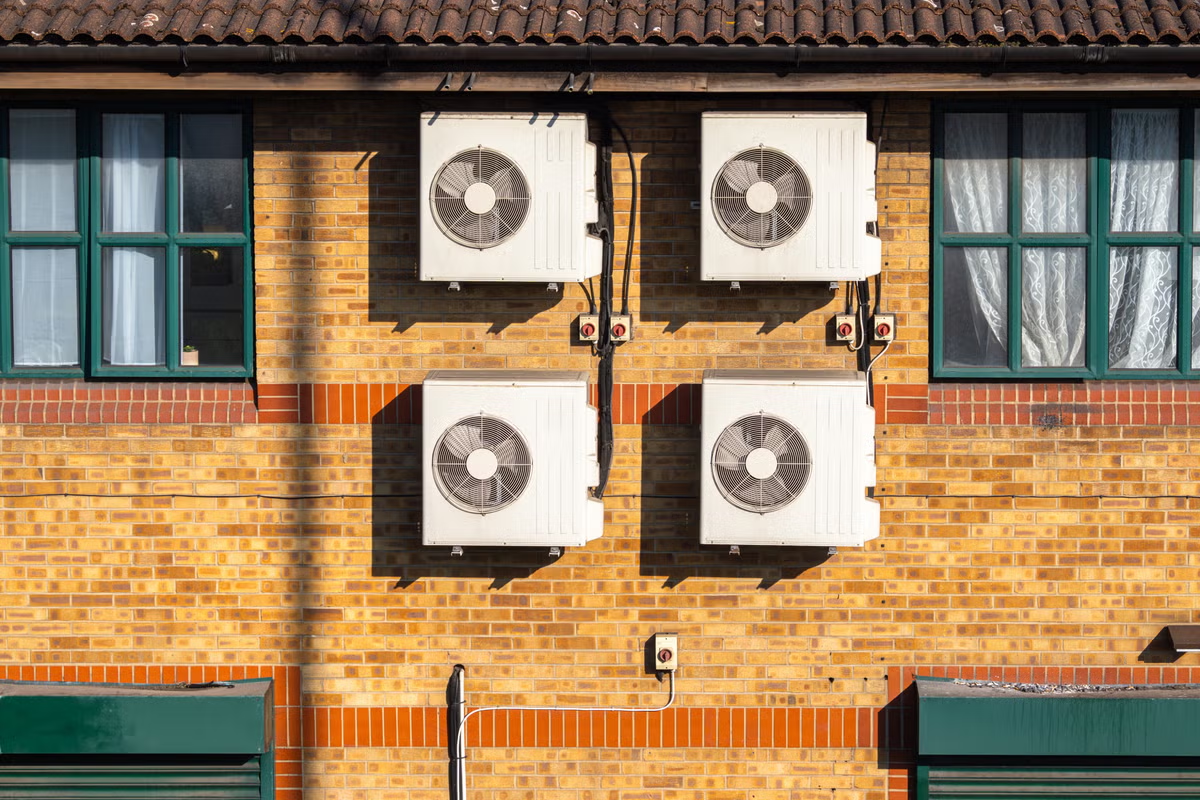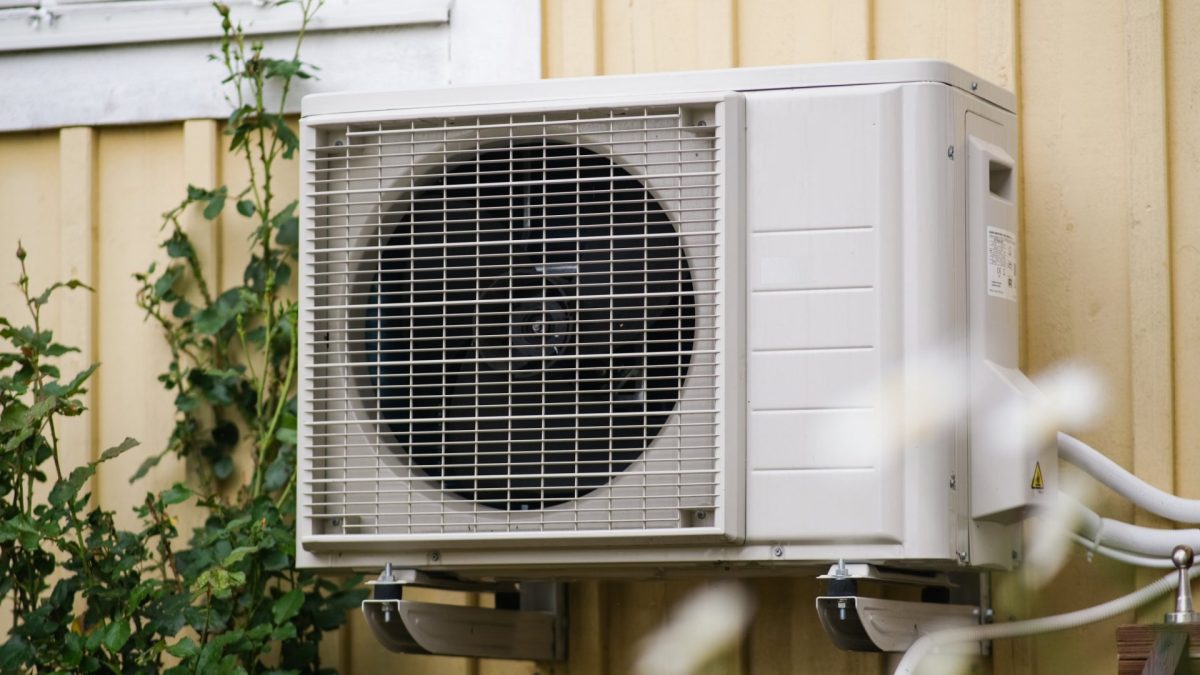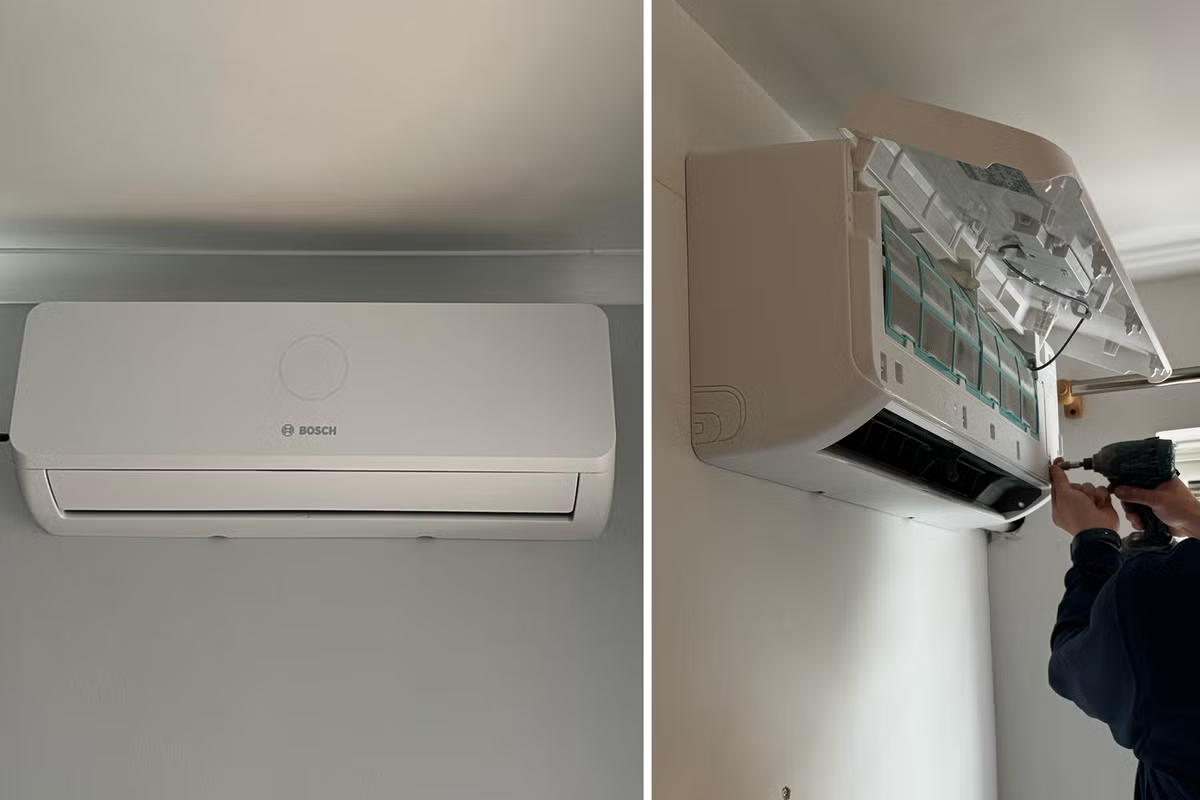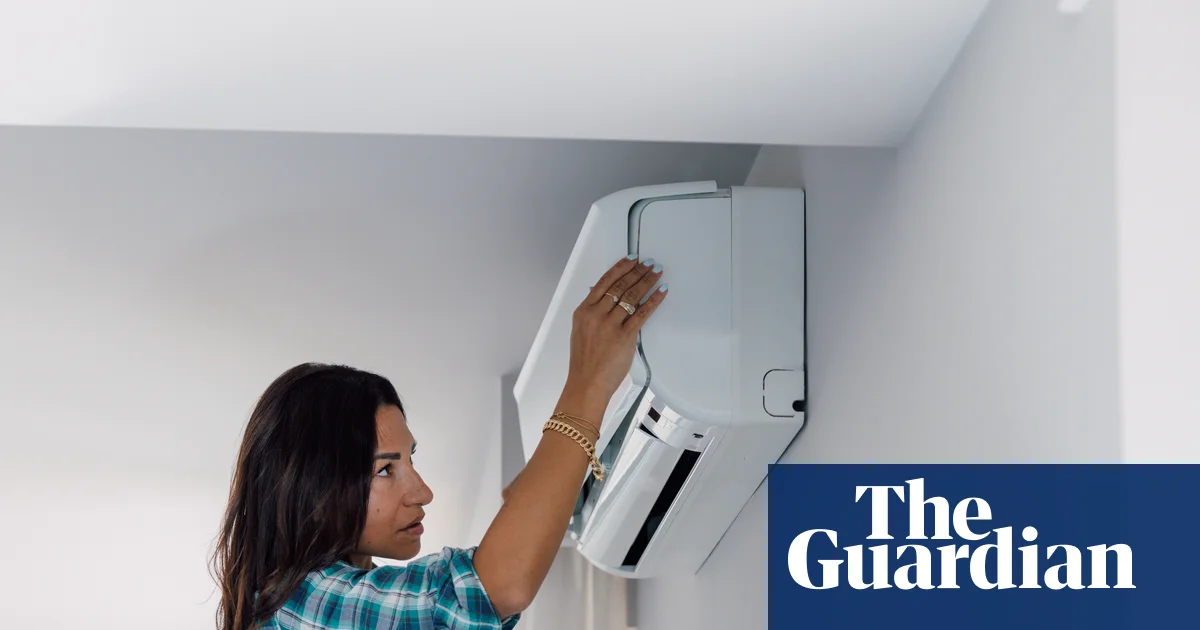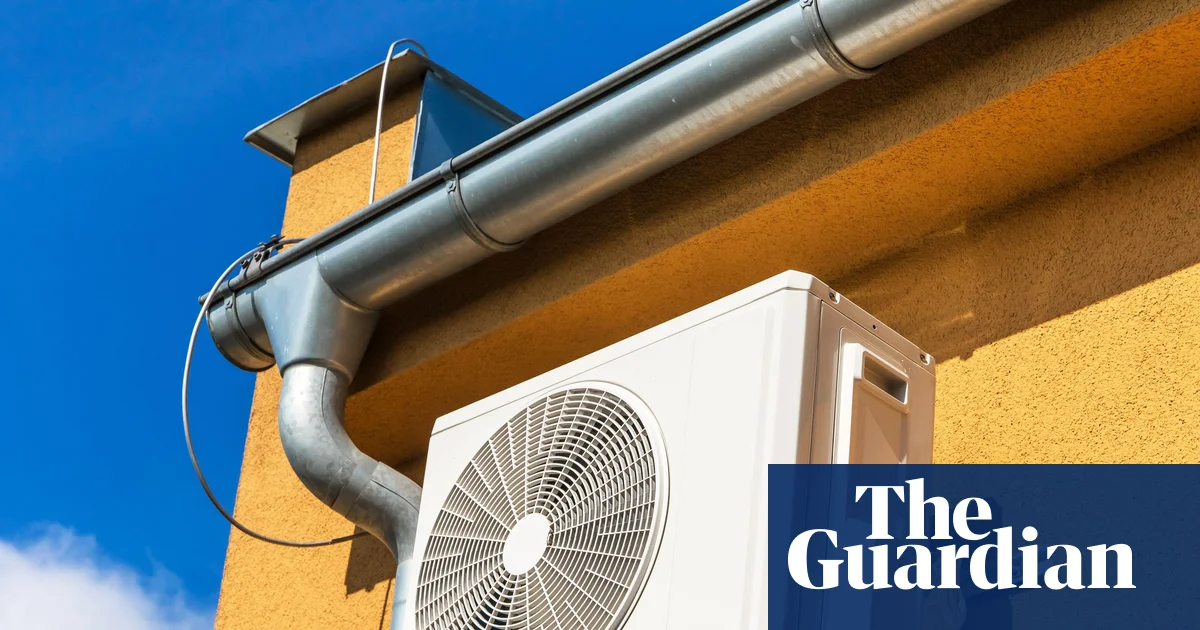
More than 4m homes in the UK now have air conditioning, double the figure from three years ago.Portable units with power ratings around 1kW are slightly more common than the more powerful built-in versions that can guzzle 2.7kW of power – more than an electric oven.Experts suggest the increase in ownership is the result of more people working from home and rising summer temperatures. Some of the UK’s warmest summers have been seen in recent years, including the UK’s hottest ever day when temperatures hit 40C in July 2022.Of the 4m households with air conditioning, nearly 1.9m have built-in units with power ratings up to 2.7kW. In a typical week, households use their units for about four hours, but when temperatures are high, they use them for just over nine hours a day, sending the cost soaring from £2.93 a week to £42.43 a week.The 2.2 m homes with portable air conditioning units – which use 1kW of power – typically use them for about three hours a week at a cost of 83p. During hot spells, when they are used for more than nine hours a day, this bill rises to £15.71 a week.More than 260,000 UK households now have heat pumps that can be used to cool homes. Heat pumps work like traditional air conditioning units by extracting heat from the home and releasing it outside. A typical air source heat pump used in cooling mode will use about 1kWh an hour, costing a similar amount to a portable air conditioning unit – although the heat pump is likely to be more efficient at cooling large rooms.British homes will need air conditioning to survive predicted levels of global heating, the government’s climate advisers warned in a report, as measures such as drawing curtains, opening windows and growing trees for shade are not likely to be enough.Air conditioning should be installed in all care homes and hospitals within the next 10 years, and in all schools within 25 years, according to the Climate Change Committee (CCC), which published its findings on adapting to the impacts of global heating on Wednesday.Heatwaves are expected to exceed 40C in all parts of the UK by 2050. Periods of hot weather will be longer, which could lead to an additional 10,000 heat-related deaths a year. About nine in 10 UK homes are likely to overheat.However, air conditioning is energyintensive, accounting for about 4% of global greenhouse gas emissions. More efficient modern systems can use heat pumps, which are already subsidised by the government to replace gas boilers, but these are rarely installed at present.Sam Alvis, the head of energy security at the IPPR thinktank, called for more solar panels on roofs, alongside air conditioning. “We are going to have to get used to being a hot country, which is quite a mindset shift for the UK,” he said. “Air conditioning is actually a great pair for solar from an energy system point of view because it matches supply and demand, and your aircon is only going to be needed above certain temperatures.”
Number of air conditioned UK homes doubles to more than 4m in three years
Greater working from home and hot summer temperatures believed to be driving increase in ownership
509 words~2 min read