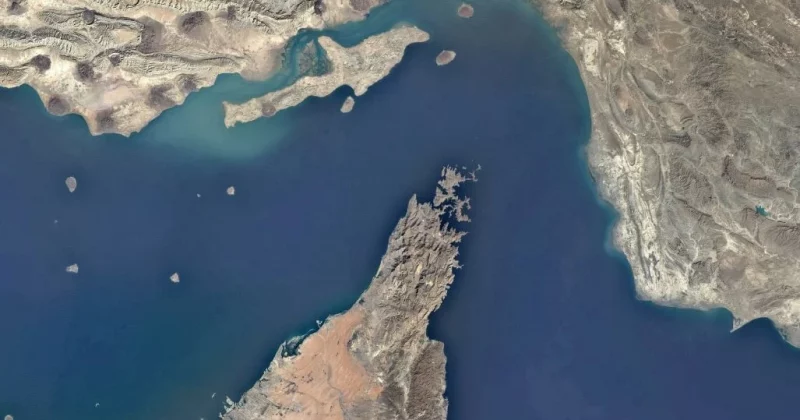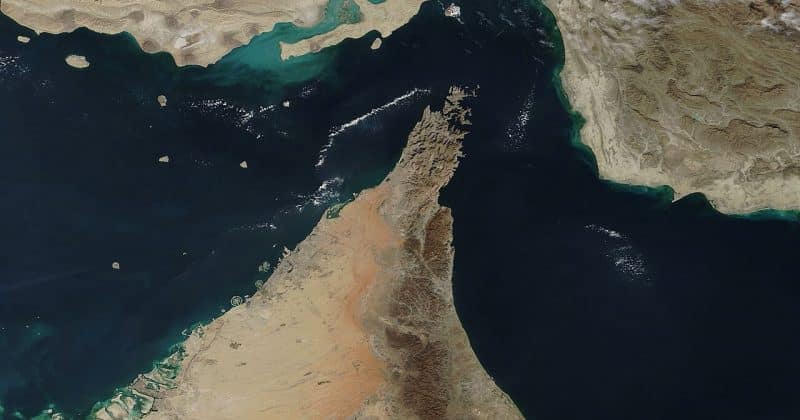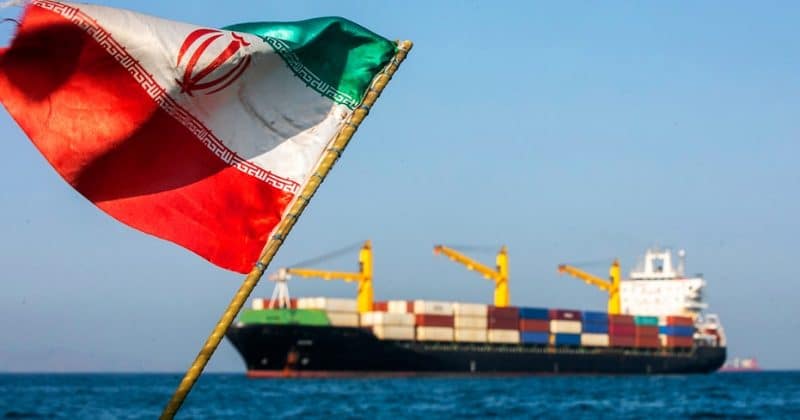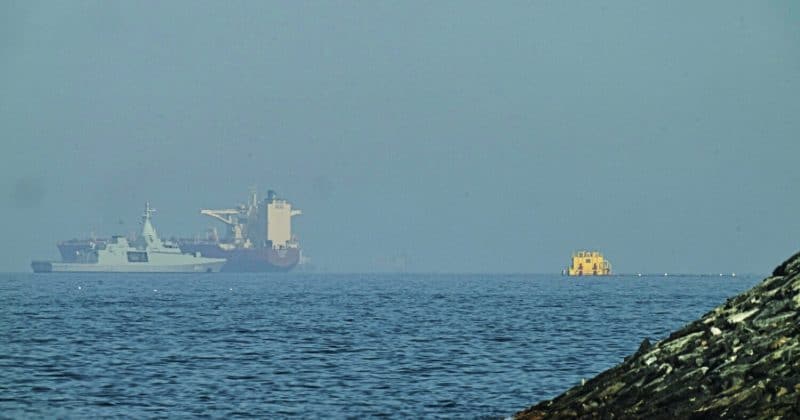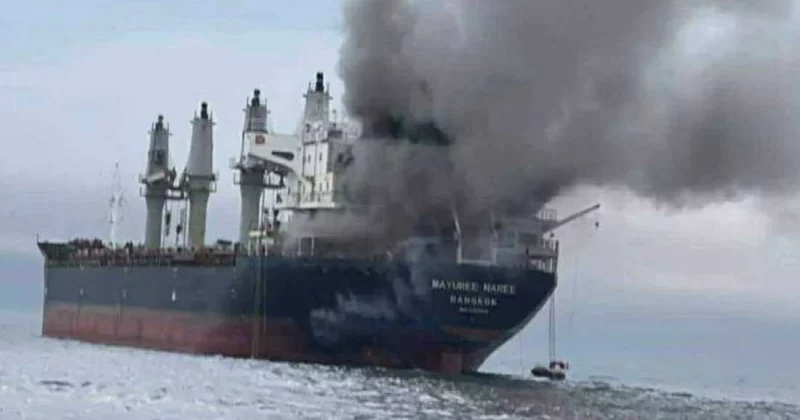
A joint US-Israel military strike on Iranian boats near Larak Island in the Strait of Hormuz on May 24 killed three Iranians: Abbas Eslami, Ghodrat Zarnegari, and Abdolreza Golzari. The attack is the latest escalation in a conflict that has transformed one of the world’s most critical shipping lanes into a militarized toll road, one that accepts Bitcoin.
Larak Island sits at the mouth of the Strait of Hormuz, the narrow waterway through which a significant share of the world’s oil supply passes. Since late February 2026, when the US and Israel launched airstrikes on Iranian military and nuclear sites, the Islamic Revolutionary Guard Corps has seized control of a northern shipping corridor through the strait and turned it into a revenue-generating chokepoint.
A toll booth in a war zone
Starting in mid-March 2026, Iran formalized a toll collection system for vessels wanting to navigate the Strait of Hormuz under IRGC escort. The fees range from $1 per barrel of oil being transported to as much as $2 million per vessel transit. Iran accepts Bitcoin, USDT, and Chinese yuan. No dollars. No euros. No SWIFT transfers.
Roughly 7% of pre-war shipping volumes are currently navigating under IRGC protection. Vessels that pay the toll and submit to escort get safe passage through the northern corridor near Larak Island. Those that don’t are left to navigate contested waters without protection.