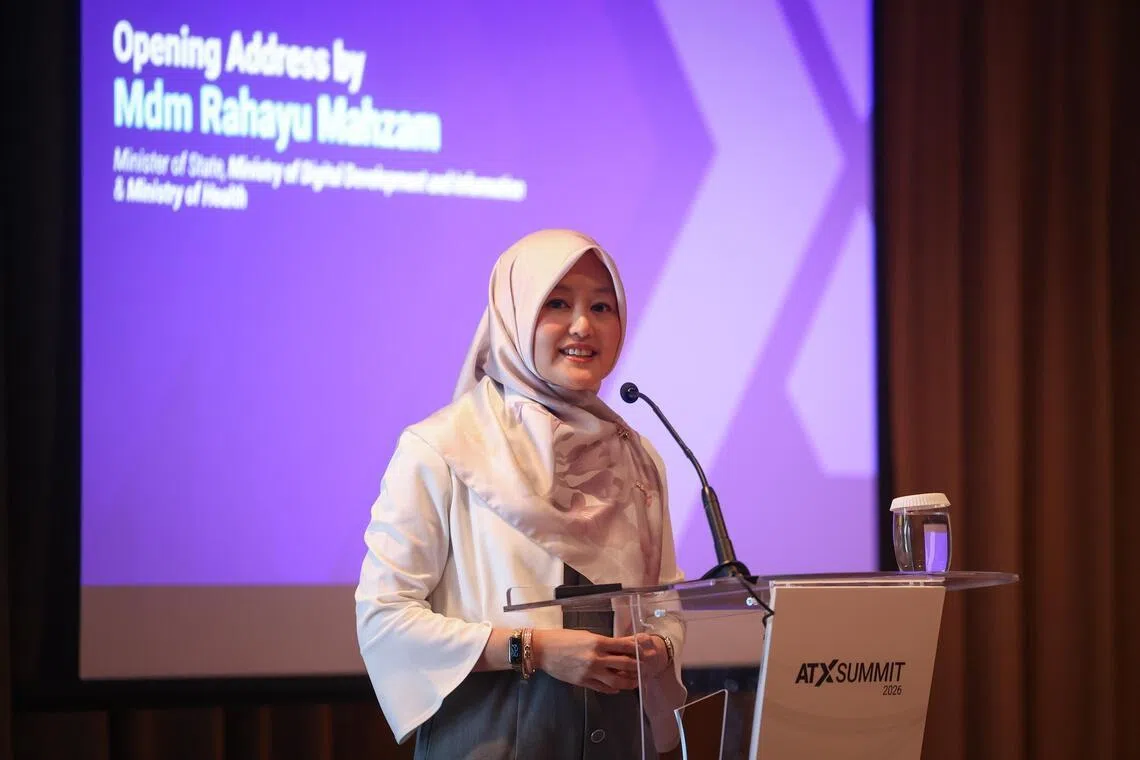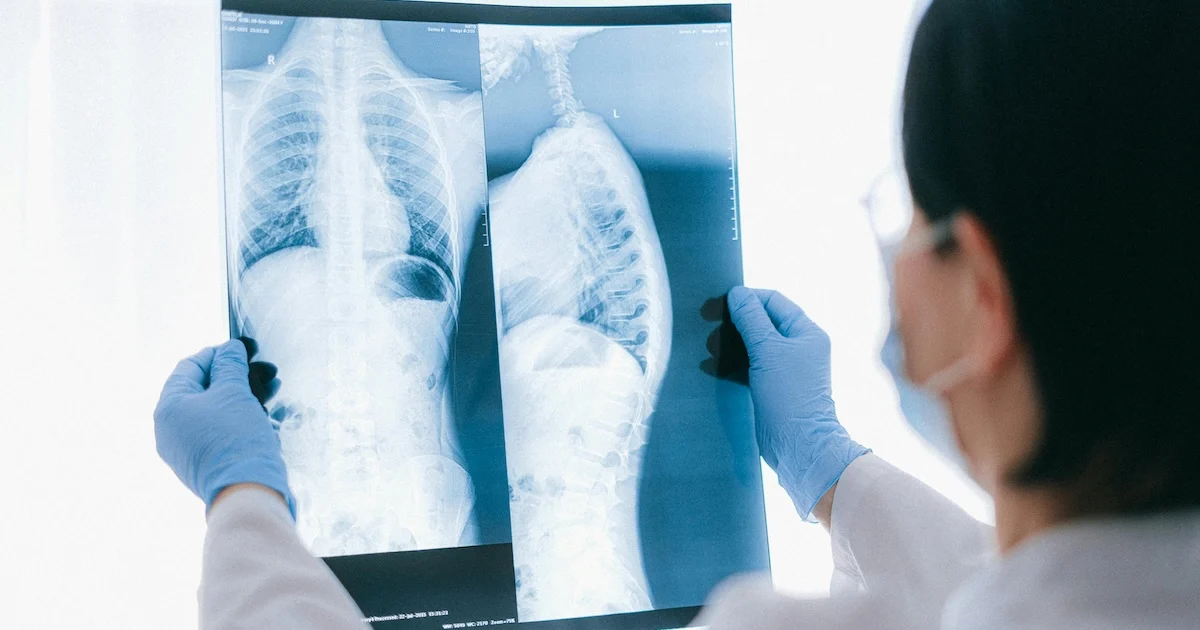
Singapore's SingHealth is collaborating with the Royal University of Bhutan to develop an AI-assisted chest X-ray model to support the diagnosis of lung conditions in rural hospitals. At a recent government-hosted AI conference in Singapore, Rahayu Mahzam, Minister of State for Health and Communications and Information, announced the two-year memorandum of understanding between SingHealth and the Royal University of Bhutan's Gyalpozhing College of Information Technology (GCIT). The organisations will also co-develop guidelines, educational programmes, and regulatory frameworks on responsible AI use in healthcare, "tailored to Bhutan's context," the minister said. WHY IT MATTERSSingHealth's AI Office director and associate professor Daniel Ting told Healthcare IT News that an existing medical imaging foundation model called MerMED-FM will be trained on data from Bhutanese patients "to reflect local disease patterns and population characteristics." The tool will be rolled out across Bhutan's Gelephu Mindfulness City Healthcare Hospitals, where it will support clinicians to detect lung diseases, such as infections and cancer, "more quickly and accurately" from chest X-rays."The focus on diagnostic imaging was to meet the needs of Bhutanese clinicians, especially in rural hospitals where geographical challenges and shortages of radiological expertise remain significant constraints," A/Prof Ting explained. SingHealth, he said, found a "natural partner" with GCIT. Co-developed by the SingHealth Duke-NUS Academic Medical Centre and A*STAR's Institute of High Performance Computing, the multimodal and multi-speciality model, MerMED-FM, can analyse a wide range of medical images and diseases. THE LARGER TRENDMinister Mahzam also mentioned another new MOU between Singapore General Hospital and A*STAR’s Diagnostics Development Hub on translational research. It currently supports projects such as the PENSIEVE-AI, an AI-powered drawing test for detecting pre-dementia in seniors. Meanwhile, in Singapore, SingHealth and NHG Health are currently implementing AI-based chest X-ray analysis software from Lunit via the AimSG programme. The Singaporean Ministry of Health has invested about $150 million to further scale AI technologies into national projects. These include generative AI to automate repetitive, time-consuming tasks and medical imaging AI, particularly for assisting with breast cancer detection. It is also exploring the potential application of agentic AI in healthcare. The Singaporean government, Minister Mahzam mentioned, has provided guidance, including the AI in Healthcare Guidelines and the Model AI Governance Frameworks, to help build a trusted ecosystem for AI adoption. "Trust, in AI and healthcare, is the foundation for patient safety," she stressed.
Singapore, Bhutan partner on rural chest X-ray AI
SingHealth and the Royal University of Bhutan will develop a chest X-ray model trained on Bhutanese data to help rural hospitals diagnose lung infections and cancer.
TL;DRAI
SingHealth and Bhutan's Royal University signed a two-year MOU to adapt MerMED-FM, a multimodal medical imaging foundation model, on Bhutanese patient data for chest X-ray lung disease detection in rural hospitals. For health tech leaders, this signals a replicable model for deploying foundation models in low-resource settings — fine-tuning on local disease patterns rather than building from scratch — backed by Singapore's $150M national AI healthcare investment.
387 words~2 min read