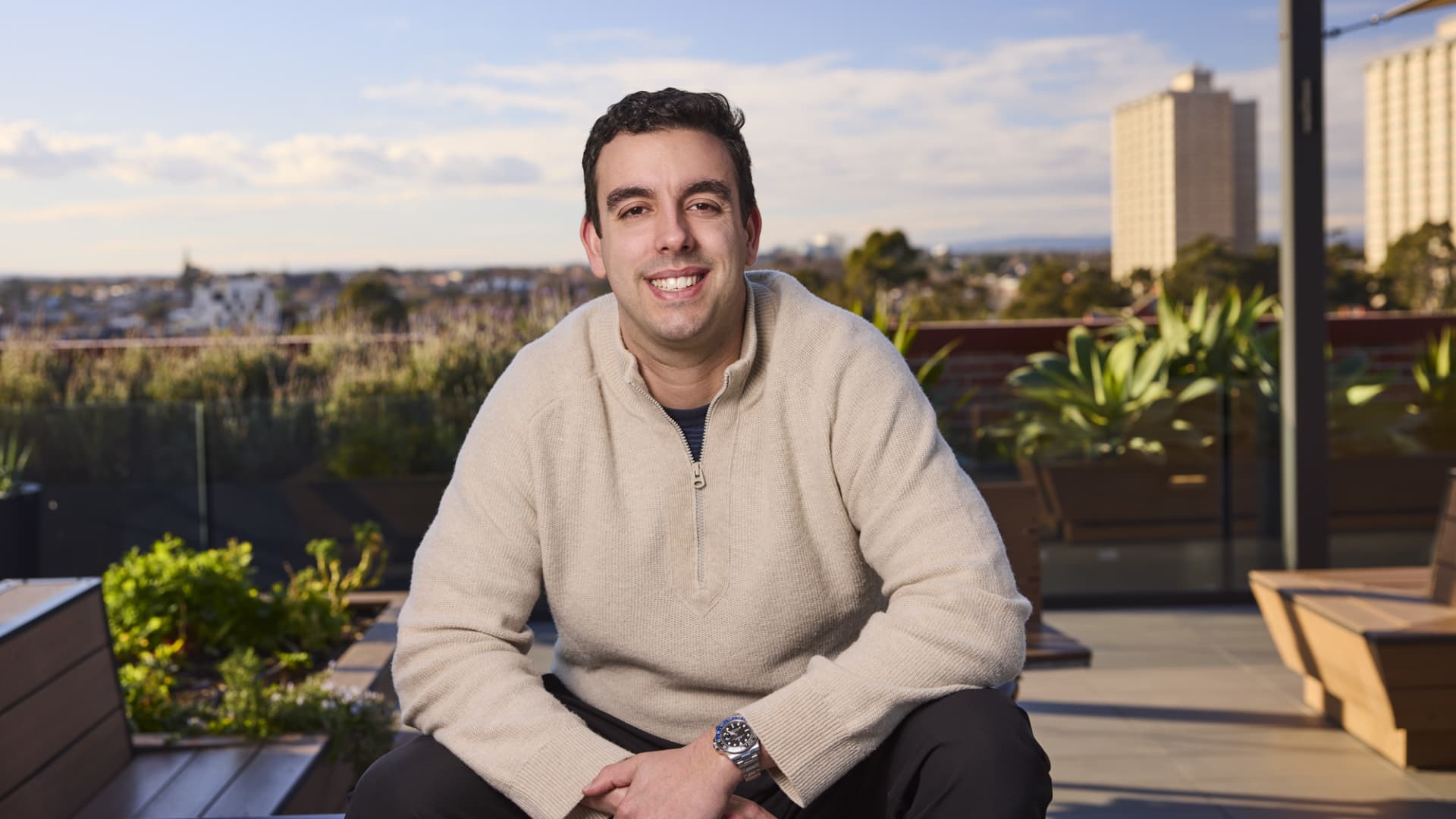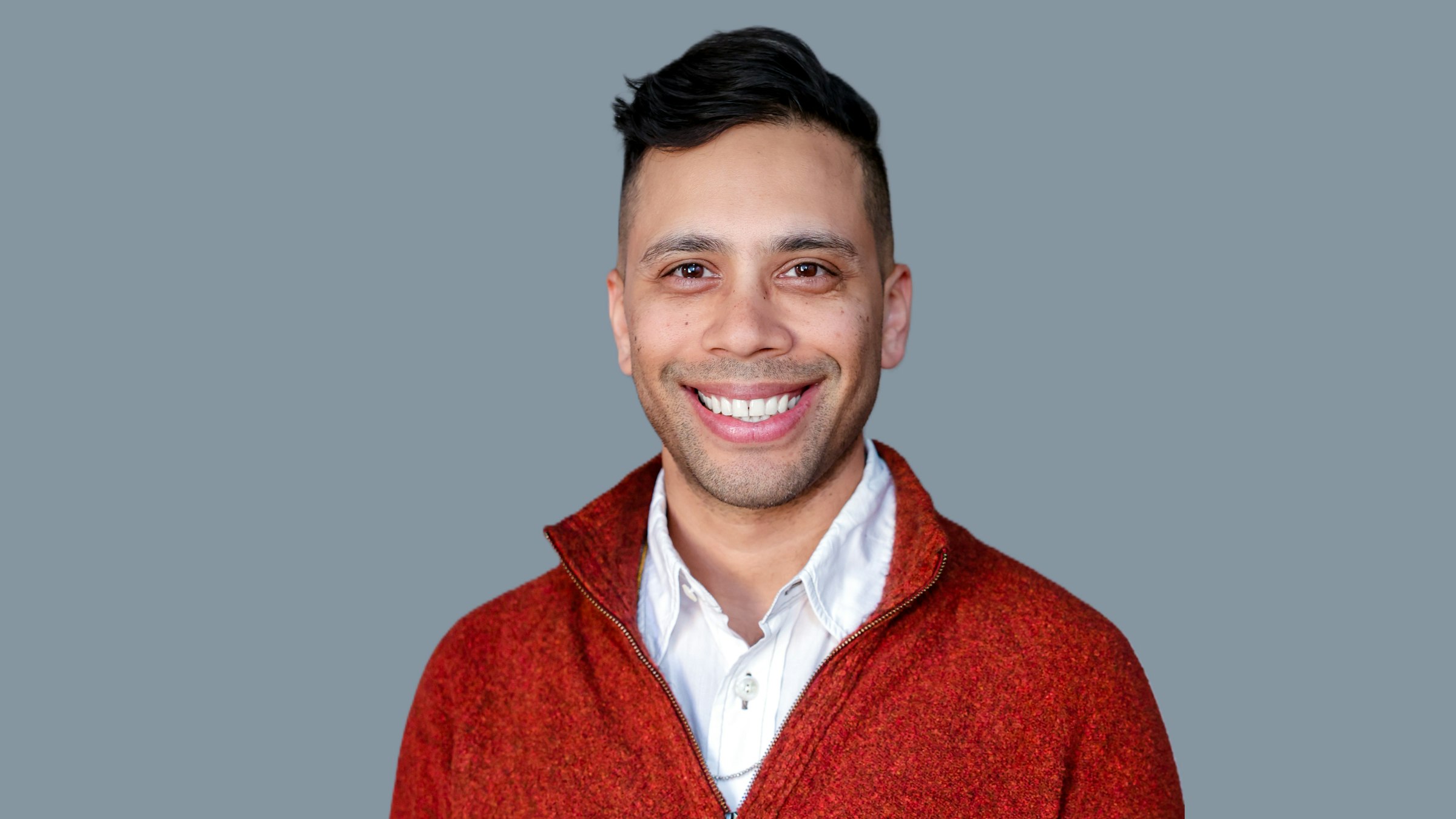
Aengus Tran traded medical practice to build AI software that delivers quick and accurate diagnoses of X-rays and scans. Now, the 32-year-old CEO of Sydney-based Harrison.ai and a 30 Under 30 Asia alum is targeting America’s overstretched healthcare system.While studying medicine in Sydney in 2015 with a view to specializing in cardiology, Aengus Tran did a two-month clinical placement in his native Vietnam that upended his plan. At the Tam Duc Cardiology Hospital in Ho Chi Minh City, the doctor-to-be witnessed first-hand how the short-staffed hospital struggled to provide timely diagnoses to its patients. For Tran, it was a moment of clarity that medicine “needs a system-wide change, one based on technology that can read scans and make diagnoses instantly…and is run so effectively and efficiently that it is available to everyone,” he says.With a mission to drive that change, he cofounded Harrison.ai, a clinical AI service provider, in 2018 in his final year of medical school with his older brother, Dimitry, then-head of innovation at Australian private hospital giant Ramsay Health Care. Using the country’s mature healthcare market as a testing ground, the pair developed AI software capable of analyzing chest X-rays and chest and brain CT scans, flagging critical cases and generating draft reports. The company says its software can cut diagnostic report turnaround times by up to 40% in time-critical cases and boost overall reporting speeds by 10%. As of May, Harrison.ai’s software was being used by 3,400 clinicians in over 1,000 hospitals and clinics in more than 40 countries. Its two biggest markets are Australia, where it says it serves half the country’s roughly 3,200 registered radiologists, and the U.K., where it assesses more than a third of all chest X-rays for NHS England, part of the U.K.’s National Health Service. It also has a presence across Asia and in Europe. Now Tran, 32, is targeting expansion in what he believes could become Harrison.ai’s biggest market, the U.S. “We’ve already built a very comprehensive AI that makes 455 different diagnoses and has been battle-tested,” says the 30 Under 30 Asia alum from 2020. “The U.S. is our next corridor.” The startup’s $112 million Series C funding round in February last year at an undisclosed valuation brought its total amount raised to more than $240 million and will be used to bankroll the expansion. Investors in that round included pension fund Aware Super and fund manager ECP Asset Management, both Australian, and Hong Kong’s Horizons Ventures, a VC firm cofounded by billionaire Solina Chau and backed by the territory’s richest man, Li Ka-shing.In May, Harrison.ai received another big-name backer when Hong Kong-based conglomerate Jardine Matheson, controlled by the billionaire Keswick family, agreed to acquire I-Med Radiology Network, which holds a minority stake in Harrison.ai, in a deal that puts I-Med’s enterprise value at $2.4 billion. The Australian diagnostic imaging provider, the country’s largest by number of clinics, bought its Harrison.ai stake in 2021.Harrison.ai generates revenue from the annual subscription fee paid by healthcare providers to access its platform, which is based on the expected volume of scans. When a subscribing radiologist opens an X-ray or CT scan using their usual software, Harrison.ai’s findings appear as an overlay that also prioritizes urgent cases.Track RecordSo far, Harrison.ai has raised more than $240 million* from VC heavyweights, including billionaire Solina Chau’s Horizons Ventures. *Excluding angel investors and grantsSource: Harrison.ai, CrunchbaseIn the year ended June 30, 2025, revenue from customer contracts jumped 54% from a year earlier to A$7.3 million ($5.1 million), according to a filing made by Harrison.ai to the Australian Securities and Investments Commission. It swung to a net loss of A$118 million in the same period from a year-earlier net profit of A$4.4 million. The company says the filing only provides “a partial picture” of its operations and declines to comment on the reason for the loss. Unfazed, Tran is forging ahead in what he believes is a burgeoning market. The shortage of radiologists he witnessed in Vietnam is a universal problem as aging populations put a strain on healthcare systems across the world. In the U.S., there are about 11 radiologists per 100,000 people, according to the American College of Radiology, while the Medical Board of Australia says the country has roughly 12 for every 100,000 people. In the U.K., meanwhile, a 31% shortfall of clinical radiologists results in long waiting times for patients, according to the Royal College of Radiologists. The shortage is just one factor driving demand for clinical AI services. San Francisco-based Grand View Research cites the increasing need for early and accurate diagnosis amid the mounting volume of imaging data being generated. The firm expects the industry to notch up a compound annual growth rate (CAGR) of 35% between 2026 and 2033 to top $20 billion, led by the U.S., which accounts for almost half the market and where 600 million medical imaging procedures are conducted yearly, according to Dublin-based Research and Markets. The country is already Harrison.ai’s third-largest revenue contributor, but Tran is aiming to make it the biggest by next year. Harrison.ai entered the U.S. in 2022, with Dimitry relocating to Cambridge, Massachusetts, to oversee the expansion as managing director, Americas. Since then, it has landed some key clients, including the Mass General Brigham healthcare system in Boston; Radiology Associates of North Texas, one of the nation’s largest private radiology practices based on number of radiologists; and Inland Imaging, a medical imaging provider headquartered in Washington state.“Other companies built AI that detects A, B or C while we have the A-to-Z detection system.”
Meet The Doctor-Turned-Entrepreneur Using AI To Save Lives
Aengus Tran traded medical practice to build AI software that delivers quick and accurate diagnoses of X-rays and scans. Now, the 32-year-old CEO of Sydney-based Harrison.ai and a 30 Under 30 Asia alum, is targeting America’s overstretched healthcare system.
2,459 words~11 min read