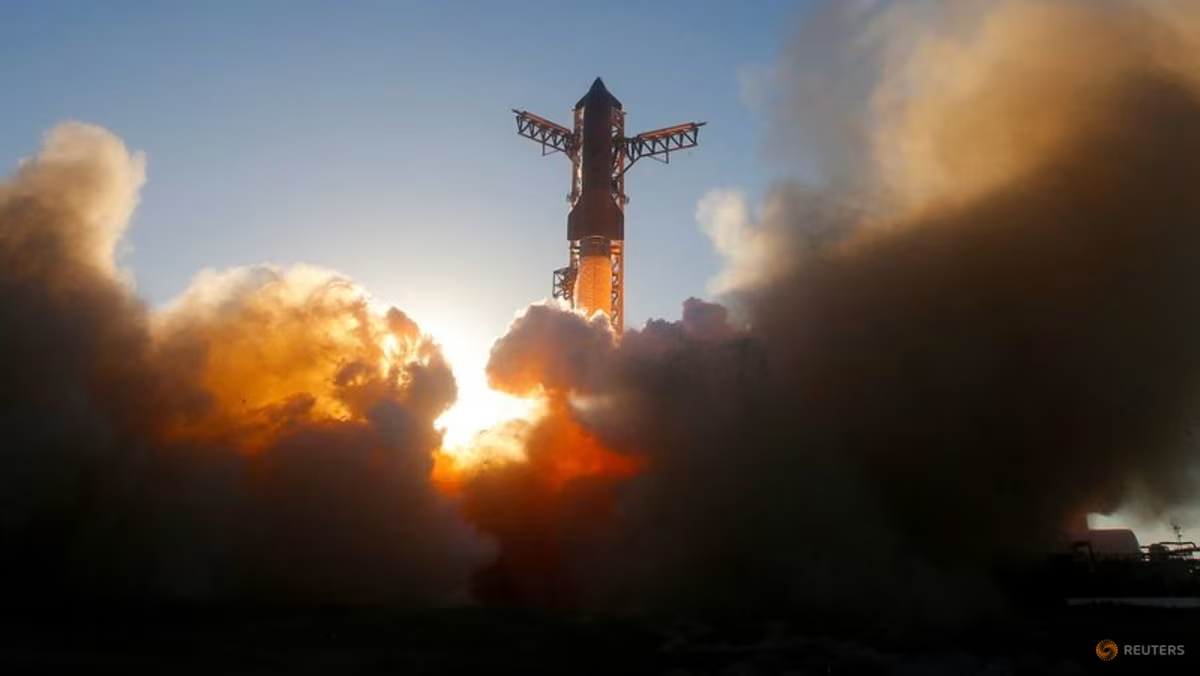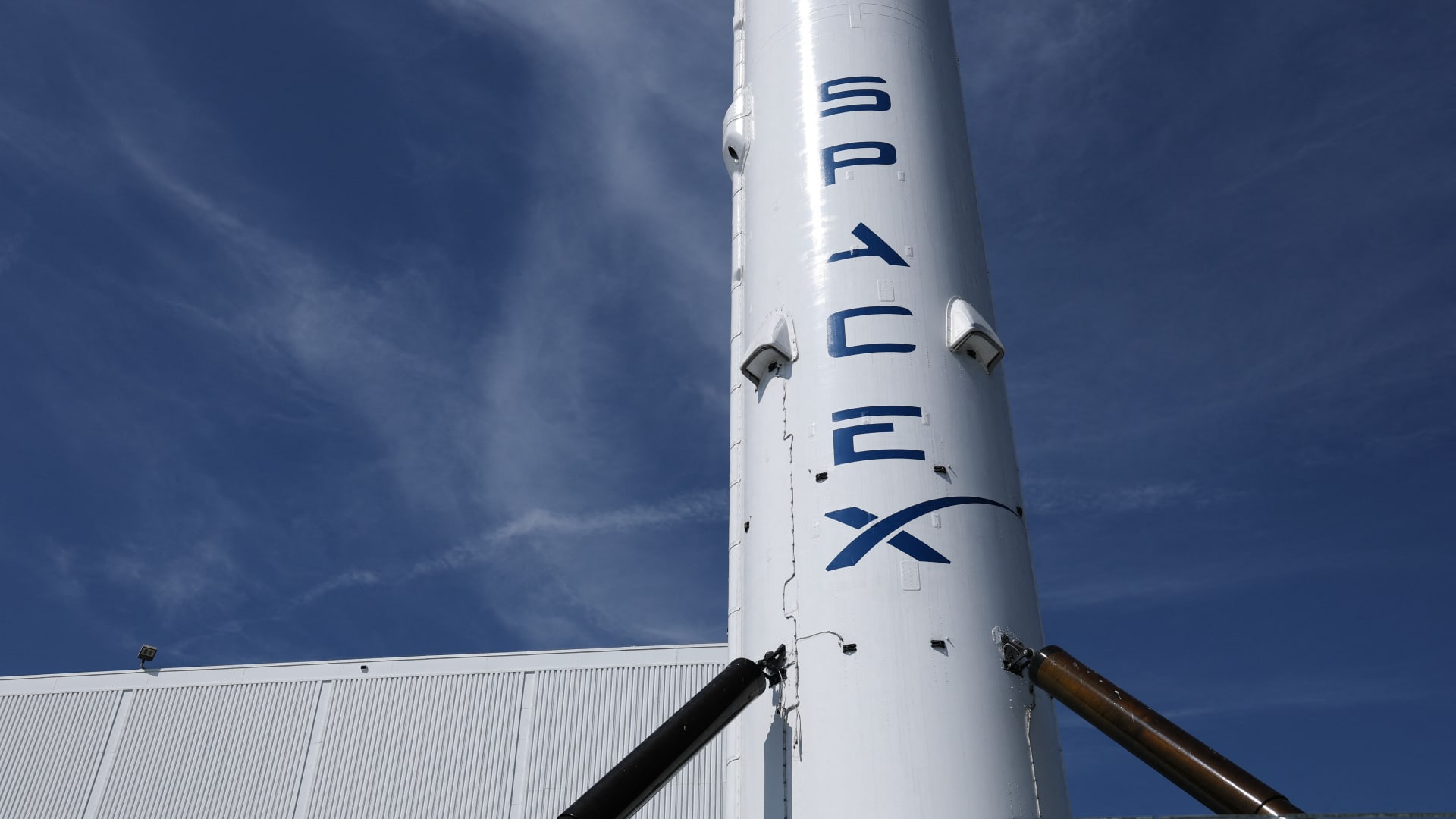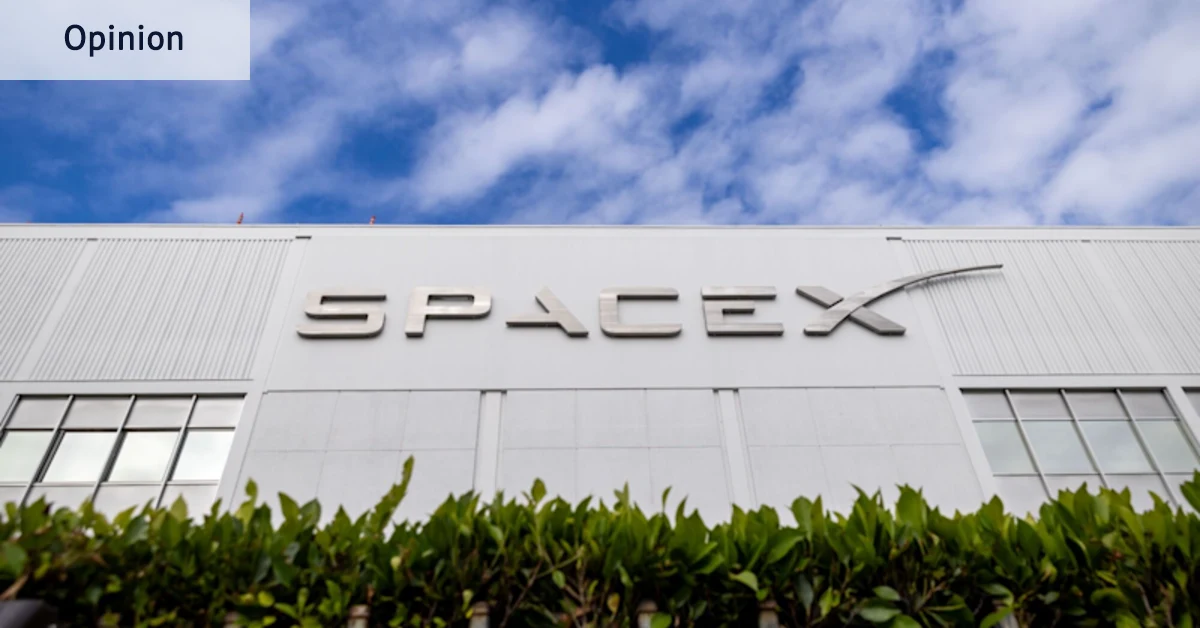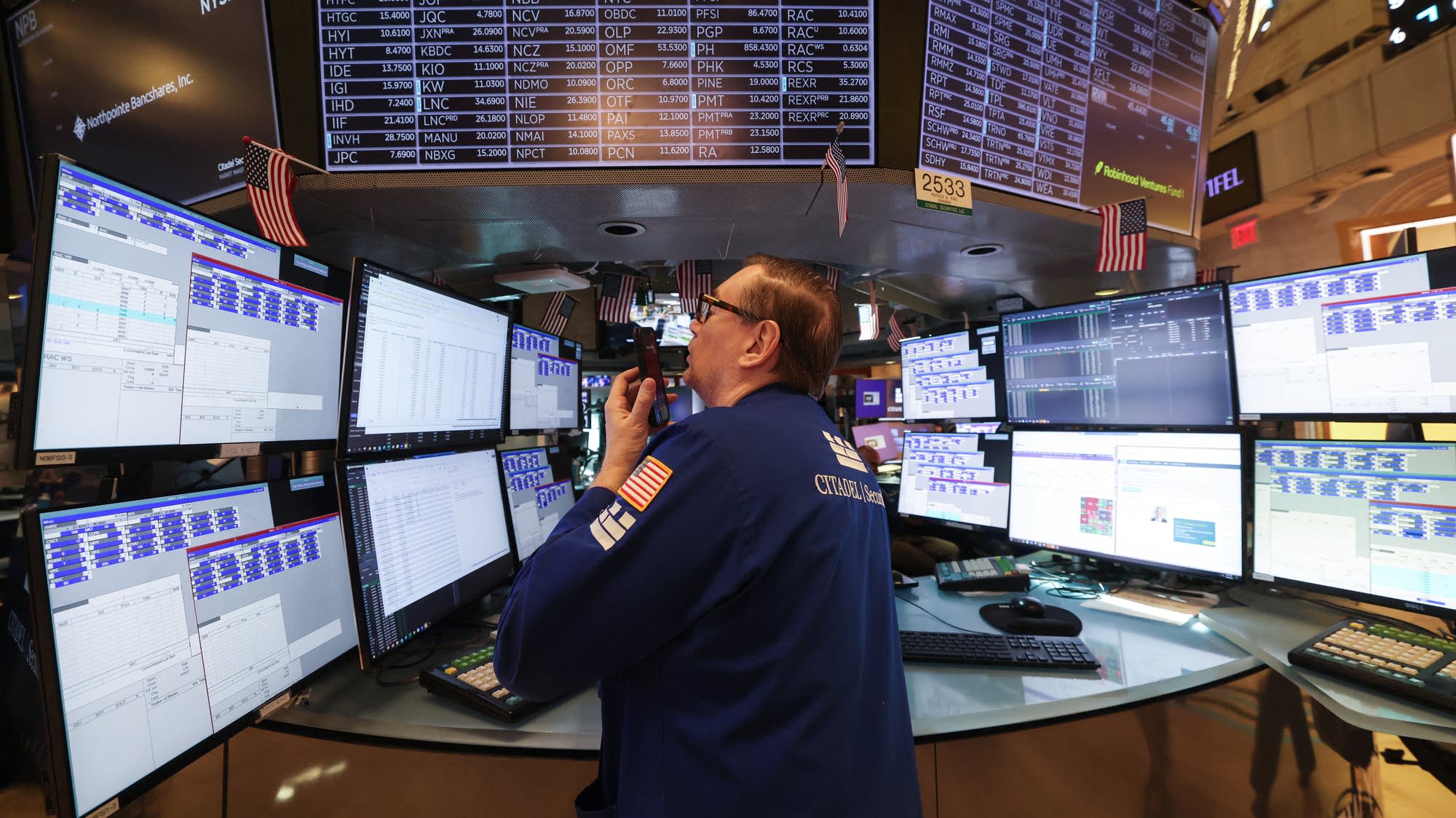
Shares in the Japanese investment firm SoftBank hit a record high this Memorial Day, exceeding the valuation of Toyota, thanks to reports that OpenAI — one of its biggest portfolio companies — is preparing to go public. The expected initial public offering filing from the ChatGPT-maker follows an out-of-this-world prospectus from SpaceX last week. It’s set to become the biggest public market debut in history, with an estimated valuation of $1.75 trillion. OpenAI and Anthropic, which is also predicted to go public this year, are both pushing trillion dollar valuations.Markets have never seen three IPOs of this magnitude in quick succession, and new rules on Wall Street mean index funds — the kind of investment that dominates American retirement funds — will be buying into these companies faster than ever before.Stock indexes like the Nasdaq or S&P 500 are just lists of top companies. There are trillions of dollars of investment that just track those lists. Each index has its own methodology for inclusion, like company profit levels or how many shares are available, said New York University finance professor Aswath Damodaran.“What do you do about inclusion criteria that are keeping out some of the largest companies in the market,” he said. Well, you change the rules. Several indexes are fast-tracking SpaceX so it will be included in a matter of days rather than months.“So you're going to see massive mandatory buying,” said Michael Monaghan at Founder ETFs.Index funds have to buy stock in proportion to a company’s size, no matter the price, Monaghan said. This passive investing has grown bigger than funds managed by investors who research companies and make active bets.“The index funds are going to set the price of SpaceX, and the active managers will be the price takers,” he said. “That’s unprecedented.”SpaceX and the AI companies will likely sell relatively few public shares at first, because the rest are locked up with private investors. As a result, competition will be fierce and the price is likely to spike, said Paul Kedrosky, senior fellow at the Massachusetts Institute of Technology’s Initiative on the Digital Economy.“It's kind of like that scene in ‘Oppenheimer,’ where you’re gonna set the atmosphere on fire,” he said. “The risk is it's a self-perpetuating process that has no natural limit.”The more the share price rises, the more index funds have to buy, driving the price ever higher and forcing the sale of other stocks to make room.
SpaceX, OpenAI, and Anthropic are all going public. Your retirement fund will have to buy in no matter the price
Three companies with trillion-dollar-plus valuations are expected to go public in quick succession. New rules mean major stock indexes are fast-tracking their inclusion, triggering mandatory buying from the index funds that dominate American retirement accounts.
404 words~2 min read