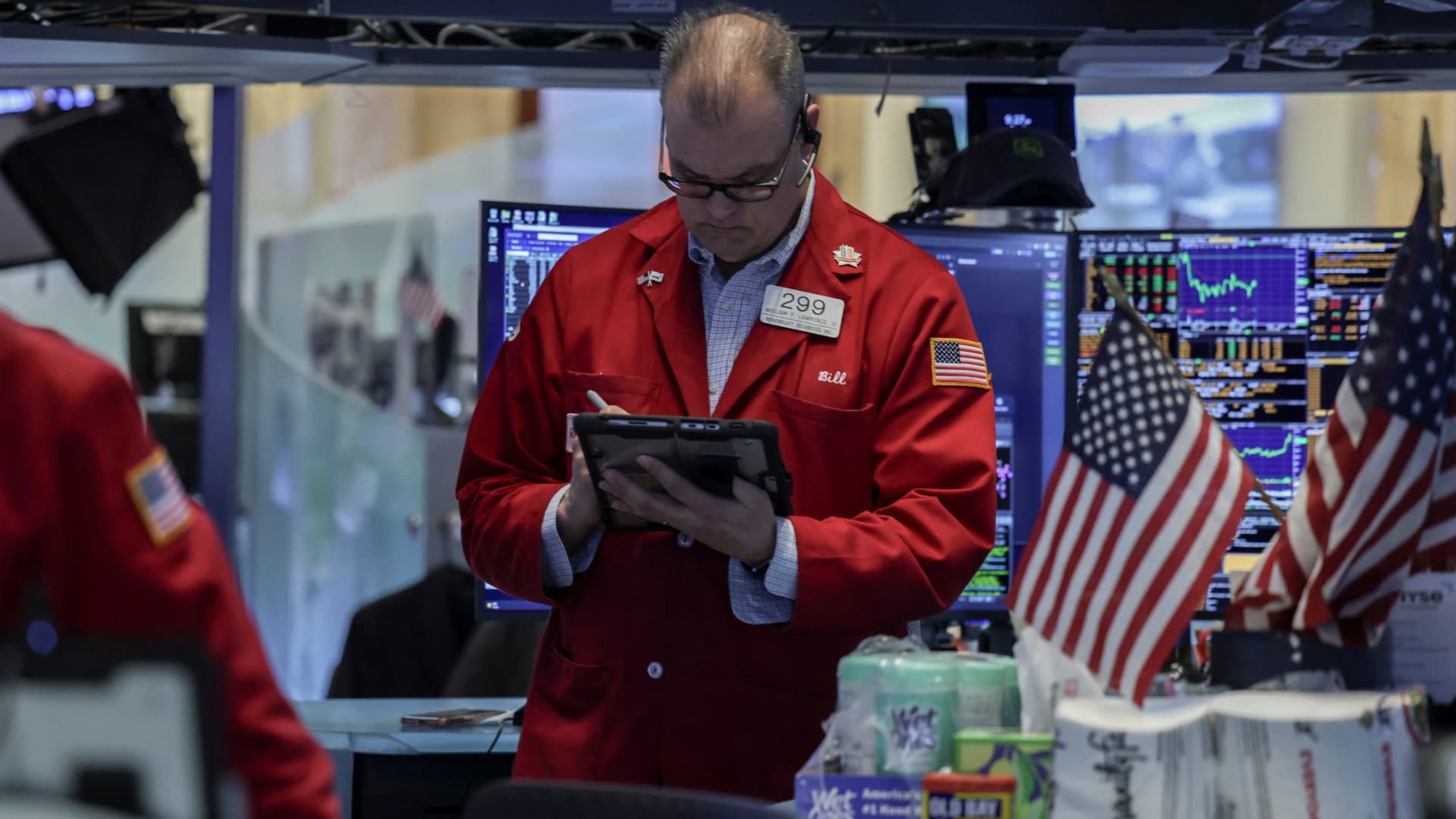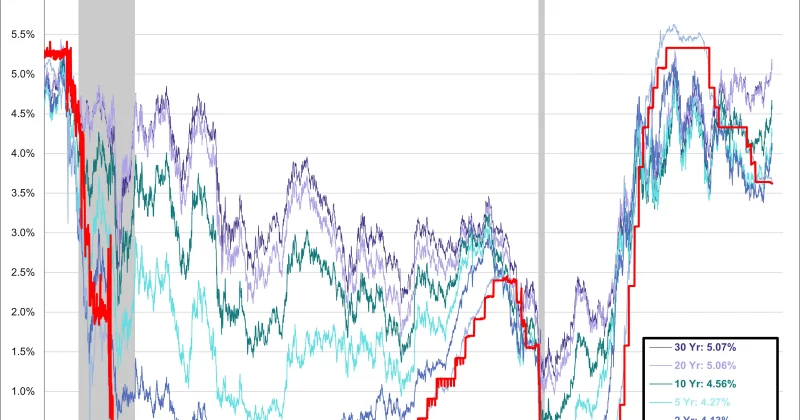
Kevin Warsh has been on the job for less than 24 hours, and bond traders are already repricing the future. The spread between the 10-year and 2-year Treasury yields dropped from 0.49% to 0.43% on May 22, a move that, in yield-curve terms, is the equivalent of the market clearing its throat and saying “buckle up.”
The narrowing signals something specific: traders believe the Fed under Warsh will keep short-term rates elevated for longer than previously expected. When that spread compresses, it typically means markets see less room between near-term borrowing costs and long-term growth expectations.
Day one of the Warsh era
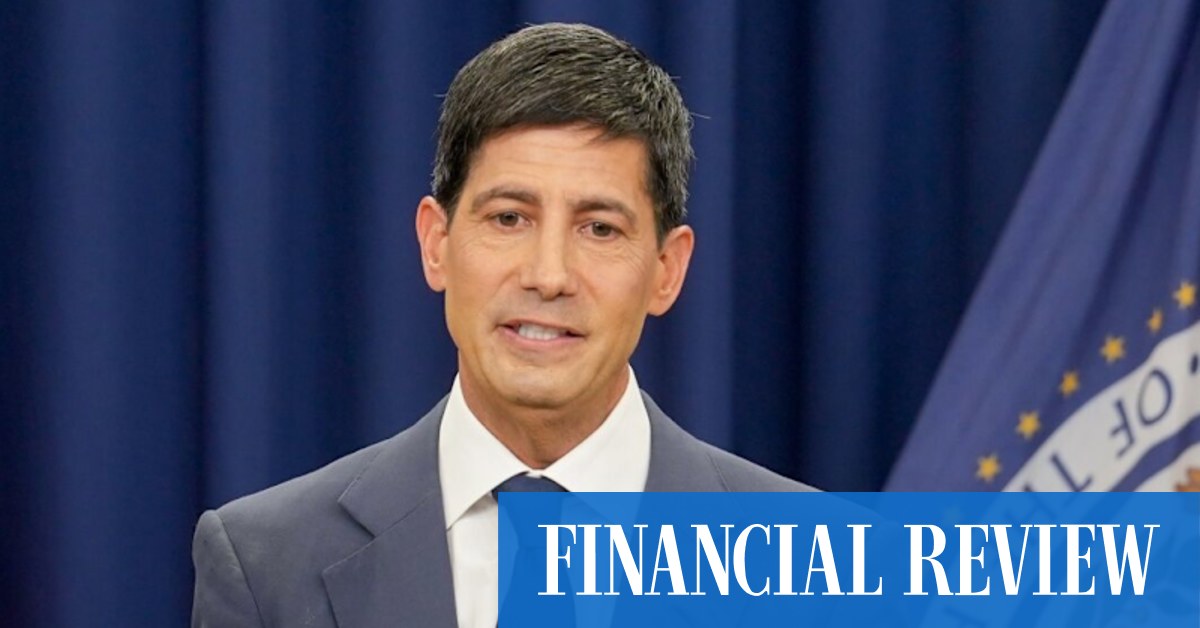
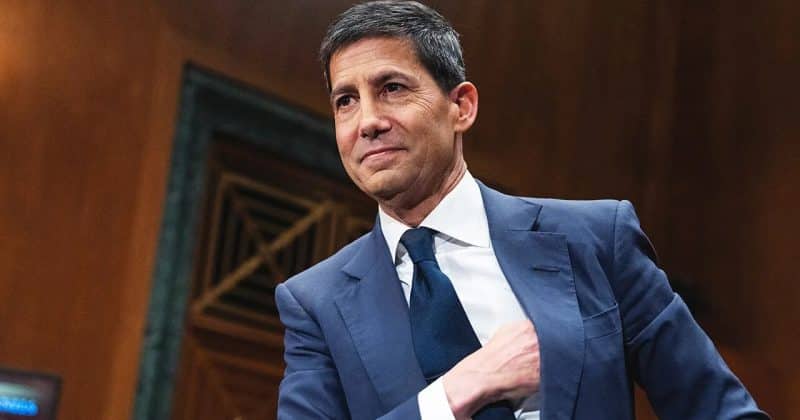
Warsh was officially sworn in as the 17th Chair of the Federal Reserve on May 22, 2026, after the FOMC unanimously selected him for the role. His Senate confirmation on May 13 was anything but unanimous, scraping through on a 54-45 vote that reflected partisan tension over his expected policy direction.
This isn’t Warsh’s first tour of duty at the Fed. He served as a governor from 2006 to 2011, a period that included the worst financial crisis in a generation.