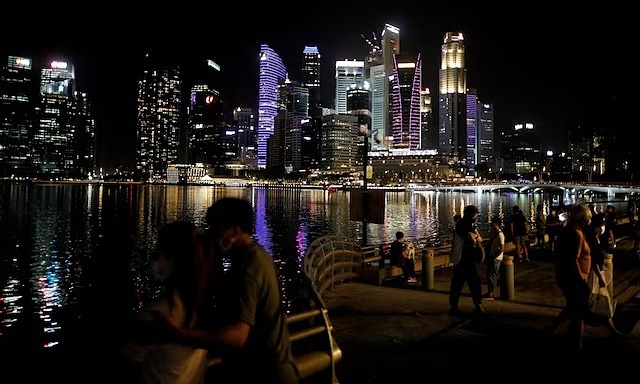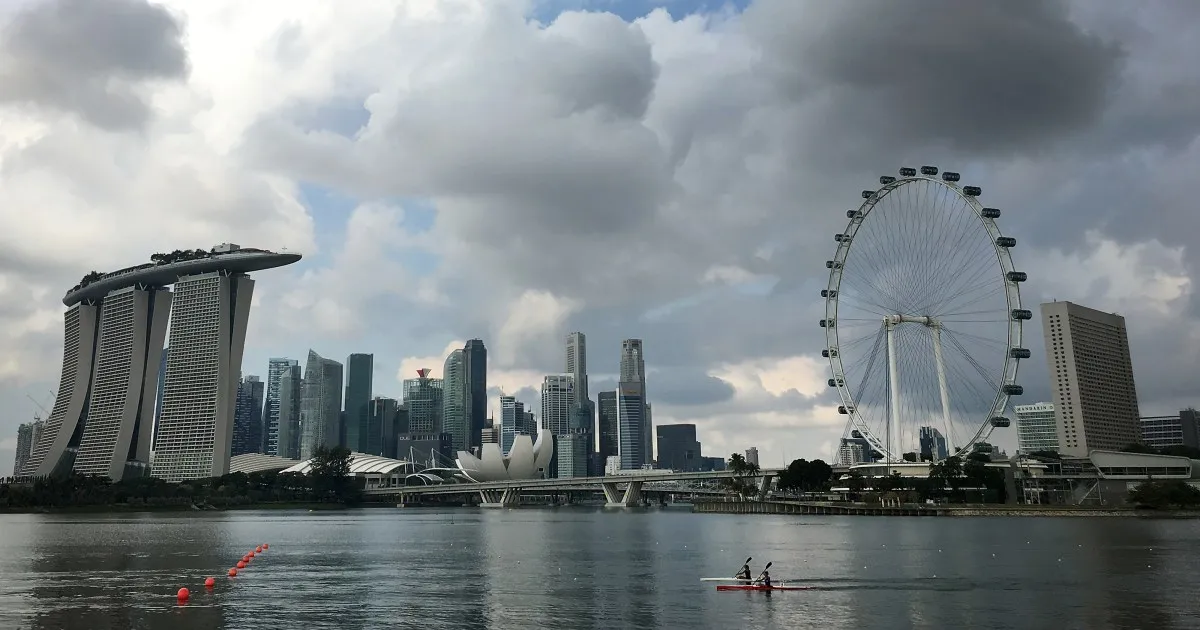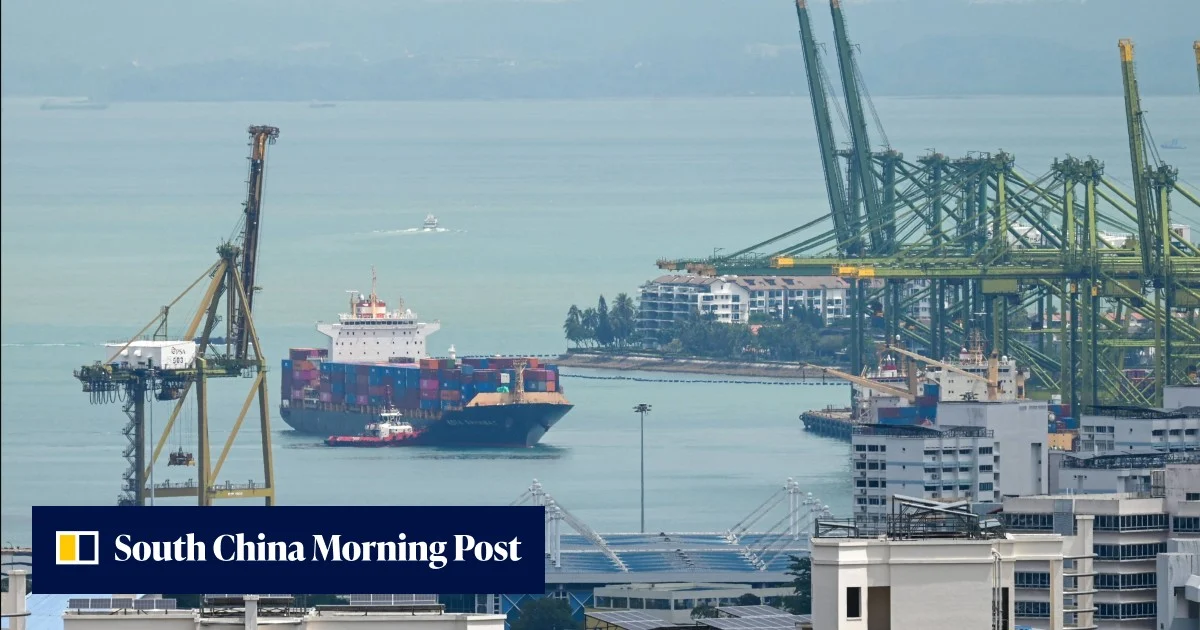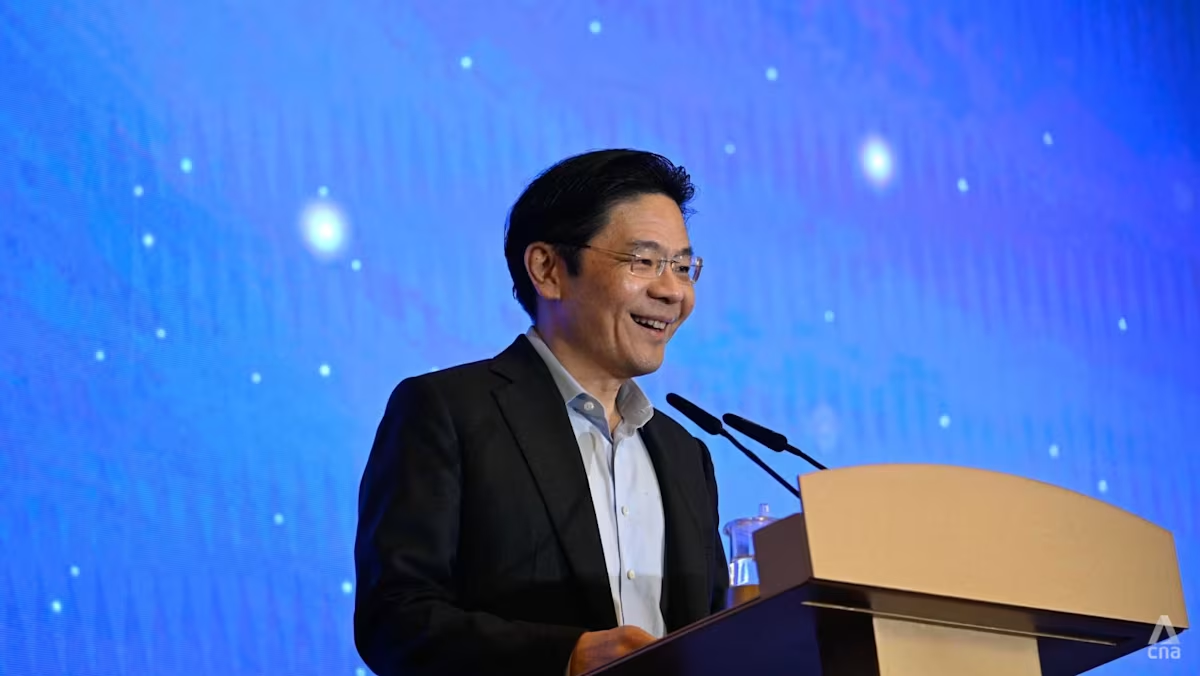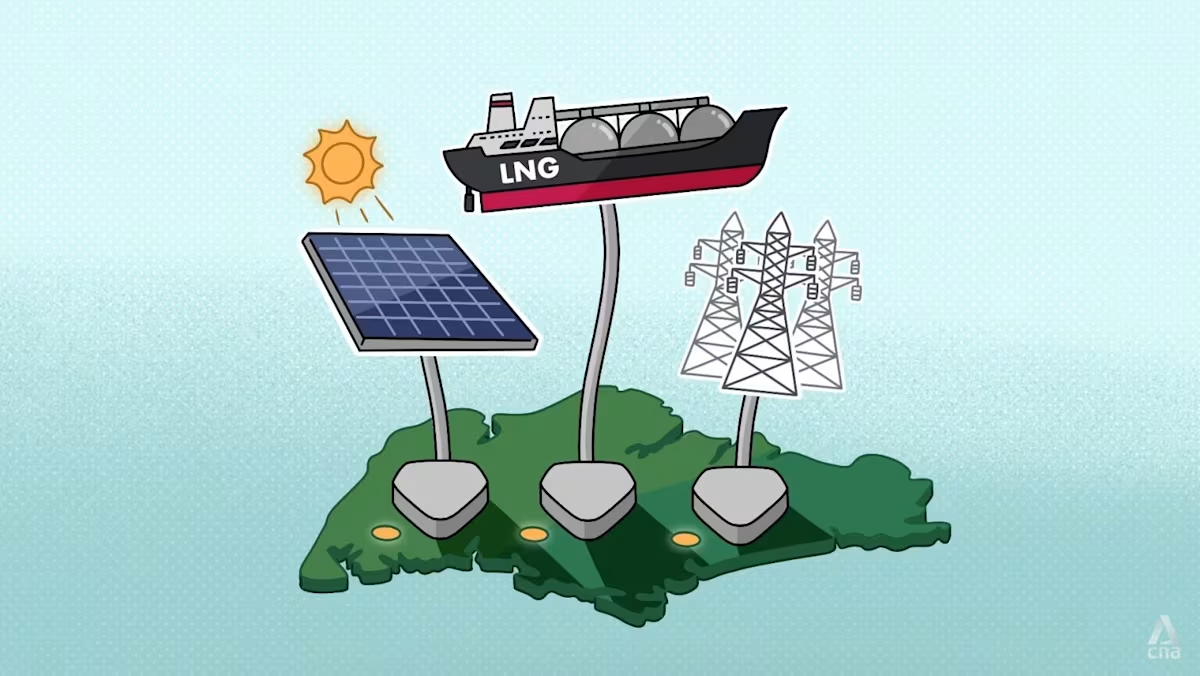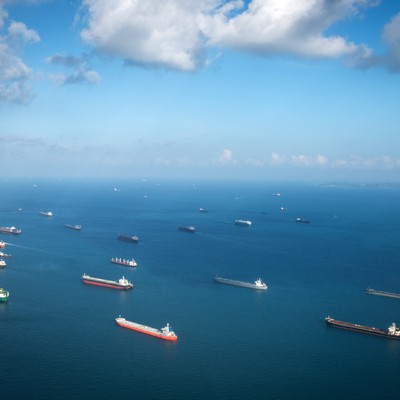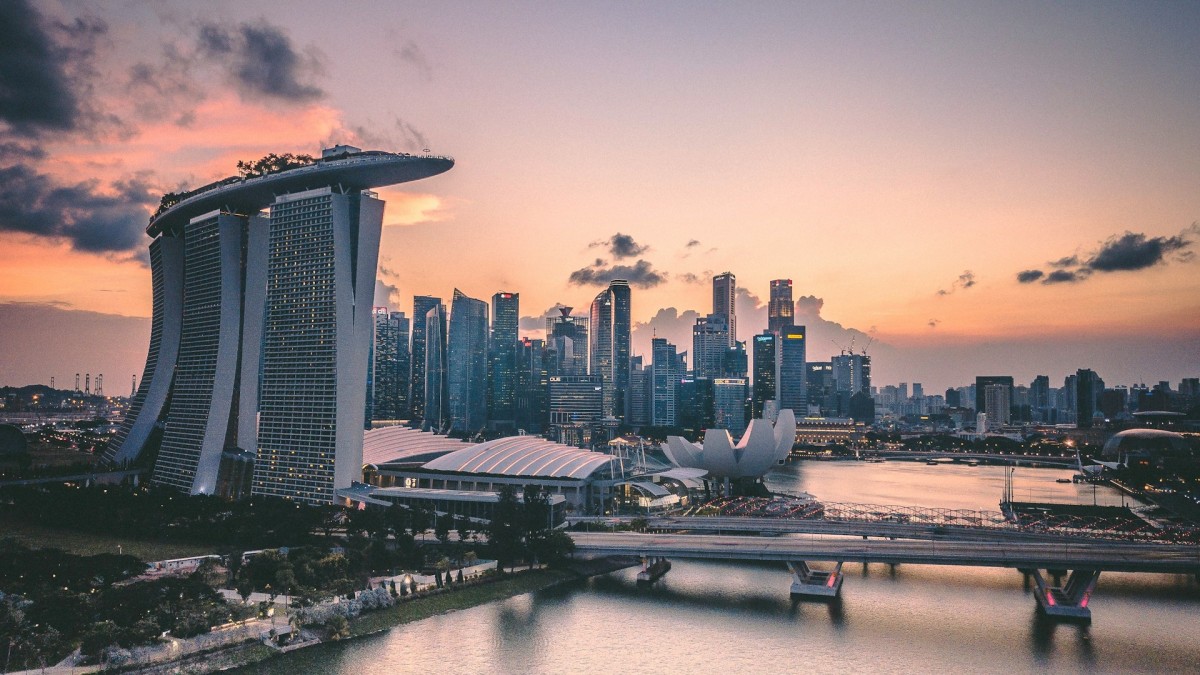
Next year, the United Nations will assess whether Singapore is ready to produce nuclear energy. The International Atomic Energy Agency will begin its review in 2027 in order to determine whether Singapore can make an “informed decision” on potentially deploying next-gen nuclear power as a part of its energy portfolio in coming years. The move comes at a time of enhanced international interest in nuclear power as a baseload clean energy alternative, as well as extreme turmoil in Asian energy markets as a result of the war in Iran and the closure of the Strait of Hormuz.This week, Singapore’s Ministry of Sustainability and the Environment announced in a press release that the assessment represents “a key milestone of Singapore’s nuclear capability building journey” but hedges that “Singapore has not made a decision on the adoption or deployment of nuclear energy.” Rather, the city-state wants to keep its options open for greater agility and diversity in future energy development.“We will continue to monitor global developments and work with international partners to build capabilities in nuclear safety and regulation, as part of efforts to study all potential pathways for decarbonisation,” states the press release. “Any decision to deploy nuclear energy will be carefully considered against its safety, reliability, affordability, and environmental sustainability in Singapore’s context.”This new interest in nuclear power comes at a time when Asian markets are reeling from skyrocketing oil and gas prices driven by the war in Iran, which has disrupted about a fifth of daily global oil shipments. This impact is particularly severe for Asia, which buys about 85 percent of the crude that typically flows through the Strait of Hormuz. In Singapore, 65 percent of the national energy mix comes from oil and gas, virtually all of which is imported. This leaves the tiny Southeast Asian nation in a highly vulnerable position.Set OilPrice.com as a preferred source in Google here.As a result, Singapore is scrambling to develop new energy sources. Nuclear energy may soon be one of these, but it’s just one of many options that the government is currently weighing. Solar power will likely be the largest growth sector for Singapore’s homegrown energy sector, as solar panels are cheap and easily deployed.“There is no single solution for Singapore, there is no silver bullet,” Prime Minister Lawrence Wong said in a speech on May 19. He went on to say that Singapore’s energy strategy has to be “more deliberate, more diversified and more forward-looking than before”.As a part of this new energy strategy, Singapore has started to import low-emissions electricity from nearby countries including Lao PDR and Malaysia. But experts warn that Singapore “cannot import its way to energy security”. Importing energy runs many of the same risks to market shocks that importing oil and gas does. In order to truly buffer the Singaporean economy from market shocks like the wars in Ukraine and Iran, the country must diversify its energy mix, with a focus on building up “indigenous sources.”“We cannot depend on any single fuel source, supplier or technology. We have to pursue multiple pathways at the same time – balancing security, affordability and sustainability,” Prime Minister Wong said at an Energy Market Authority’s (EMA) event.While it’s not a “silver bullet solution”, nuclear energy could be enormously advantageous for Singapore. Nuclear power is carbon-free, produces energy around the clock, and – most importantly for Singapore – it can be produced domestically and therefore boost energy autonomy and independence in a country that is currently crippled by its dependence on foreign energy sources. Plus, even though Singapore would have to import nuclear fuel, the price of uranium is historically idealistic and shock-resistant.However, Singapore’s tiny size and extreme population density raises some critical security concerns for hosting a nuclear power plant. Wong has publicly acknowledged that there is “no margin for error”. But Singapore’s size constraints are also what makes nuclear one of the island’s best options. The nation simply lacks the space for utility-scale solar farms, and lacks the wind speeds for wind power. The density of nuclear power, as well as its round-the-clock production, could therefore be a critical solution if the UN approves Singapore’s bid to become nuclear-capable.By Haley Zaremba for Oilprice.comMore Top Reads From Oilprice.comUkraine Hits 300,000-Bpd Gazprom Neft Refinery in Overnight Drone StrikeEuropean Gas Storage Can’t Survive 3 More Months of HormuzThe Iraq Sanctions Strike That Signals Washington’s New Middle East Playbook
Asia's Energy Crisis Is Pushing Singapore Toward Nuclear | OilPrice.com
Singapore has launched a UN nuclear readiness review set for 2027, as the Iran war and Hormuz closure push the island nation to rethink its energy future.
729 words~3 min read