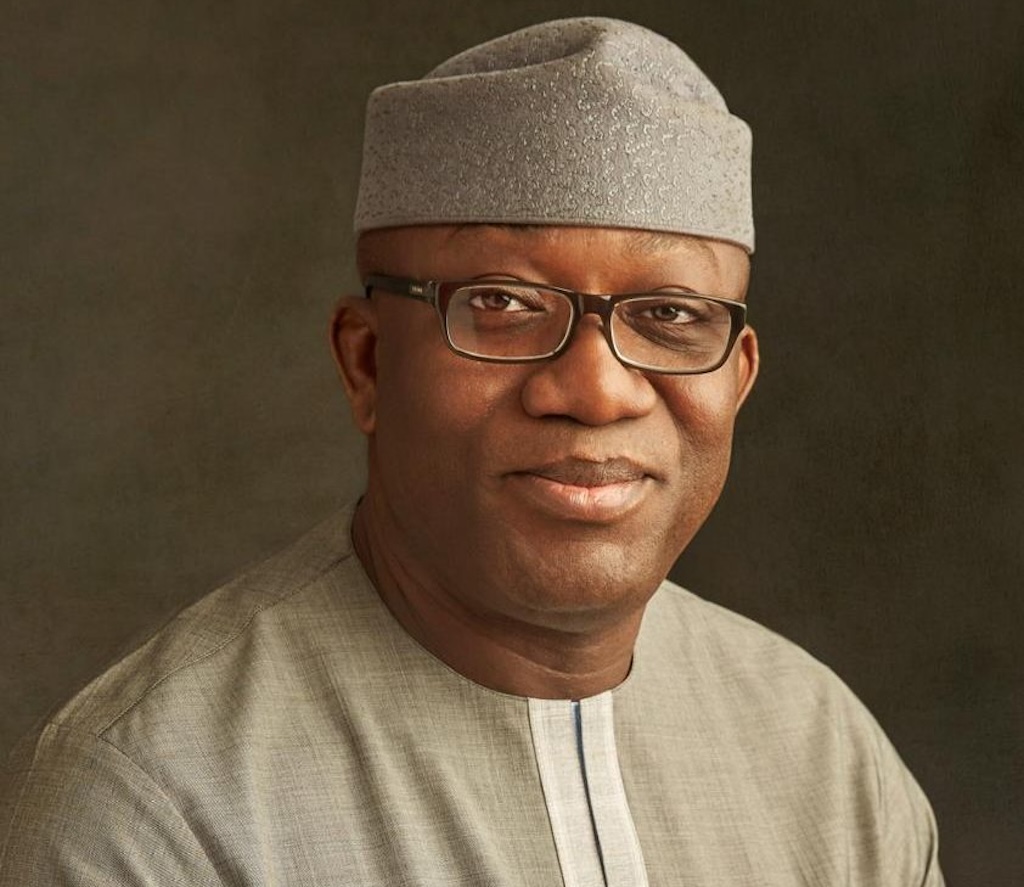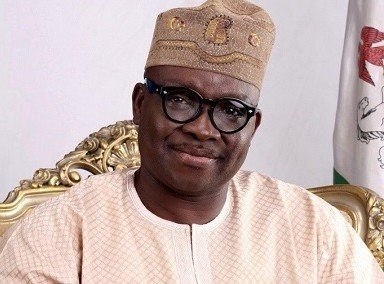
For those who lived through his tenure as Ekiti State governor, the cognitive dissonance was almost physically painful. His administration operated less like a democracy and more like a well-run fiefdom. Candidate lists for elective offices were drawn from the governor’s office, with the quiet efficiency of a procurement exercise. Loyal party men and women who had spent their own resources, sacrificed weekends and sleep, and earned genuine grassroots support in their constituencies were discarded.
There is a prayer point many Nigerian politicians have conspicuously omitted from their devotionals: Lord, may I never invest in a political associate who will turn coat and spend the rest of his days trying to dismantle everything I built.
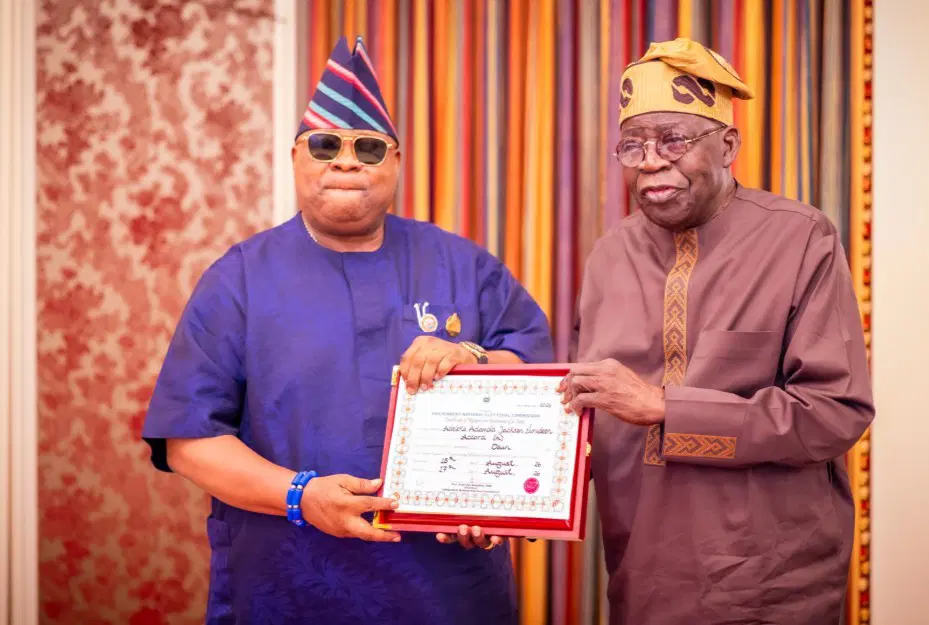
Asiwaju Bola Ahmed Tinubu, now President of the Federal Republic of Nigeria, clearly never said that prayer before he threw his considerable weight behind Kayode Fayemi’s political ascent.
Their bond was forged in the crucible of exile. When the annulment of Chief MKO Abiola’s June 12, 1993 presidential mandate ignited a resistance movement, Tinubu and Fayemi were among those who refused to look away. Tinubu provided the funding; Fayemi and other foot soldiers implemented the strategies. It was the kind of shared sacrifice that creates bonds that men carry to their graves, or so one would think.