Adedayo Oketola, the Chief Press Secretary and Media Adviser to the Chairman of the Independent National Electoral Commission, speaks on the June 20 Ekiti State election, lessons learnt from previous polls in the Federal Capital Territory (FCT), Abuja, and Anambra State, among others. Sunday Ehigiator brings the excerpts:
How do you measure the success of the Ekiti election?
The Ekiti State Governorship Election on June 20, 2026, marks the third major off-cycle election successfully delivered under the leadership of our Chairman, Professor Joash Amupitan, SAN. This follows the successful conduct of the Anambra State Governorship Election on Saturday, November 8, 2025, and the FCT Area Council Elections on Saturday, February 21, 2026. Alongside the Ekiti poll, we also successfully conducted six concurrent legislative by-elections in Ondo, Nasarawa, Kano, Rivers, Kebbi, and Enugu on the same day. With 1,059,360 total registered voters and an impressive 1,028,929 Permanent Voter Cards (PVCs) collected, the Ekiti poll has been generally adjudged peaceful, transparent, and credible.
What were the logistics in place before Election Day that you believe helped in the conduct of the poll?
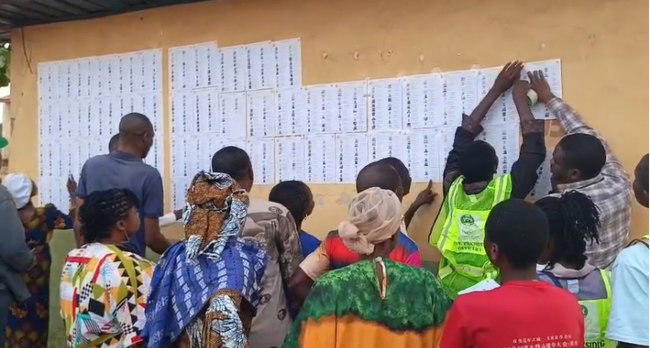
Before Election Day, the Commission made a commitment to simultaneously activate all 2,445 polling units in Ekiti at exactly 8:30 a.m. The Chairman always says that an election is only as good as its logistics, which is why he aggressively overhauled the Commission’s logistics framework upon assuming office. That strategic review paid off beautifully in Ekiti. Thanks to the early morning deployment of men and materials, over 93 per cent of the polling units opened and commenced accreditation strictly by 8:30 a.m. The BVAS devices performed optimally across the state and accreditation was seamless. We also recorded exceptionally swift, transparent result uploads to the IReV portal. Remember that elections cannot be truly credible if voters, observers, and electoral officials operate in an atmosphere of physical intimidation, fear, or violence. In Ekiti, security agencies, under the Inter-agency Consultative Committee on Election Security (ICCES), provided the right environment that allowed voters to exercise their franchise without fear.