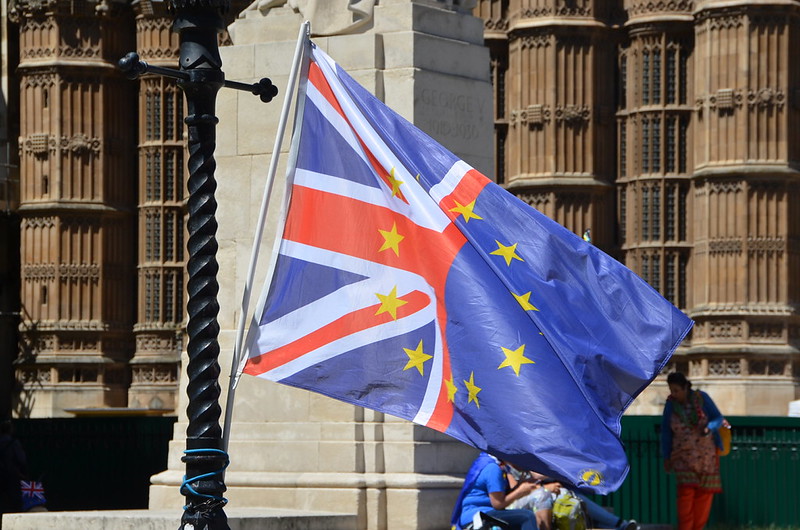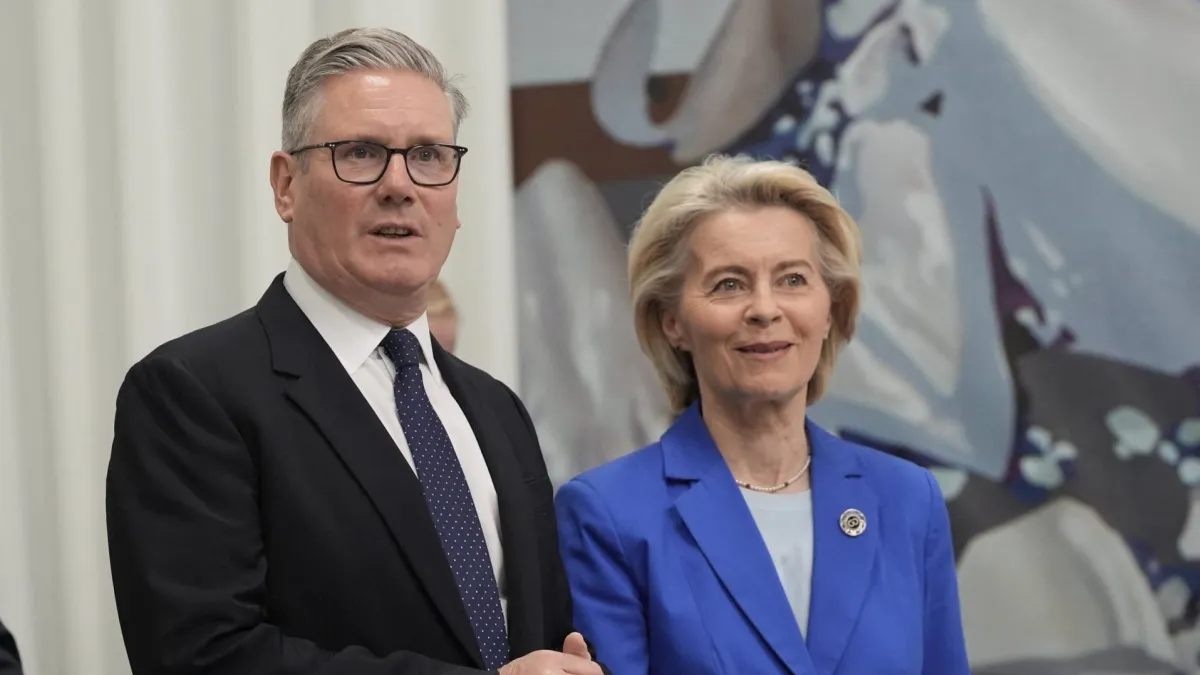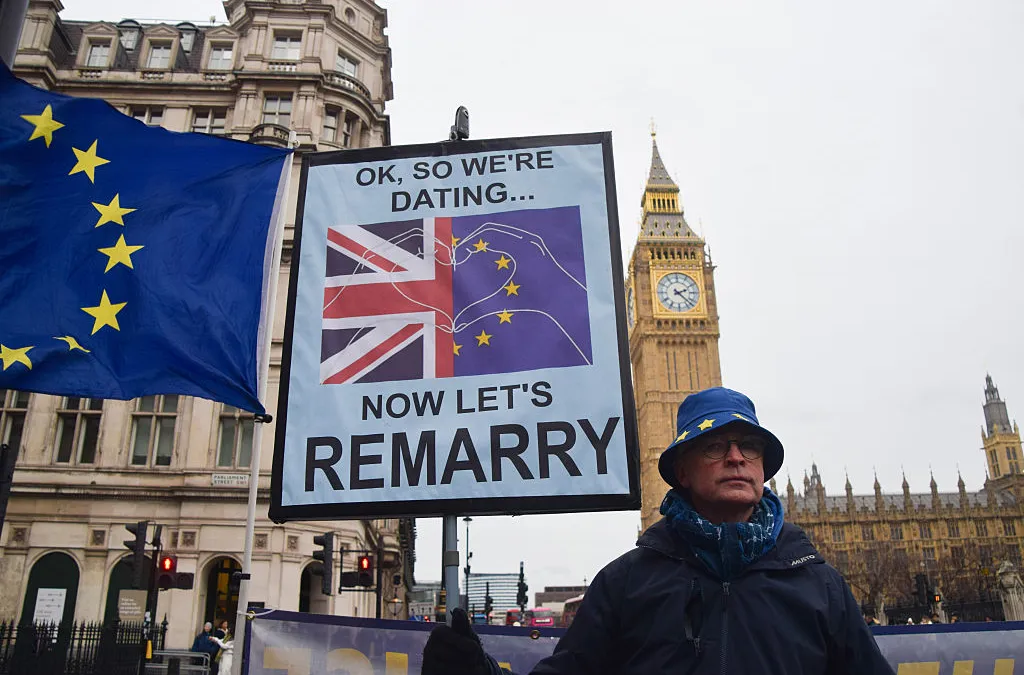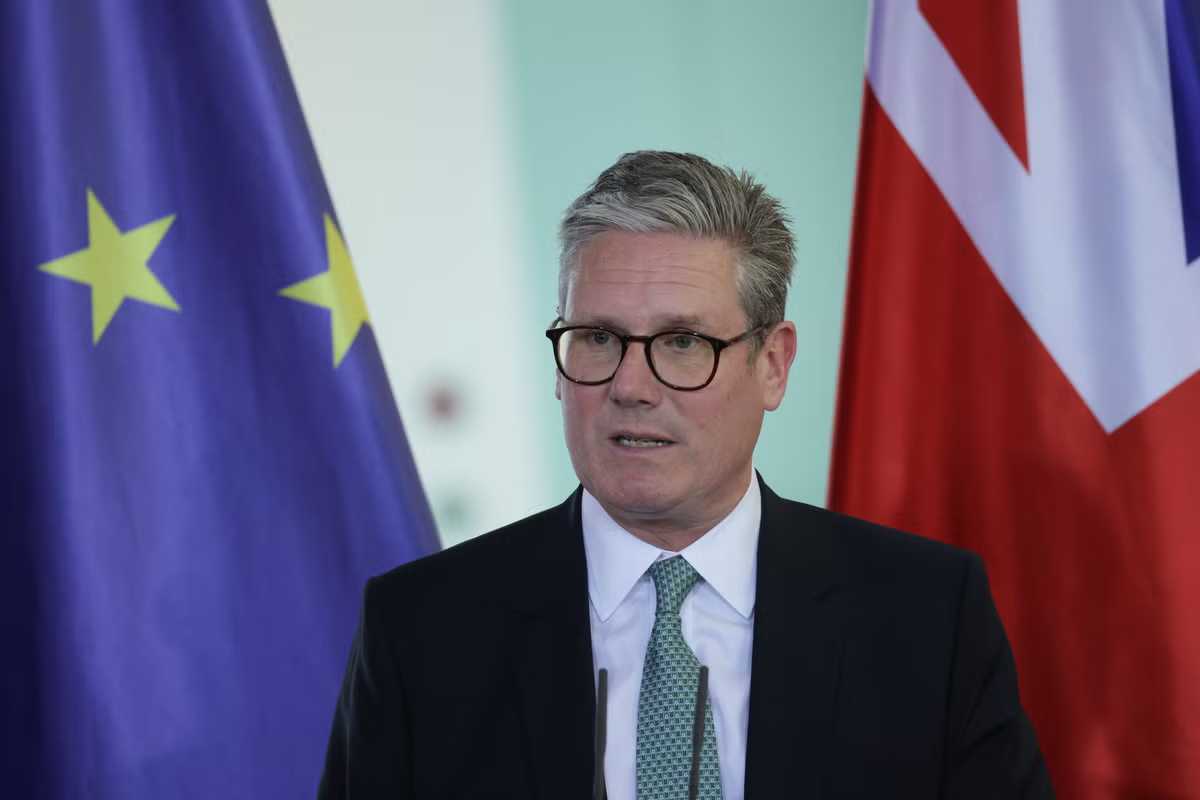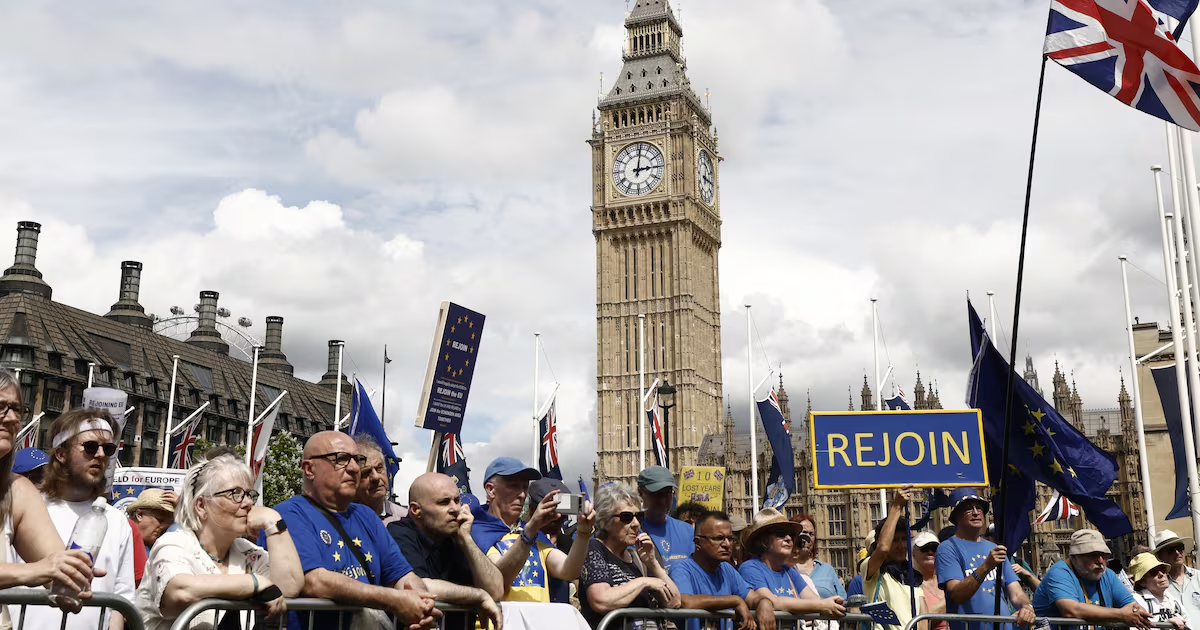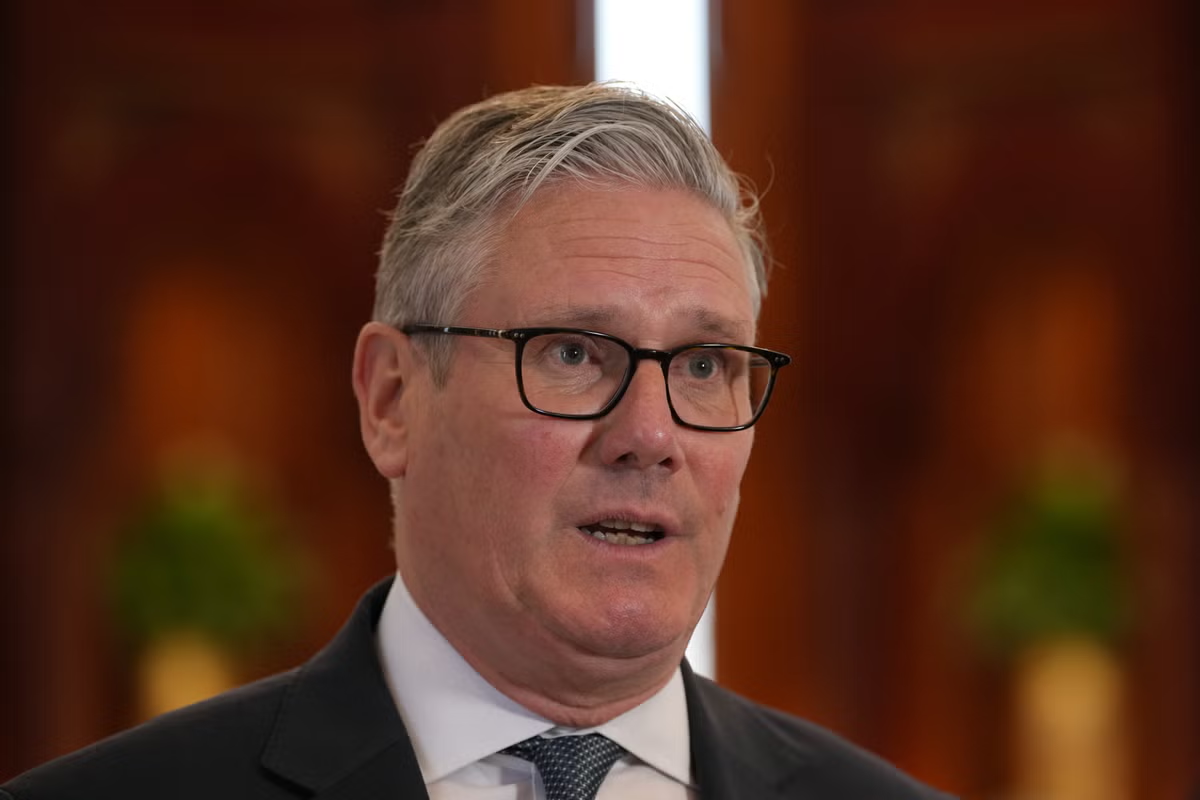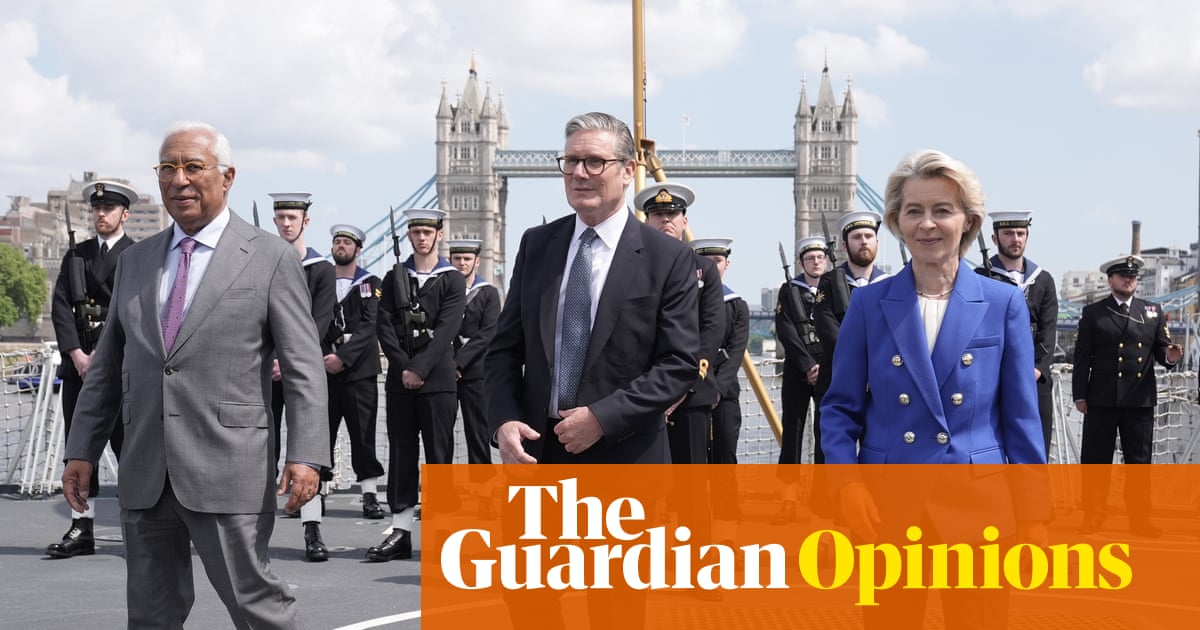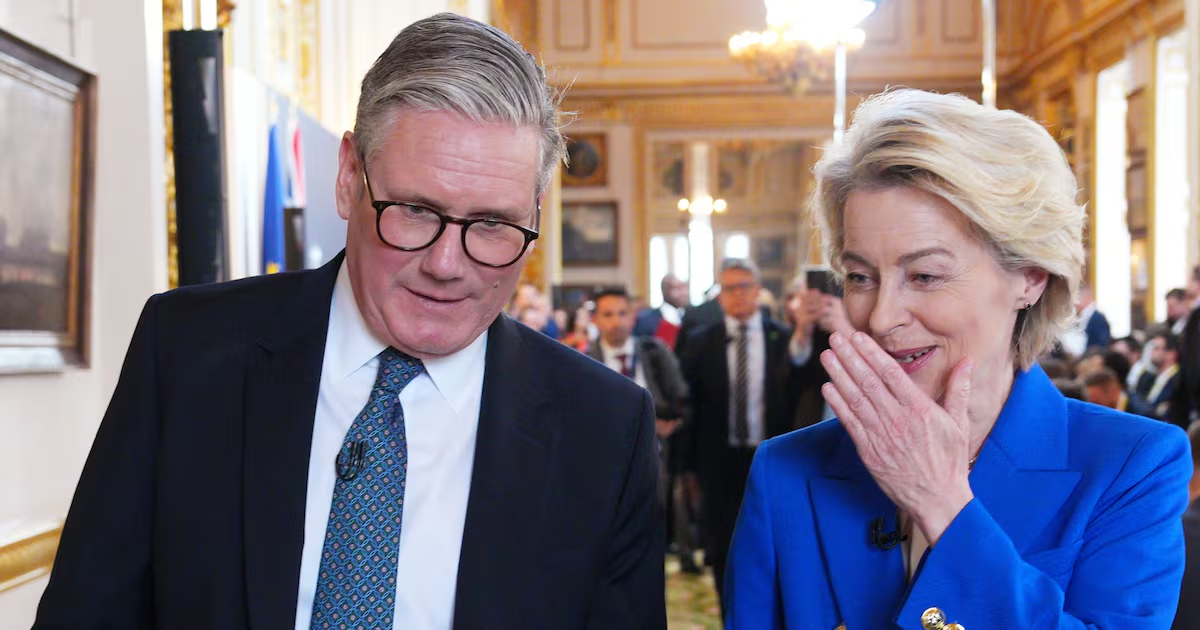
The British prime minister and his putative leadership challengers are campaigning on the issue of the shape of future ties between the EU and UK. The rationale for closer ties is economically compelling, but they are likely to find it difficult to make significant progress. The EU remains a thorny political issue in post-Brexit Britain and Brussels remains cautious and suspicious amid divisions on the issue between member states.UK prime minister Keir Starmer has said that he wants to put the UK “back at the heart of the EU”. The political calculation behind this move is obvious. Nigel Farage’s Reform Party made significant gains in the recent local and regional elections. The only consistent policy platform in Farage’s entire political career has been his implacable opposition to the EU.According to opinion polls, a slim majority of Britons favour rejoining the EU on the basis that Brexit has failed to deliver any of the benefits promised before the referendum. But that does not mean it is likely to happen. While Wes Streeting, the former health secretary and one possible challenger to Starmer, has upped the ante by pledging to work to take the UK back into the EU, Andy Burnham, rowing back on previous comments, said he would not try to do so. Burnham is to fight a byelection to try to get back to the House of Commons so that he can challenge Starmer. Starmer has called for a “major reset” in relations with the EU, but in public has so far ruled out rejoining the Single Market and Customs Union. However, reports at the weekend said that UK negotiators had raised the possibility of UK membership of the single market for goods ahead of a summit between the two sides in July. EU negotiators rejected this, though left the way open for continuing existing discussions on food, farm products and energy.There are barriers to progress on both sides. In the UK, Brexit remains hugely divisive. It is opposed by Nigel Farage’s party, which campaigns on the fiction that Brexit was never properly enacted. In reality, Brexit has cost the UK economy more than even the most pessimistic forecasts prior to the 2016 referendum. Discussions on the issue often fail to consider the EU’s attitude. While there is support in some countries for the UK moving closer to the EU, the issue is complicated by suggestions that London could get an overly favourable deal and by sensitivities in relation to other non-members such as Norway and Switzerland. There are also fears in Brussels about what would happen if Farage won the next election.The EU should be prepared to go the extra mile, if there is willingness in London. But the likelihood is that EU/UK relations will now be characterised by lengthy and slow-moving negotiations rather than any great leap forward.
The Irish Times view on EU/UK relations: no easy way to undo Brexit damage
The EU should be prepared to go the extra mile, if there is willingness in London.
TL;DRAI
UK PM Starmer is pushing an EU/UK reset; negotiators reportedly raised single-market goods access ahead of July's summit, a proposal Brussels has already rejected. Tech operators should expect UK-EU compliance divergence to persist — no regulatory re-alignment is imminent, with negotiations set to remain slow-moving.
470 words~2 min read