Labour now wants to use the damage from Brexit to combat the threat of Nigel Farage, but the union has bigger fish to fry
A
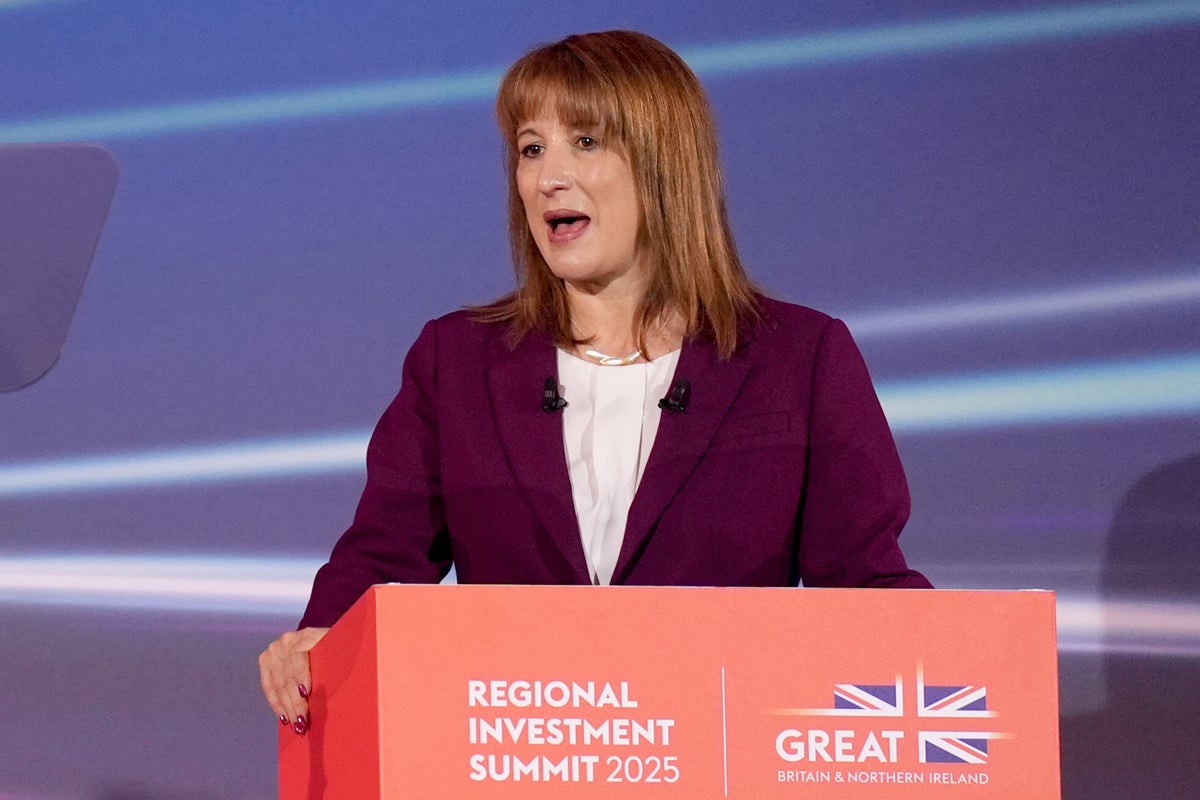
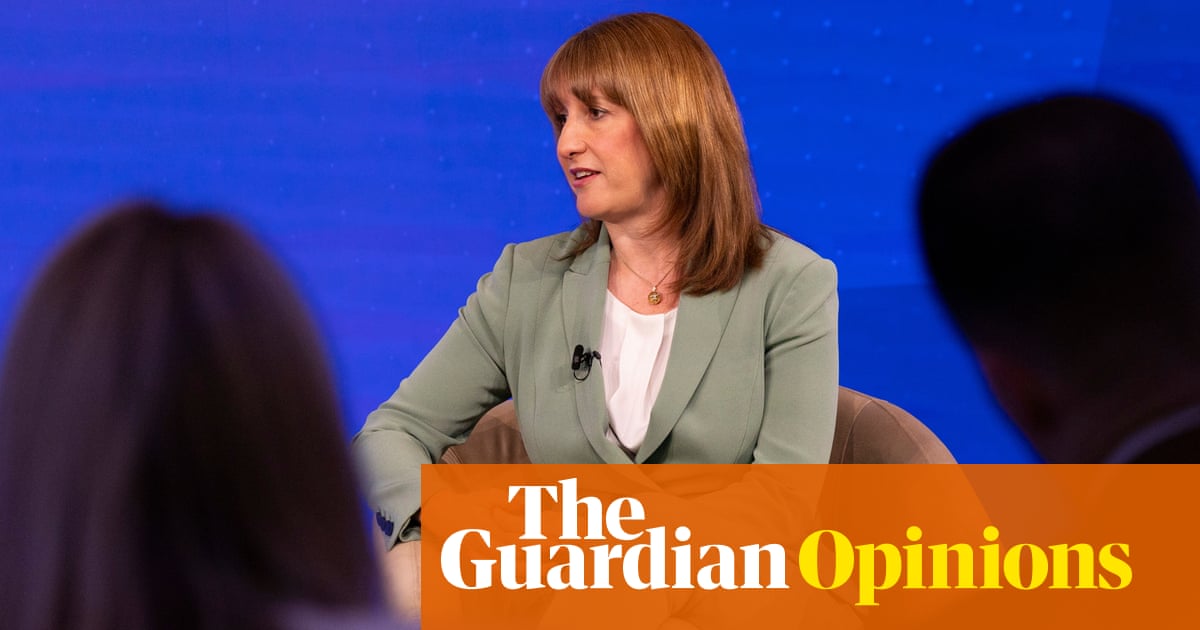
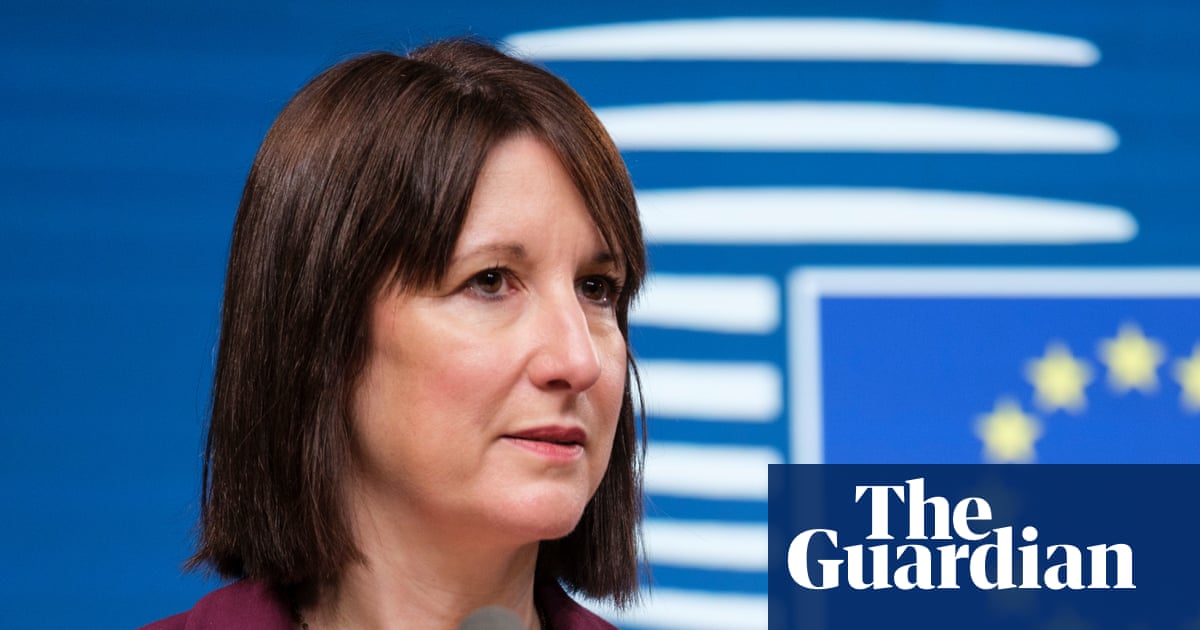
palpable sense of urgency has emerged in the UK’s approach to relations with the European Union. Ministers are beginning to sound enthusiastic, impatient even. The chancellor of the exchequer, Rachel Reeves, has even pointed to Brexit as a major cause of the country’s economic travails. You might think that this bodes well for prospects of improved UK-EU relations. But – and here’s the rub – enthusiasm on one side is not enough to drive substantive progress.
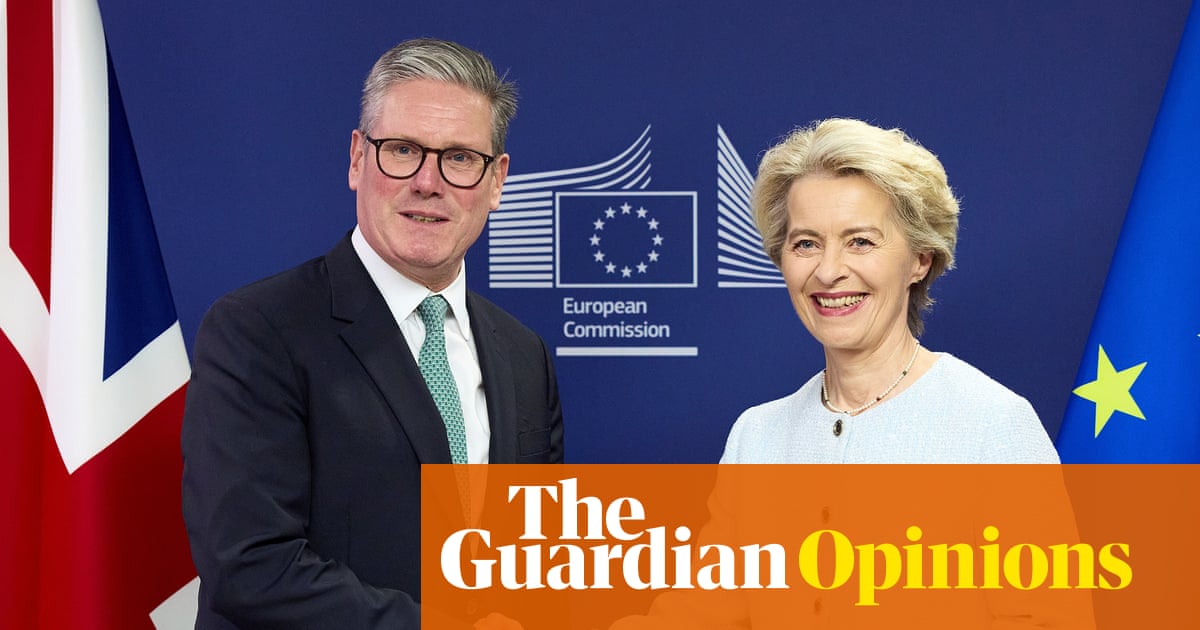
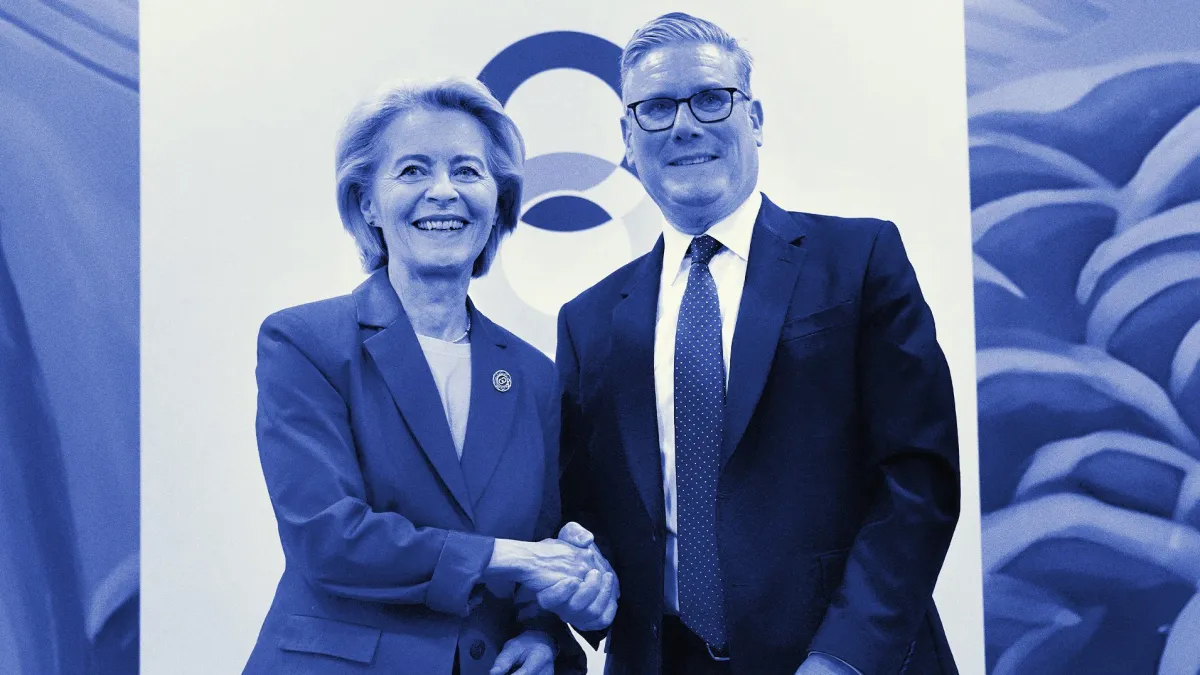
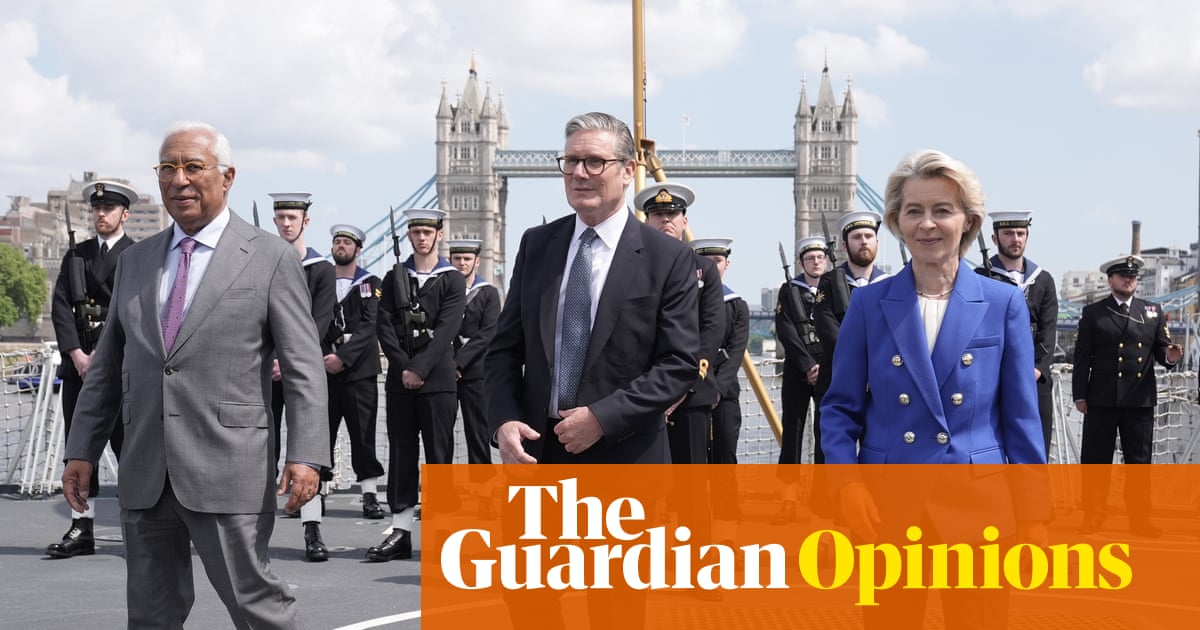
In opposition, Labour shadow ministers and spokespeople were understandably reluctant to add flesh to the bones of their intention to “reset” relations with the EU. More detail was provided at the summit in May this year, as the two sides not only signed off a long-term deal on fisheries but declared their intention to negotiate further agreements covering agrifoods, energy and defence.
And over the past few weeks, the British tone has shifted still further. I was struck at a conference in Brussels last month by the emphasis placed by Nick Thomas-Symonds, the UK’s minister for EU relations, on the need for rapid progress in these various negotiations.