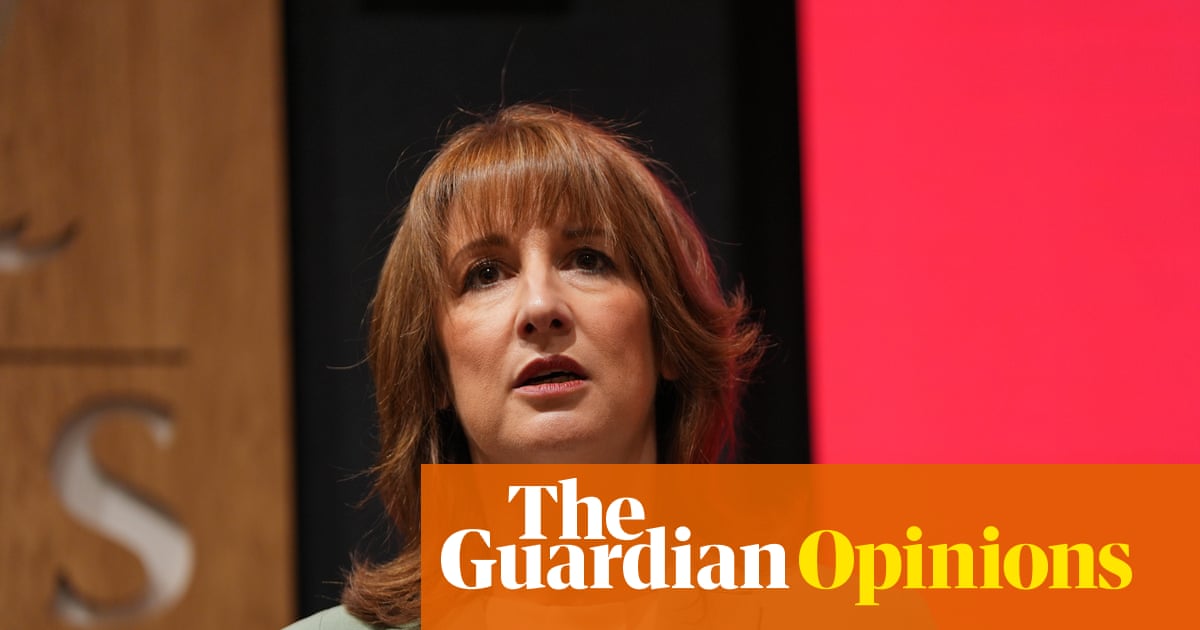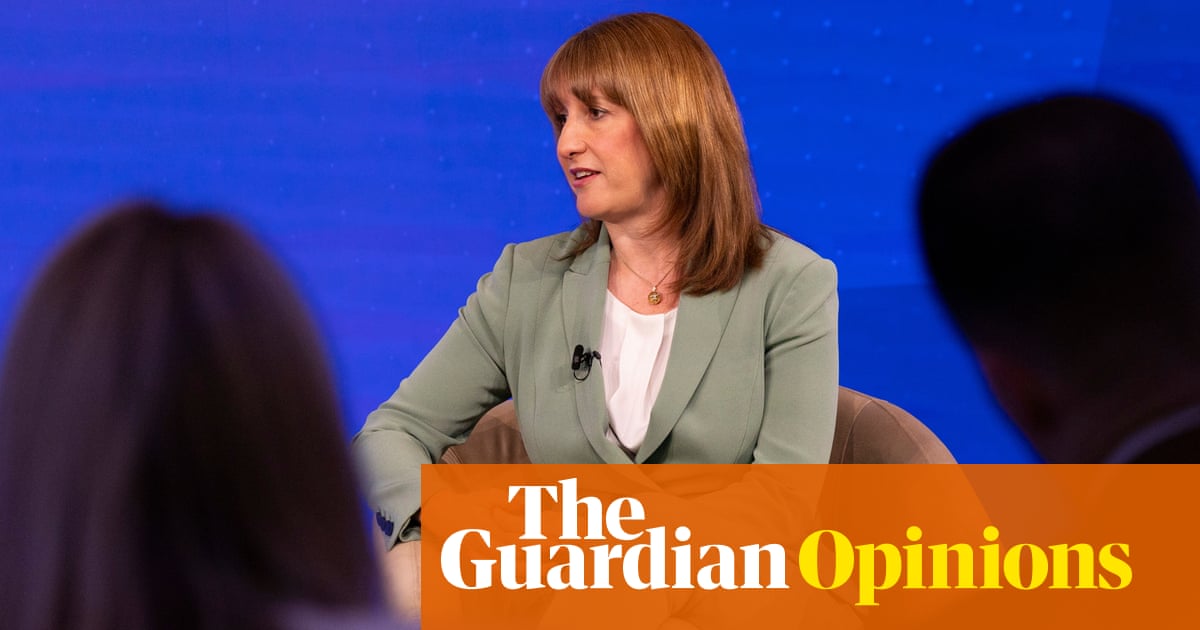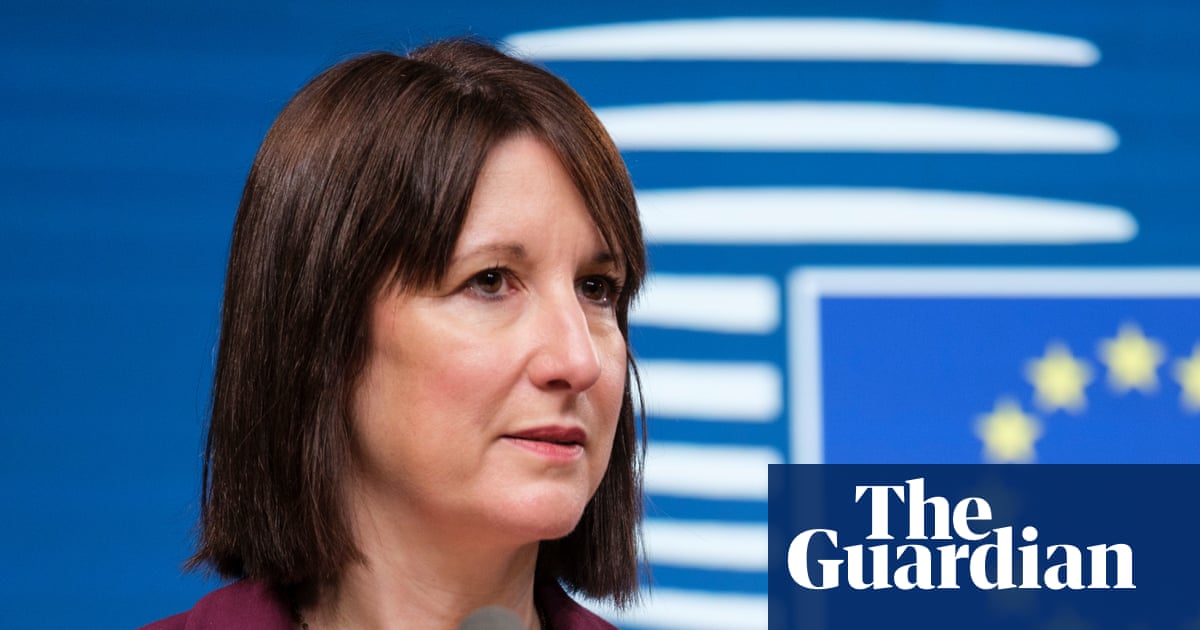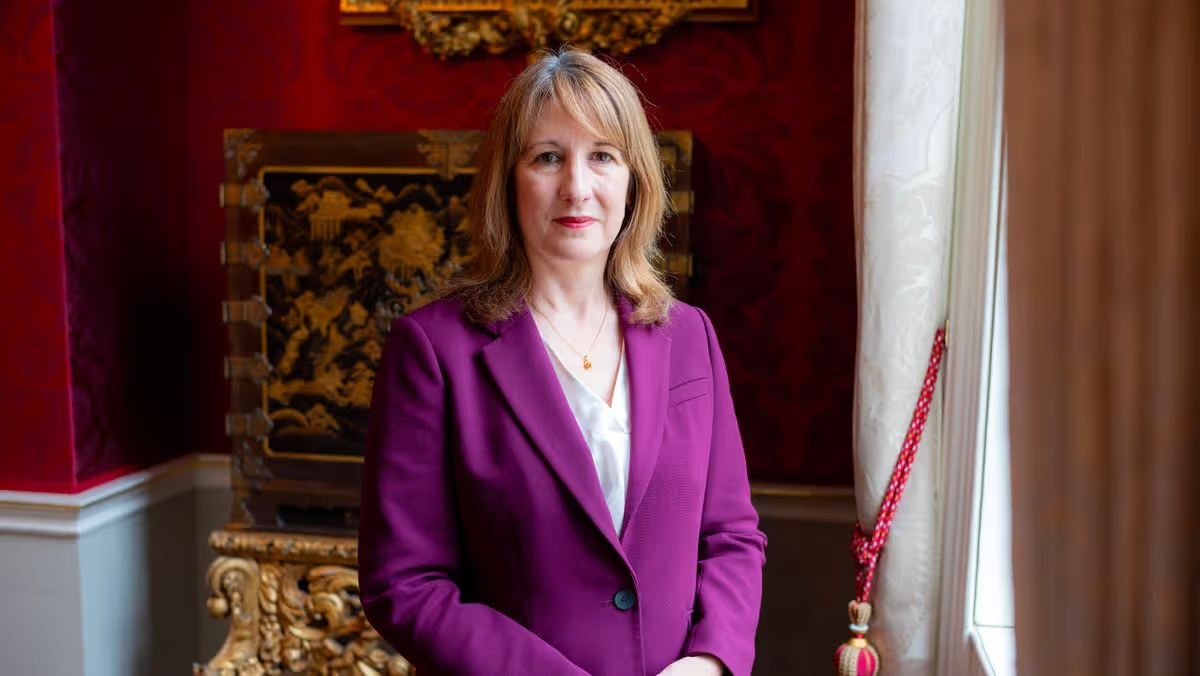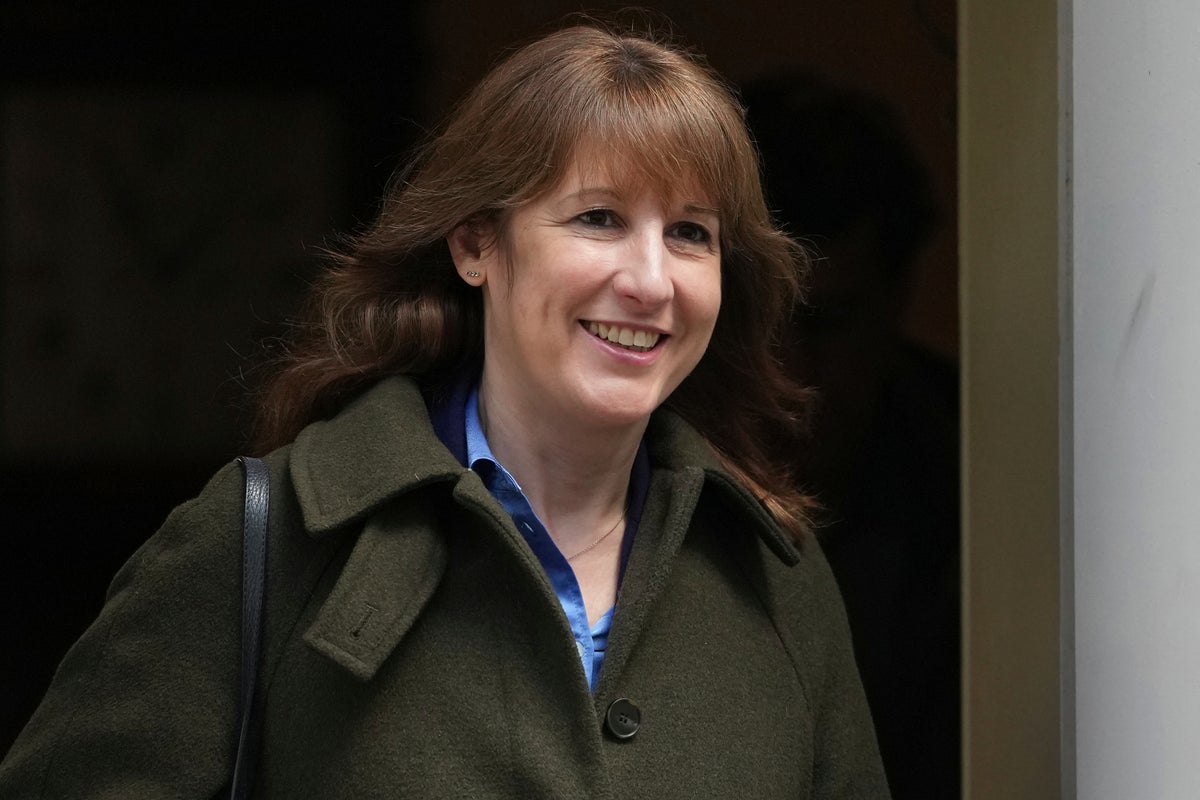
"Brexit did deep damage." With those words at her Mais lecture on Tuesday, Chancellor Rachel Reeves made it clear that there has been an important shift within the Labour Party - one that government ministers have been signalling for some time.
"Let me say this directly to our friends and allies in Europe. This government believes a deeper relationship is in the interest of the whole of Europe," she said, while at the same time insisting that the government was not trying to "turn back the clock" on Brexit.
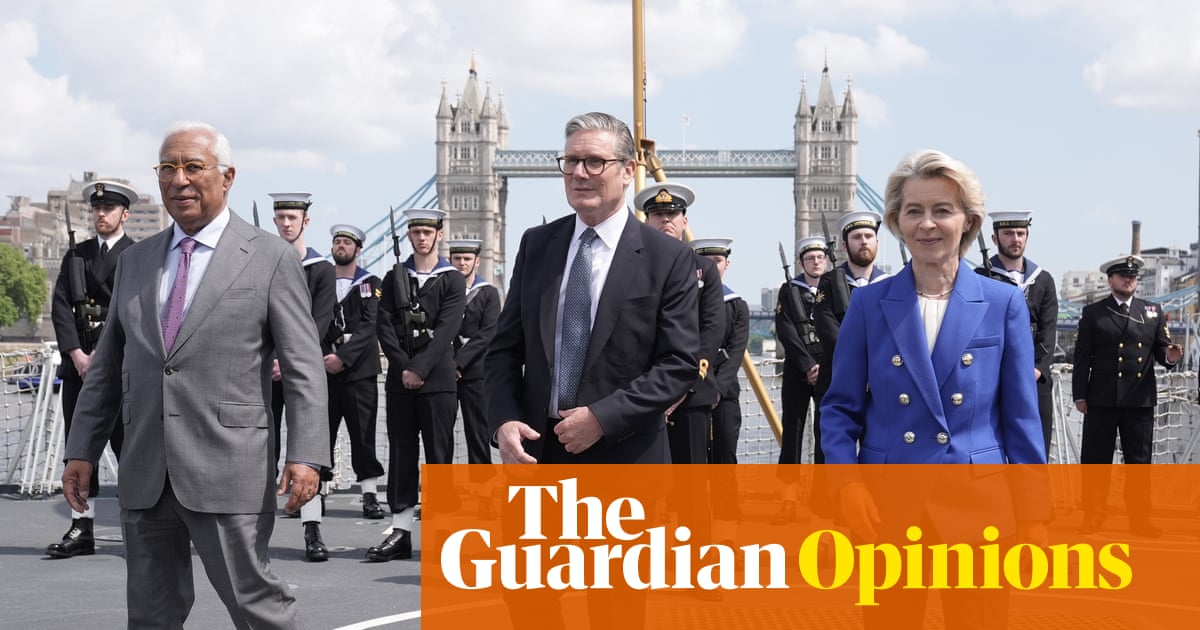
Speaking in such overt terms about Brexit's perceived harms in part reflects a belief that, as the government attempts to turn around the country's persistently sluggish economic performance, it must be more ambitious in its attempt to "reset" the UK's post-Brexit relationship with the EU.
Labour's 2024 election manifesto did propose some renegotiation of the Trade and Co-operation Agreement that Boris Johnson negotiated on leaving the EU in 2020. In particular, it wanted to end EU customs checks on exports of food and agricultural products by aligning Britain's regulations of such products with those of the EU.
However, it also drew clear red lines: no return to the single market, the customs union, or freedom of movement.