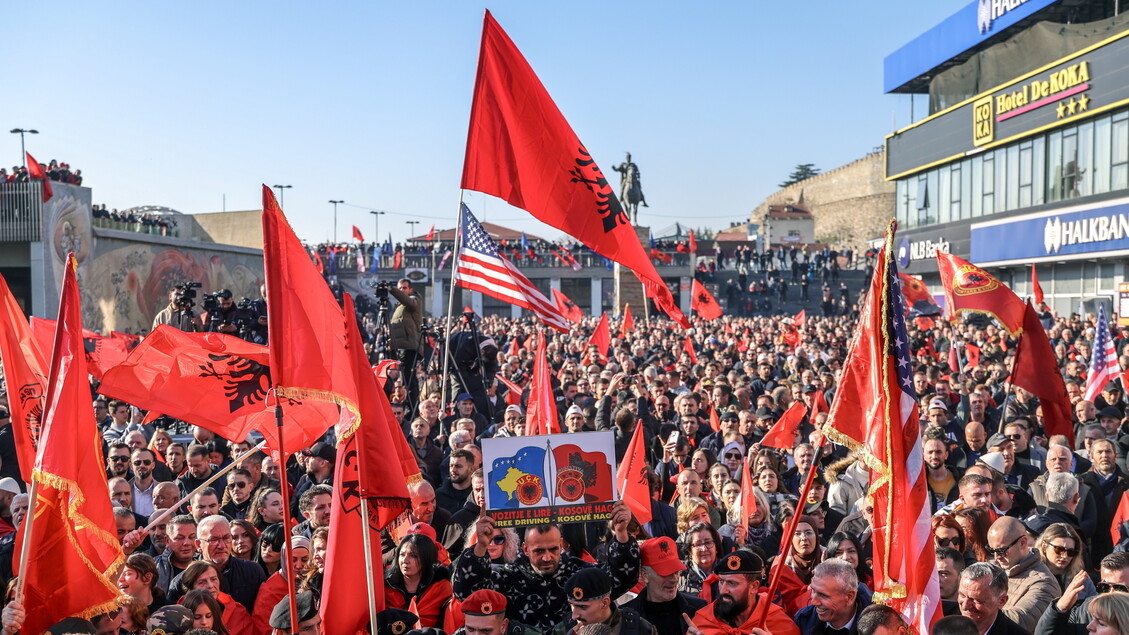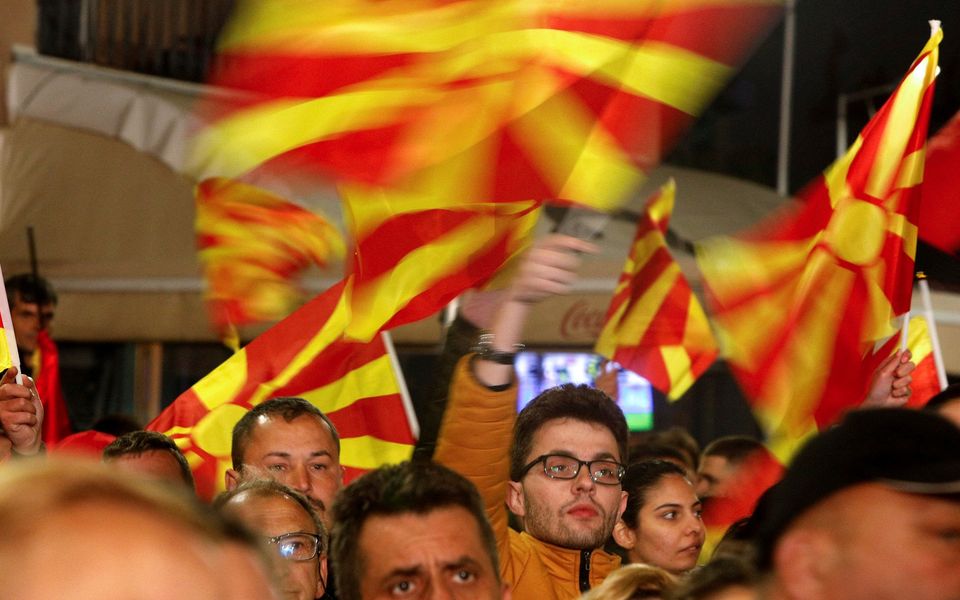
In the spring of 2001, slogans in support of the National Liberation Army (NLA), or UCK, were heard for the first time in what was then referred to as the Former Yugoslav Republic of Macedonia, now North Macedonia. During a gathering of thousands of Albanians in Tetovo, held in support of the free operation of the then-illegal Albanian-language university, protesters voiced support for armed struggle aimed at securing equal recognition of the Albanian population (25-28% of the country) within state institutions. As the square reverberated with slogans, gunfire was heard from the nearby slopes of the Sar Mountains.
The shots were fired by armed groups linked to the UCK, which – following the model of Kosovo – had already been formed clandestinely in the mountainous areas above Tetovo, with the aim of advancing Albanian rights through armed resistance.
Violent armed clashes followed, which eventually ended following the intervention of the international community. This led, in September of that year, to the signing of the Ohrid Framework Agreement, which granted the Albanian community a number of key concessions.
Although tensions eased, ethnic divisions and mistrust, as seen elsewhere in the Balkans, did not disappear. The divide between the two major communities remained largely dormant for 25 years, but is now beginning to resurface.