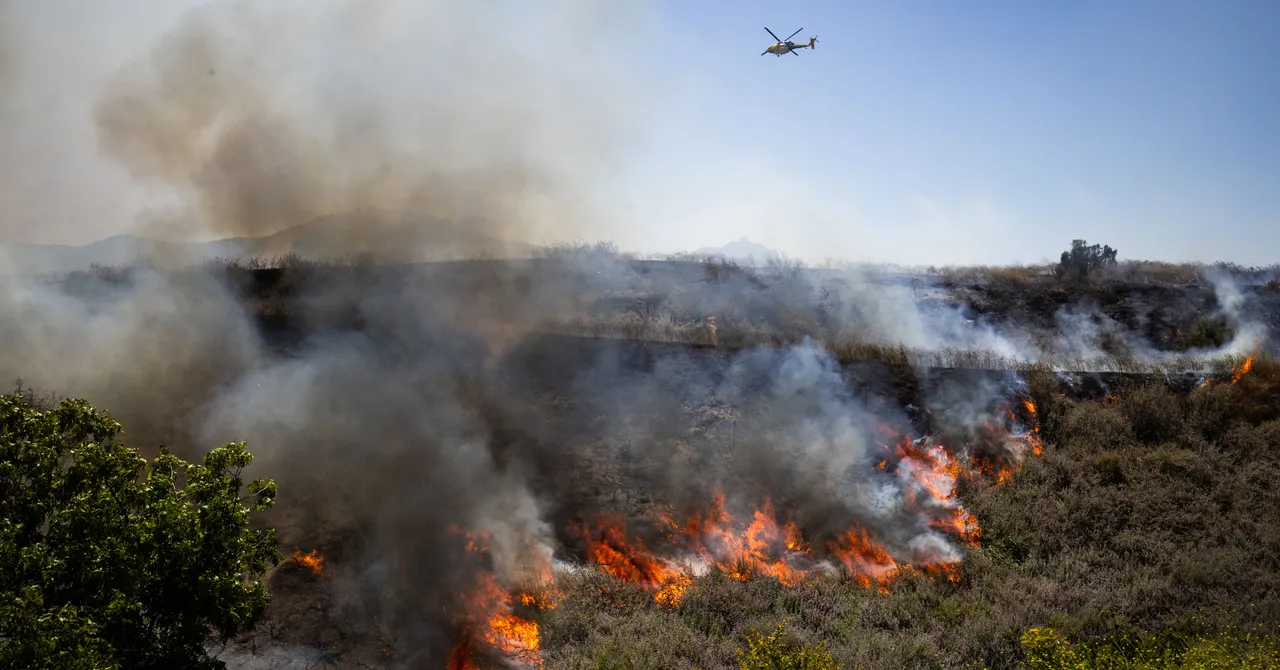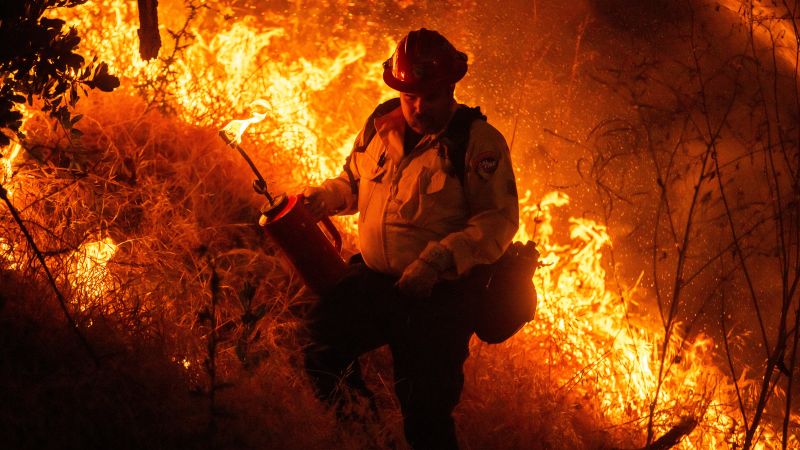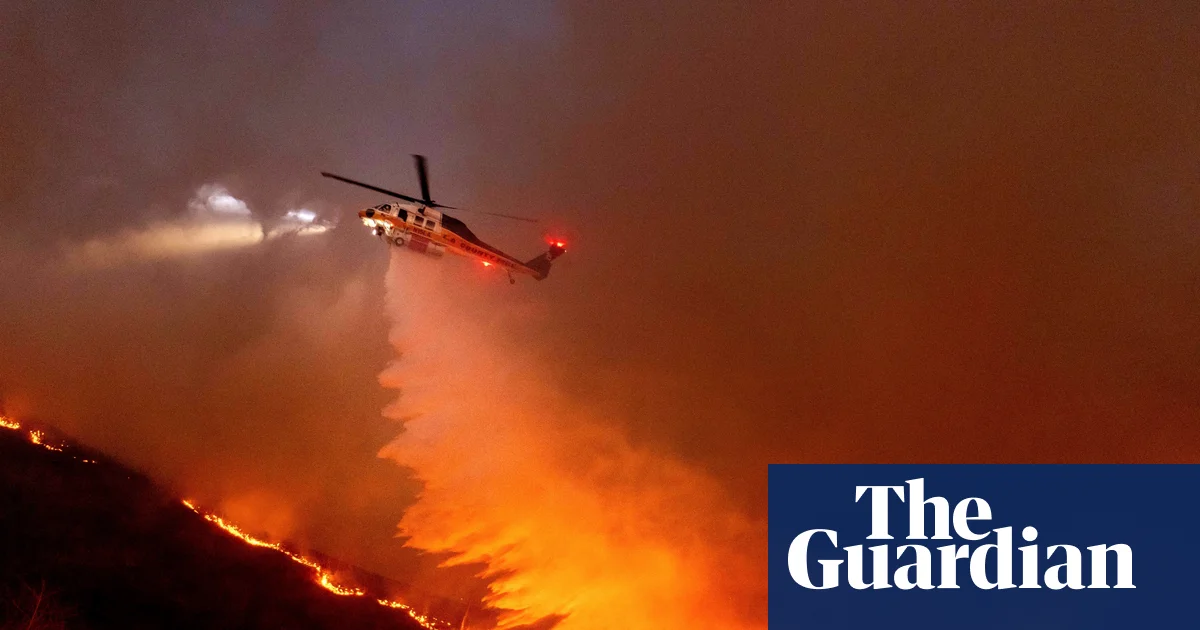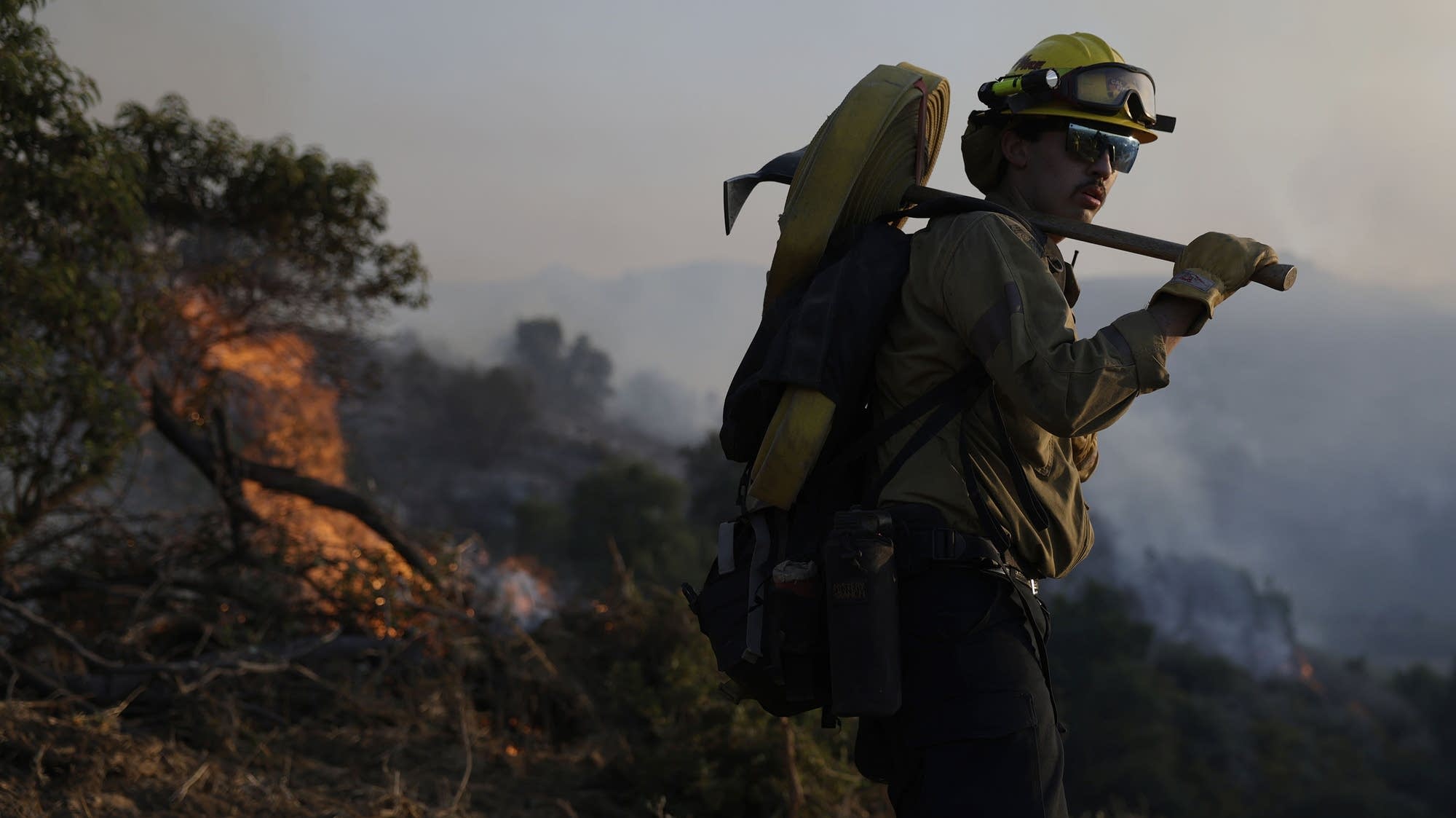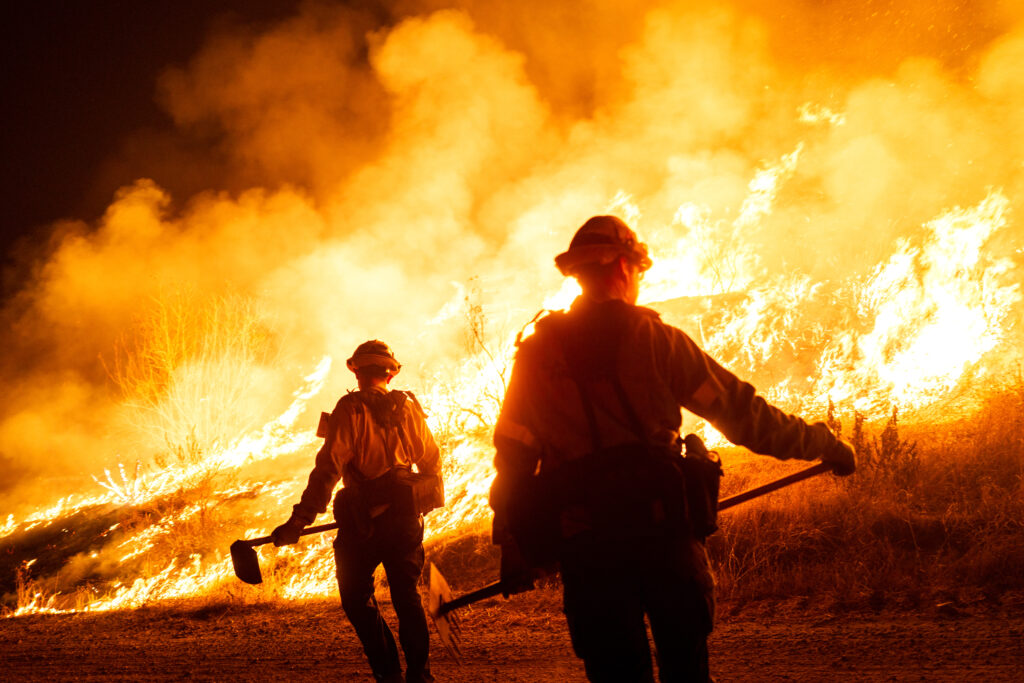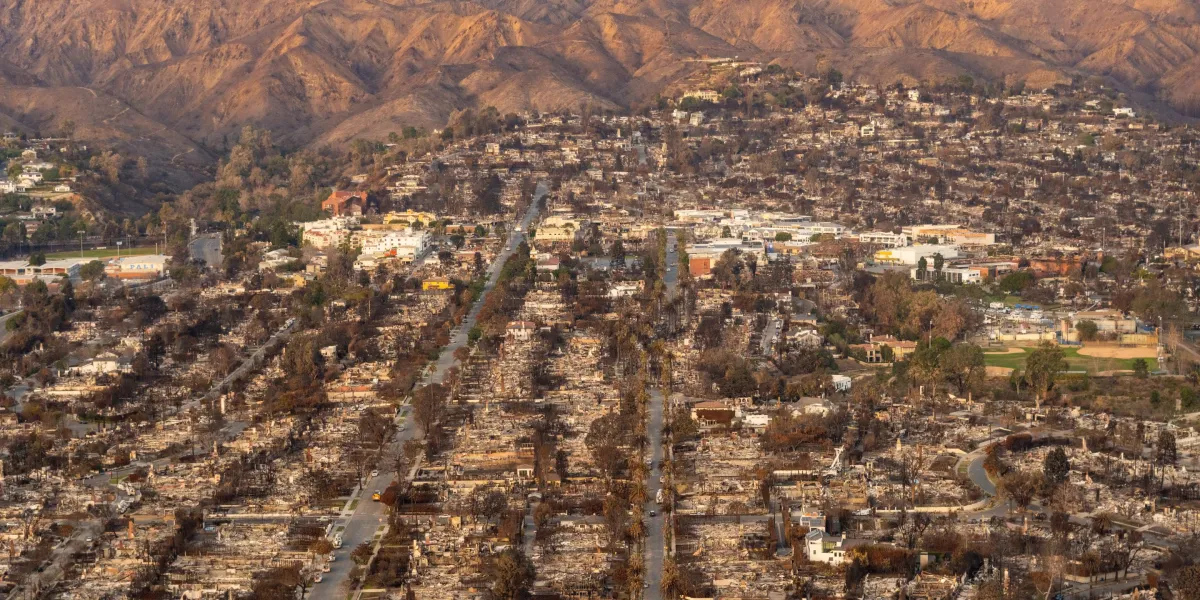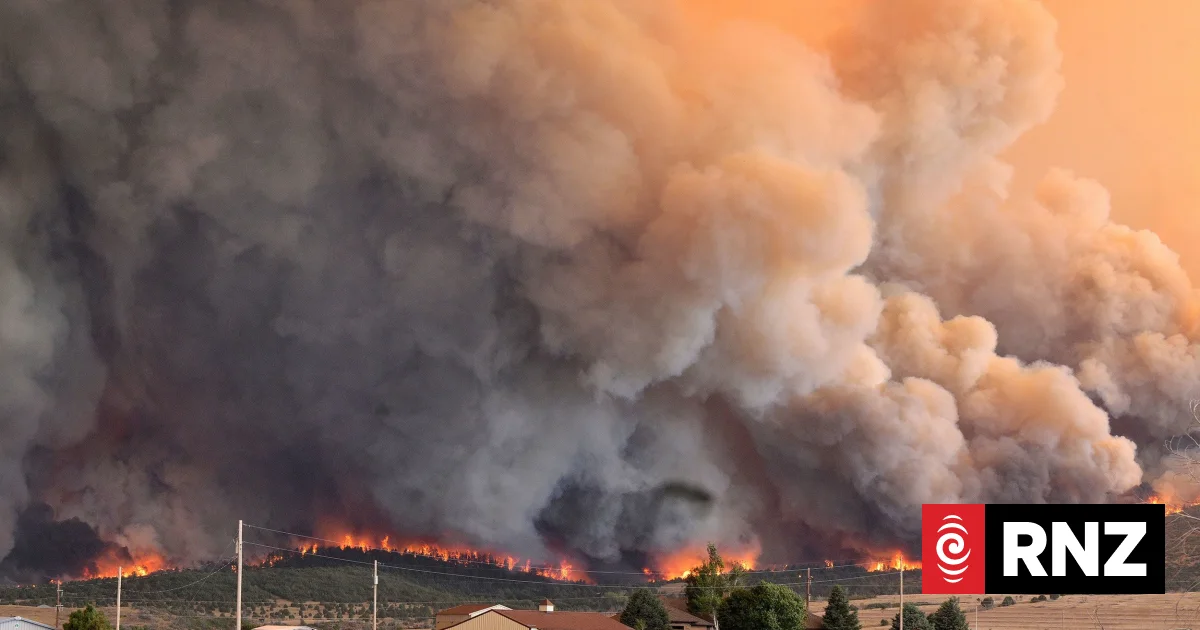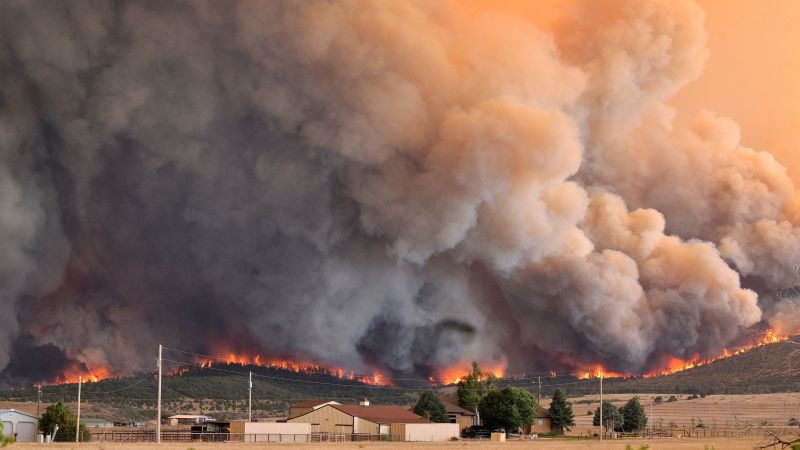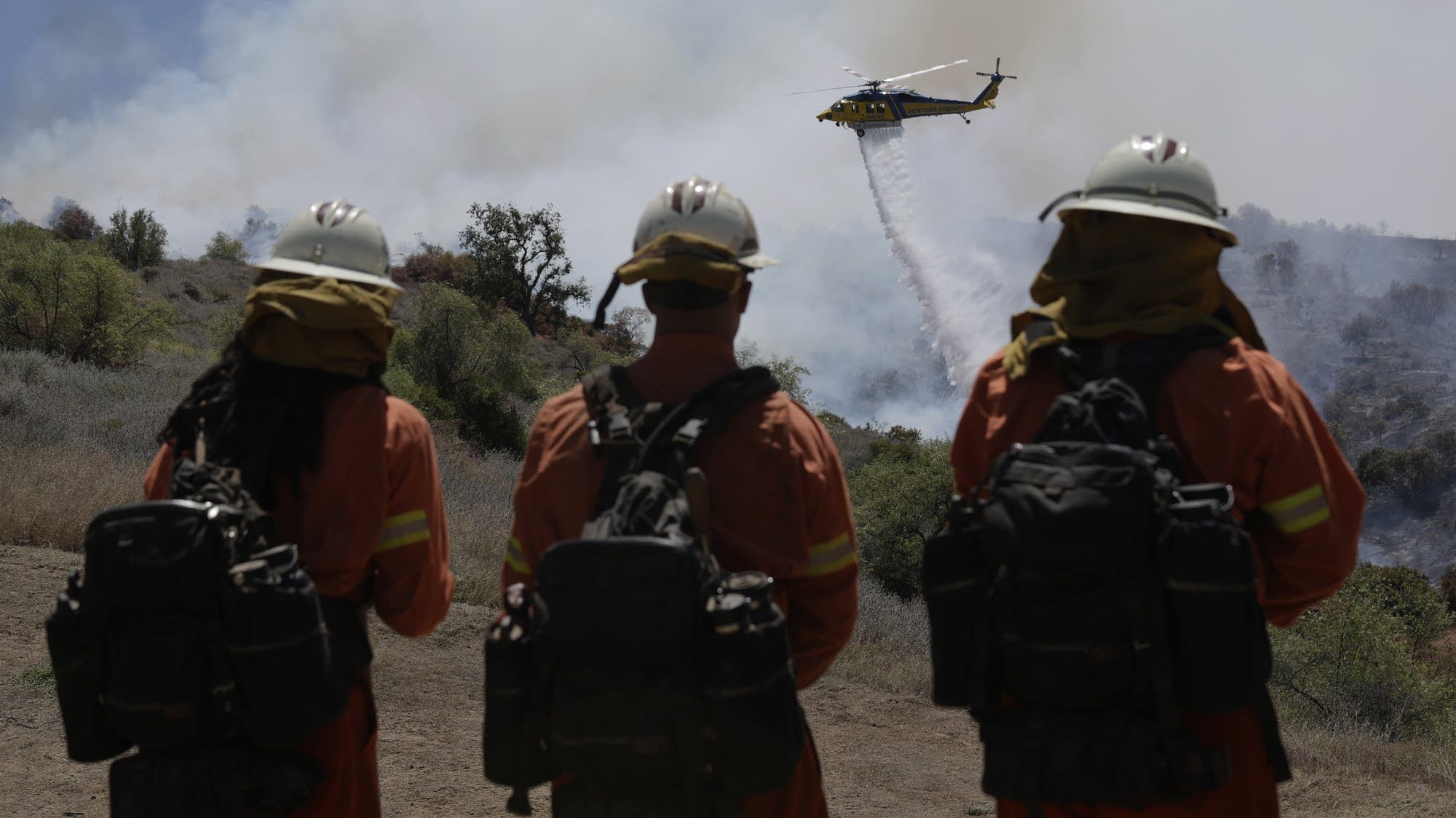
Kaitlyn Trudeau’s family has lived in Southern California for a long time. “My grandfather's house actually burned down in one of the fires in January. Luckily, he’s totally fine,” she said.That was almost a year and a half ago, but fires are still on Trudeau’s mind. “Like, you didn't have this when I was growing up, like it wasn't a thing that happened all the time.”Trudeau works for Climate Central, which tracks climate change. And she researches fire weather days, “where you have really hot, dry, and windy weather conditions,” she said.Compared to 50 years ago, parts of the West have two more of those hot and windy months. ”And it basically sets the stage for extreme fire behavior,” Trudeau said.This season is already off to an awful start. In March, Nebraska had its largest wildfire in state history. Right now, a fire outside of L.A. is forcing evacuations. Experts say the number of days that are prone to a wildfire starting is increasing — and that costs money.“More fire will just mean more suppression costs,” said Jude Bayham, an economist at Colorado State University. The federal government spends about $3 billion on wildfire suppression annually. “But they're starting to use almost all of that each year, too,” he said.States are trying to fill the gaps — sometimes creatively, like Oregon taxing nicotine pouches, and California taxing timber sales. Wyoming just approved $5 million for two state crews that can fight fires, “while the local firefighters can go back home, go back to their normal jobs — because a lot of them are volunteers,” said Jerod Delay with the Wyoming State Forestry Division. He said just two years ago, Wyoming had its second-worst wildfire season ever, burning prairies and killing wildlife and livestock.“That may just be grass out there that was burning, but that grass could mean a lot to a rancher and their family,” Delay said.And he’s worried about this summer. The Mountain West is coming off one of the warmest and driest in history.More on wildfires and the economyFrom April 2026: Can a leaner Forest Service handle a hotter fire season?From January 2025: California grapples with the cost of a year-round fire seasonFrom October 2022: When prescribed burns spiral into devastating wildfires, who pays the price?
Wildfire risk is rising — as are the costs to fight them
Each year, the federal government spends about $3 billion fighting wildfires. And this season is off to a rough start.
378 words~2 min read