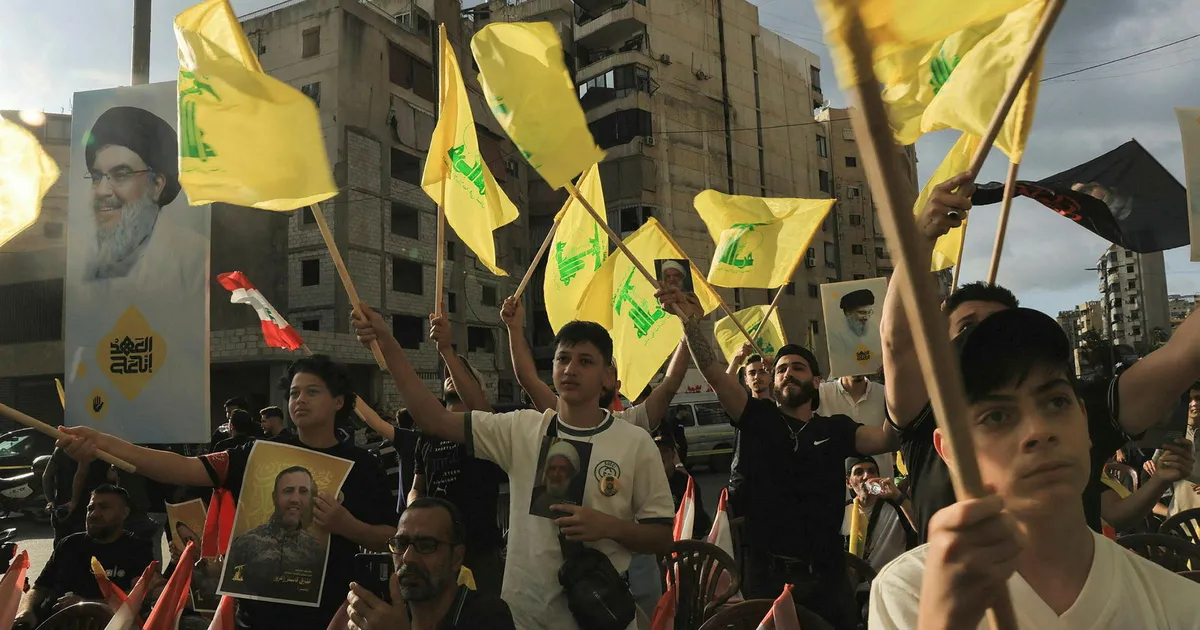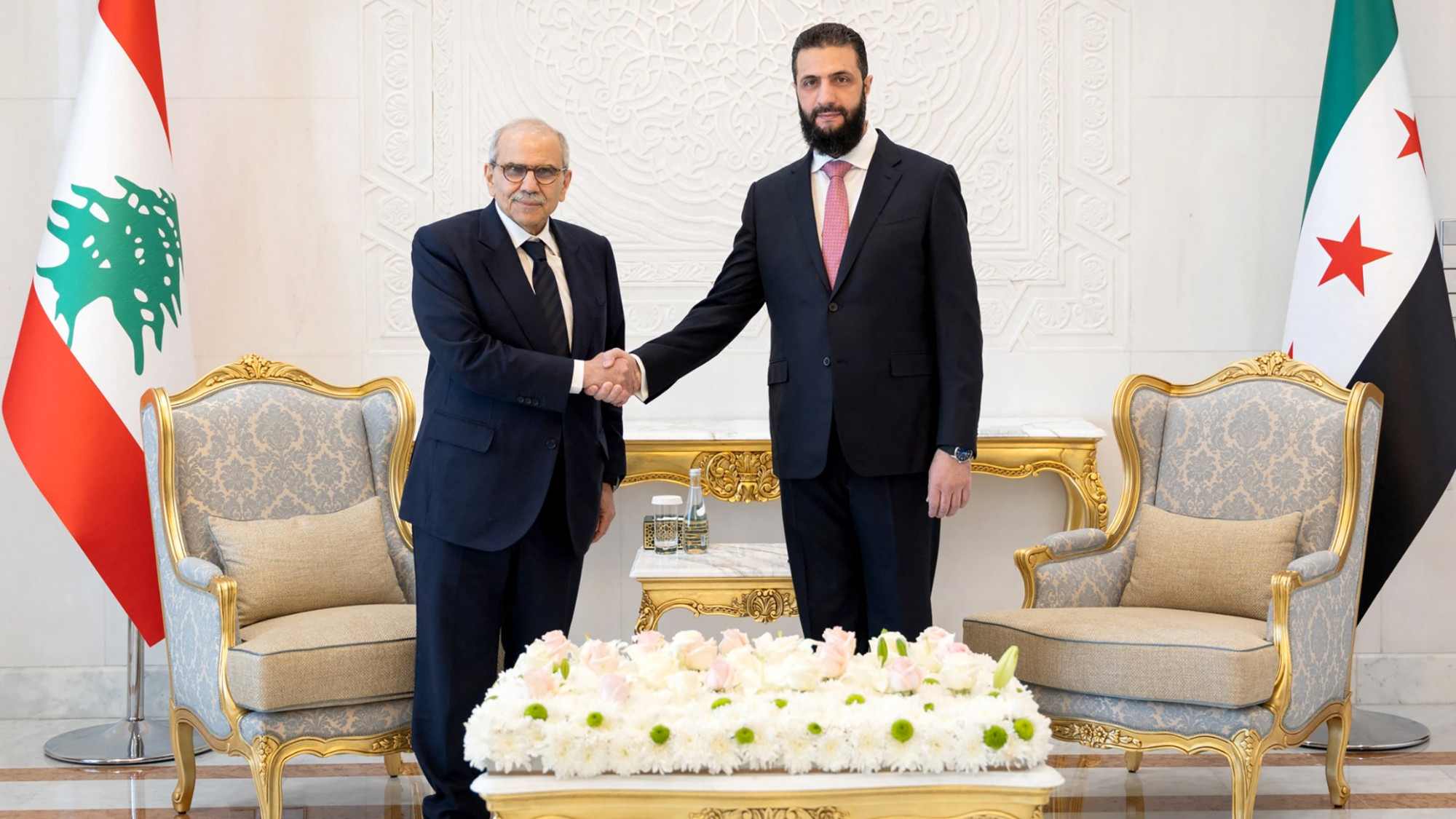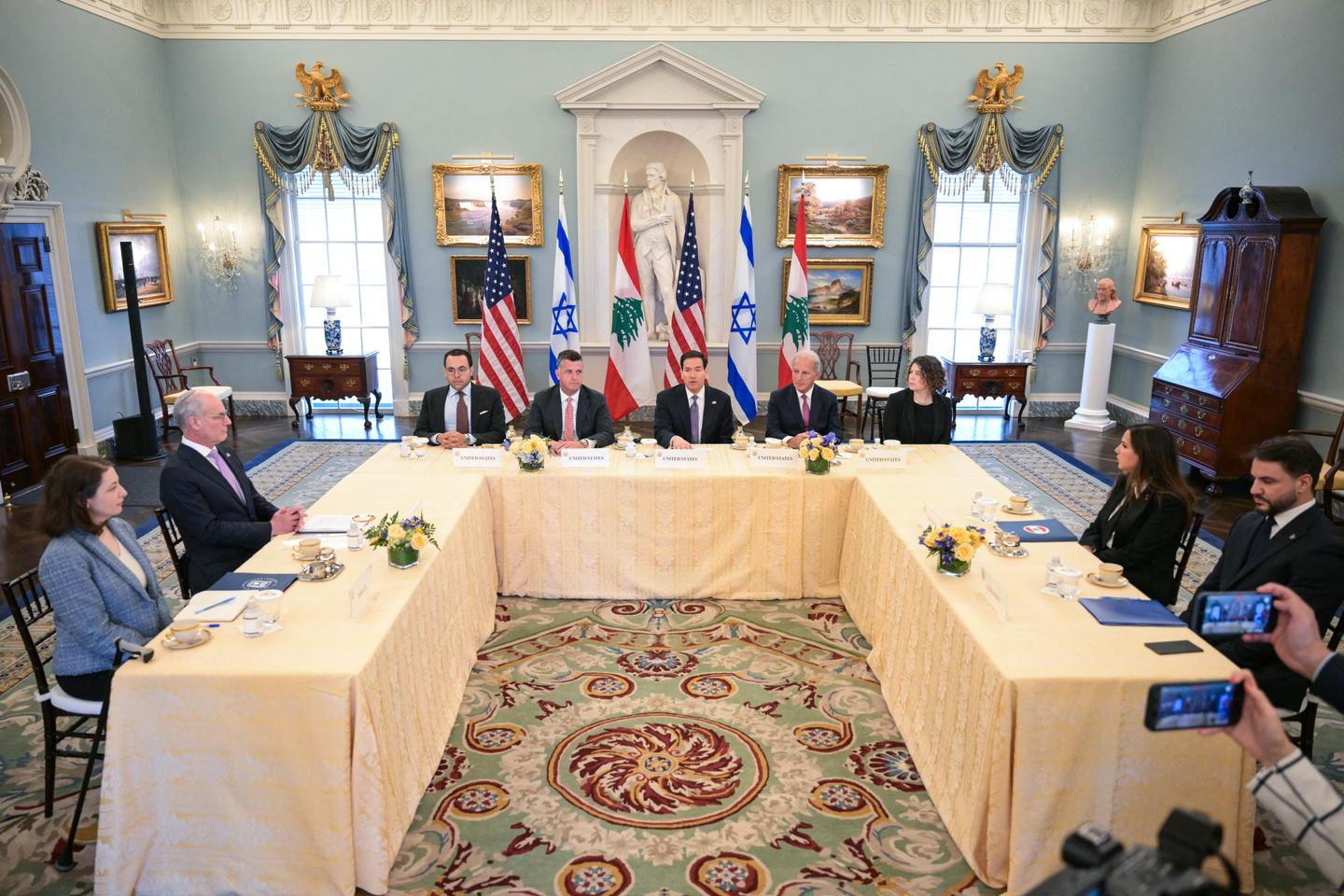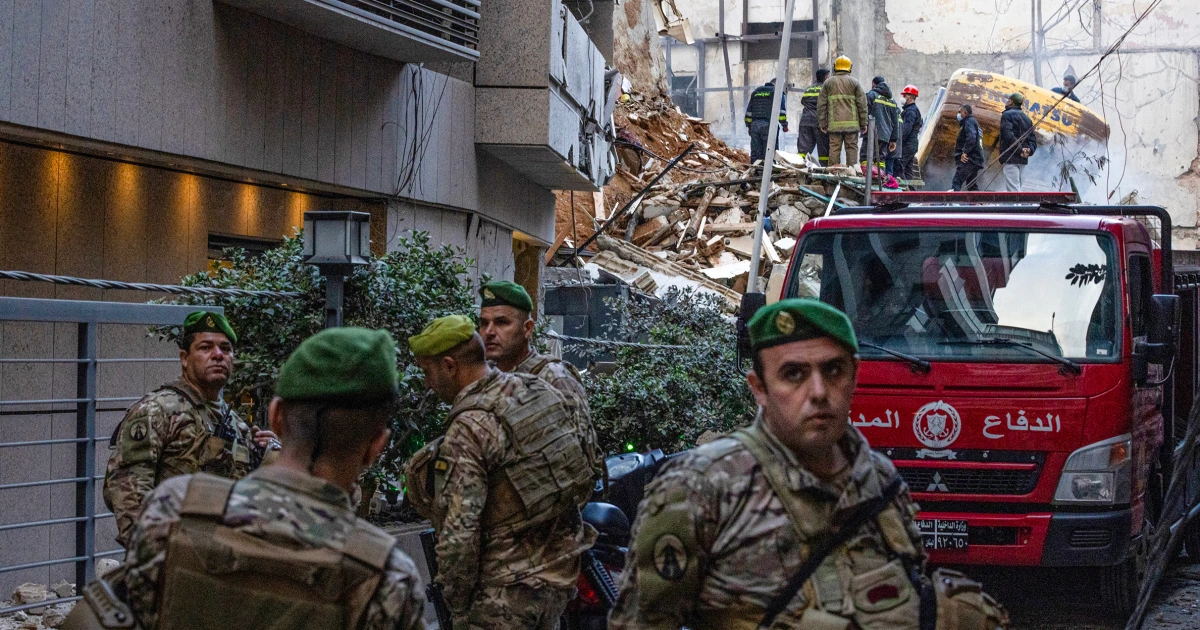
“A weak state was both a blessing and a curse,” wrote Lebanese journalist Kim Ghattas about the country during the 1970s and ‘80s. Lebanese soldiers secure the site of an Israeli attack in Beirut as rescue workers search the rubble for people buried. Daniel Carde / Getty Images fileMay 25, 2026, 11:53 AM EDTBy Jonathan MastersThis article was originally published on CFR.org and updated by NBC News. Lebanon is again at a critical junction. Following the outbreak of the U.S.-Israeli war on Iran in February 2026 and the killing of Iranian Supreme Leader Ayatollah Ali Khamenei, Hezbollah launched rockets at Israel, opening a new front of the war. Lebanon’s political and economic crisis has since deepened, worsened by its fragile political, economic, and security environment. And yet U.S.-brokered talks between Israel and the Lebanese government in April 2026—the first in decades—offer an opportunity for peace. Just a moment.We are getting your experience ready.
Lebanon: How Israel, Hezbollah, and regional powers are shaping its future
“A weak state was both a blessing and a curse,” wrote Lebanese journalist Kim Ghattas about the country during the 1970s and ‘80s.
153 words~1 min read