Microsoft SQL Server is widely used in enterprise environments that require reporting, analytics, integration with Microsoft products, and support for high-load systems. At the same time, SQL Server is not always the right choice for every project, especially when infrastructure requirements, licensing costs, or migration complexity become important factors.
This guide covers the core components of Microsoft SQL Server, its main capabilities, common business use cases, and reasons why companies migrate from other database platforms. We will also review what should be analysed before migration and what technical aspects developers usually consider during transition projects.
The basics of Microsoft SQL Server
Microsoft SQL Server (MS SQL Server) is a relational database management system (RDBMS) that operates on a client-server model.
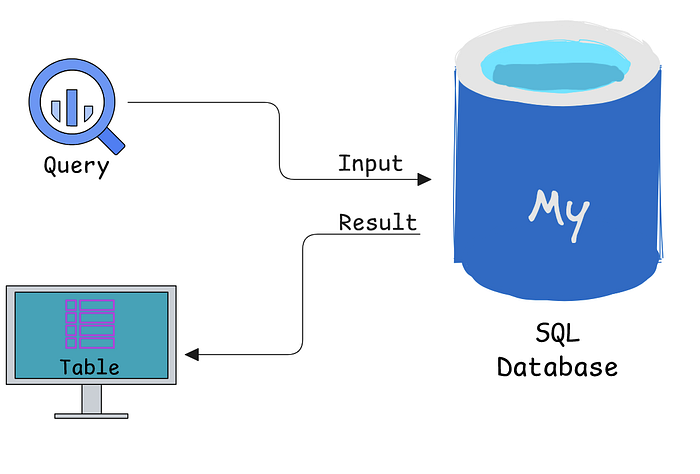
This is how MS SQL Server executes queries: