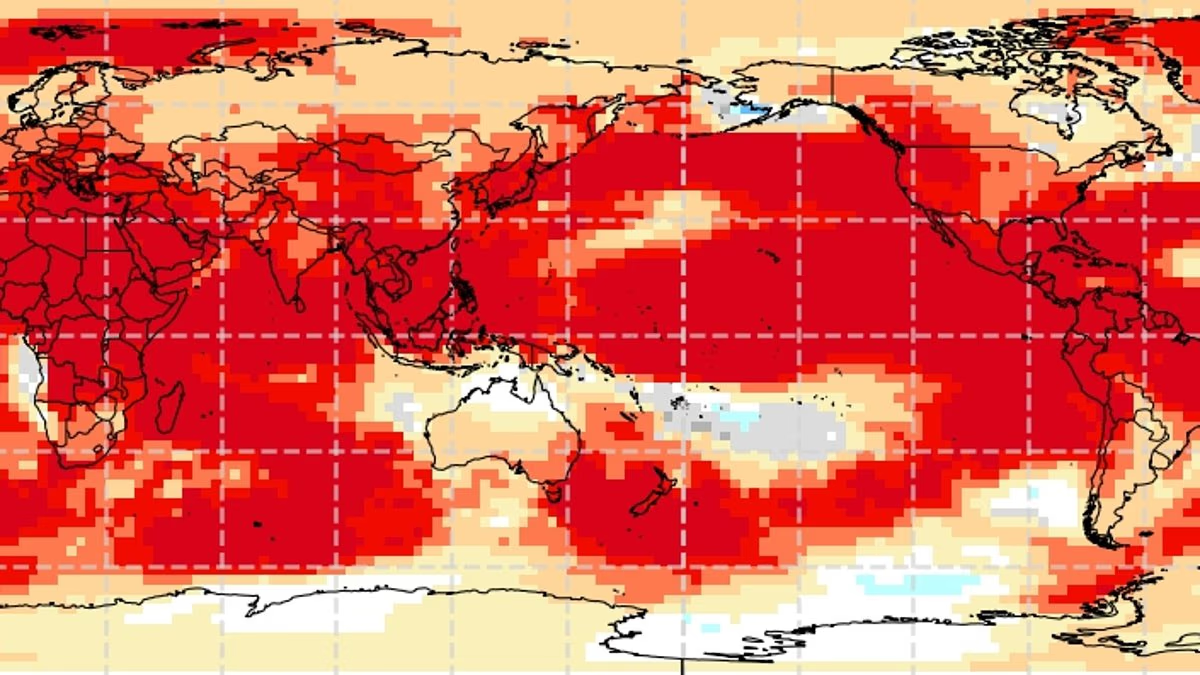
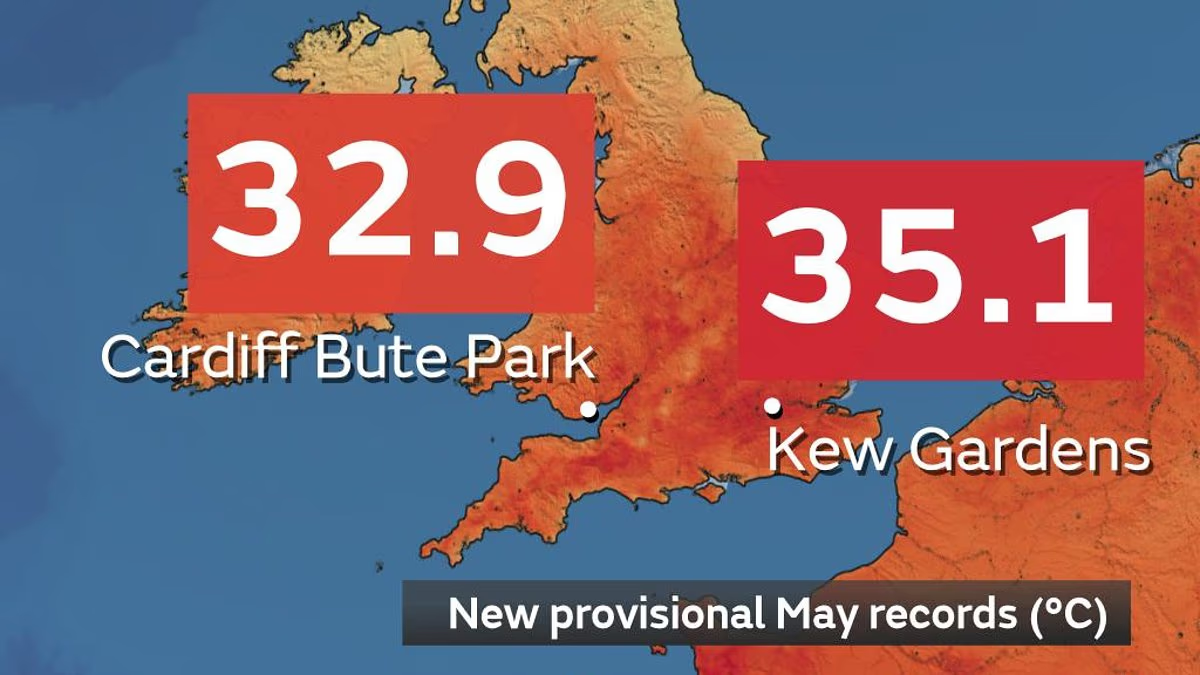
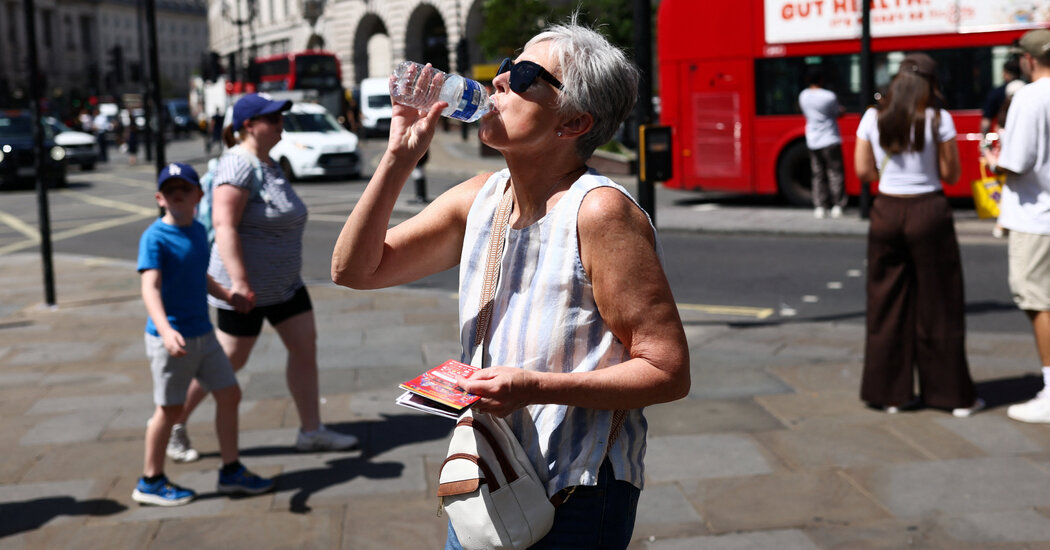
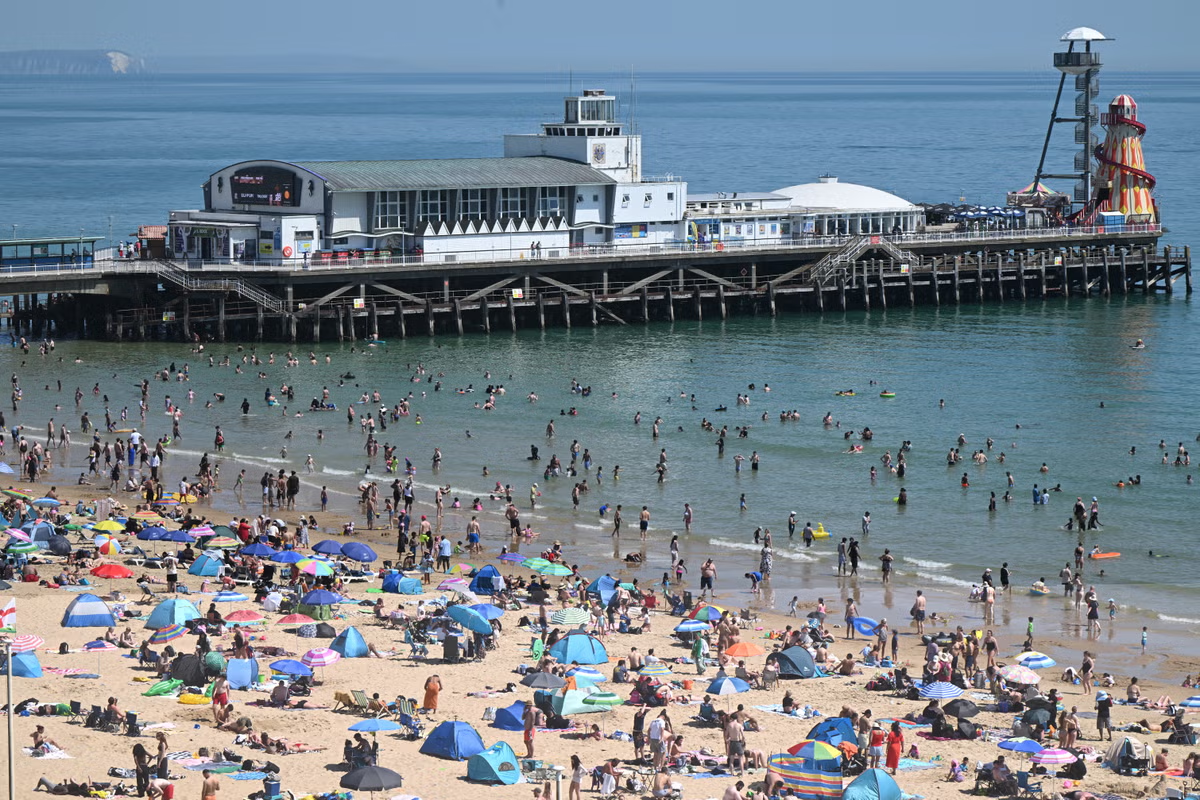
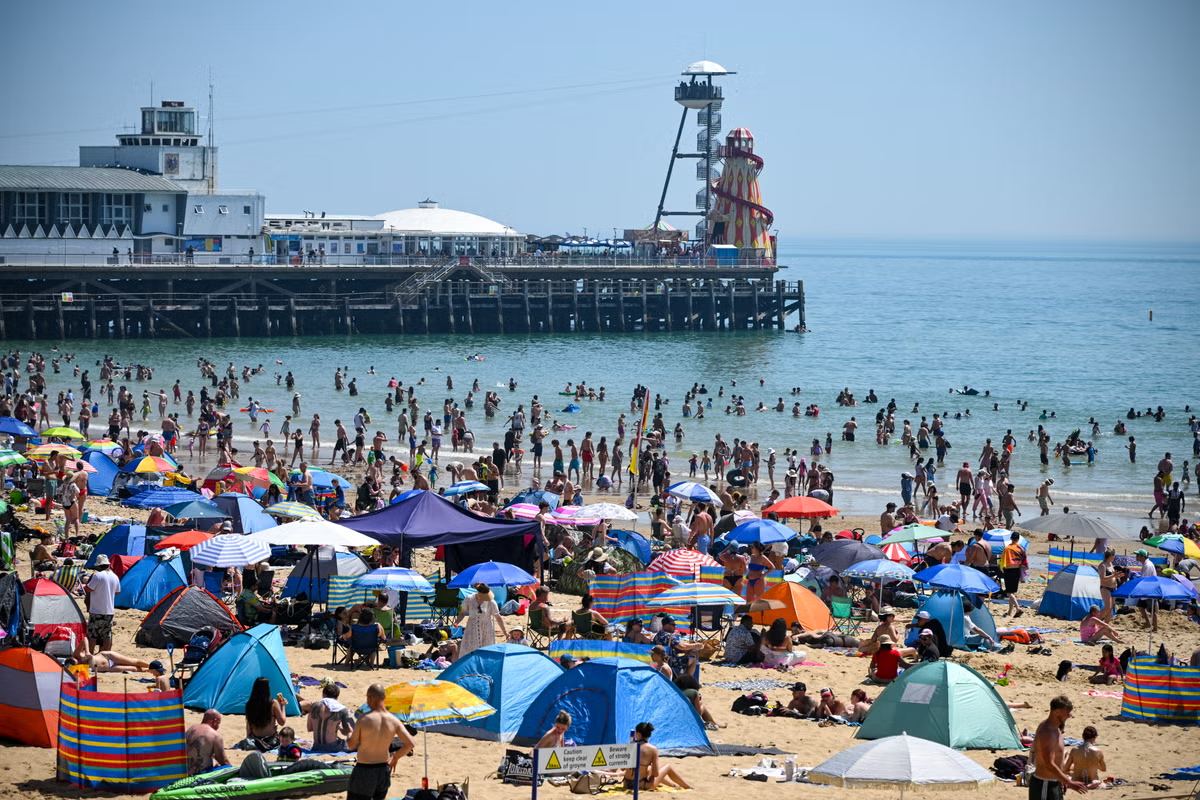
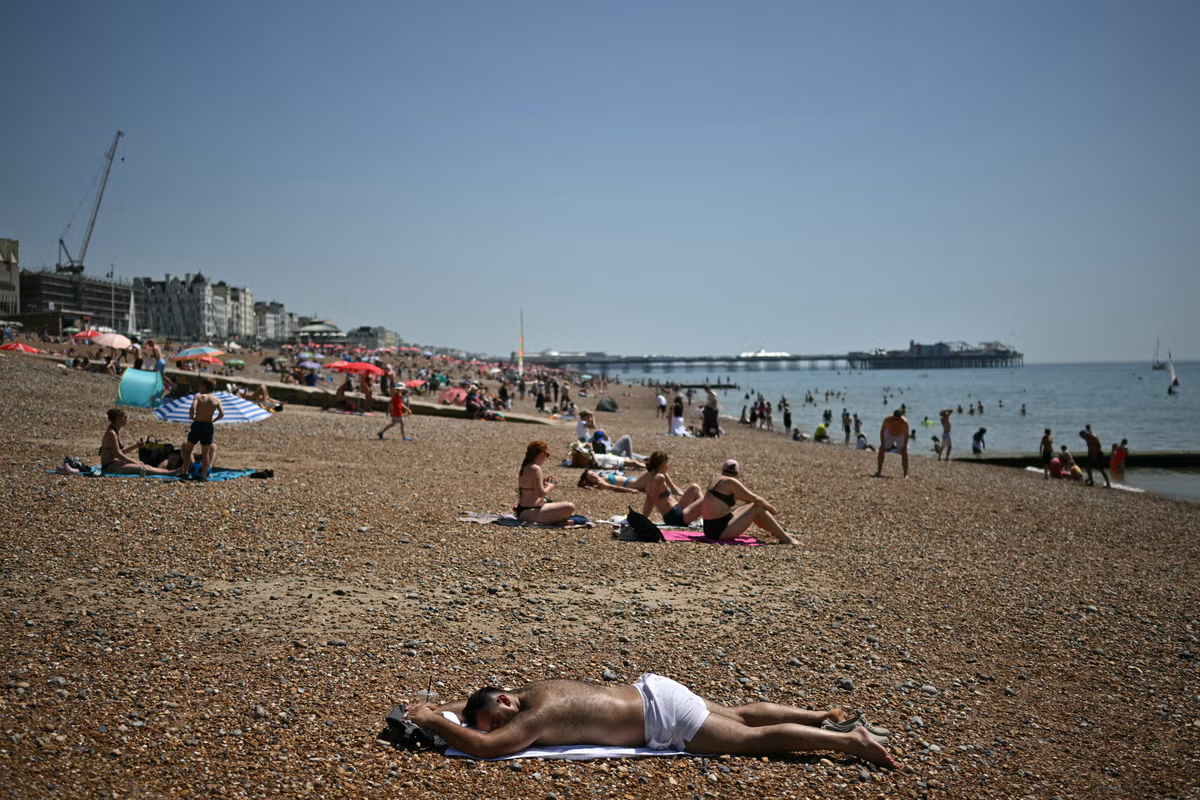
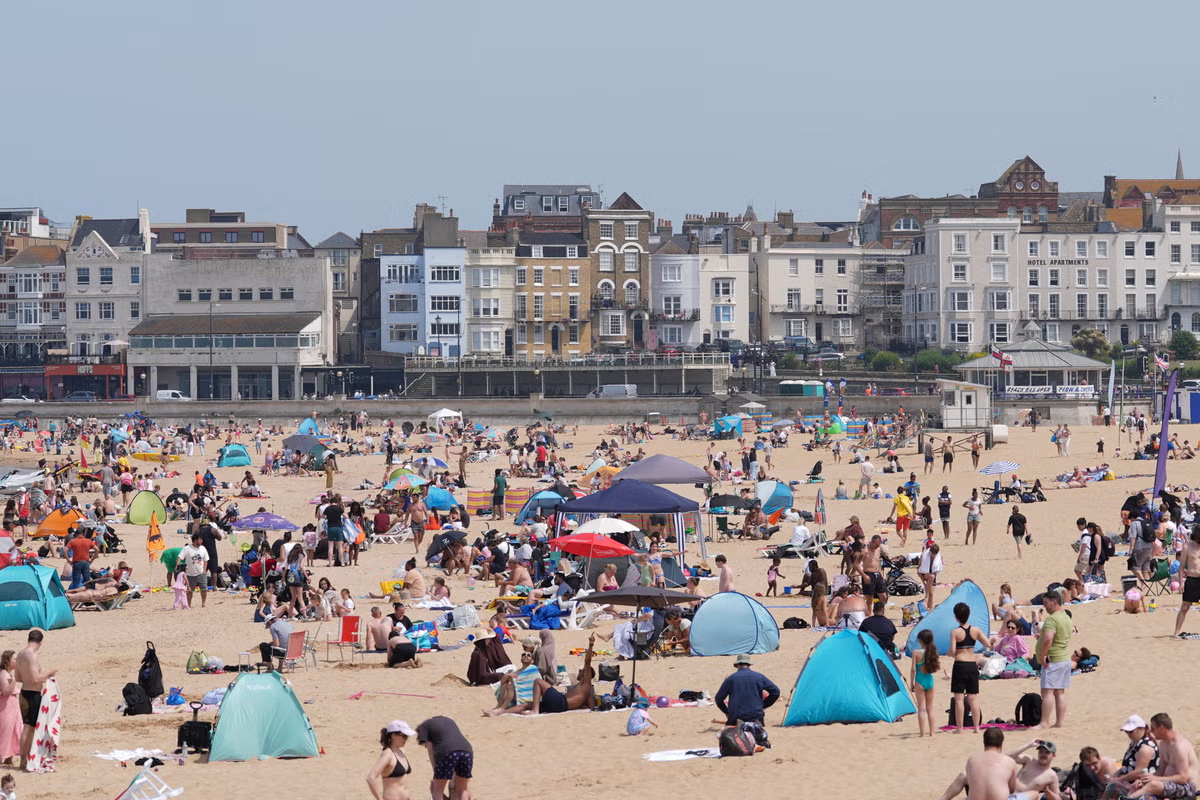
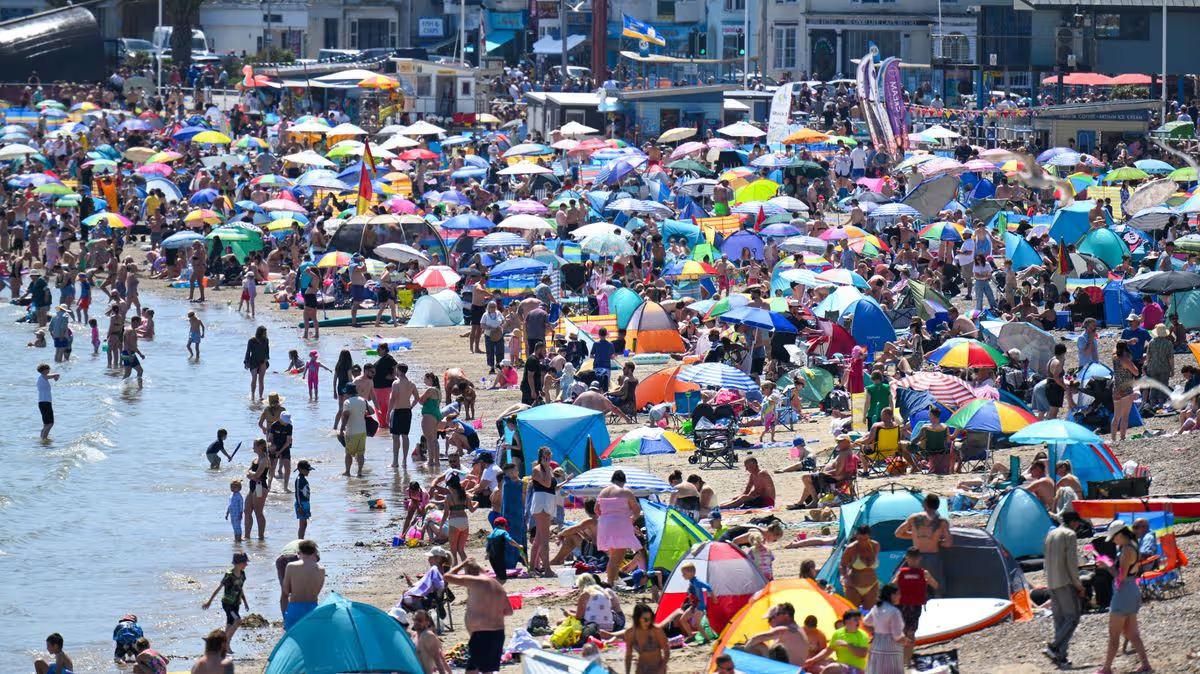
NewsUK NewsHeatwave'Extreme' spring heatwaves are here to stay thanks to climate change, scientists have warned, after a Met Office study resurfaced appearing to predict the 'unprecedented' 33C May hot spell15:49, 25 May 2026Britain will need to get used to spring heatwaves as climate change triggers more 'extreme' swings in the weather, experts have warned.A May temperature record dating back to World War II tumbled on Monday as the Met Office recorded a provisional 33.5C at London Heathrow, easily beating the 32.8C high mark that had stood since 1944.While the sunny spell was perfectly timed for the bank holiday, with UK beaches, parks and family attractions reporting a bumper weekend, the Met Office has described the heatwave as "unprecedented" for the time of year - it comes remarkably soon after its own climate scientists predicted this could happen.READ MORE: Stop mosquito bites itching in seconds with doctor's simple tip that costs nothingREAD MORE: Met Office confirms today is hottest May day on record as UK temperatures hit 33.5CResearch published last summer by Met Office scientists found that the chances of beating the May temperature records set 1944 was rapidly rising as carbon emissions continue to warm our planet.The study showed that breaking the 32.8C May record was now about three times more likely than it would be without human-caused climate change - meaning used to be a once-in-a-century event is now expected roughly once every 33 years.And records dating back to 1884 show that all the three warmest springs have all happened since 2017.This week's heatwave highlights that what were once 'exceptional' weather events are increasingly becoming part of everyday British life, a top climate expert has told the Mirror, spelling inevitable future impacts for both human health and the natural environment as the climate crisis intensifies.Asked whether Britain should expect more heatwaves in May as the planet heats up, Professor Chris Brierley, Professor of Climate Science at University College London, said: "Most definitely. We expect the impacts of climate change to be most obviously felt through more instances of extreme heat."These uplifts could occur at this time of year, they could occur in February - you don't necessarily notice them so much then - but they can have some really important consequences for biology."When they come at a time of year that's already hot, then obviously that has some really substantial health consequences."Article continues belowHeat health alerts issued by the UK Health Security Agency on Friday are now set to remain in force across England until Wednesday evening.This includes an amber alert spelling out "increased pressure" on the NHS and a likely "rise in deaths" for the East Midlands, East of England, London, South East and West Midlands. A yellow alert will meanwhile be in place for the North West, North East, South West and Yorkshire and the Humber.Choose Daily Mirror as a 'Preferred Source' on Google News for quick access to the news you value.HeatwaveClimate changeWeather
UK will see more spring heatwaves warn scientists as 80-year record smashed
'Extreme' spring heatwaves are here to stay thanks to climate change, scientists have warned, after a Met Office study resurfaced appearing to predict the 'unprecedented' 33C May hot spell
487 words~2 min read