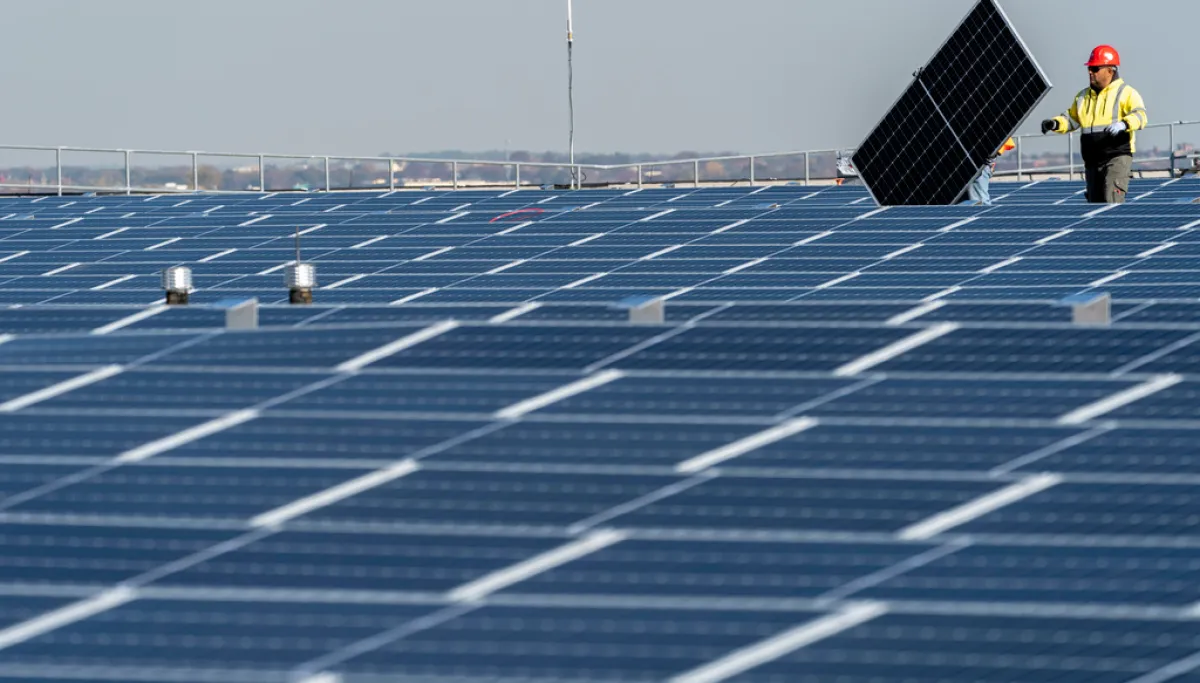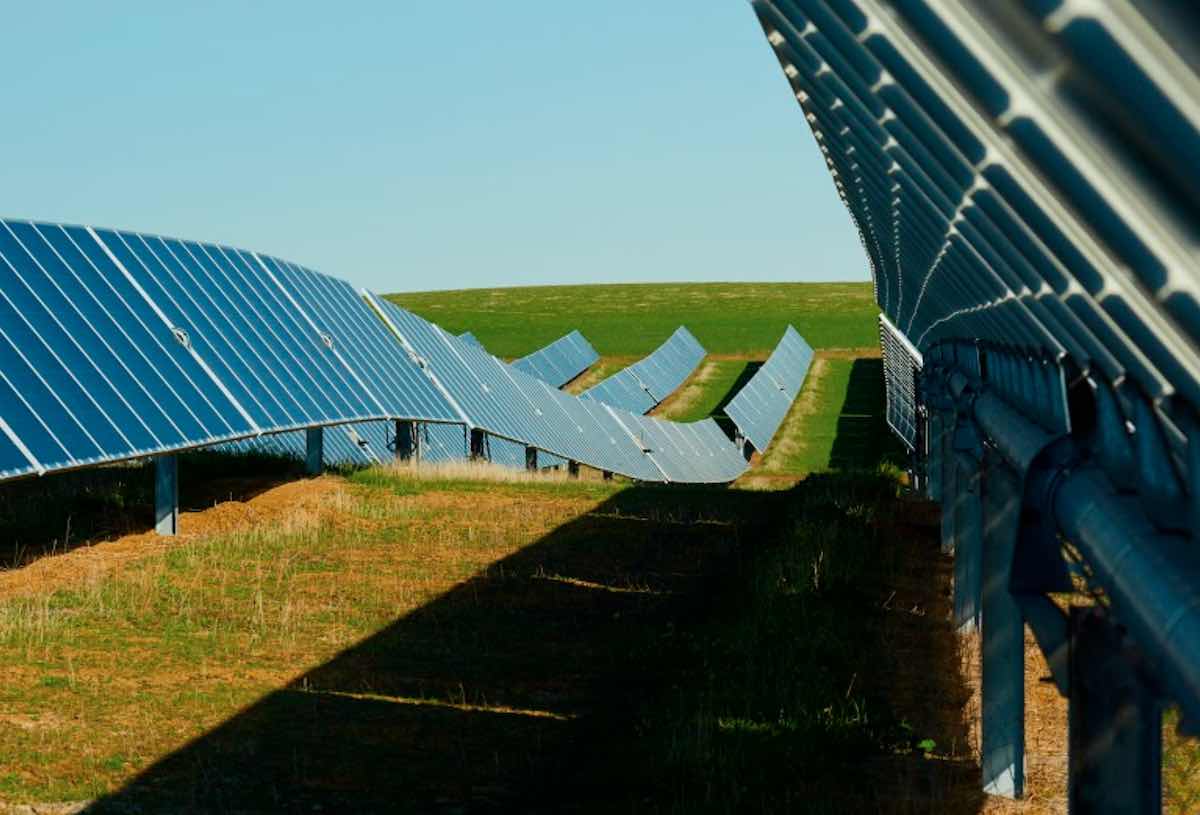
BNEF emphasised that technologies such as solar PV, battery storage, electric vehicles (EVs) and heat pumps can help nations improve their energy security. Even where coal is a domestically available resource, it will be outcompeted on cost in the long term, falling to half its current utilisation level by 2050 under the ETS.
BNEF energy storage analyst Isshu Kikuma directly addressed the impacts of the war, including the Strait of Hormuz closure, when interviewed for a recent Energy-Storage.news article, alongside fellow analysts Iola Hughes at Benchmark Mineral Intelligence and Dan Finn-Foley of Intertek CEA.
Kikuma said that markets relying on oil-linked gas, “such as those in Asia or Europe,” are currently seeing elevated power prices.
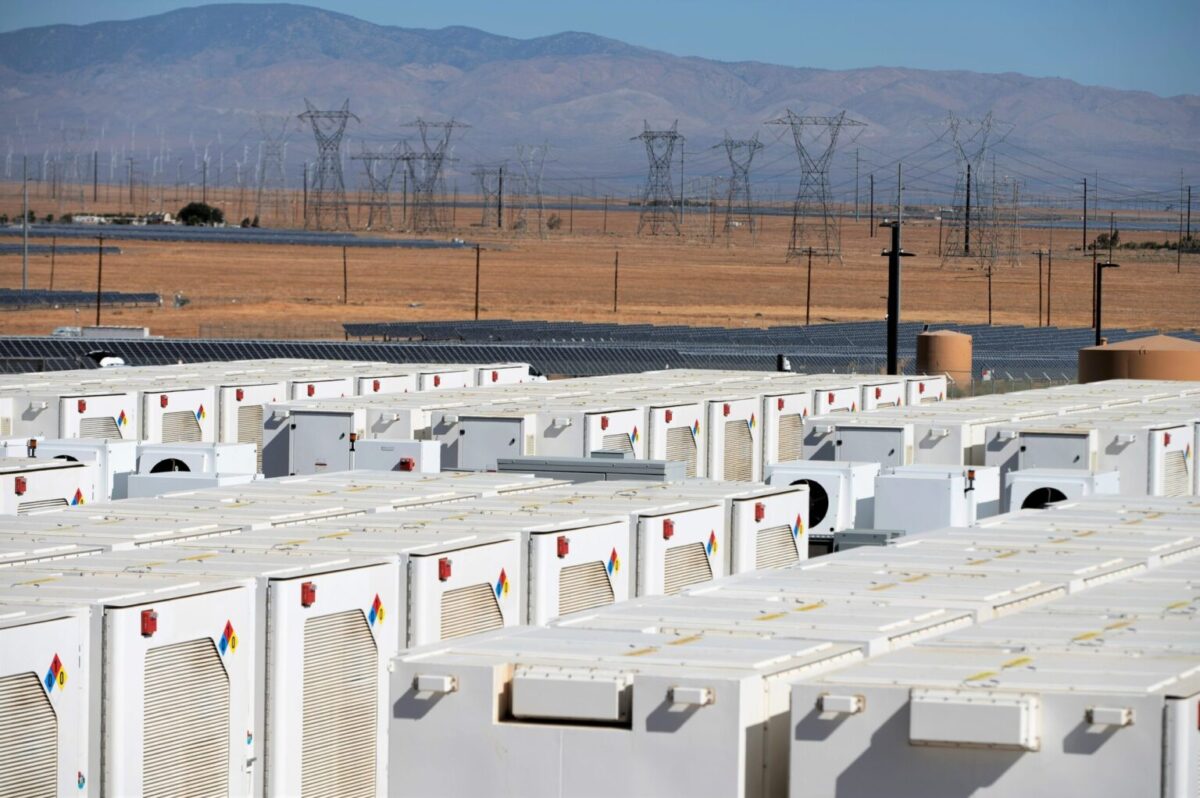
“Higher power prices, driven by spot gas prices, can improve the economics of energy storage, particularly in markets with high renewable penetration, especially solar, due to a wider intraday power price spread,” the analyst said.
The world has missed its window to limit global warming to 1.5°C by 2100. However, under the NZS, BNEF has modelled that it is technically and economically feasible to remain consistent with a peak temperature rise of 1.81°C by 2049 and 1.73°C by the end of this century.