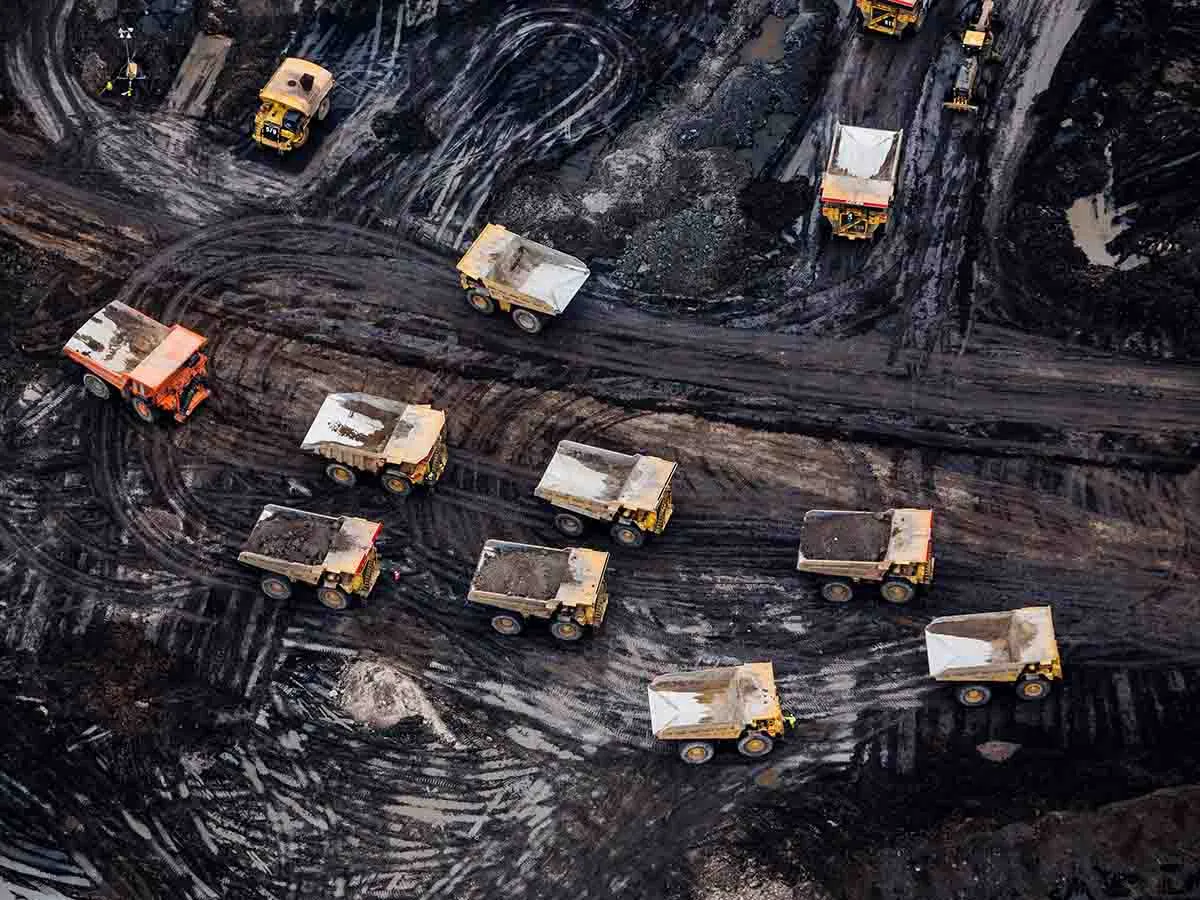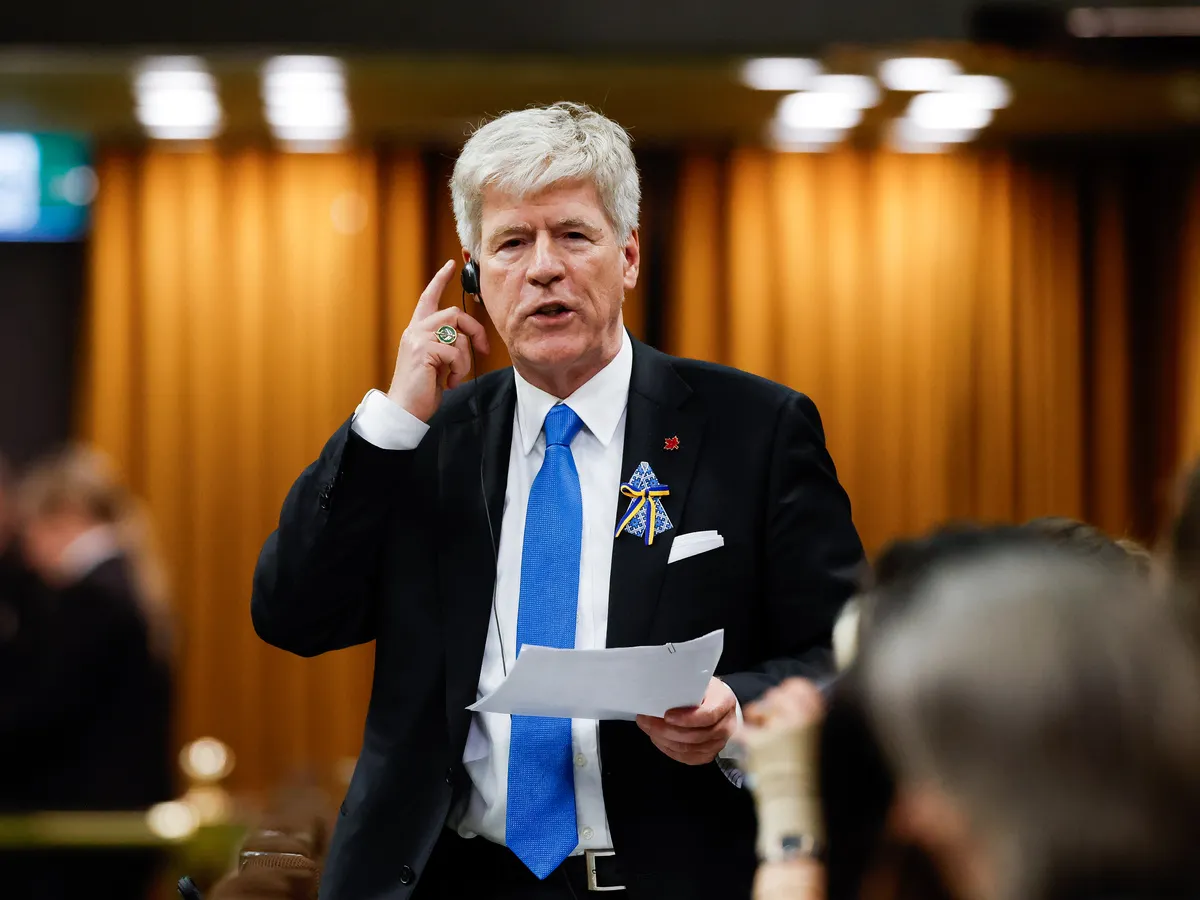
Skip to Content News Archives Economy Energy Oil & Gas Renewables Electric Vehicles Mining Commodities Agriculture Real Estate Mortgages Mortgage Rates Finance Banking Insurance Fintech Cryptocurrency Work Wealth Smart Money Wealth Management Investor Personal Finance Family Finance Retirement Taxes High Net Worth FP Comment Executive Women Puzzmo Newsletters Financial Times Business Essentials More Innovation Information Technology FP500 Podcasts Small Business Lives Told Tails Told Shopping Financial Post Store Obituaries Place a Notice Advertising Advertising With Us Advertising Solutions Postmedia Ad Manager Sponsorship Requests Classifieds Place a Classifieds ad Working Profile Settings My Subscriptions Saved Articles My Offers Newsletters Customer Service FAQ News Economy Energy Mining Real Estate Finance Work Wealth Investor FP Comment Executive Women Puzzmo Newsletters Financial Times Business Essentials HomeCommoditiesEnergyOil & GasOil sands firms can afford carbon capture, Hodgson saysThe project spearheaded by five of the largest oil sands companies would capture carbon dioxide and transport it more than 400 kilometresAuthor of the article:Last updated 17 minutes ago You can save this article by registering for free here. Or sign-in if you have an account.Minister of Energy and Natural Resources Tim Hodgson speaks during Question Period in the House of Commons on Parliament Hill in Ottawa on May 7, 2026. Photo by HYUNGCHEOL PARK/PostmediaEnergy Minister Tim Hodgson said he’s “highly confident” that Alberta oil sands companies can absorb the cost of building carbon capture, despite their protests that Canada’s climate rules hurt their global competitiveness.Subscribe now to read the latest news in your city and across Canada.Exclusive articles from Barbara Shecter, Joe O'Connor, Gabriel Friedman, and others.Daily content from Financial Times, the world's leading global business publication.Unlimited online access to read articles from Financial Post, National Post and 15 news sites across Canada with one account.National Post ePaper, an electronic replica of the print edition to view on any device, share and comment on.Daily puzzles, including the New York Times Crossword.Subscribe now to read the latest news in your city and across Canada.Exclusive articles from Barbara Shecter, Joe O'Connor, Gabriel Friedman and others.Daily content from Financial Times, the world's leading global business publication.Unlimited online access to read articles from Financial Post, National Post and 15 news sites across Canada with one account.National Post ePaper, an electronic replica of the print edition to view on any device, share and comment on.Daily puzzles, including the New York Times Crossword.Create an account or sign in to continue with your reading experience.Access articles from across Canada with one account.Share your thoughts and join the conversation in the comments.Enjoy additional articles per month.Get email updates from your favourite authors.Create an account or sign in to continue with your reading experience.Access articles from across Canada with one accountShare your thoughts and join the conversation in the commentsEnjoy additional articles per monthGet email updates from your favourite authorsSign In or Create an AccountorPrime Minister Mark Carney’s government reached an agreement earlier this month with Alberta on the trajectory of its industrial carbon price, a regime that forces heavy polluters to pay for carbon emissions but also generates credits for cutting greenhouse gas outflows.The deal was a crucial step toward building the $16.5 billion Pathways carbon capture project for the oil sands, which Carney has said is a necessary condition for approving a new crude oil pipeline to Canada’s Pacific coast. As the negotiations unfolded in recent months, however, oil companies began publicly arguing that the carbon price imposes a cost on the Canadian industry that other major oil producers don’t bear.In Hodgson’s view, those companies were mainly protesting that they weren’t directly at the table for the talks, he told Bloomberg in an interview.“The reality is the federal government and the provincial government had to agree on what the framework for carbon pricing was before we got them to the table,” he said. “Now that that’s been done, the engagement will happen. I am highly confident that given how we’ve structured this, that the cost of Pathways can be readily absorbed.”The project spearheaded by five of the largest oil sands companies, including Cenovus Energy Inc., Imperial Oil Ltd. and Suncor Energy Inc., would capture carbon dioxide from multiple facilities and transport it more than 400 kilometres by pipeline to a storage hub in eastern Alberta, where it would be stored underground.The new agreement targets 16 million metric tonnes of annual emissions reductions from Pathways — but gradually over the next two decades. The first phase, to be completed by 2035, would build enough carbon capture to remove 6 million metric tons annually. Hodgson said the hope is that technology will have substantially advanced by then, opening up more choices.“I think you’re going to see a bunch of new technologies that are going to get cheaper and cheaper and cheaper, and that’s going to create options for the Pathways folks,” Hodgson said.He cited direct air capture and forms of pre- and post-combustion carbon sequestration as examples of how the technology may change. But he also said the emissions reductions could take the form of using small modular nuclear reactors to power oil sands operations.“If your heat source was nuclear, you would dramatically drop the carbon intensity because you wouldn’t be burning the natural gas,” Hodgson said.Kendall Dilling, president of the Oil Sands Alliance, which represents the five companies behind the Pathways project, said the carbon price is still a “competitive disadvantage” for the Canadian oil sector — but added that a new oil pipeline for exporting to Asia does affect the calculus.“That’s the value add, that’s an offset on the production side,” he said at a Calgary Chamber of Commerce event Thursday. “I think there is a way where that all comes together, and on balance is a win-win.”Alberta Premier Danielle Smith said Friday that she expects an agreement can be reached over the summer on moving forward with Pathways.The next steps on the pipeline are now up to the Alberta government, which is acting as the proponent until enough approvals are in place that it can seek a private sector builder and operator.Alberta plans to unveil its pipeline proposal by July 1, at which point it would be assessed by the federal government’s Major Projects Office. Last week’s agreement included a pledge by Carney’s government to potentially designate the pipeline for regulatory fast-tracking by Oct. 1, and to approve construction by September 2027.Hodgson said those promises are contingent on Alberta fulfilling its side of the ledger when it comes to consultation.“They need to have a route,” he said. “They need to have had the conversations with British Columbia around the significant economic benefit for British Columbia. They need to have started the conversations and the engagement with First Nations.”Although Smith has made clear her government’s preference is for a route through northern B.C. that could end at the port of Prince Rupert or in that general area, she has also not ruled out trying to build along a southern route that could follow sections of the existing Trans Mountain pipeline that terminates near Vancouver.Hodgson said his government has no preference right now on which route Alberta decides to pitch.“What I’ve said over and over again is the proponent chooses the route. They need to do the work. We will react to the route that they propose,” he said.With assistance from Iain Boekhoff Join the Conversation This website uses cookies to personalize your content (including ads), and allows us to analyze our traffic. Read more about cookies here. By continuing to use our site, you agree to our Terms of Use and Privacy Policy.
Oil sands firms can afford carbon capture, Hodgson says
Energy Minister Tim Hodgson said he’s confident that Alberta oil sands companies can absorb the cost of building carbon capture. Read more.
1,248 words~6 min read