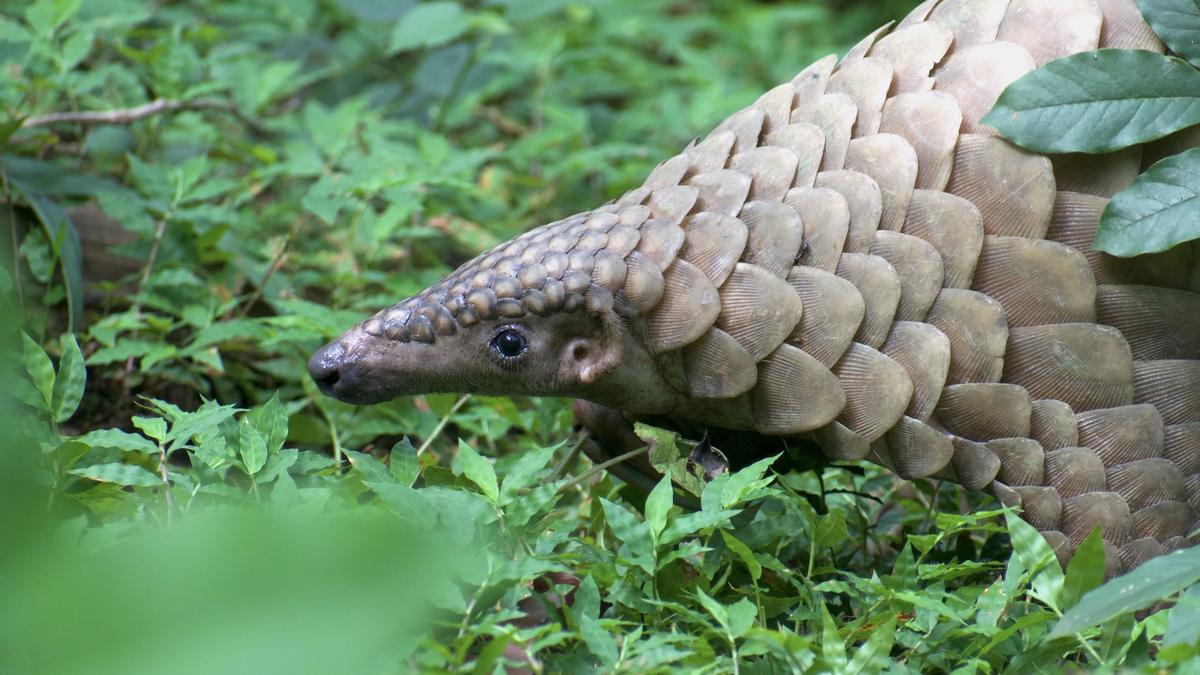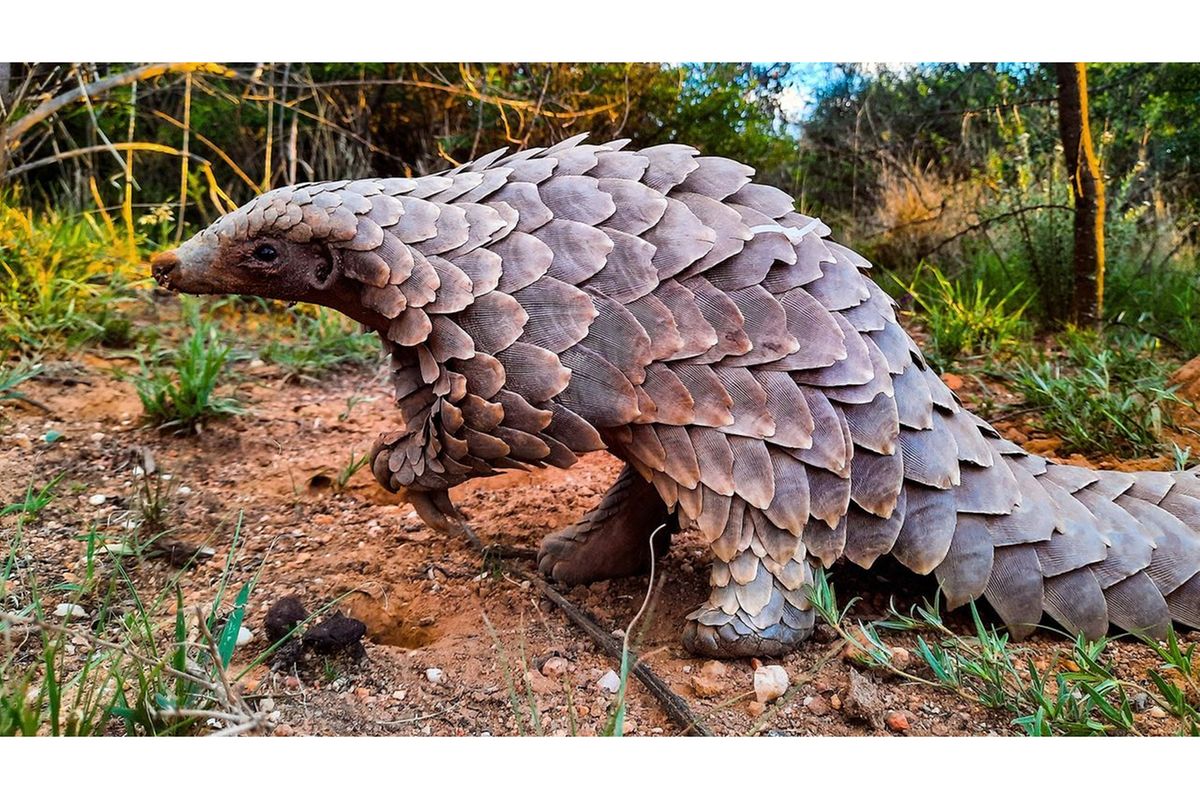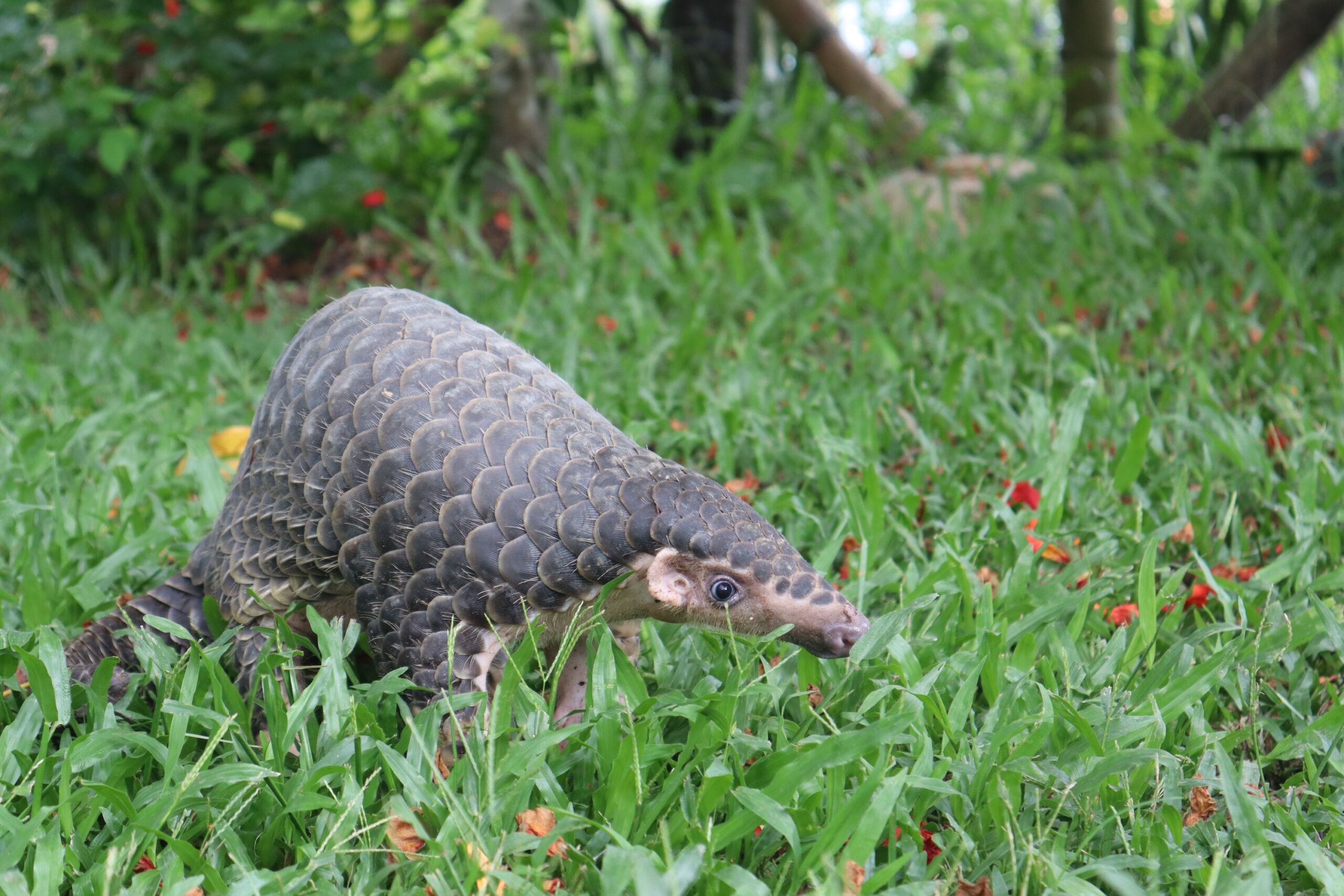
The Sangtam Naga community has passed a resolution banning pangolin hunting to address wildlife trafficking along the India-Myanmar border.Nagaland is a critical wildlife corridor for the illegal trade, with pangolins being the world’s most trafficked mammal.While pangolin hunting is already banned under India’s wildlife law, enforcement in Nagaland’s districts, where governance is largely community-driven with customary laws, becomes difficult. A community-led ban has greater influence.
In Nagaland’s Kiphire district, along the porous Indo-Myanmar border, pangolins have been hunted for decades — once due to cultural beliefs, and increasingly for trade, in a region identified as a key wildlife trafficking route.
“Our forefathers would say that if a pangolin enters a house, it was considered a bad omen or curse,” says L. Kipitong Sangtam, 61, a resident of Amahator village in Kiphire district. “In the past, if someone encountered a pangolin, they would try to catch and kill it, sometimes by digging it out of its burrow.”
Now, conservationists in Nagaland are turning to village councils and customary courts, to protect the elusive mammal. Though pangolin hunting is banned under India’s Wildlife Protection Act, enforcement remains difficult. So, conservationists are working with local tribal bodies, that have a greater influence in the state, to push for a local ban and safeguard the species.