“If you’re not at the table, you’re on the menu,” was the verdict back in January of Canadian prime minister Mark Carney on the world’s new diplomatic order — one which appears to be dominated by China and the United States.
In the past 10 days, Chinese president Xi Jinping has hosted state visits by US counterpart Donald Trump and Russia’s Vladimir Putin. Russia might not be an economic superpower, but it is fair to assume that trade was on the agenda in both cases. Trump left Beijing promising that China would be buying billions of dollars in extra agricultural goods from the US, though no detail has emerged since his trip.
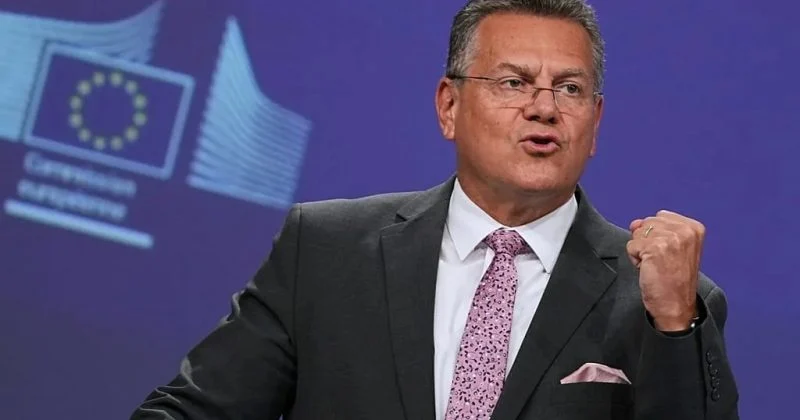
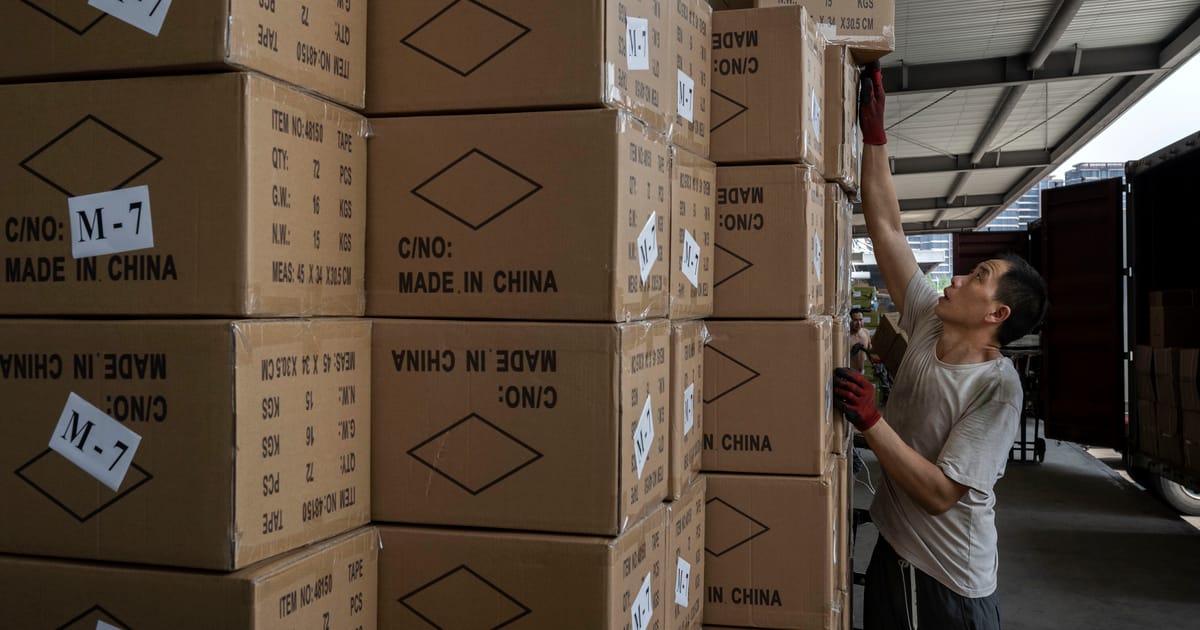
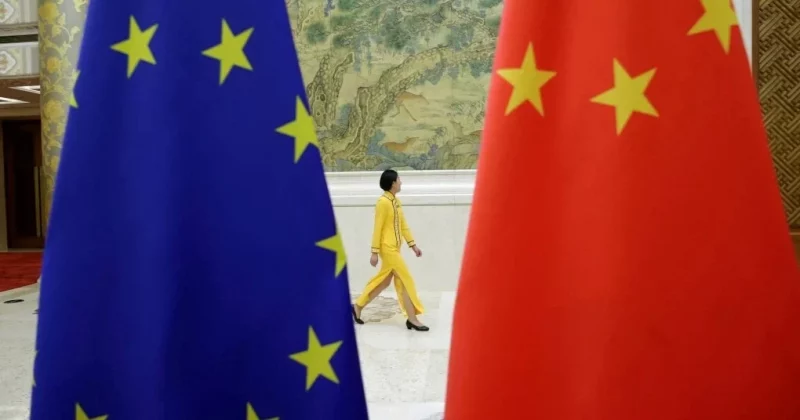
Next week, however, China will be on the menu when the EU’s college of commissioners meet on Friday (29 May) to discuss a series of new trade instruments that are aimed primarily at curbing Chinese imports to the EU.
Among a series of proposed changes to EU procurement rules, the single main item for discussion is a so-called ‘overcapacity instrument’ that would cap imports of Chinese products sector-by-sector.
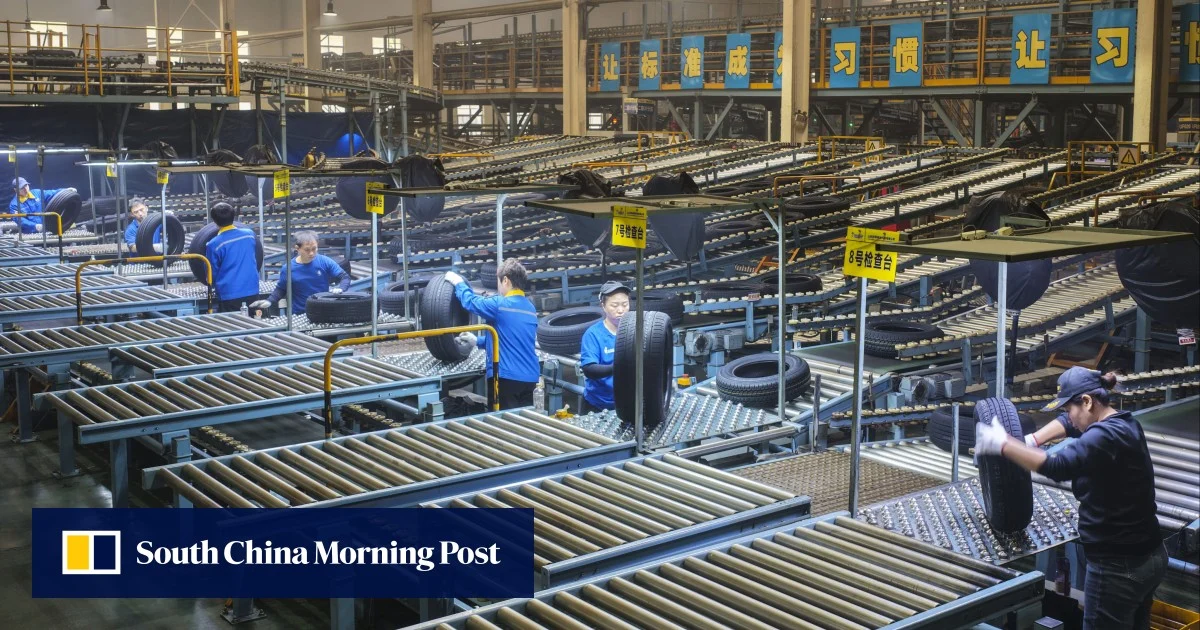
The commission insists that China is deliberately producing surplus steel, cars, solar panels and a raft of other products to drop the price and puts European rivals out of business.