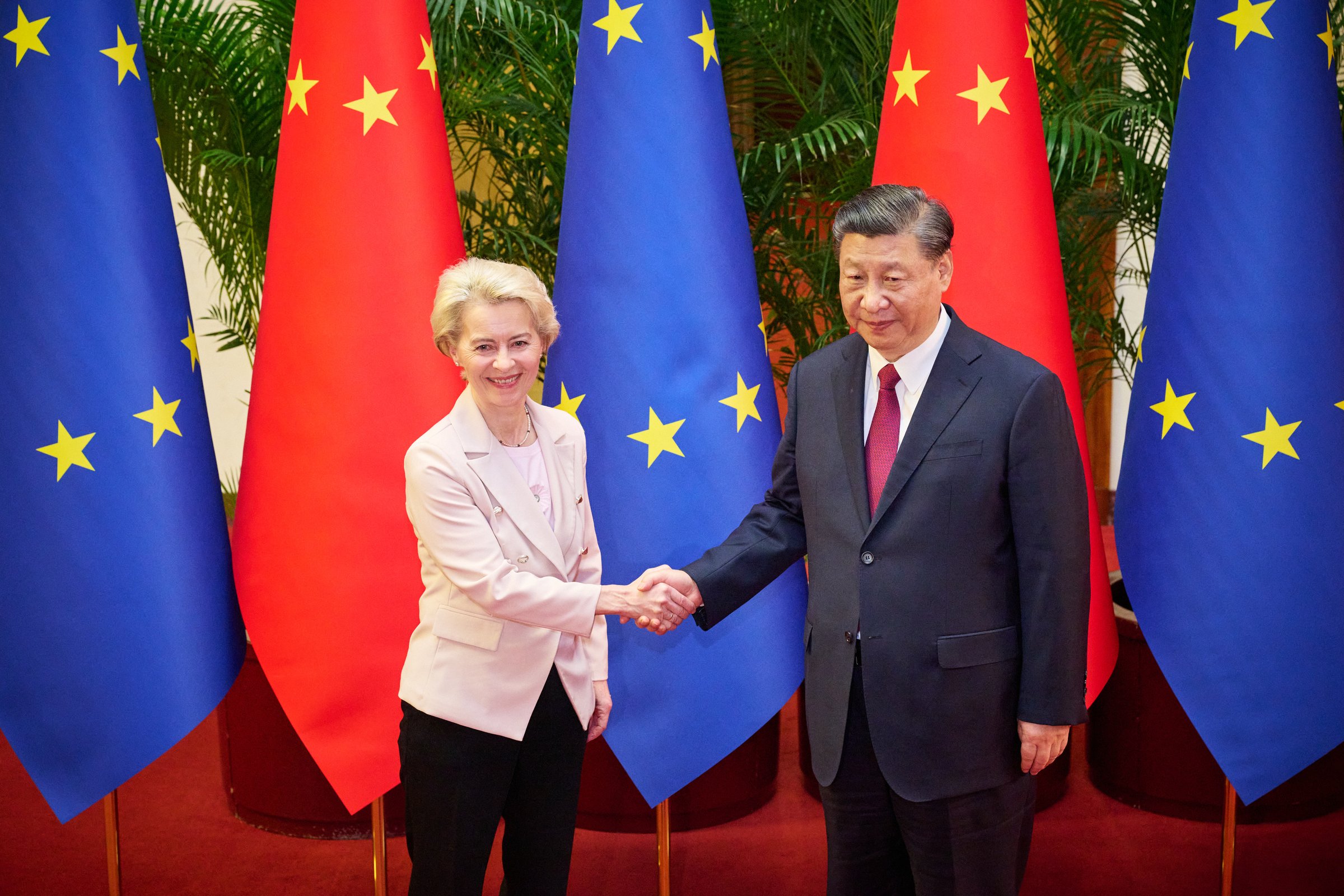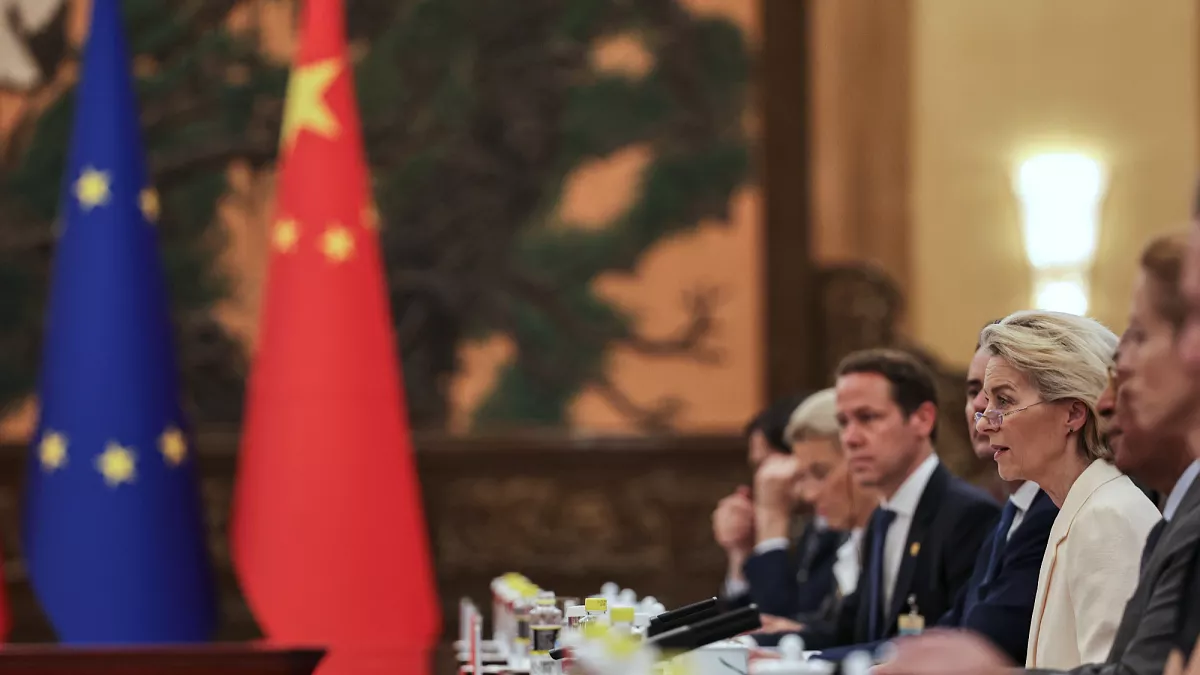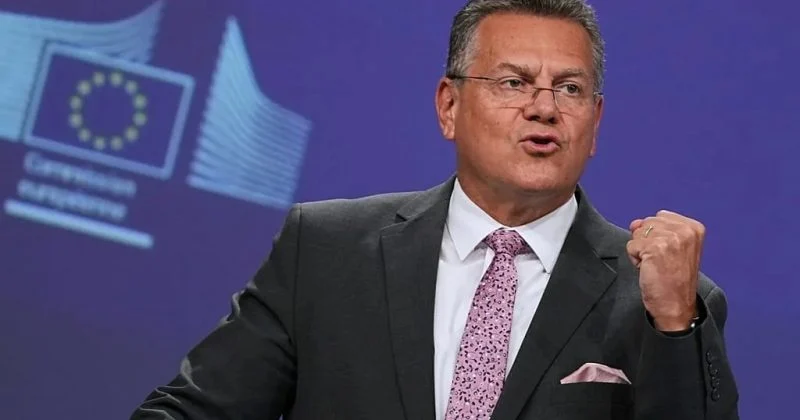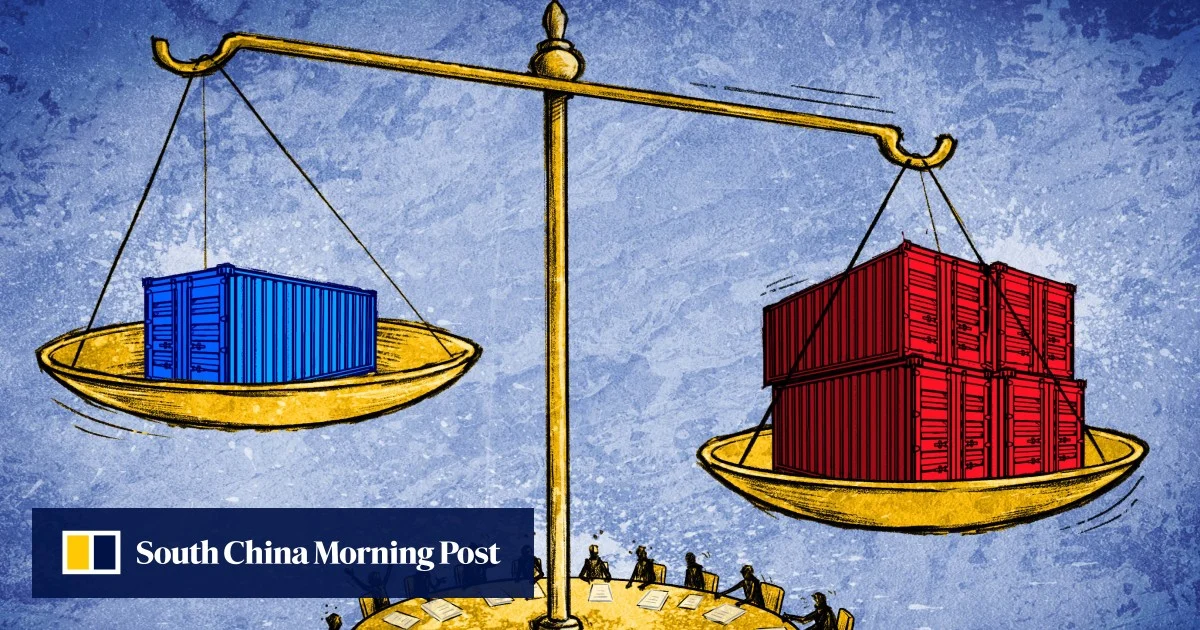
China has told the European Union, in no uncertain terms, that new restrictions on Chinese imports will be met with retaliation. The warning lands at a moment when the two economies are locked in a slow-motion trade standoff that’s been building for years, and it’s starting to look less like posturing and more like policy.
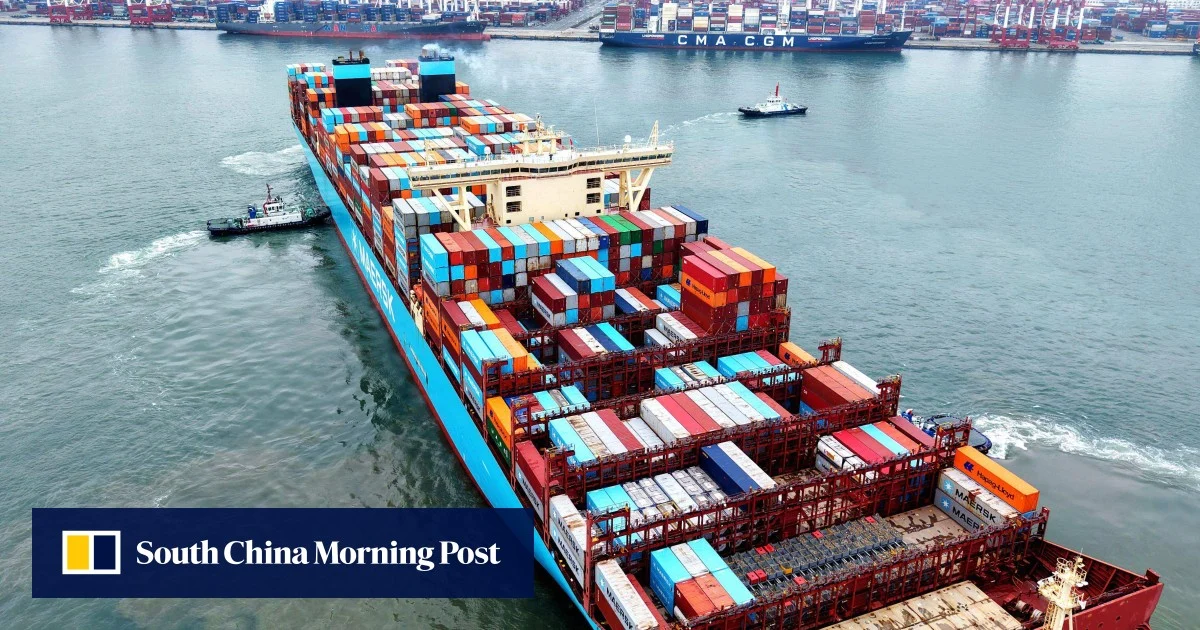
Here’s the thing: when your bilateral trade in goods hits roughly €732 billion in a single year, as EU-China trade did in 2024, threats of countermeasures aren’t abstract. They’re a financial earthquake waiting for a trigger.
The numbers behind the tension
The EU’s trade deficit with China reached €359.9 billion in 2024. That’s not a rounding error. It means the EU imported vastly more from China than it sent back, creating the kind of imbalance that makes politicians on both sides reach for tariff levers.
Brussels has been increasingly uncomfortable with this gap. The EU’s response hasn’t been limited to finger-wagging. It has been actively pursuing trade agreements with other economic blocs, most notably Mercosur and Australia, in what amounts to a diversification strategy.