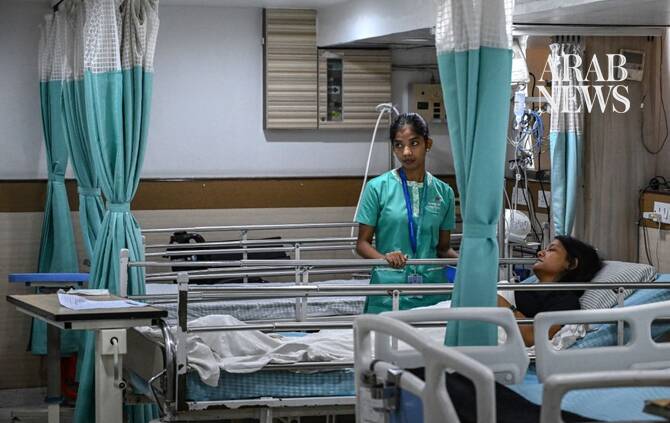
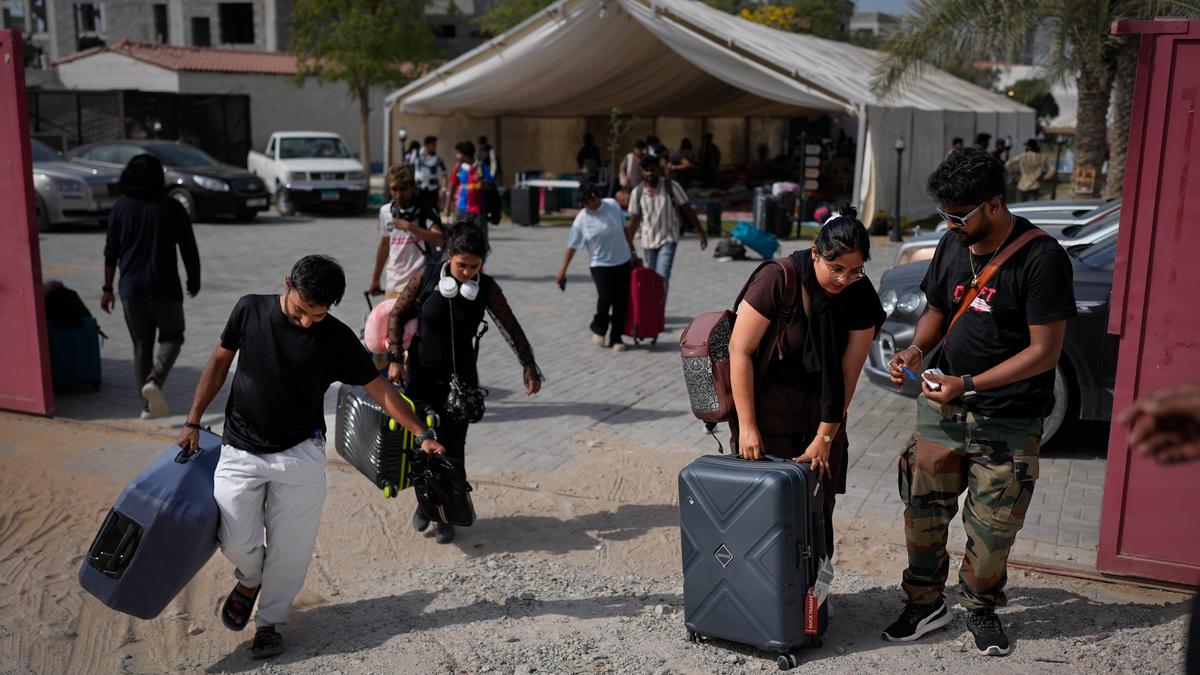
Escalating tensions in West Asia and the resulting disruption to air travel continue to weigh on India’s medical tourism industry, with overseas patient inflows still below levels seen before the conflict intensified earlier this year, The Times of India reported on May 25.West Asia remains a key source market for India’s medical tourism industry, which is estimated to be worth nearly $9 billion. Hospital chains said they are beginning to witness a gradual recovery in enquiries and arrivals from the region, although traffic has not yet normalised.Industry executives also warned that the prolonged geopolitical uncertainty could push up operating expenses through inflationary pressures and currency volatility, ToI's report (by Yogesh Kabirdoss) said.Also read | Kerala’s healthcare gold rush: How private equity is reshaping hospitals and raising fears over costsFortis Healthcare said West Asia contributes around 30% of its international business. According to the company, the immediate impact of the conflict was not visible during the initial days because many patients had already travelled to India before hostilities intensified. However, fresh arrivals declined significantly in March before improving gradually through April and May.The hospital operator noted that the crisis disrupted patient movement from several Gulf nations and neighbouring markets. It said the escalation in tensions at the end of February 2026 led to lower patient enquiries and a drop in actual arrivals due to flight disruptions, uncertainty over travel and visas, and broader safety concerns.International patient footfall across cities fell by nearly 30% during the early phase of the crisis, with a particularly sharp decline in arrivals from West Asia in early March.HealthCare Global Enterprises, or HCG, reported a 60%-70% decline in patient volumes from West Asian countries between March and May 2026 compared with the corresponding period last year. The company said patient arrivals have shown signs of improvement since April but remain below pre-February 2026 levels.Also read | Fortis liability case: Delhi HC says blame can't be shifted to third partyMax Healthcare also experienced lower patient inflows from several countries in the region, including Iraq, Oman, Yemen, Saudi Arabia and the UAE.Meanwhile, Apollo Hospitals said the impact on patient arrivals from the Middle East has so far been limited. However, the company indicated that the more significant challenge could emerge on the cost front, with inflationary trends and currency-related pressures likely to affect healthcare operators if the geopolitical turmoil persists.
India medical tourism market feels the weight of Iran war
India's medical tourism sector faces challenges as West Asian tensions continue. Overseas patient numbers remain lower than before the conflict intensified. Hospital chains report a gradual increase in inquiries and arrivals, but traffic has not fully recovered. Prolonged geopolitical uncertainty could also raise operating costs through inflation and currency fluctuations.
391 words~2 min read