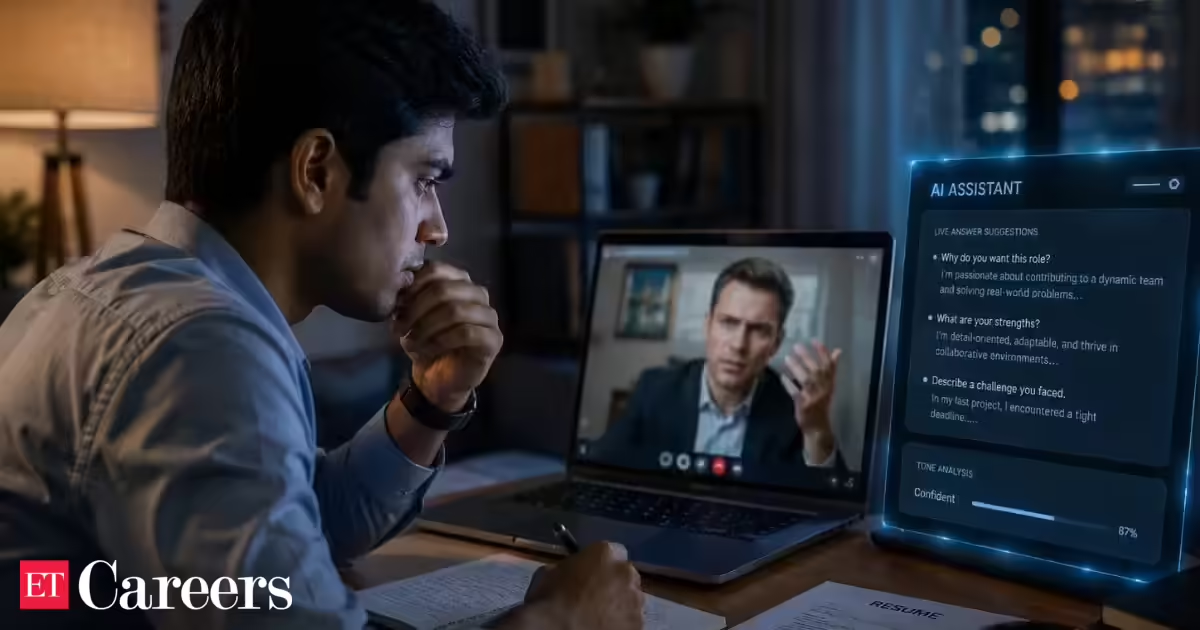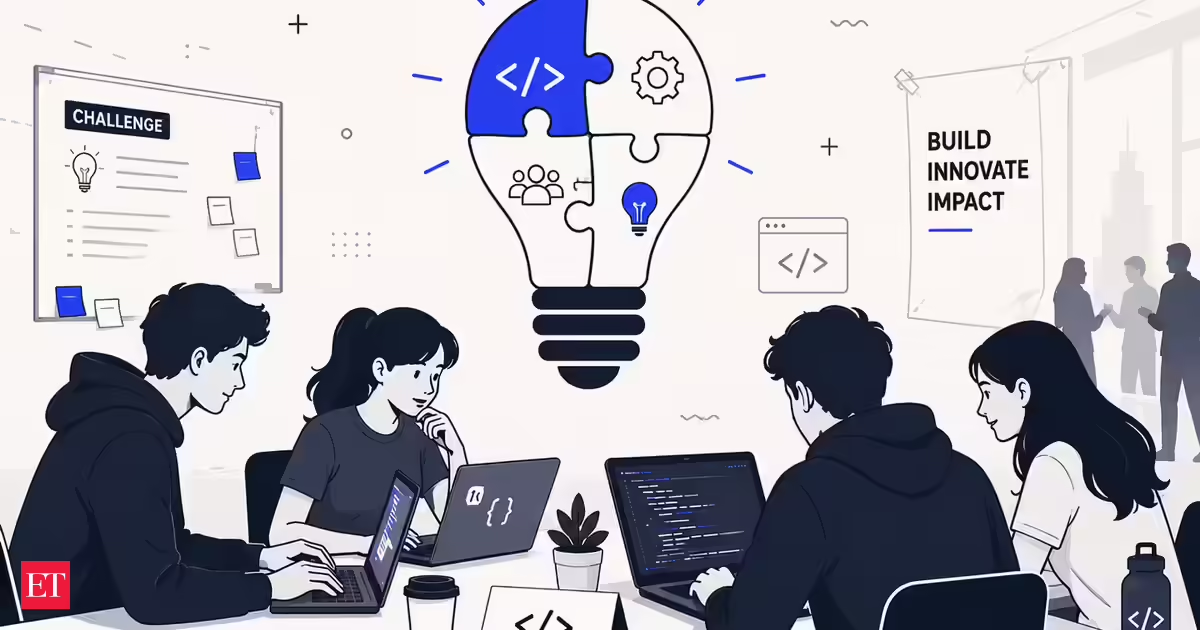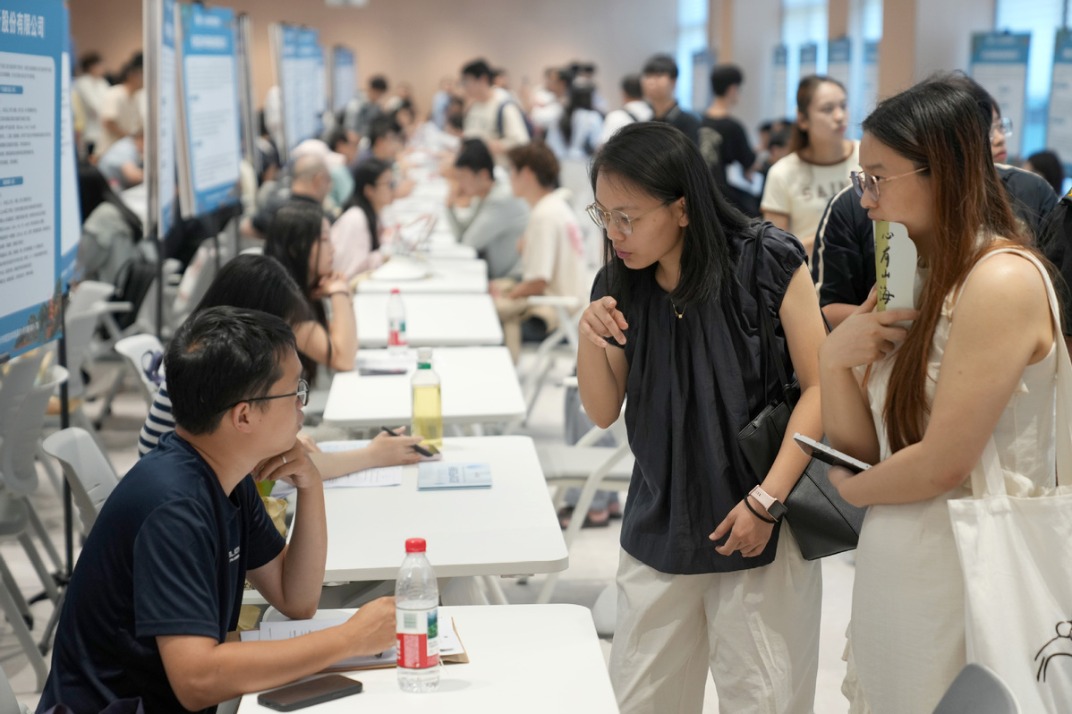
For decades, companies have relied on resumes as the first filter for talent. Degrees, past job titles, brand-name employers, and years of experience became shorthand for potential. But as AI reshapes how work is done, it is also changing how potential is identified. Today, a resume often says less about what a person can actually do, especially in fast-moving fields like artificial intelligence.This gap is becoming harder to ignore. A resume can list experiences, but it rarely shows how they think when a model breaks, how they frame a problem, or how quickly they can turn an idea into something usable. In a world where tools, models, and workflows change every few months, companies are realising that past credentials age quickly. What lasts longer is proof of capability in action.Because of this, companies are starting to look beyond written credentials. They want to see real work. Projects, prototypes, and live demos now carry more weight than polished summaries. When employers can see how a candidate builds and solves problems, hiring becomes less about assumptions and more about evidence.This is also where structured, real-world platforms are starting to play a larger role. Initiatives like the ET AI Hackathon 2.0 create environments where execution is visible by design. Participants are assessed on how they perform across problem selection, solution design, and final delivery. For companies, this creates a clearer view of how emerging talent performs in real situations. For participants, it becomes a strong signal of capability that goes beyond written credentials.Hiring decisions are increasingly shaped by what can be seen, not what can be assumed. Companies are paying closer attention to how candidates work in real situations rather than what resumes predict. Practical problem-solving carries weight because it shows real decisions being made under real constraints.AI is accelerating this shift by making it easier to build while demanding clearer thinking. Many candidates now use similar tools, but outcomes differ. What separates strong candidates is not access, but how thoughtfully those tools are applied to real problems.Over time, this shift will reshape how careers are built and discovered. Applications will no longer be the only way talent is discovered; companies will look more closely at visible work produced in real settings. Credentials will still matter, but they will no longer speak the loudest. For companies, this means better hiring signals. For talent, it reinforces a clear truth that building openly is becoming the most effective way to be seen.Be part of the ET AI Hackathon 2.0 where emerging AI talent proves their capability through real work.
How AI is shifting talent discovery from applications to real work
As AI reshapes how work is done, it is also changing how companies identify potential. Resumes reveal less about real capability, pushing employers to value visible execution over credentials. Platforms like ET AI Hackathon 2.0 highlight this shift by showcasing problem-solving, projects, and prototypes, offering companies clearer hiring signals and giving talent a credible path to be discovered through innovation.
424 words~2 min read