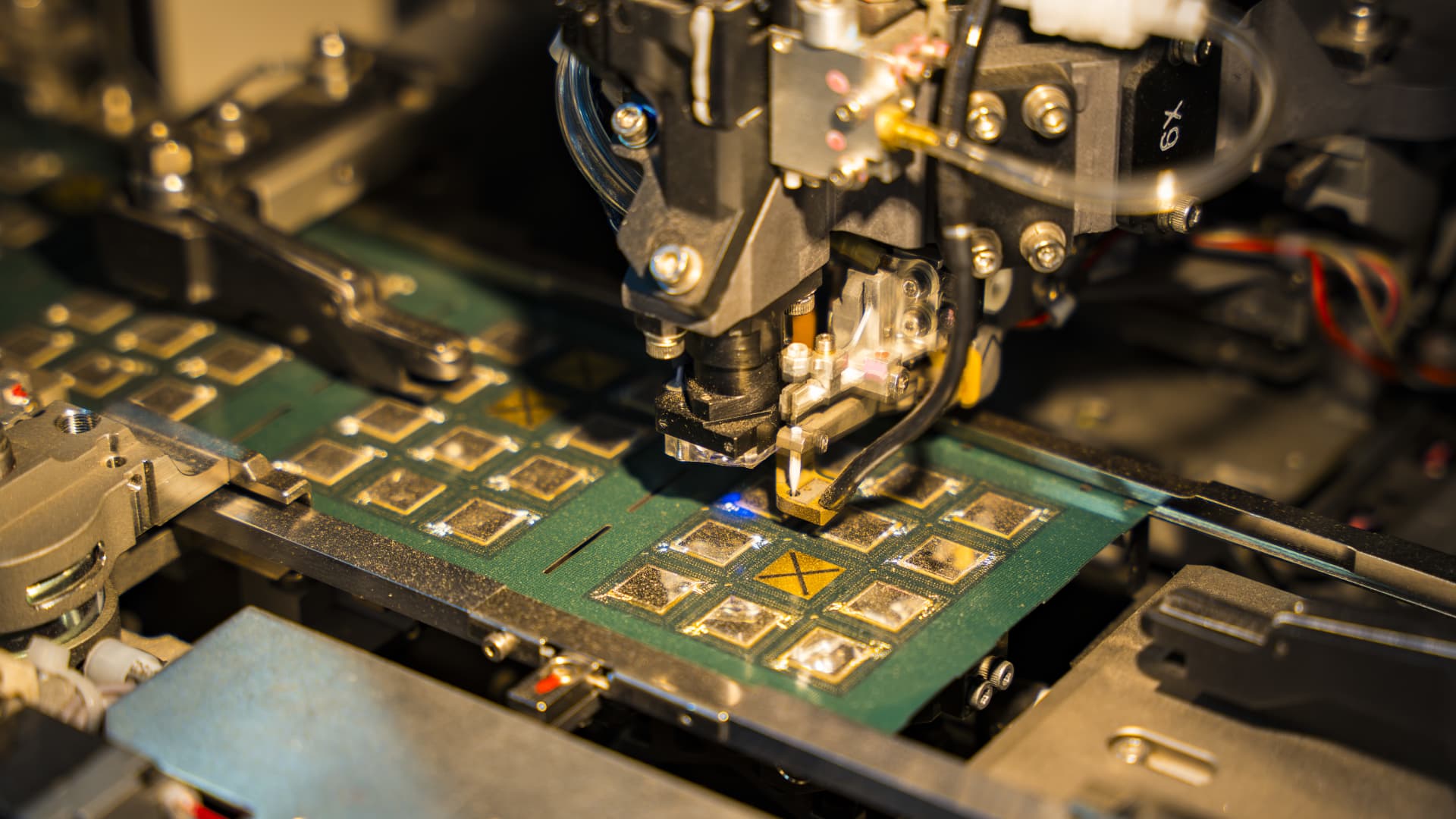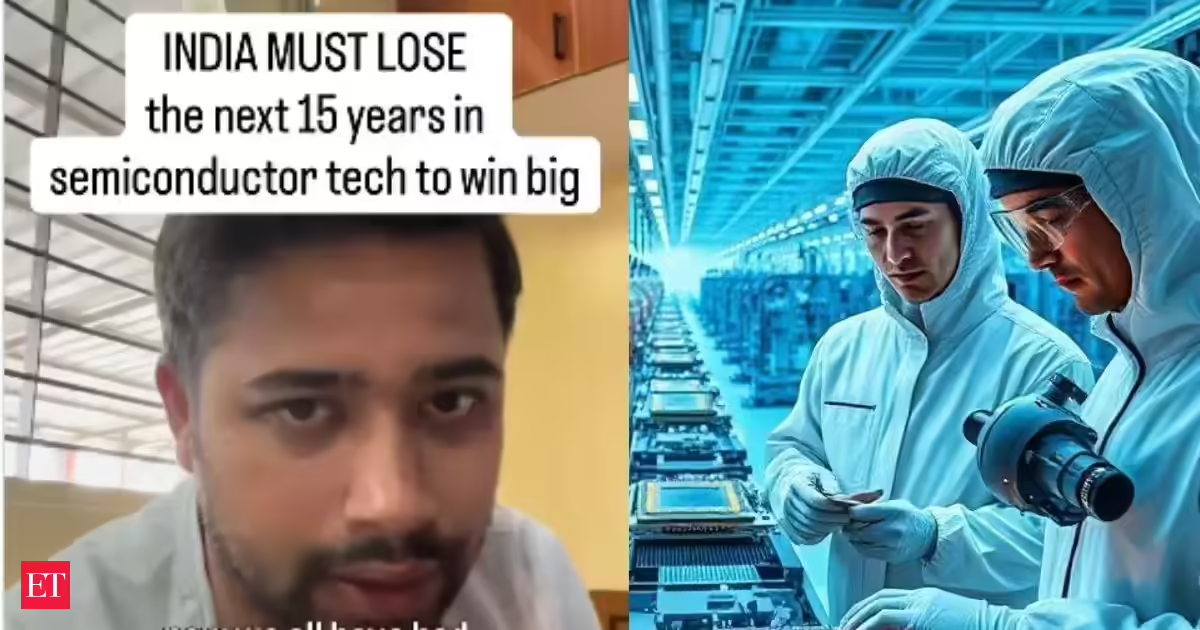
A debate around India’s technology future has erupted online after a viral video suggested that the country should avoid investing heavily in traditional silicon chip manufacturing for the next 15 years and instead focus directly on futuristic technologies such as photonic, neuromorphic and quantum-hybrid chips. The argument has triggered sharp reactions online with many believe India cannot afford to ignore the basics while chasing the future.The discussion gained traction after a viral video compared the idea to India’s rapid adoption of mobile phones without first building a large landline network. Supporters of the idea say India has succeeded before by skipping older infrastructure models and directly embracing modern systems like UPI-based digital payments and mobile internet.Why the “Skip Silicon” Theory Sounds AttractiveThe pitch behind the idea is simple: why spend billions building technology that may eventually become outdated when the global industry is already moving toward next-generation computing?— IndianTechGuide (@IndianTechGuide) He said India should follow leapfrog strategy to concentrate its resources on emerging fields where the competition is still open. Technologies like photonic chips, which use light instead of electricity, neuromorphic systems inspired by the human brain, and quantum-linked computing are widely seen as the next frontier of computing power.The recent global chip shortage during the pandemic is repeatedly being cited as a warning sign. Supply disruptions affected everything from car production to electronics manufacturing, exposing how vulnerable countries become when they lack domestic semiconductor capacity.Building Factories Is About More Than ChipsThose backing domestic semiconductor manufacturing say the issue goes beyond technology alone. Setting up fabrication plants creates an entire industrial ecosystem involving skilled workers, research facilities, testing units, logistics networks, power infrastructure and water management systems. Such investments can generate employment, improve strategic independence and reduce exposure to global geopolitical tensions.India’s current semiconductor strategy appears to combine both approaches instead of choosing one over the other.At the same time, institutions such as IIT Madras have reported progress in silicon photonics research for high-speed data transfer, AI systems and quantum applications. The upcoming ISM 2.0 programme announced in the Union Budget is also expected to focus on chip design, materials, equipment manufacturing and advanced research areas including photonic integration and emerging materials.Semiconductor manufacturing remains one of the most difficult industries to build from scratch.Fabrication plants require huge capital investment, uninterrupted electricity, ultra-clean environments and massive quantities of purified water. Countries competing in the semiconductor race are also investing aggressively, making the global market highly competitive.As discussions continue online, one message is becoming clear: India’s semiconductor ambitions are no longer limited to assembly lines alone. The focus is now shifting toward building deeper technological capability, without losing sight of practical realities.
'India must lose the next 15 years in semiconductors': Viral video suggest a 'landline' formula to win the global tech war
A debate is raging in India over whether to skip traditional silicon chip manufacturing for 15 years and focus on futuristic technologies like photonic and quantum chips. While some argue for leapfrogging, others emphasize the foundational importance of silicon. India's strategy appears to blend both, aiming for deeper technological capability.
440 words~2 min read