By tying caste recognition to religion, the law risks excluding those who continue to face the same discrimination it seeks to remedy.
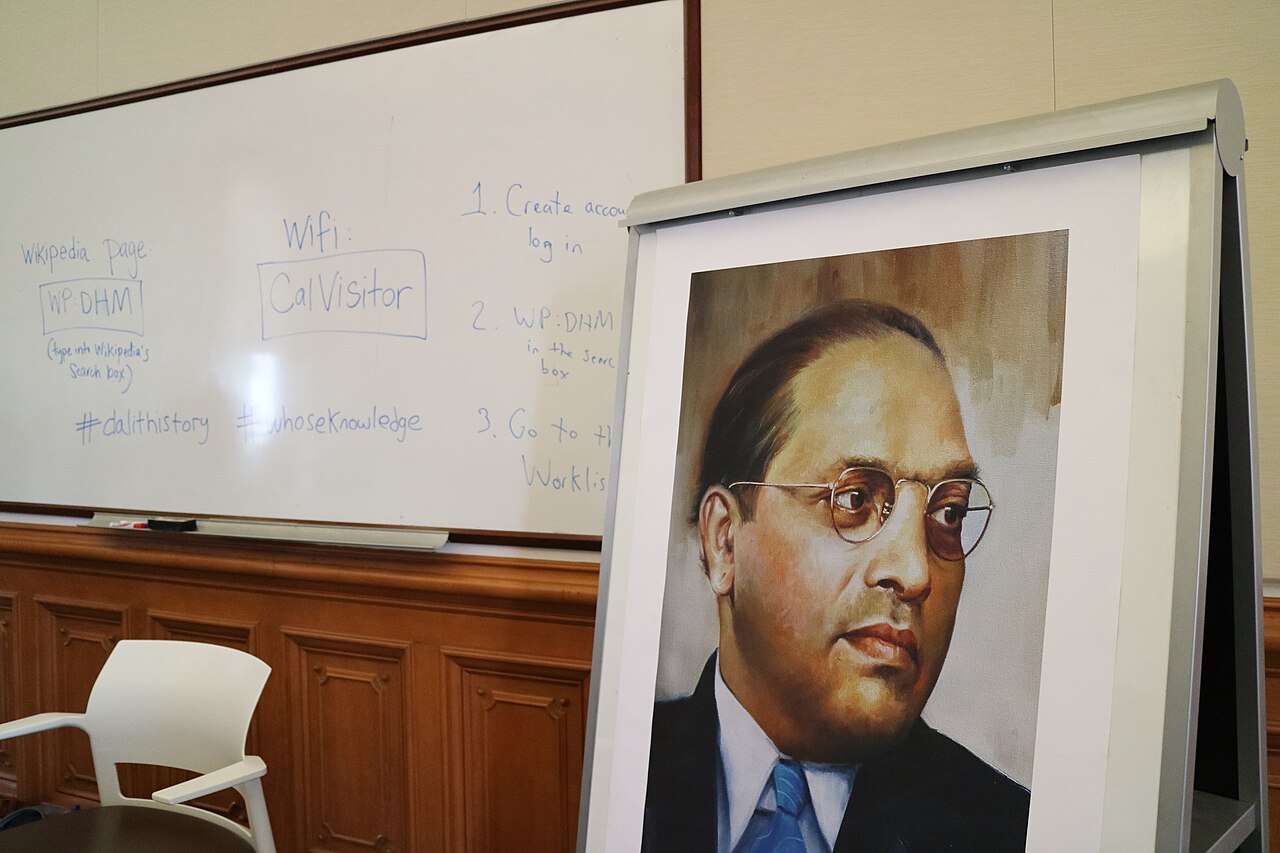
Compared to affirmative action in the US and South Africa, India’s religion-linked approach to caste recognition stands out as an exception. Zhengan, CC BY-SA 4.0, Wikimedia Commons.
By tying caste recognition to religion, the law risks excluding those who continue to face the same discrimination it seeks to remedy.
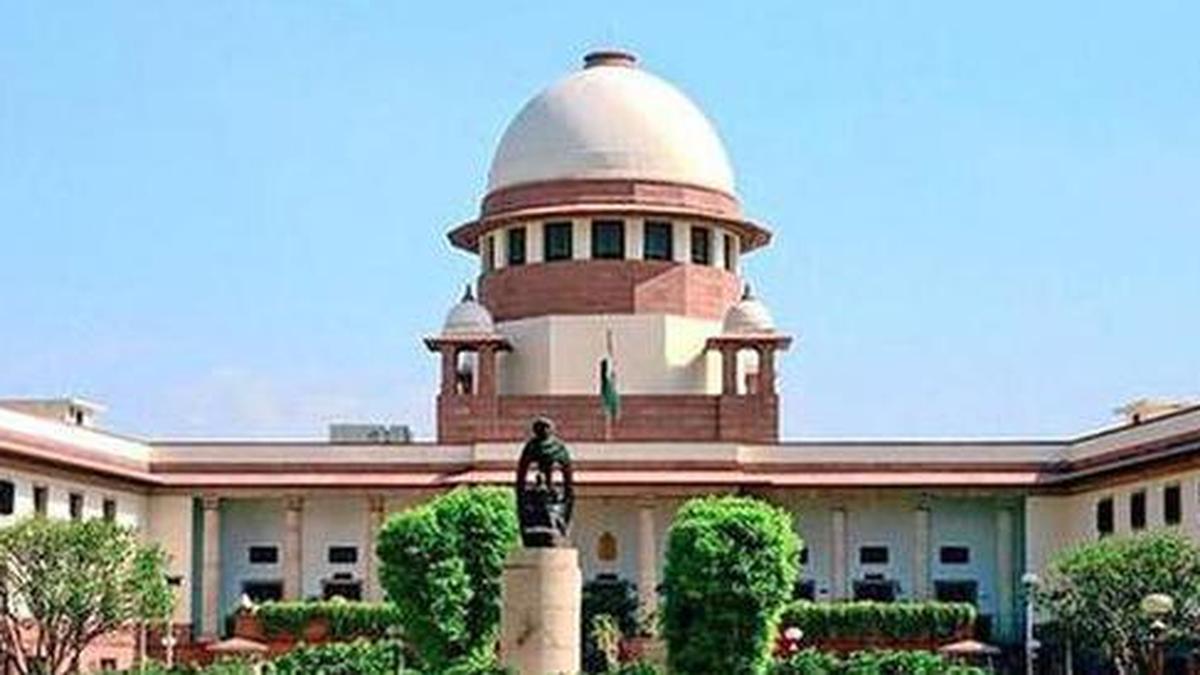
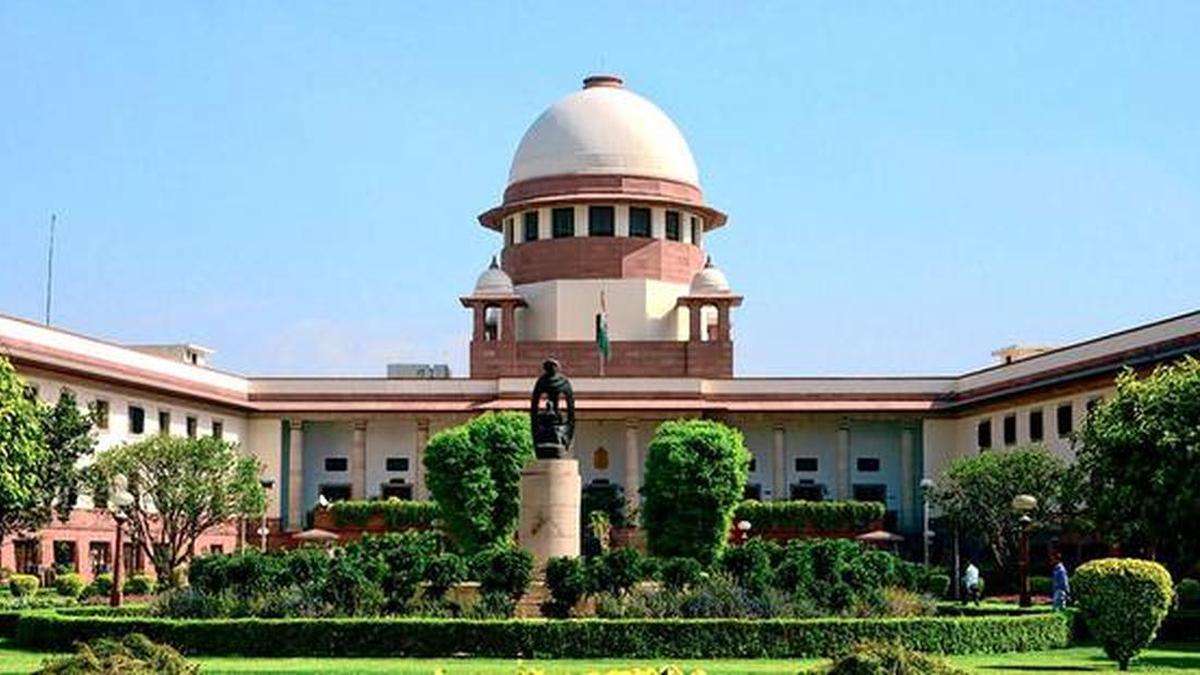
When the Supreme Court reiterated that the exclusion of Dalit converts from Scheduled Caste (SC) status is “absolute and admits no exception,” it does more than settle a doctrinal question.
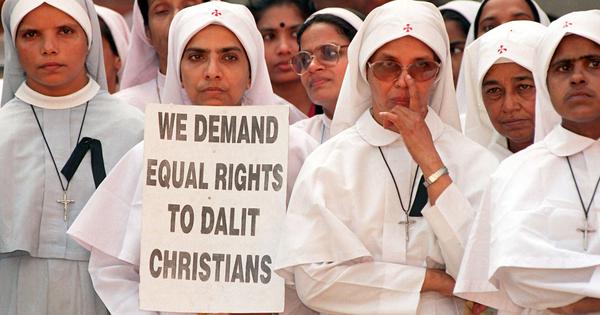
It revives a foundational constitutional dilemma: can the law deny protection against caste-based discrimination simply because an individual has changed religion? More critically, does caste itself disappear upon conversion, or does the law merely choose not to see it? This tension between constitutional text and social reality lies at the heart of the debate on SC status for converts to Islam and Christianity.