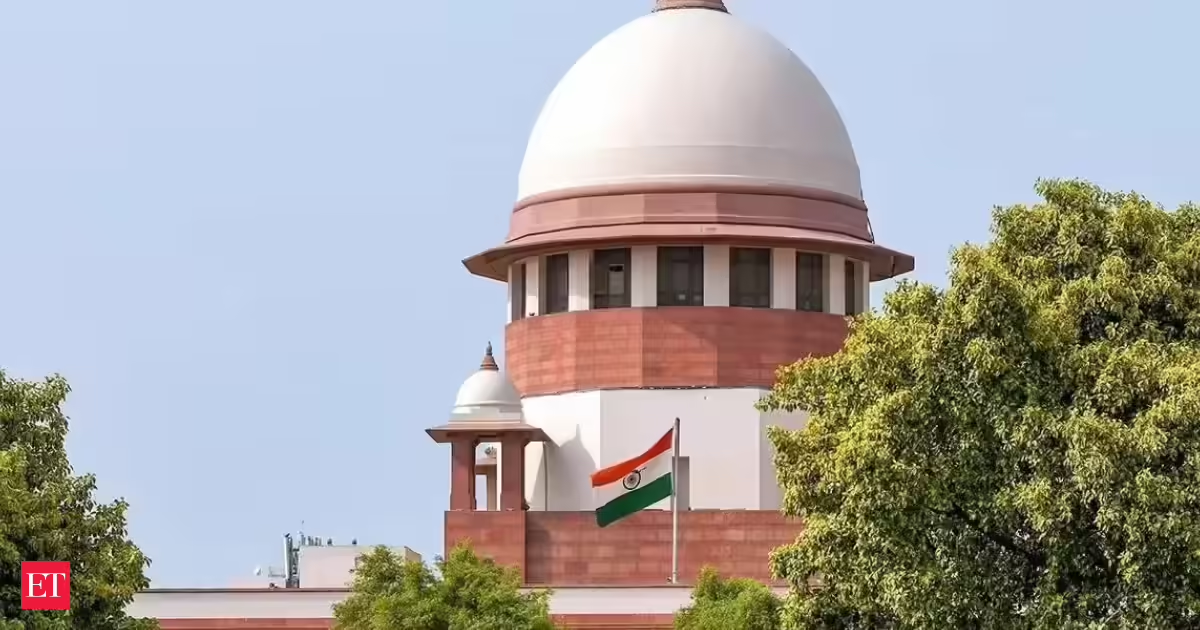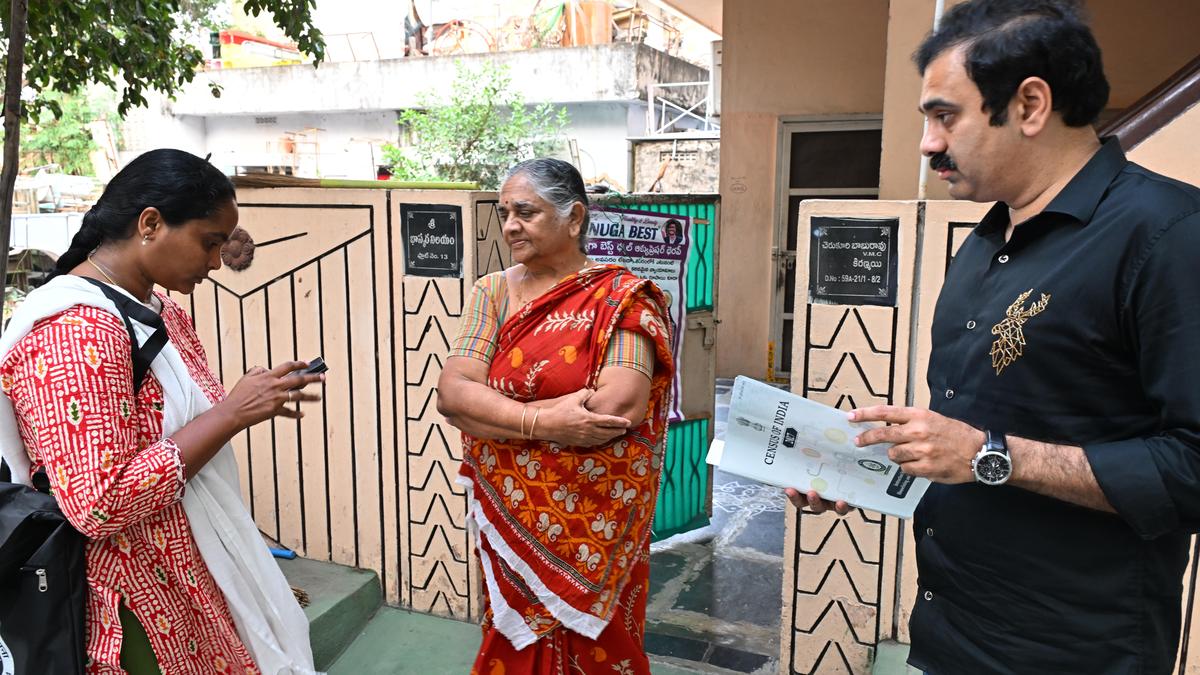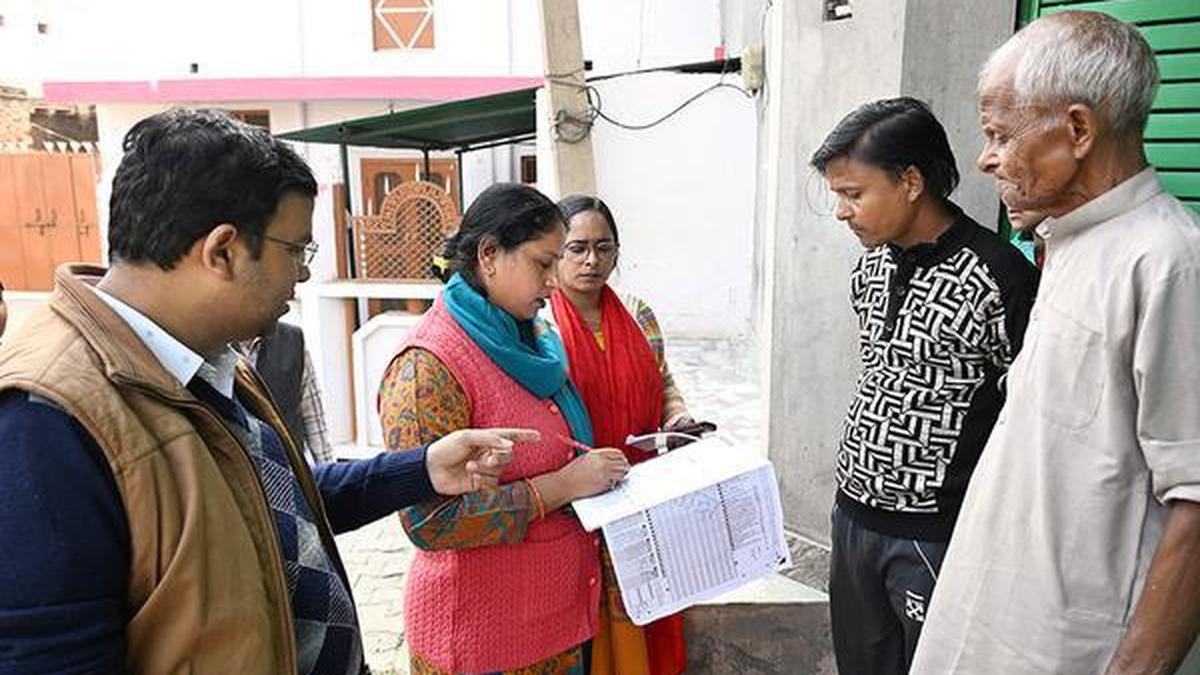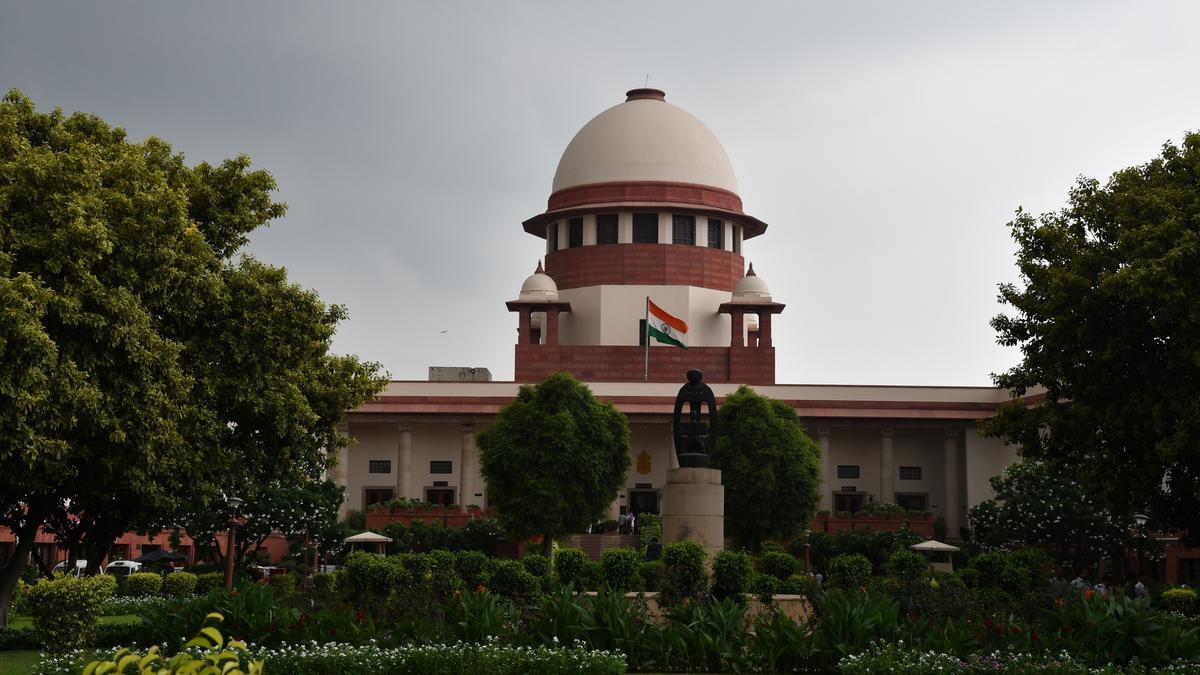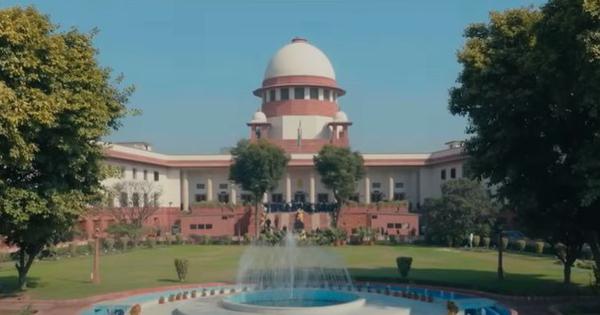
The Supreme Court on Wednesday dismissed a public interest litigation demanding that caste enumeration be kept out of the Census 2027 exercise, Bar and Bench reported.A bench comprising Chief Justice Surya Kant and Justices Joymala Bagchi and Vipul Pancholi said that the matter lies within the government’s domain and that the courts cannot intervene.“Any government of the day must know how many people are backward and how many need welfare,” The Hindu quoted Kant as saying. “This is a matter of policy.”The petitioner contended that there was no justification for collecting such a large amount of data on caste. “There are endless possibilities of politicians and corporate entities misusing the caste data,” he argued, according to The Hindu.However, the court said that there was no reason for it to intervene, and went on to dismiss the petition.The Census 2027 will take place in two phases – house listing from April 2026 to September 2026, and population enumeration in February 2027.The last decennial census exercise was held in 2011. In 2020, India was set to begin the first phase of the exercise – in which housing data is collected – but it had to be delayed as the Covid-19 pandemic hit.India had last conducted an exercise to count the population of all caste groups in 1931. In independent India, census reports have published data noting the population of Scheduled Castes and Scheduled Tribes but not other caste groups.In April 2025, the Cabinet Committee on Political Affairs approved the enumeration of caste in the next census.The Opposition had been demanding a nationwide caste census. The proponents of such an exercise argue that it will help identify the true population of the country’s Other Backward Classes and other castes, in turn paving the way for policies such as expanded quotas in jobs and education.Edited by Sara Varghese.Also read: ‘The Caste Con Census’: Anand Teltumbde argues that a nationwide caste census cannot annihilate it
SC dismisses petition to exclude caste enumeration from Census 2027
The bench said that the matter lies within the government’s domain and that the courts cannot intervene.
320 words~1 min read