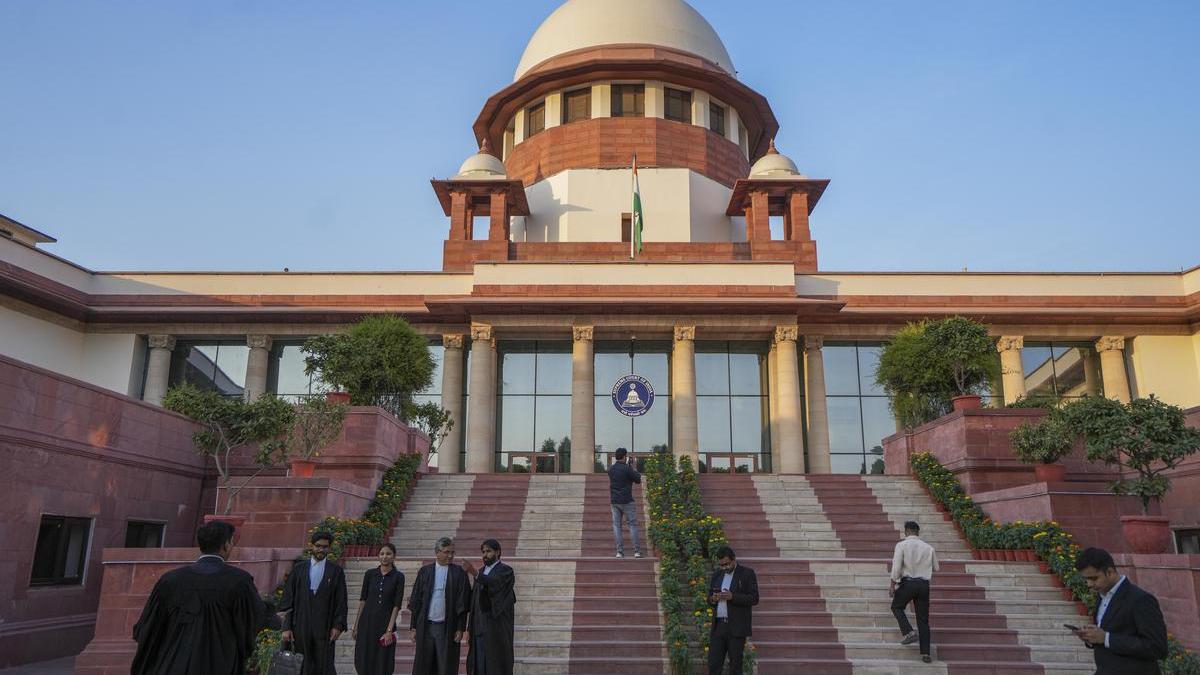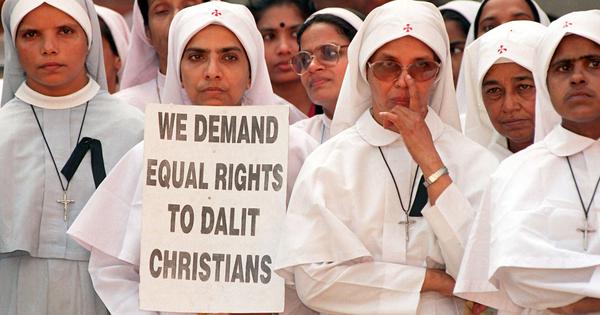
The Supreme Court on Tuesday (March 24, 2026) held that a pastor from the Madiga community in Andhra Pradesh could not claim Scheduled Caste status after converting to a religion not covered under the Constitution (Scheduled Castes) Order, 1950, which the court says imposes a religion bar that is “absolute”.
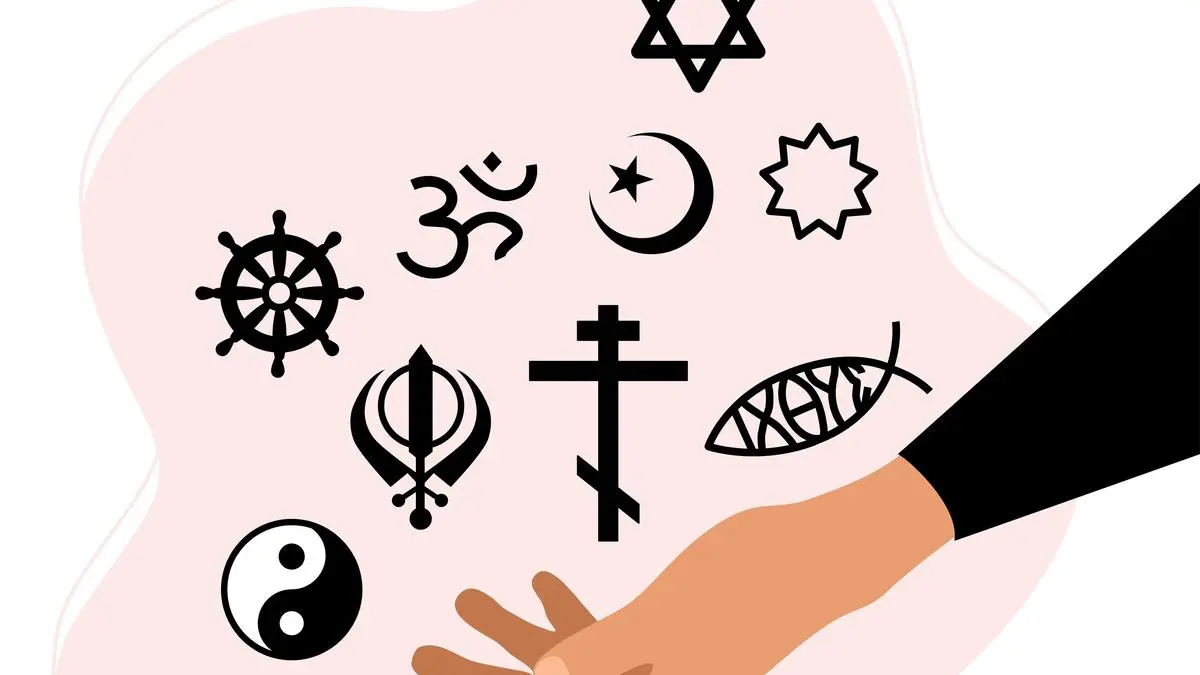
Upholding a judgment of the Andhra Pradesh High Court, the apex court ruled that a person professing any religion other than Hinduism, Buddhism, or Sikhism cannot be recognised as a member of a Scheduled Caste and is therefore ineligible for the benefits and protections extended to SC communities.
Supreme Court on SC status for religious converts
A Bench of Justices Prashant Kumar Mishra and Manmohan held that conversion to a religion outside those specified in the 1950 Order results in the “immediate and complete loss of Scheduled Caste status from the moment of conversion, irrespective of birth”. It said that a convert who does not profess Hinduism, Buddhism, or Sikhism as listed in Clause 3 of the Order cannot claim any statutory benefit, protection, reservation, or entitlement available to members of the Scheduled Castes.
The judgment further clarified that a person claiming to have reconverted to Hinduism, Sikhism, or Buddhism must cumulatively and conclusively establish proof of earlier caste status, provide credible and unimpeachable evidence of bona fide reconversion, and demonstrate acceptance and assimilation by members of the original caste community.