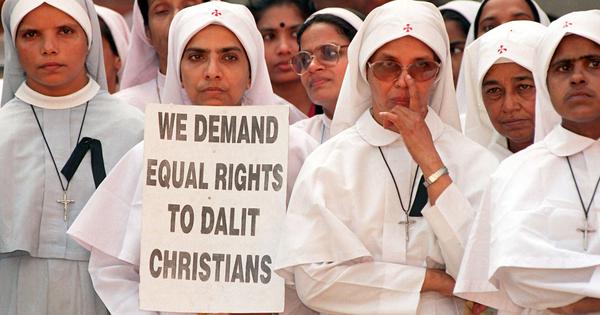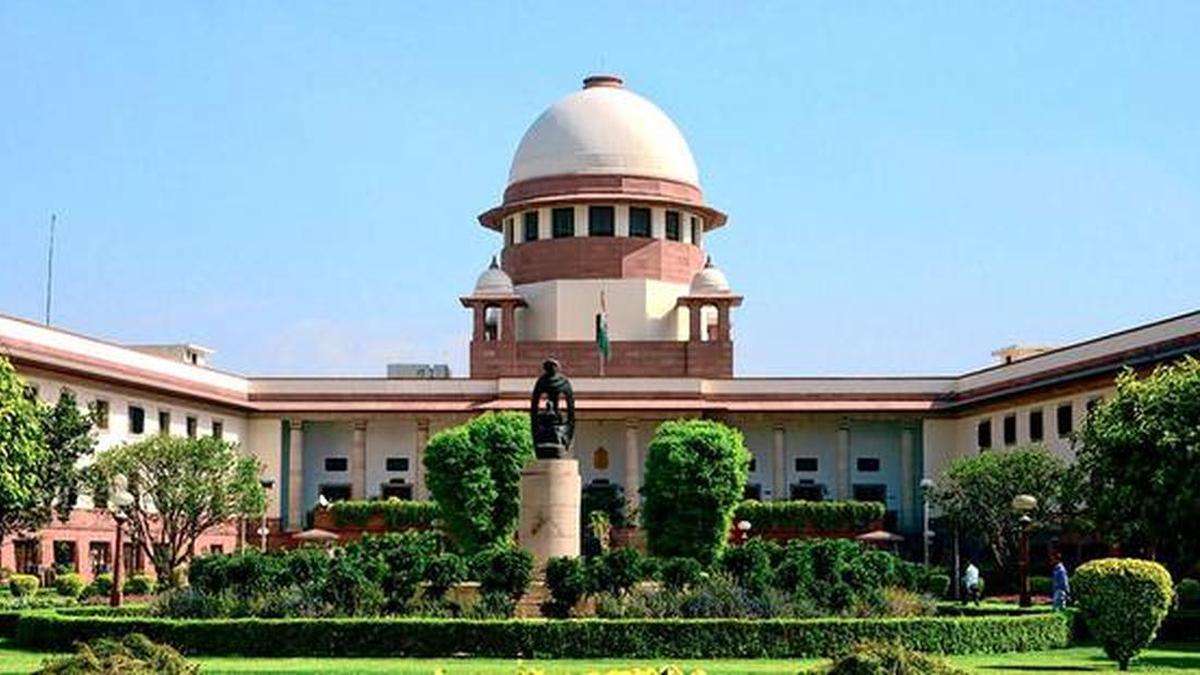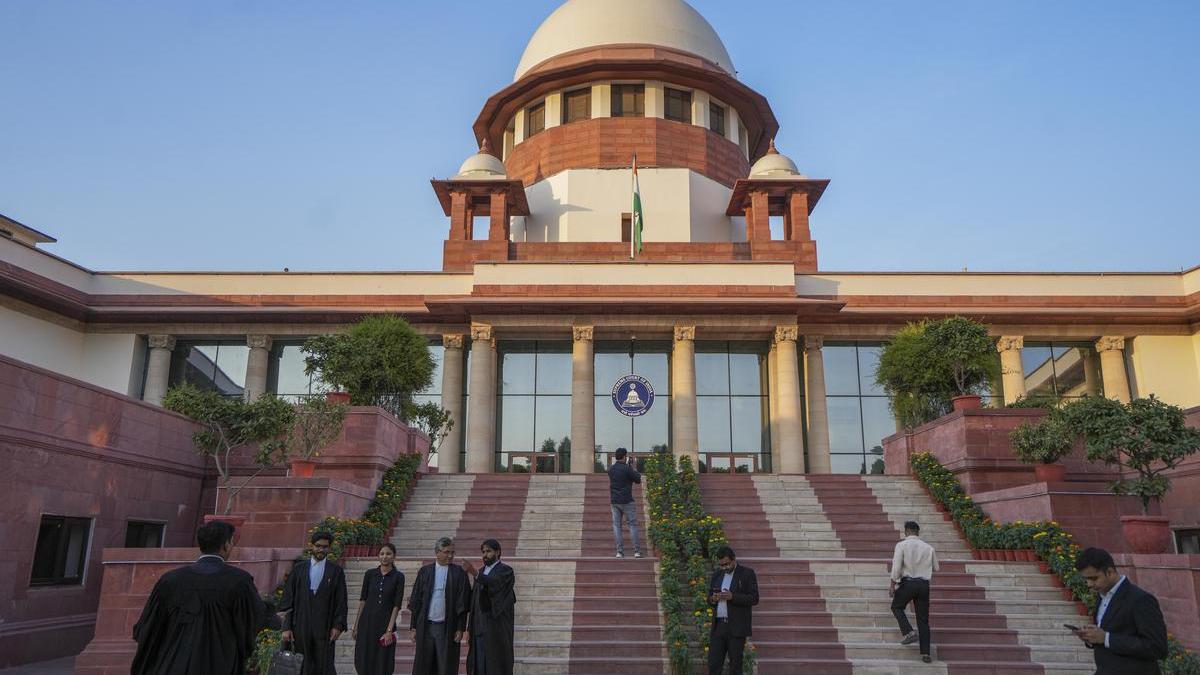
The Supreme Court ruled on March 24 in Chinthada Anand vs State of Andhra Pradesh that a pastor from the Madiga community in Andhra Pradesh could not claim to be a member of a Scheduled Caste (SC) as he had converted to Christianity. The Court upheld the decision of the Andhra Pradesh High Court, which had reached the same conclusion in an alleged atrocity matter.
Can a person of Christian faith be SC?
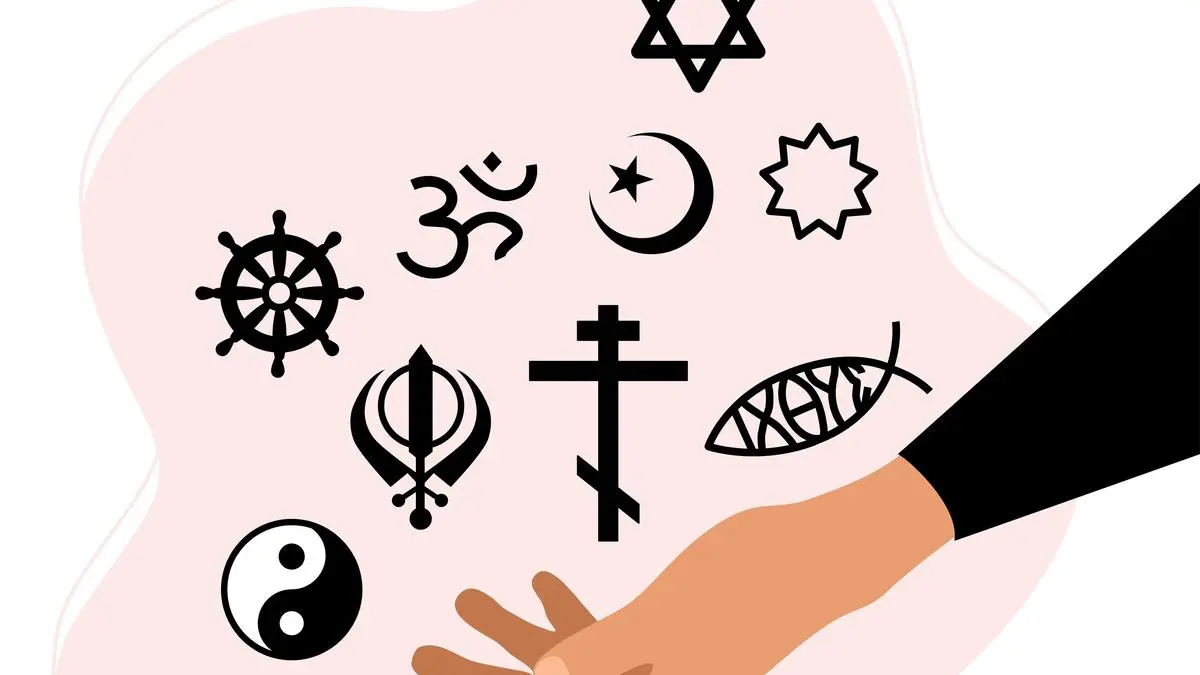
A Bench of Justices Prashant Kumar Mishra and Manmohan laid down that the Constitution (Scheduled Castes) Order, 1950, clearly defines the parameters under which SCs are to be identified. A clause in it says, “No person who professes a religion different from the Hindu, the Sikh or the Buddhist religion shall be deemed to be a member of a Scheduled Caste.”
The judgement holds that this bar on religion imposed by the Constitution (SC) Order was “absolute” without exceptions. The Court has said that the term “profess” in the clause in the Order “connotes to publicly declare or practice a religion.” In its March 24 ruling, the Court said that the appellant “professes Christianity” — a religion not mentioned in the Order.
“Conversion to any religion not specified in Clause 3 results in immediate and complete loss of Scheduled Caste status from the moment of conversion, regardless of birth,” the Court said. It added, “Christianity, by its very theological foundation, does not recognise or incorporate the institution of caste.”