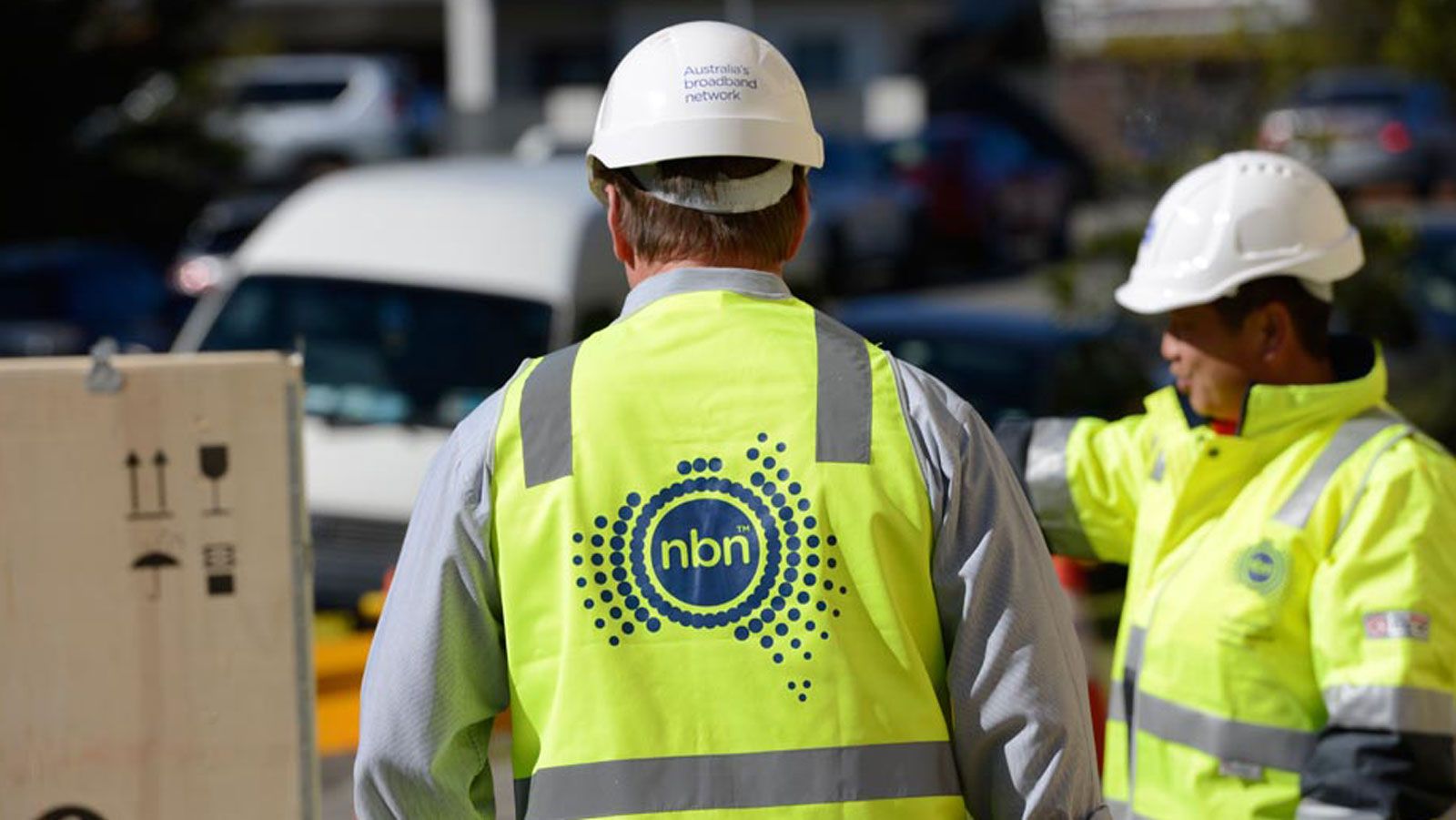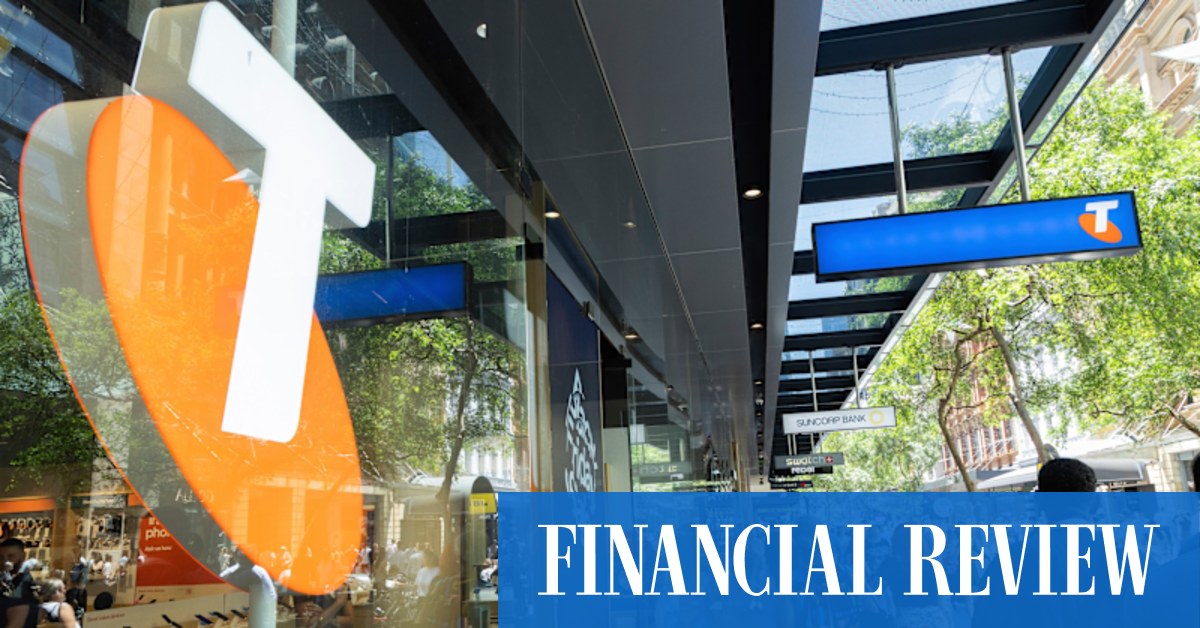
Australians are being warned of higher mobile plans, slower internet and even a stalling of the 6G rollout as the major telcos deal with a $7.3bn cost. In a grim warning to households, the telcos say the Australian Communications and Media Authority’s (ACMA) spectrum licence fee for fixed wireless broadband and mobile services amounts to a “new tax” on Australians. The first renewal application period for spectrum licences for Australia’s biggest mobile operators – Telstra, Optus, TPG Telecom and NBN Co. – opens on June 18 for the 850MHz and 1800MHz bands.This is about 80 per cent of the total network used by 30 million mobile phone services. ACMA says it will sell the licences back to the major telcos for $7.32bn. This is down from the $8.2bn licensing costs the major telcos paid 10 years ago but $4.1bn higher than Telstra’s estimates of fair value, which it says is closer to $3.3bn across the sector. ACMA initially proposed a price tag of between $5bn to $6.2bn last April before consumer groups claimed the regulator was putting the telcos above taxpayers. Australia’s digital economy runs on spectrum, the invisible range of radio frequencies used to transmit wireless data between a person’s phone or device to a cell tower. A TPG Telecom spokesperson told NewsWire that ACMA had effectively signed off on a big new tax and everyday Australians would wear the costs. “By refusing to set a fair price for spectrum, the regulator has locked in a mobile tax that will drive higher costs and weaken competition across the market,” the spokesperson said.“That means less investment in better coverage and services and increasing pressure on prices.”But ACMA chair Nerida O’Loughlin said the fee shouldn’t be used an excuse for telcos to raise prices. “Our advice is that spectrum pricing alone should not lead operators to increase prices for consumers, as their aggregate costs for this spectrum will be lower than what they currently incur,” she said. “At the same time, the ACMA has remained mindful of the need to support continued investment in mobile and fixed wireless networks.”An Optus spokesperson says the new costs comes at a critical time for Australia, ahead of a potential 6G rollout.“This comes at a time when mobile operators are preparing for the next generation of technology,” they said.“Future investment in 6G, AI-enabled services and satellite-enabled coverage for regional and remote Australia will require significant capital. Decisions that increase the cost of spectrum risk constraining that investment at a critical point in Australia’s digital evolution.” According to the Optus spokesperson, the $7.32bn cost does not align with the economic realities of operating a network in Australia.“Over time, these pressures can translate into slower network improvement and reduced flexibility to respond to growing demand. That in turn has real effects for the economy, reducing productivity and slowing innovation,” the spokesperson said. Meanwhile, Telstra analysis of 230 global operators suggests a 10 per cent bump in licence costs will lead to an 8 per cent reduction in download speeds for wireless and reduce coverage of the 5G network by 6 per cent. Telstra says while it supports paying fair and equitable prices for spectrum, the fee needs to be set at a level that allows for investing in the network. Telstra say its share of the fee should be about $1.2bn, not $2.8bn. Ms O’Loughlin says spectrum is a finite and valuable national resource “After all our analysis and testing, we have concluded that $7.32bn represents the market rate. It is therefore the appropriate return, ultimately, to Australian taxpayers for the use of this valuable public resource,” Ms O’Loughlin said.She says the final valuation was adjusted slightly from a preliminary estimate of $7.34bn.
‘New tax’: Telcos warn of higher mobile bills
Australians are being warned of higher mobile plans, slower internet and even a stalling of the 6G rollout as the major telcos deal with a $7.3bn cost.
616 words~3 min read