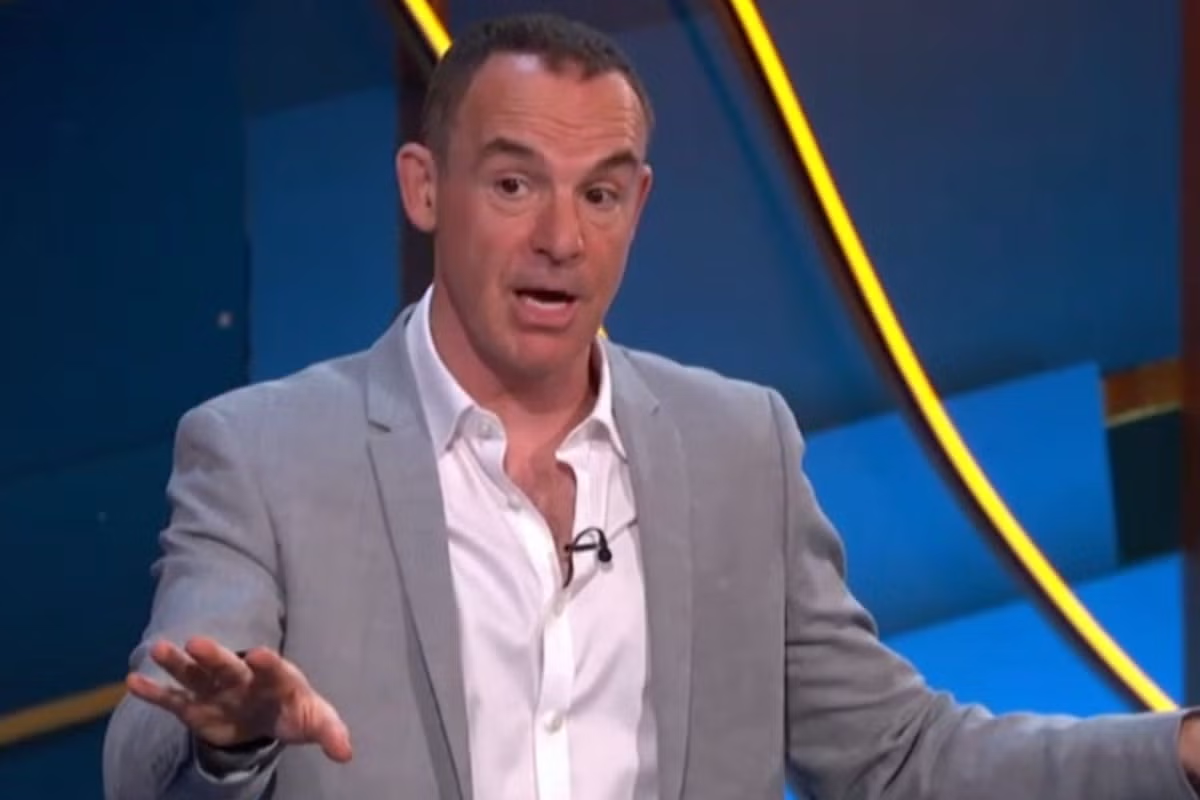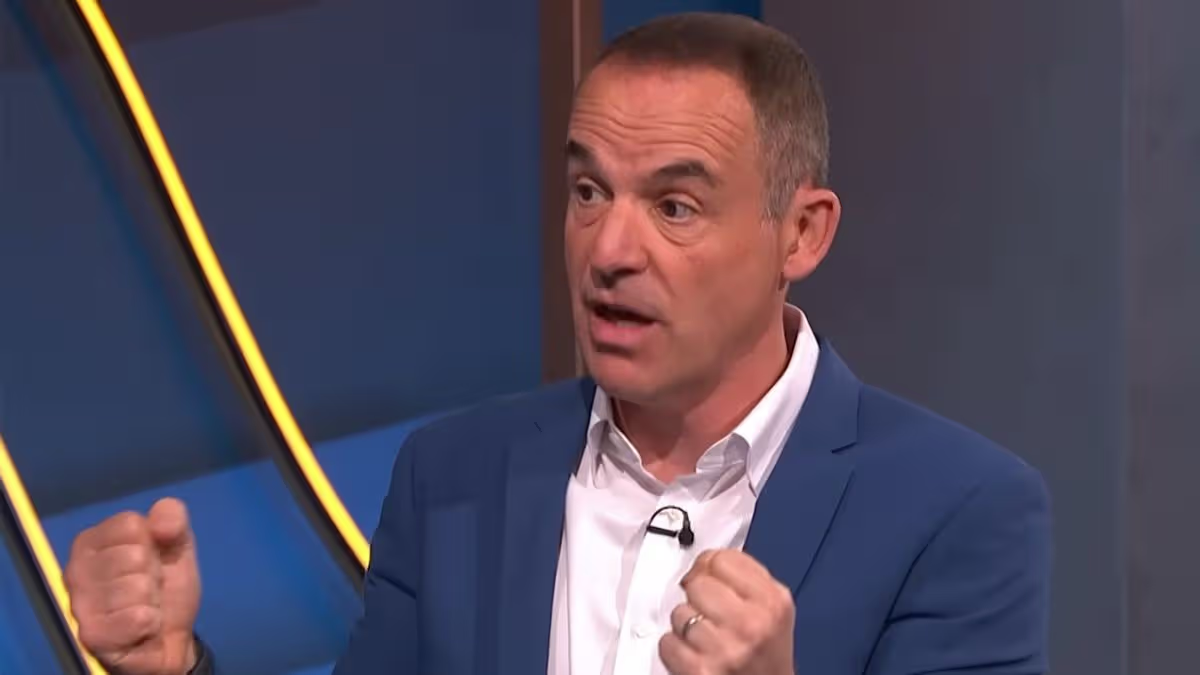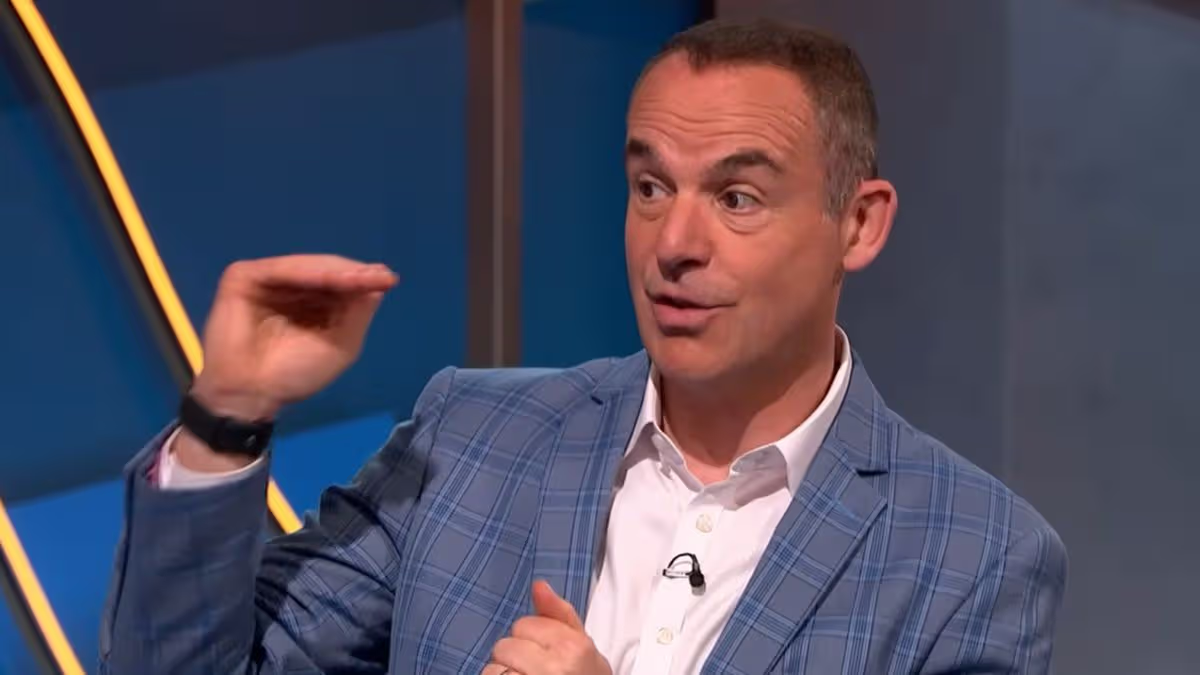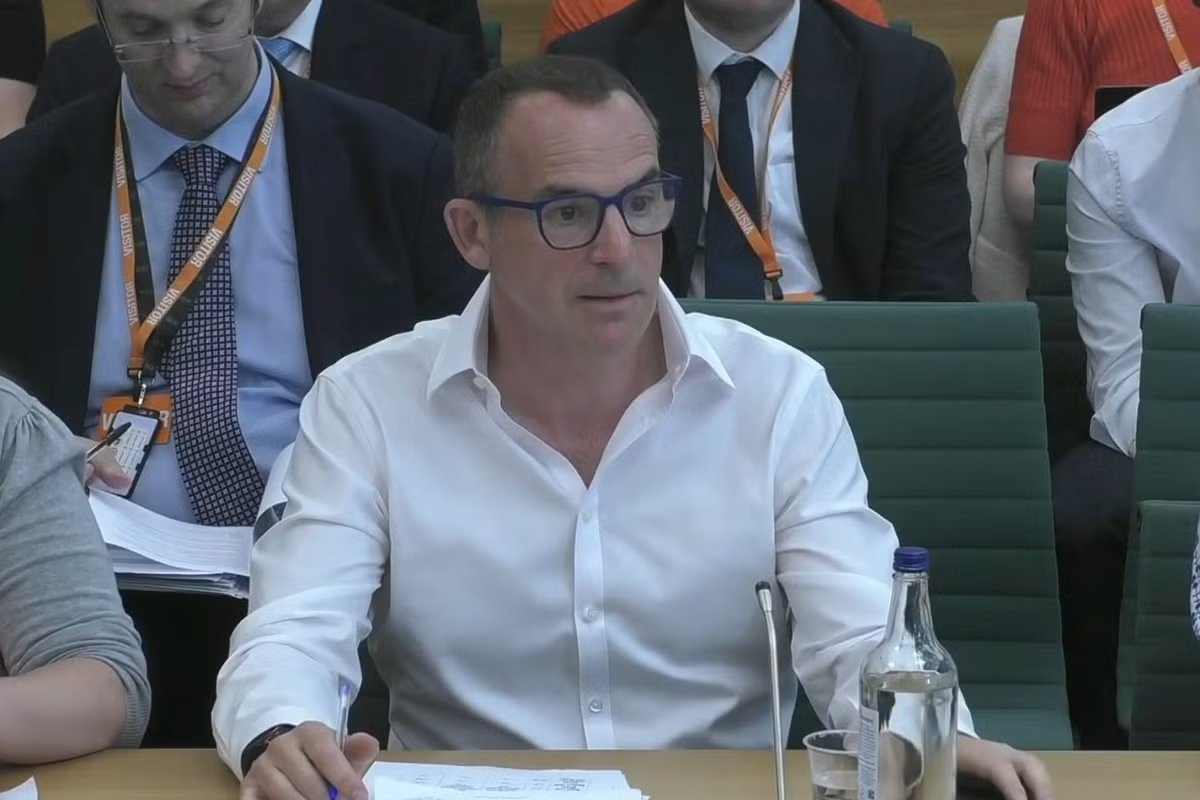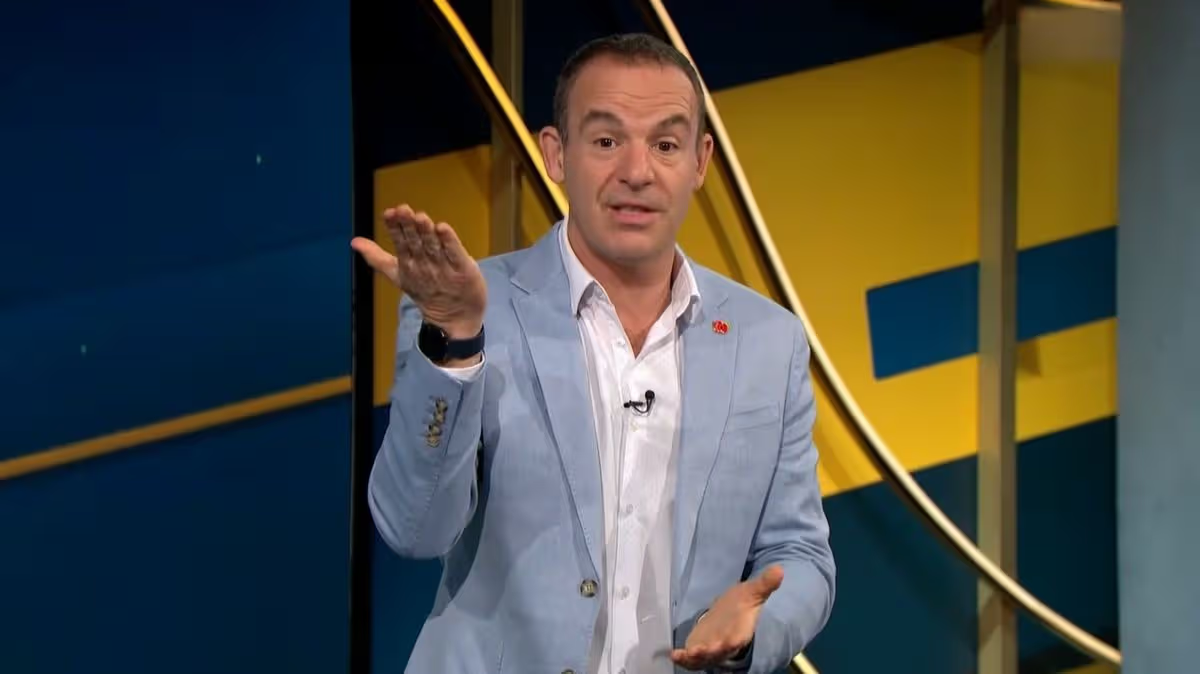
But new analysis by MoneySavingExpert.com of over 47,000 tariffs has found that three in four were worse off under Ofcom’s new system09:45, 29 Jun 2026Martin Lewis is calling on the Government to ban above-inflation mid-contract price rises after millions of broadband and mobile customers were hit with higher bills.Telecom providers must tell customers in “pounds and pence” how much their bill will increase by. The new rules were introduced after households were clobbered with prices rise by up to 17% in 2024 after inflation soared.But new analysis by MoneySavingExpert.com of over 47,000 tariffs has found that three in four were worse off under Ofcom’s new system.In almost all cases, customers faced above-inflation price rises under the new system - with social tariffs, which offer lower prices to people claiming benefits, being among the worst affected.The MSE analysis shows 99% of people with a data allowance of less than 10GB were worse off, while 28% of people with unlimited data paid more.For broadband, 100% of people with 150MB speed were worse off, while 65% of those with 900GB speed paid more.Mobile customers faced with a £2.50 April increase would typically need to have been paying more than £34 a month to benefit compared with the old rules, while broadband customer facing a £4 rise would typically need to have been paying almost £55 a month.Earlier this year, Chancellor Rachel Reeves announced a new voluntary Telecoms Consumer Charter, which states companies must give clear information on any future price changes up front.But Martin has called for the Government to go further and introduce an outright ban of above-inflation mid contract price rises. The MSE founder is giving evidence today at the House of Commons Public Accounts Committee on broadband, water and energy costs.Martin Lewis, founder of MoneySavingExpert.com said: "This was frustratingly predictable. Let's be plain, it provisionally looks like the regulator’s intervention resulted in most contracts costing more."Transparency only goes so far, we don’t want customers overpaying just because they were told about it first."The solution has always been bleedin’ obvious. Just ban above-inflation mid-contract price hikes. Of course, many, including me, would prefer a ban on any mid-contract rise, as the price you sign up for should be the price you pay over the length of the contract."Yet that risks possible market distortion, as firms may lift initial prices as a provision against unexpected costs mid-contract."An Ofcom spokesperson: "We share Martin Lewis’s drive to ensure that consumers get the best from their telecoms services at a fair price, and will continue to engage with him on these issues."We are keeping a close eye on the market and will be carrying out an in-depth review of the impact of our rules around pricing transparency, which we’ll publish in 2027."They added: "Our other protections mean it’s never been easier to switch away to a better deal, while eligible customers in receipt of certain benefits can take advantage of social tariffs at a fixed price."Banning price rises altogether risks unintended consequences, including the death of the introductory discount which benefits both consumers and competition.”Article continues belowHow to save money on your broadband and mobile billIf you're out of contract, then it is likely you are probably paying too much for your mobile and broadband. To save money, start by comparing prices online.Check how many minutes and texts you're currently using, or your broadband speed, as many people pay for higher allowances that they don't end up using.You can then switch to the new provider, or try haggling your current provider for a better deal. If you claim benefits, check if you are eligible for a cheaper social tariff.
Martin Lewis says 'ban' it as millions still being hit with higher bills
But new analysis by MoneySavingExpert.com of over 47,000 tariffs has found that three in four were worse off under Ofcom’s new system
604 words~3 min read