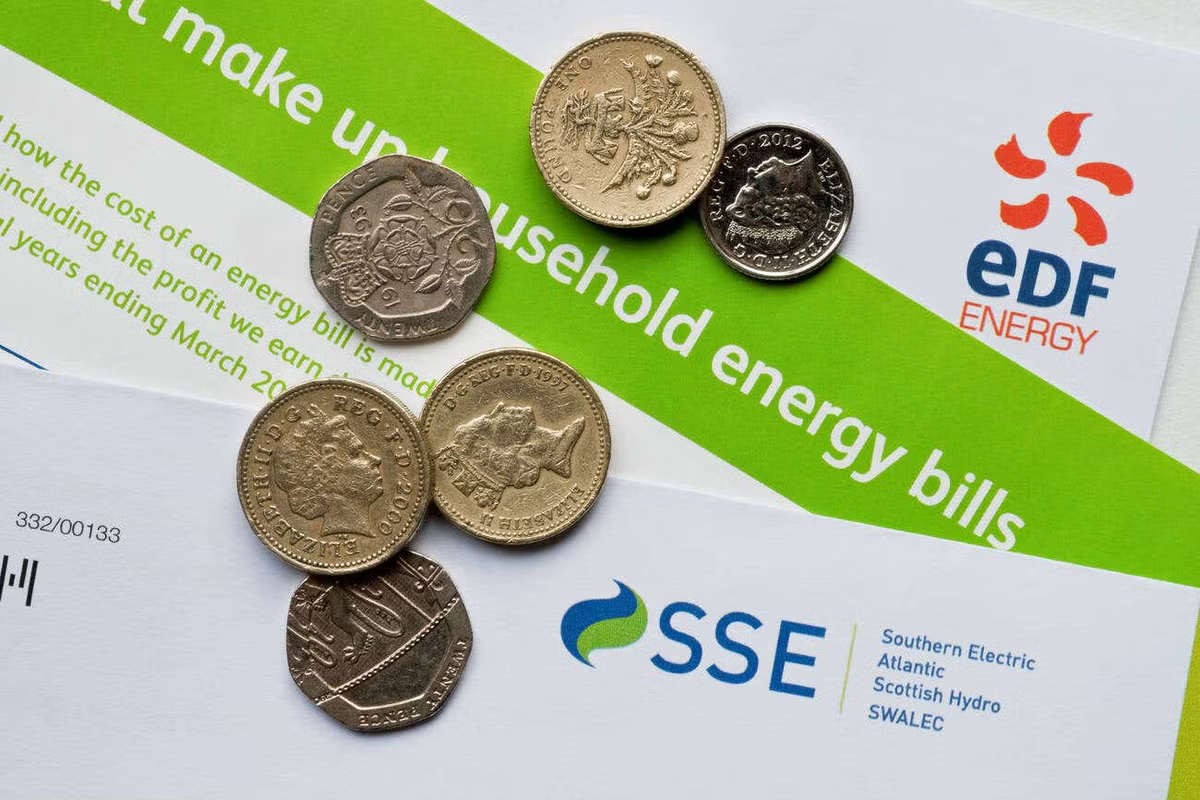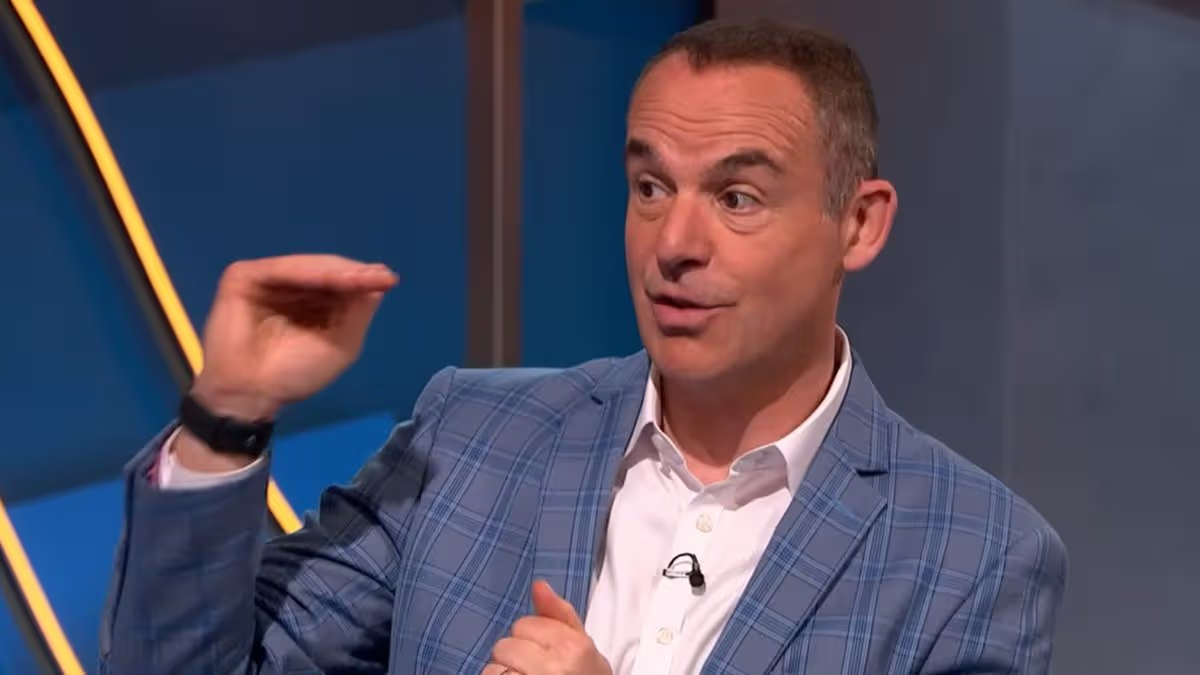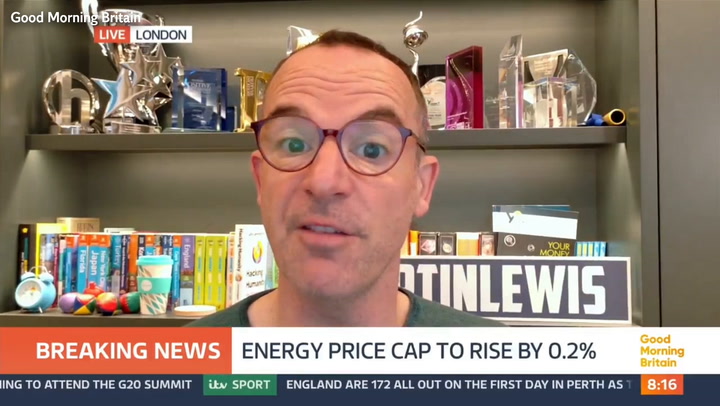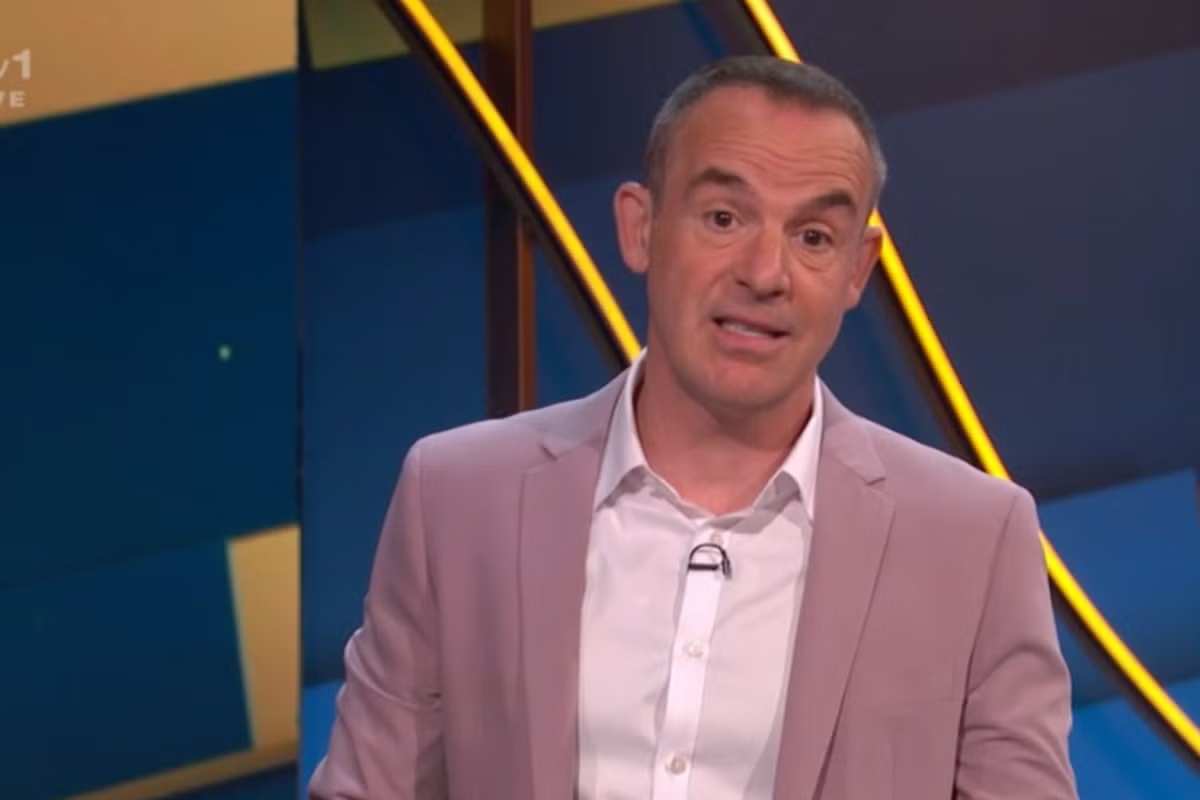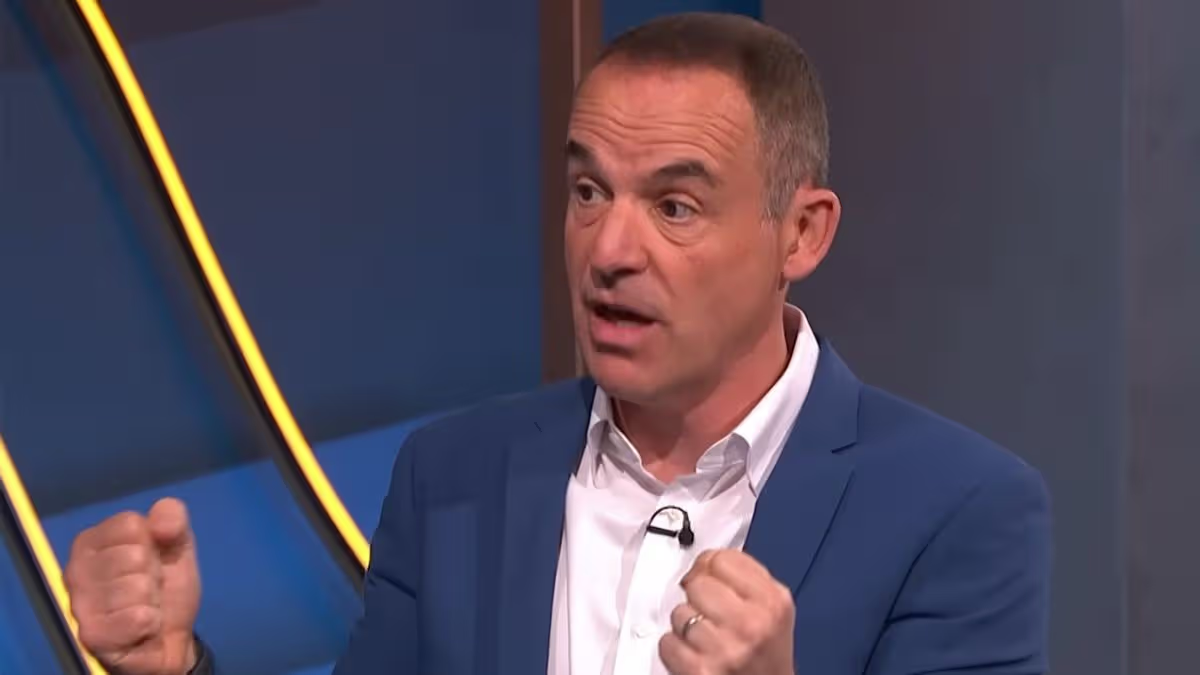
MoneyMartin LewisHe warned about a misleading number you may seeNicholas Dawson07:14, 27 May 2026Martin Lewis has clarified a widespread misunderstanding about how energy bills operate. He offered a range of insights on his BBC podcast on energy costs and how the Ofgem price cap is expected to shift in the months ahead.Industry analysts are forecasting the price cap will likely rise by 13 per cent for the July to September quarter, as the impact of the Iran conflict ripples through the energy market. However, Mr Lewis urged listeners it's "really important" people grasp what this actually means in reality, as there is a misleading figure that is sometimes quoted. He warned: "What you're going to hear in the news is people talking about a £200 rise in the price cap. That is nonsense."He said people frequently reference this figure as they "do not understand" how the mechanism works. This £200 increase is calculated on the typical bill for a household paying for dual fuel by direct debit, under the price cap.The price cap relates to the unit rate of energy, with average consumption then multiplied by these rates, to give an annual bills figure.Energy costs mistakeUsing this method, data group Cornwall Insights is forecasting that typical bills will jump from £1,652.52 a year to £1,850.13 a year. But it's incorrect to assume this means you will fork out £200 a year extra for your energy.Mr Lewis explained why: "The price cap lasts for three months. To quote a £200 a year rise would be foolish, because it only lasts for three months."And these three months [July to September] are the summer. We use about 15 per cent of our annual energy in the 25 per cent three months in the summer. It's a quarter of the year."He broke down the figures with an illustration: "For someone whose bills are £150 a month, a 13 per cent rise in the price cap in July equates to roughly £30 to £40 increased cost over the 3-month period. It is not good, but it is not catastrophic. It is nothing like the Ukraine period."What could happen with the energy price cap in the future?Mr Lewis warned there is much uncertainty about how the price cap will move in future. He said: "The real question is what happens next.Article continues below"That's where the problems come in. That's why the Chancellor has just said she is keeping a watching brief on it."The current predictions for the October price cap are it will go up again 4.5 per cent, and then the January price cap up again 0.6 per cent." While predicting the price cap's trajectory remains challenging, Mr Lewis warned: "Even if the Middle East conflict ended next week, because of the damage to the infrastructure in the Middle East and the hits on Qatari gas plants - and it's all about natural gas that dictates the primary costs we pay - it is very unlikely unless there is policy intervention we can see October's price cap coming down to where we are now."He suggested it's "more plausible" that should the Iran conflict conclude swiftly, it may not be until the January price cap that energy bills return to current levels.Choose Daily Mirror as a 'Preferred Source' on Google News for quick access to the news you value.BBCMiddle EastEnergy billsIranMartin Lewis
Martin Lewis issues £200 warning about energy bills change
He warned about a misleading number you may see
556 words~3 min read