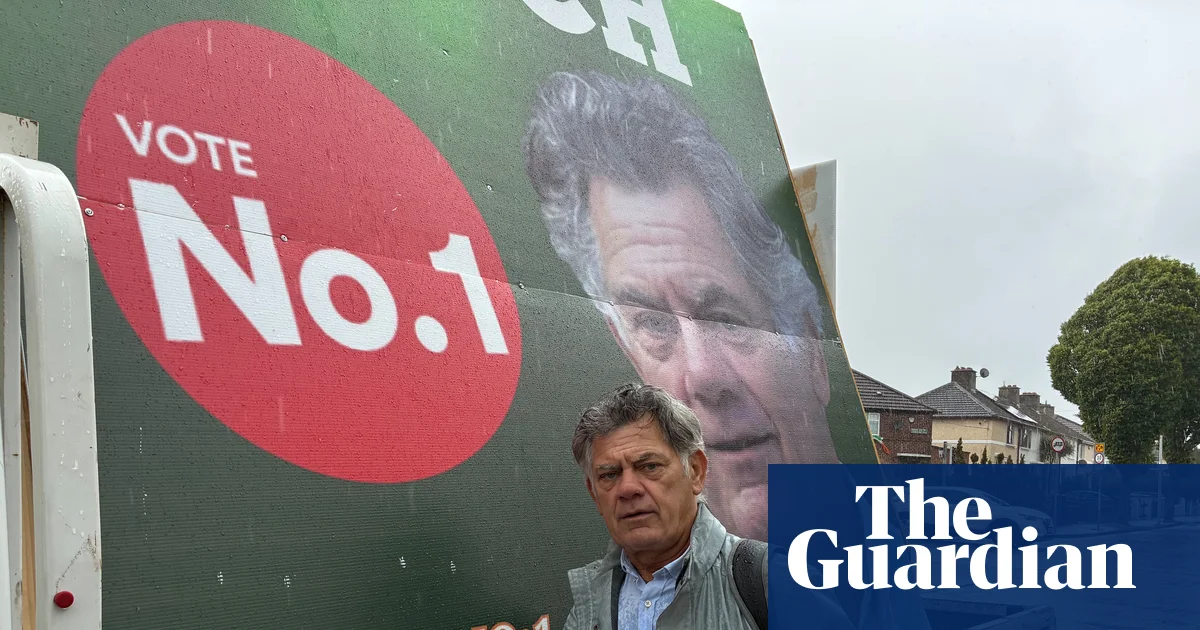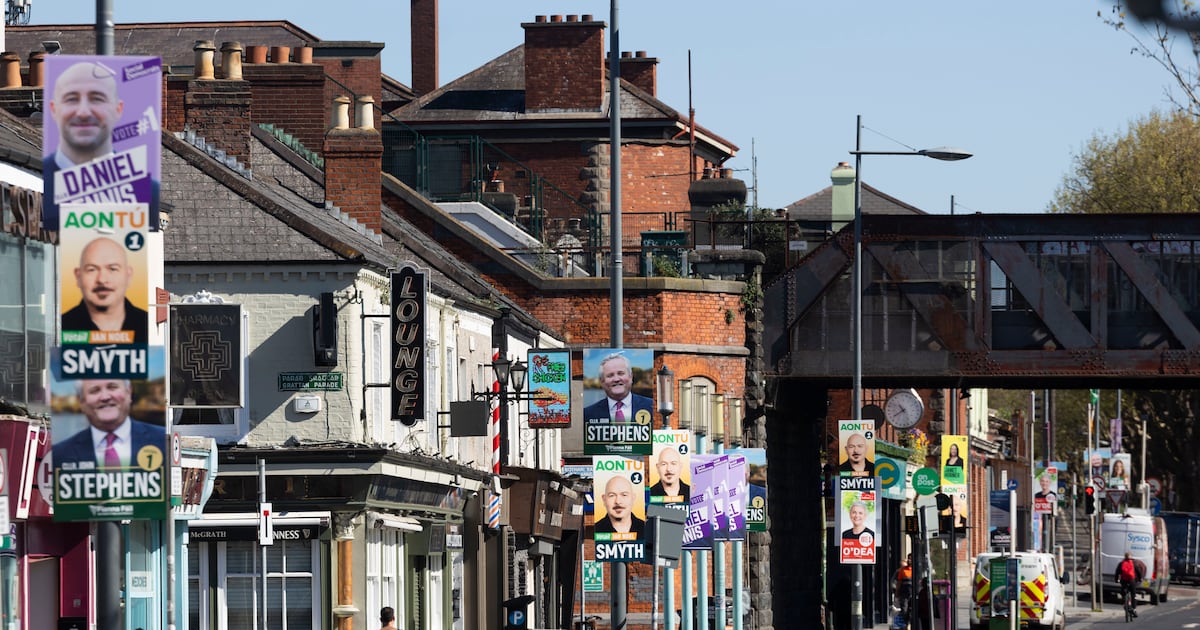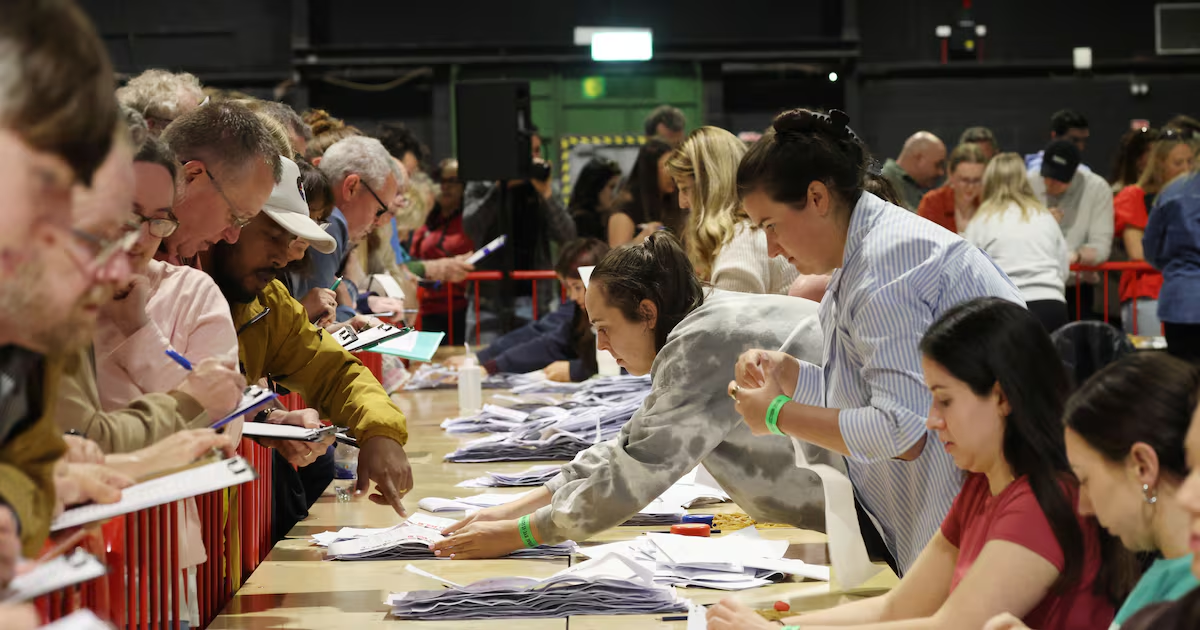
About a fifth of voters in Dublin Central gave first preferences to candidates who campaigned using anti-immigration rhetoric.However, there was divided opinion among political parties over just how significant immigration was to the campaign.Dublin Central TD Gary Gannon, of the Social Democrats, said “not a huge” number of constituents mentioned immigration while he was campaigning with his party colleague Daniel Ennis, who won the byelection. He felt the issue was a bigger factor in the European Parliament and local elections of 2024.He said those voting for Gerry Hutch and Malachy Steenson – who got more than 20 per cent of first preferences combined – were still “substantially in the minority”. The constituency elected a candidate who was “about standing up and being a decent person in relation to migrants”, Gannon said.Labour’s Marie Sherlock, who beat Hutch to win the final Dáil seat for the constituency in 2024, said she encountered a “considerable amount” of discussion about immigration while campaigning for her party’s byelection candidate, Ruth O’Dea. A ballot paper, at Saturday's count, showing a first preference vote for Gerry Hutch. Photograph: Alan Betson The issue used to come up primarily in working-class areas, but there was a “very distinct change” since around 2022, with more middle-class constituents, particularly men, expressing “very clear” views on immigration.Niall Leahy, director of the Jesuit Centre for Faith and Justice on Gardiner Street Upper, said the north inner city was “under resourced” and under pressure to integrate migrants, with an overconcentration of emergency accommodation centres. The Jesuit centre and other faith communities have been working to improve integration in the absence of State bodies doing so, he said. The left-wing candidates who polled highest “recognise a problem”, but want to deal with it in a “positive way”, such as by increasing affordable housing, Leahy said.“If South County Dublin had undergone the same sort of social transformation of the diversity that has come on so quickly, I don’t think those communities would have dealt with it so well,” he said.There were people in the constituency looking for “cultural stability” and who felt the “extreme transient nature of the population” was undermining this, Leahy said.Sherlock said some anti-immigrant rhetoric was raised by people who “wrongly blame migrants” for issues created by the Government. However, she said there was a high concentration of asylum-seeker housing and homeless accommodation in Dublin 1, particularly around Gardiner Street, without sufficient supports or integration strategies. This has resulted in people “standing on street corners because they have nothing else to do”, she said, adding that the Government had failed to recognise the community’s concerns.Veteran criminal Hutch, who said “illegal immigrants” who were “mooching” their way into the State should be interned in the Curragh, achieved 11.3 per cent of first-choice votes and came fourth overall. He increased his share of first preference votes from 9.5 per cent in the 2024 general election.With a lower overall turnout in the byelection (43 per cent compared to 52 per cent in the general election), he received fewer votes by the end of the counts: 4,466 compared to 5,321 two years ago.Poster for Malachy Steenson in the Dublin Central byelection. Photograph: Nick Bradshaw Independent councillor Steenson – one of the leaders of the 2022 protests over a proposal to house asylum seekers in East Wall in the constituency – nearly doubled his share of first preference votes from 4.9 per cent to 9.4 per cent. After transfers, he secured 2,641 votes, up from 2,195 in the general election.He transferred heavily to Hutch once eliminated after the fifth count, with 1,390 going to Hutch.Steenson said he centred his campaign around the “interlinked” issues of “immigration, housing and the cost of living”, which he said were mentioned on nearly every doorstep.These were the three most important issues to Dublin Central voters in the run-up to the election, according to an Irish Times/TG4/Ipsos B&A poll this month. The cost of living was a priority for a third of survey respondents, while house prices were the main concern for nearly a quarter. Immigration was the top issue for 12 per cent.Gannon said he did not view votes for Hutch and Steenson as being necessarily motivated by immigration, but rather believed their supporters felt “failed by politics”.
Fifth of Dublin Central votes went to candidates who had used anti-immigration rhetoric
But opinion is divided among political parties over how significant issue of migration was in campaign
TL;DRAI
About one in five voters in Dublin Central gave first preferences to anti-immigration candidates (Gerry Hutch 11.3%, Malachy Steenson 9.4%), with Steenson nearly doubling his share from the 2024 general election. The result signals a measurable but minority protest vote driven by housing pressure and over-concentration of asylum accommodation in working-class urban areas, not a mainstream shift — context relevant for any org tracking political risk or ESG sentiment in Ireland.
706 words~3 min read