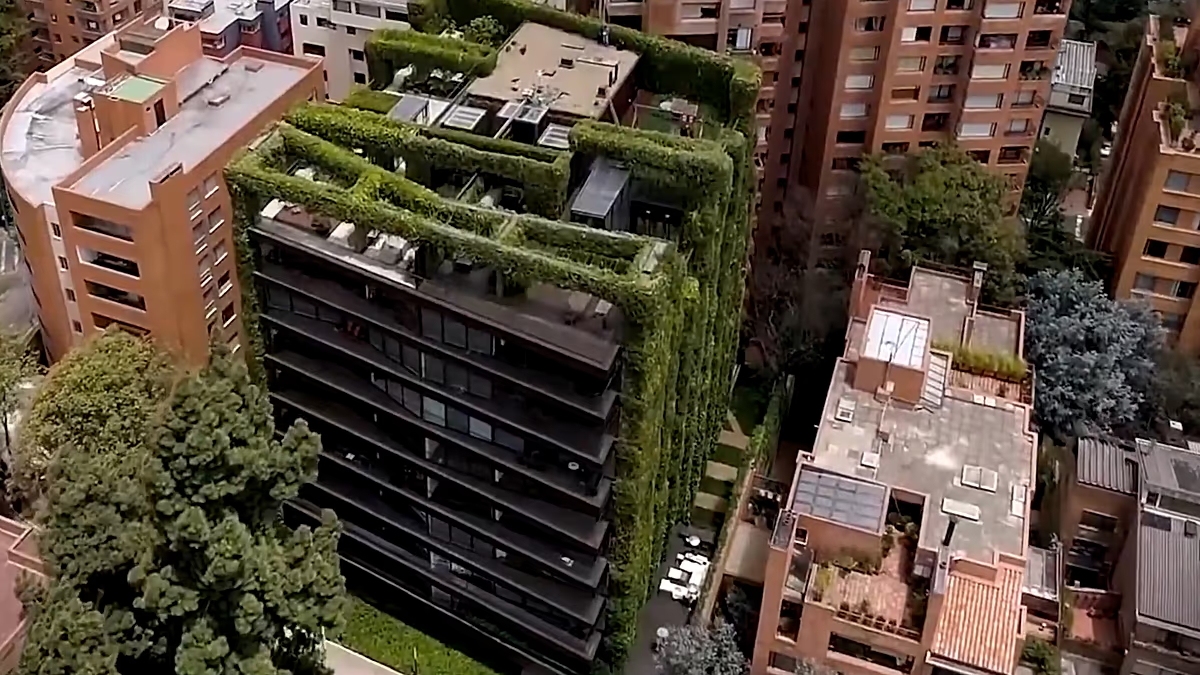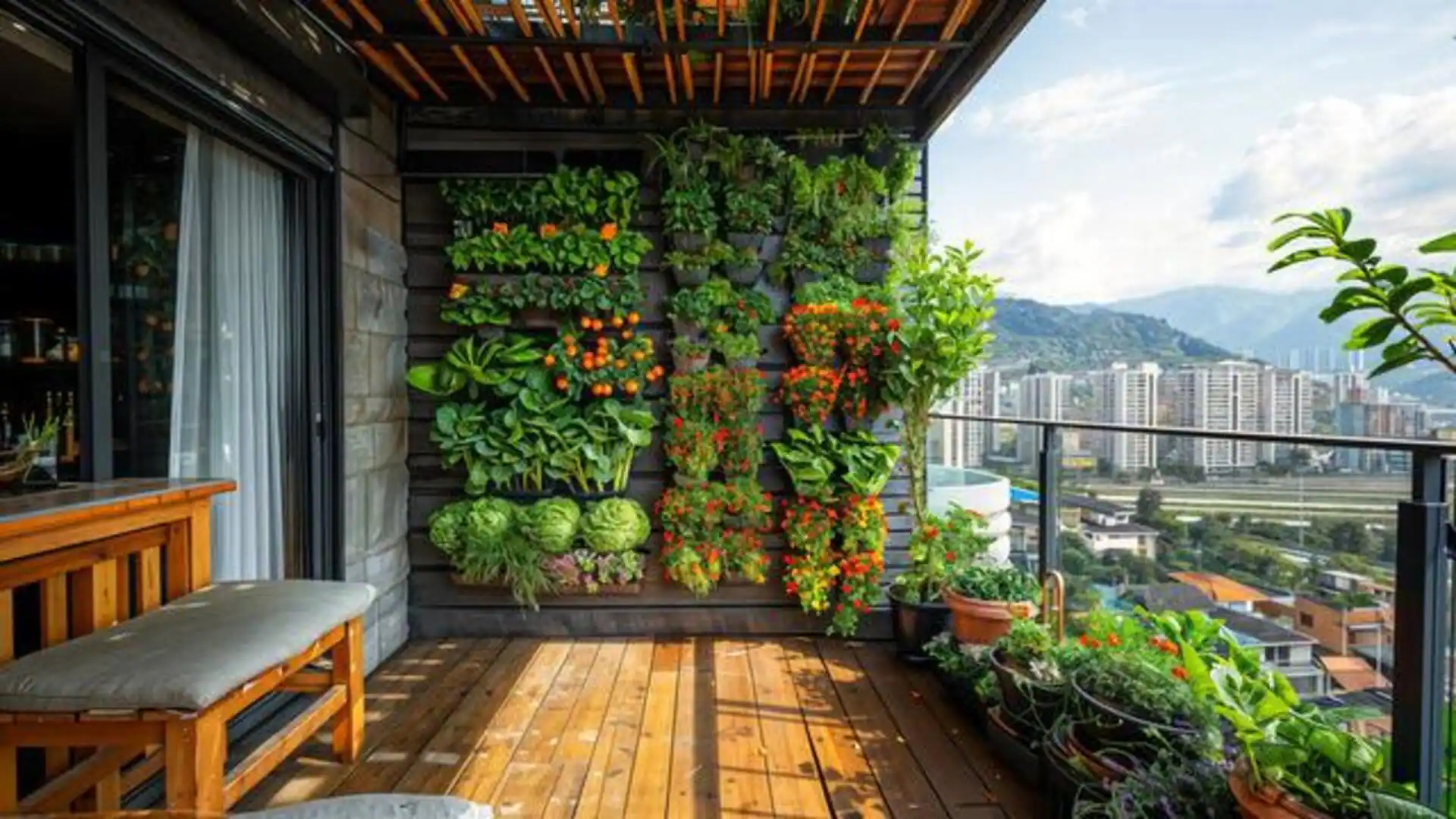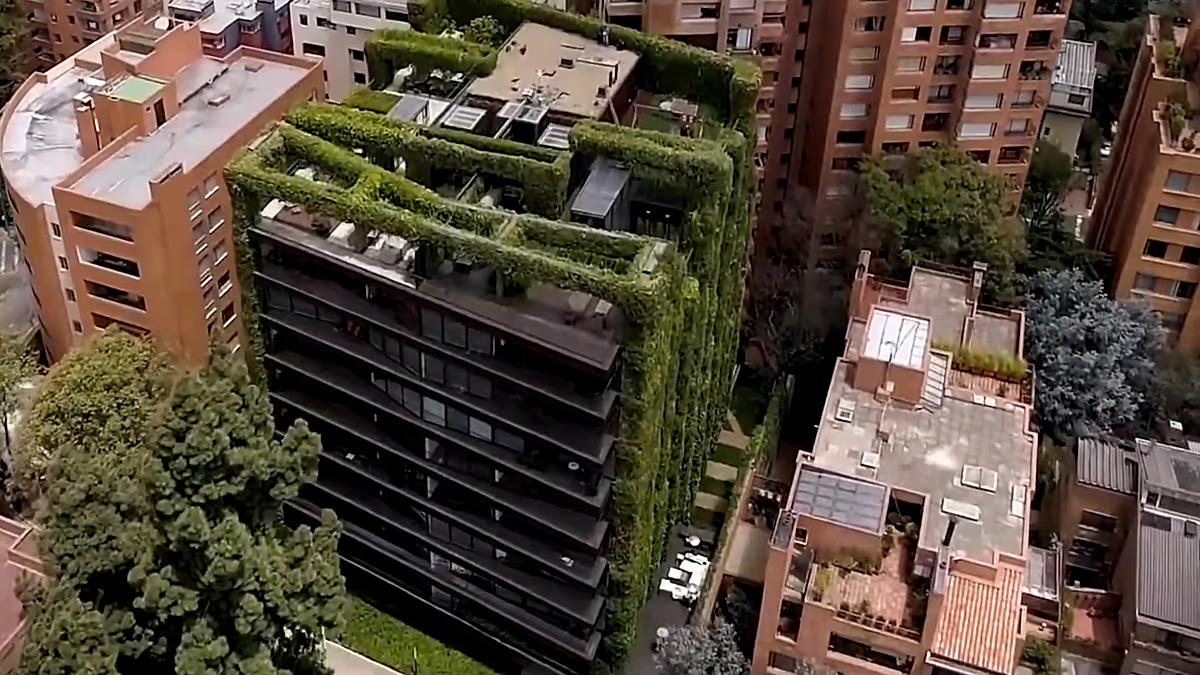
Vertical gardens were pioneered in Europe – but Latin America has taken the concept and applied it on a grand scale.
“In Europe, it is normal for major capitals to have one, two or three significant vertical gardens,” Spanish botanist Ignacio Solano tells Euronews Earth. “If you compare this with Buenos Aires, there are hundreds of vertical gardens there. Mexico City has hundreds. Guatemala City has hundreds.”
Since French botanist Patrick Blanc pioneered the concept in the 1980s, Europe has produced some striking examples. Milan’s Bosco Verticale, a pair of residential skyscrapers whose terraces hold more than 21,000 trees and shrubs, converts nearly 20,000 kilograms of carbon annually and now shelters 20 species of birds.
As Europe’s capitals brace for yet another summer of blistering heatwaves, building on this legacy could be one of the most practical tools for protecting citizens.
Research shows that vertical gardens can significantly lower building surface temperatures, reduce heat absorption and improve thermal comfort in dense urban areas.