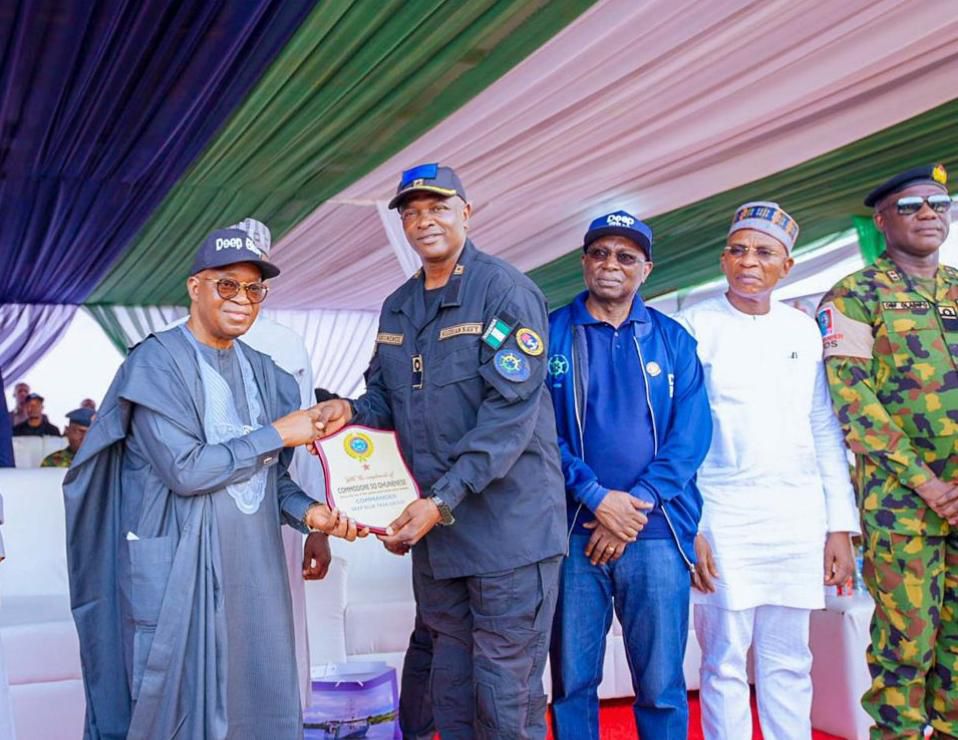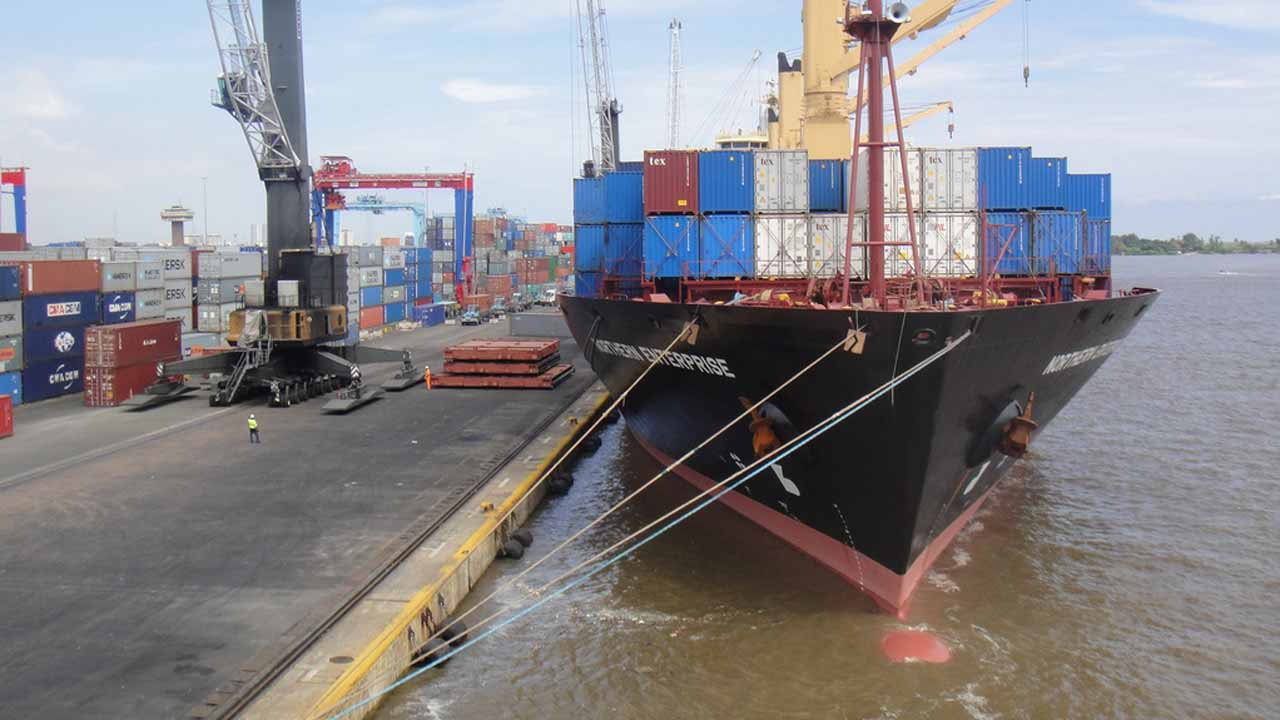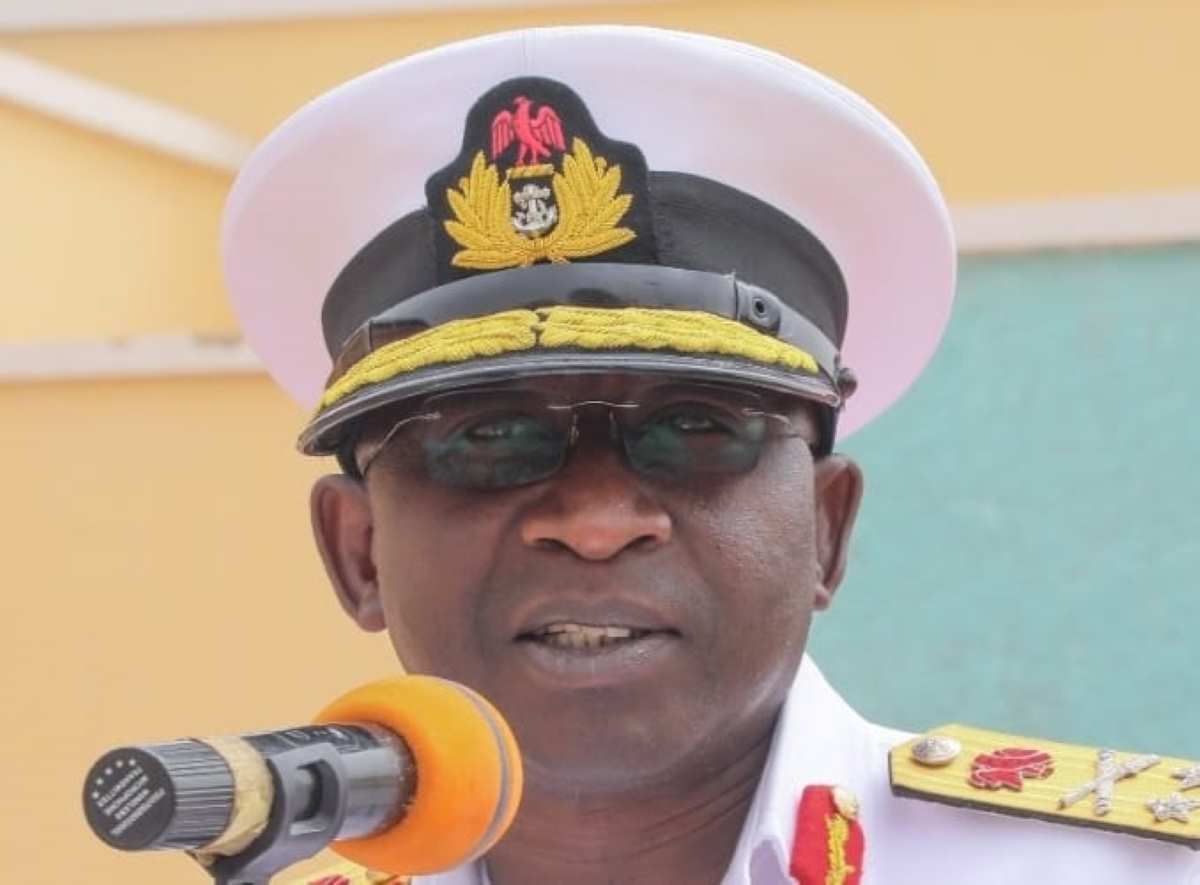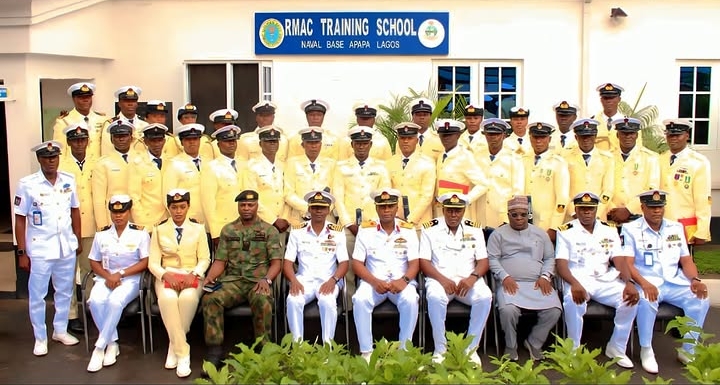
In a region where the sea is an economic lifeline, the Nigerian Navy is doubling down on its maritime defences and rightfully so. Recently, 29 graduands were churned out from Course 13, Batch 13 of the Regional Maritime Awareness Capability (RMAC) centre to join the elite network of surveillance operators tasked with monitoring the Gulf of Guinea waters. Chiemelie Ezeobi writes that their graduation was not just a personal milestone, but a quiet reinforcement of the country’s bid to maintain and sustain control over its maritime domain
Undoubtedly, the Gulf of Guinea remains a strategic maritime domain with immense economic potential. Yet the wide range of security challenges that threaten both littoral and landlocked states, while daunting, are not insurmountable.
From sea robbery to drug and human trafficking, pipeline vandalism, crude oil theft, illegal and unregulated fishing, proliferation of small arms and light weapons, and environmental degradation — the challenges are enormous.
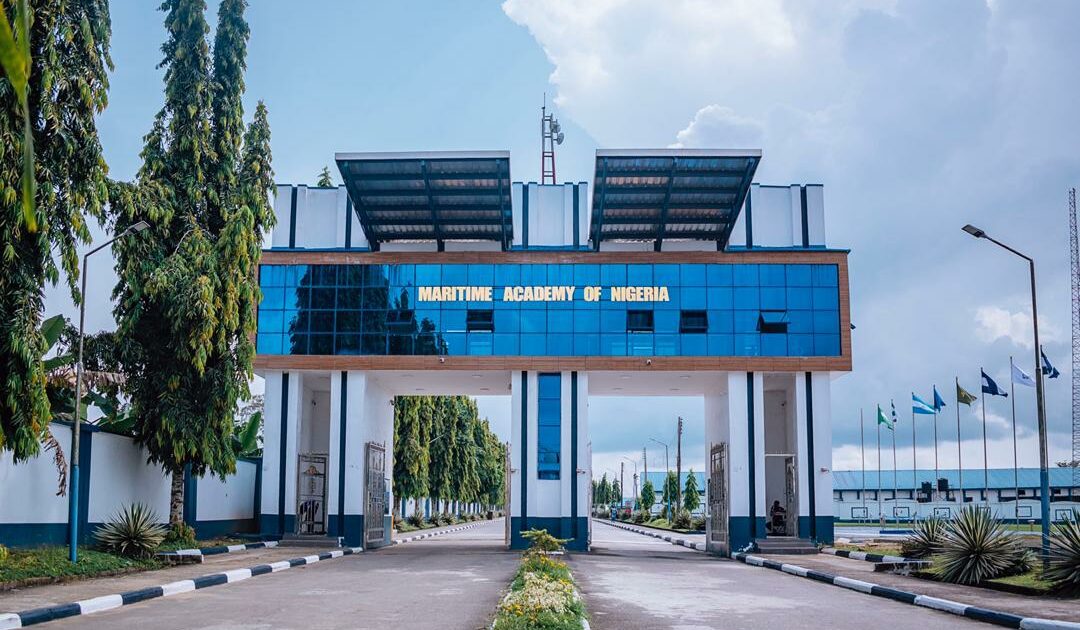
The need to tackle these threats gave birth to the Regional Maritime Awareness Capability (RMAC) training.
Designed as a gruelling technical programme to transform naval personnel into the eyes and ears of Nigeria’s vast maritime domain, the training recently churned out 29 graduands of Course 13, Batch 13.