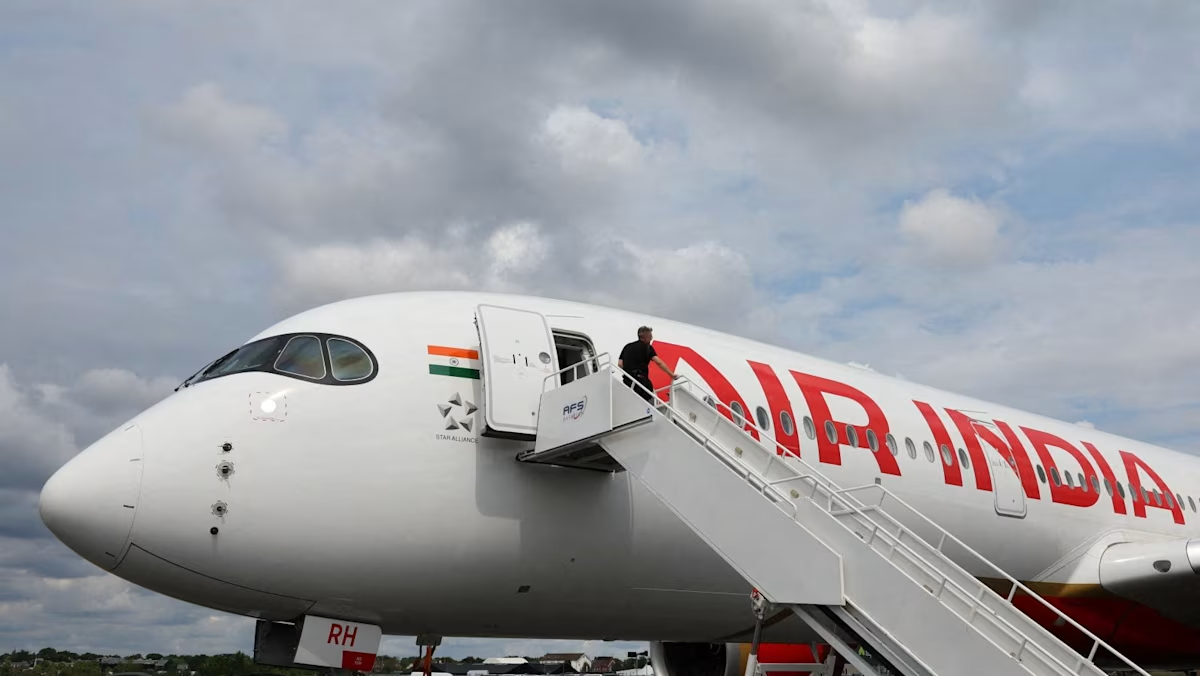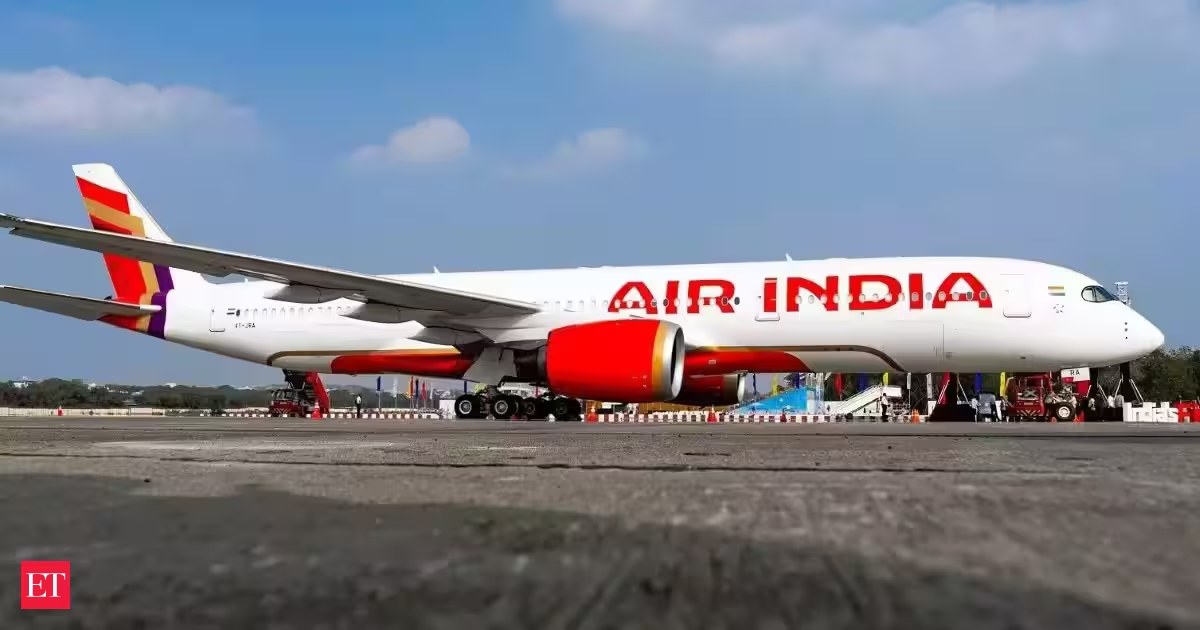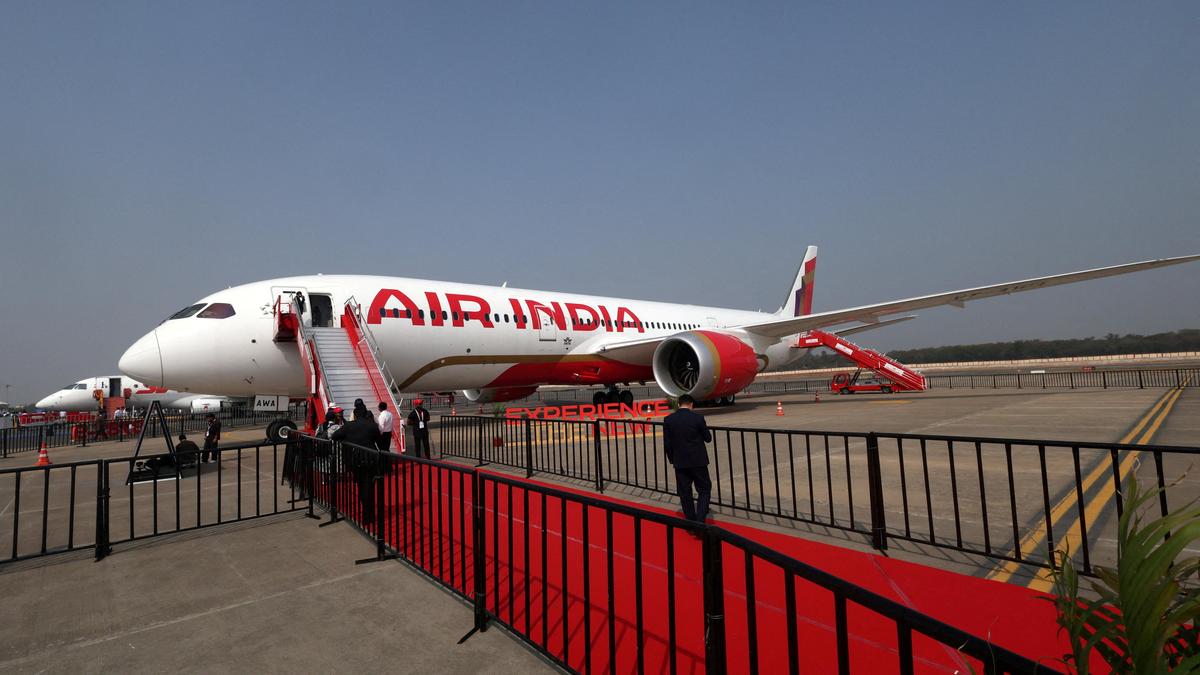
Tata Group-led Air India is facing its most difficult phase since privatisation, with losses crossing ₹26,000 crore in FY2025-26 amid geopolitical disruptions, elevated fuel costs, safety scrutiny, and leadership uncertainty. And yet, this cloud of troubles has a silver lining — the airline retains the strong backing of shareholders Tata Sons and Singapore Airlines as it pushes ahead with its multi-year transformation programme.The scale of Air India’s financial strain became visible when minority stakeholder (25.1 per cent) Singapore Airlines group disclosed in its annual report that the Indian airline had posted a loss of S$3.56 billion during FY2025-26, and this was a primary reason for the Singapore airline’s 57 per cent slide in annual net profit to S$1.184 billion.Critical supportImportantly, despite the losses and operational pressures at Air India, Singapore Airlines did not write down its investment. Instead, it described Air India as a “core component” of its long-term multi-hub strategy and committed to support the Indian airline’s transformation.Industry observers said the willingness of both shareholders to support the airline financially is critical at a time when Air India is dealing with simultaneous operational, financial and regulatory pressures.“India’s aviation market needs patient, well-capitalised and operationally experienced long-term players to build a truly mature and globally competitive ecosystem,” Jagannarayan Padmanabhan, Senior Director and Global Head, Consulting, Crisil Intelligence, told businessline.The enduring support from Tata Sons and Singapore Airline is important not just for Air India’s turnaround but also the long-term resilience of Indian aviation, he said.The airline’s troubles intensified during FY2025-26 after multiple external disruptions hit operations simultaneously and sharply increased costs across its international network.Air pockets galoreA core challenge was the closure of Pakistan’s airspace to Indian carriers from April 24, 2025, forcing Air India’s connections to Europe and North America to fly longer routes via the Arabian Sea and Gulf hubs. Several flights became two to three hours longer.Industry estimates pegged the additional annual cost burden at $600–750 million.The extended flight durations have also affected aircraft rotations, crew deployment and network scheduling in parts of Air India’s long-haul operations.At the same time, supply disruptions in West Asia throughout FY26 had pushed aviation turbine fuel (ATF) prices higher. However, the ongoing Gulf crisis has pushed prices sharply higher.At present, fuel accounts for nearly 40 per cent of international operating costs, placing additional pressure on long-haul profitability at a time when Air India is already dealing with elevated fleet and maintenance expenses.Kinjal Shah, SVP and Co-Group Head, Corporate Sector Ratings, ICRA, points out that the sharp hardening of ATF prices has been compounded by the rupee’s depreciation against the dollar.“While policy interventions such as tax rationalisation on ATF and continued liquidity support can provide incremental relief, they are unlikely to fully address the high cost base and competitive intensity inherent in the Indian aviation market,” Shah added.Compounding the airline’s woes was the devastating June 2025 crash of Flight AI171 operating between Ahmedabad and London Gatwick.The massive human tragedy triggered intensified oversight from regulators, fleet inspections and scrutiny of operational processes.Changing courseAgainst this backdrop, Air India has initiated corrective measures aimed at preserving liquidity, stabilising operations and improving cost discipline.The airline temporarily suspended six international routes, including Delhi-Chicago, Delhi-Shanghai, and Mumbai-New York (JFK). It also reduced frequencies across North American, European, Australian, and Southeast Asian services between June and August 2026.Phased fuel surcharge increases were introduced on domestic and international routes. According to sources, the airline is also evaluating rationalisation of more routes, improved aircraft utilisation and more efficient redeployment of capacity.Cost cuts are in focus to contain losses. CEO and Managing Director Campbell Wilson had asked employees to maintain a “relentless focus on costs” during a recent town hall meeting.This includes reducing discretionary spending, review of vendor contracts, and deferring non-essential expenditure. Annual salary increments have been deferred by at least one quarter. The airline, however, clarified that it does not anticipate layoffs, and variable pay and planned promotions will continue.Industry observers point out that Air India’s immediate challenge is no longer limited to managing temporary disruptions but also ensuring that operational restructuring keeps pace with the scale of its long-term expansion plans.One of the key focus areas remains safety oversight.Additionally, the airline would need to move beyond compliance-driven inspections to establish stronger monitoring systems across engineering, maintenance, and flight operations, the observers said.Fleet modernisation will become increasingly important over the next few years. Air India’s order for nearly 470 aircraft — one of the largest globally — is expected to be delivered from 2027 onwards.The airline expects the newer aircraft to improve fuel efficiency, reduce maintenance cost and support network restructuring.But analysts note that the benefits are dependent on Air India’s ability to improve aircraft availability, manage supply-chain constraints and accelerate the retrofit of existing widebody aircraft.Leadership continuity is another area of focus for the airline and its shareholders.According to sources, former Vistara Chief Executive Officer and current Senior Vice President of Singapore Airlines Vinod Kannan, and Air India Chief Commercial Officer Nipun Aggarwal are in the reckoning for the top job, with Wilson conveying his intention to step down.Transformation journeyAccording to industry observers, the incoming leadership will inherit an airline that has already undergone substantial integration and restructuring but continues to face execution challenges across operations, customer experience, safety oversight, and profitability.Even amid the financial and operational pressures, some operating indicators have shown gradual improvement over the past year. For instance, domestic on-time performance improved to 76 per cent in FY2025-26 from 73 per cent a year earlier.Similarly, the customer net promoter score improved to 30 in March 2026 from minus-19 in 2023.The airline has also expanded its Southeast Asia feeder network from two destinations to seven and increased coordination with Air India Express by eliminating overlapping routes and improving network integration.Overall, analysts said, these improvements indicate that parts of Air India’s broader transformation programme are beginning to show operational results despite the difficult external environment.Nonetheless, industry observers noted that Air India’s recovery trajectory will depend on how consistently shareholder support, operational execution and management stability align over the next few years.Published on May 25, 2026
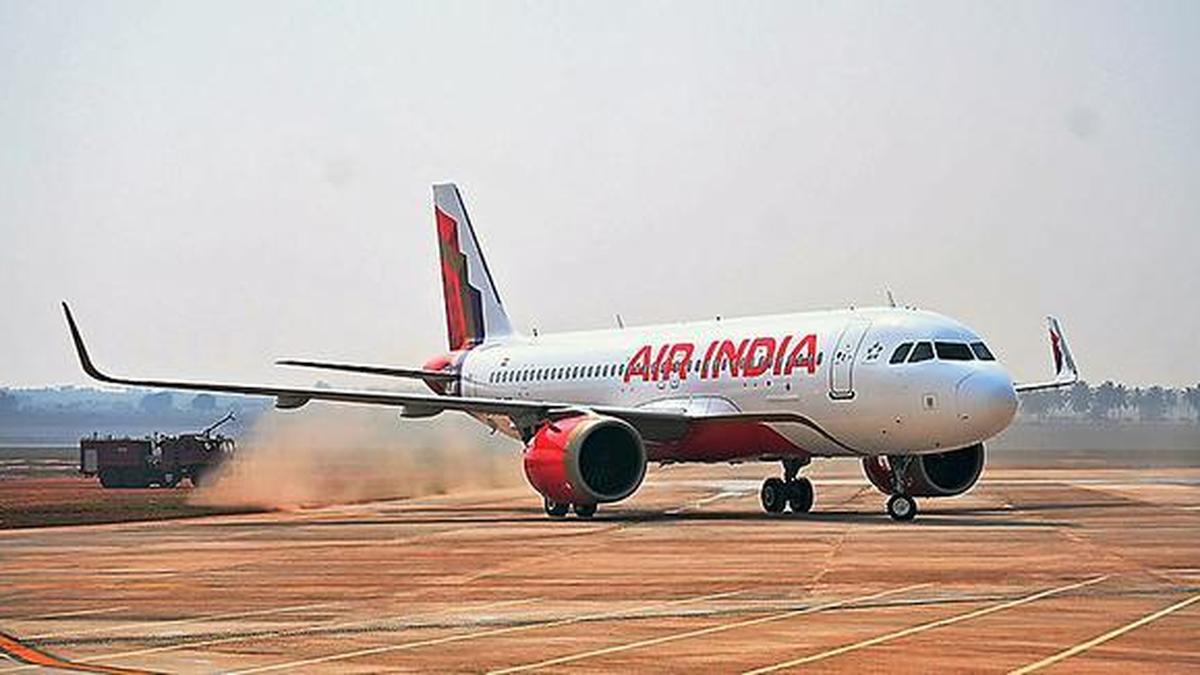
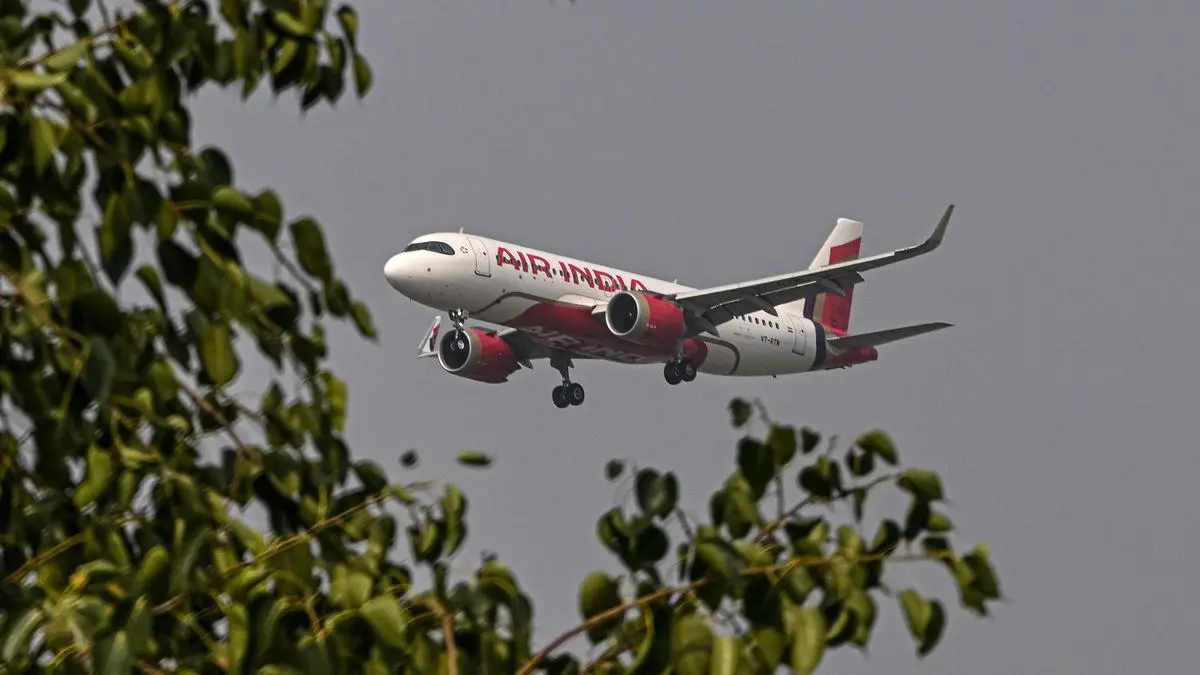
Air India: Flying from turbulence to turnaround
Air India navigates significant losses but gains vital support from Tata Sons and Singapore Airlines for its transformation strategy.
1,007 words~5 min read