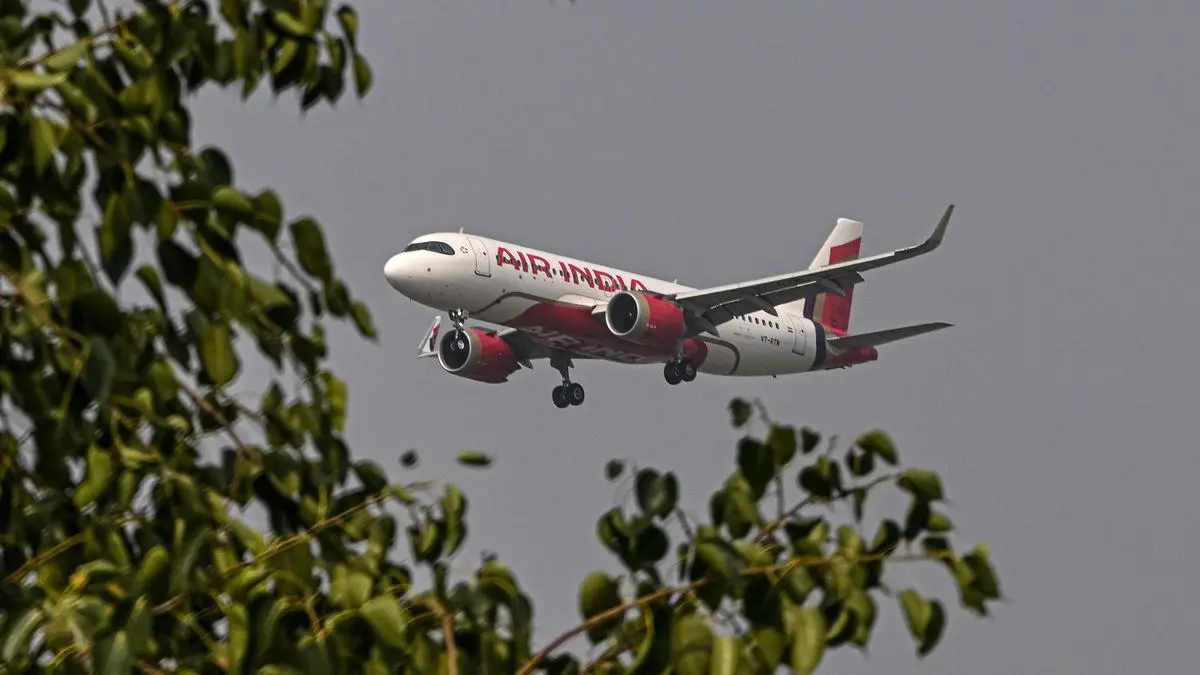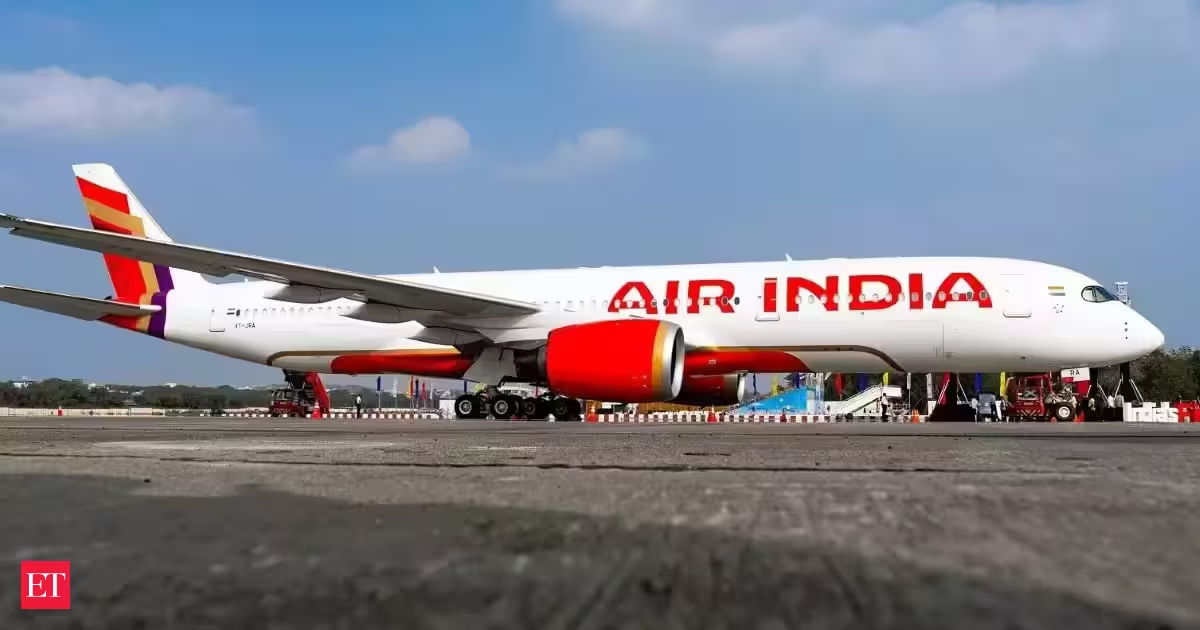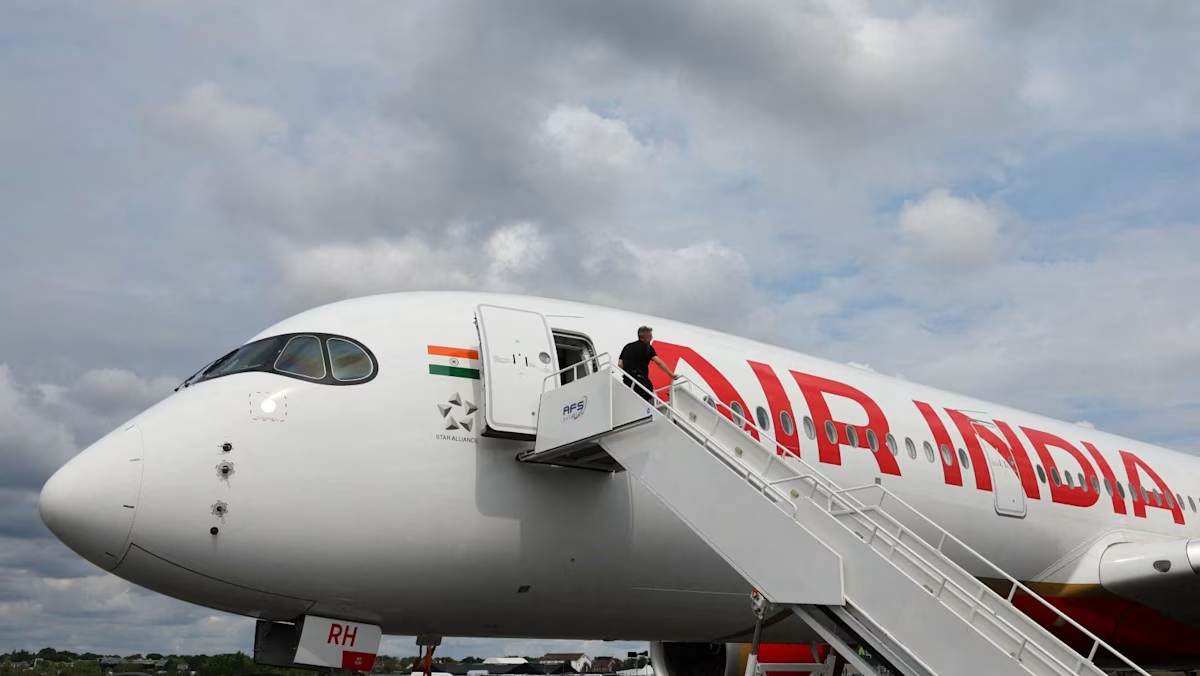
SINGAPORE: The news last Thursday (May 14) of Air India’s losses doubling to more than US$2 billion in the latest financial year has raised questions over the mounting pressure on the sector, coming two weeks after India’s aviation trade body sounded an SOS to the government.On Apr 26, the Federation of Indian Airlines (FIA), comprising Air India, IndiGo and SpiceJet, wrote to the government warning of severe financial stress driven by rising fuel costs and prolonged flight routes amid tensions in the Middle East. It sought a return to COVID-19 era cost caps on aviation turbine fuel (ATF) and a reduction or deferment in taxes.Indian airlines are not the only carriers facing strain from the war in the Middle East. Southeast Asian low-cost carriers have cut roughly 20 per cent of flights compared to pre-crisis levels, or around 4 million fewer passengers per month, an analyst noted on May 18.Yet apart from them, only the now-defunct Spirit Airlines, Frontier Airlines and Avelo Airlines in the United States and Nigerian airline operators have sought government intervention, according to Reuters and The Wall Street Journal reports. Why are Indian airlines sounding an SOS when carriers across the world are dealing with the same war, the same fuel shock and the same uncertain skies?IS INDIA MORE EXPOSED THAN GLOBAL PEERS?Indian carriers have less room to absorb shocks, analysts said.Fuel is the biggest pressure point. Indian airlines are more exposed to ATF costs than many global peers because jet fuel forms a larger share of their operating costs and is taxed more heavily in India, they said.The FIA noted that ATF, after the Middle East shock, accounts for 55 to 60 per cent of operating expenses for Indian airlines, said Mayur Patel, regional commercial and industry affairs leader – Asia Pacific, Middle East and Africa, global travel data provider OAG. That is structurally higher than many of its global peers, which is around 20 to 30 per cent of their expenses, said analysts.
Beyond Air India’s losses: Why Indian airlines are struggling more than others, and sounding the alarm
Indian carriers are facing a sharper squeeze than many global peers as fuel costs, airspace disruptions, currency weakness and limited hedging leave them with little room to absorb shocks, say analysts.
2,472 words~11 min read