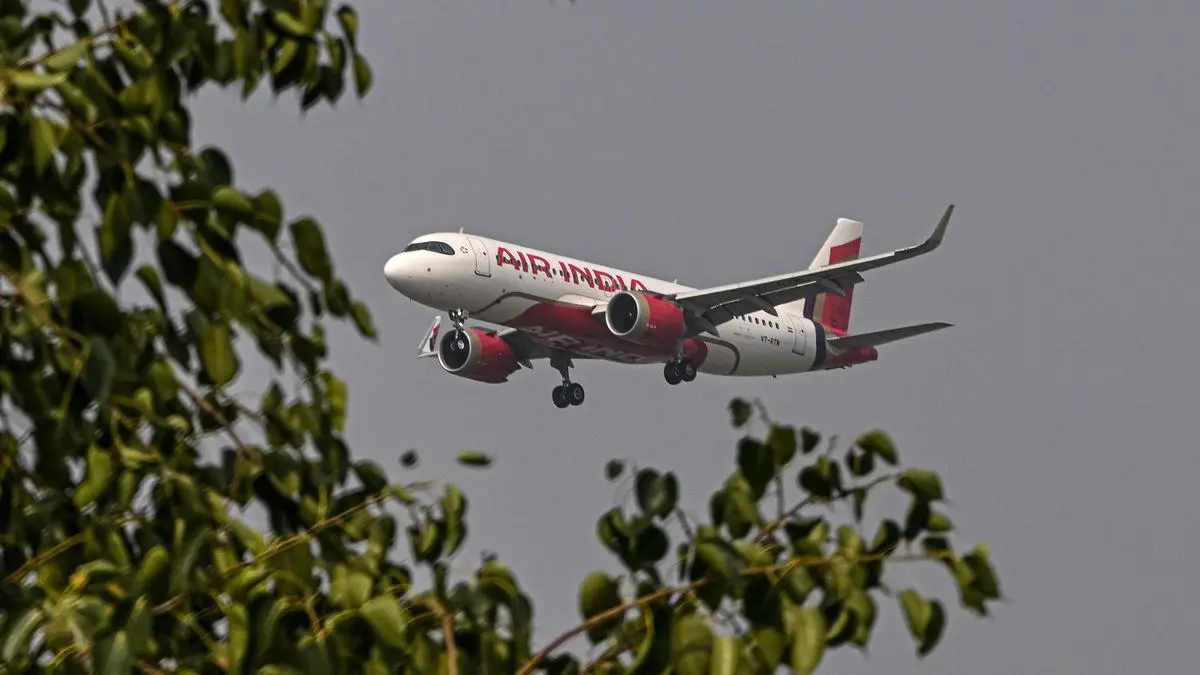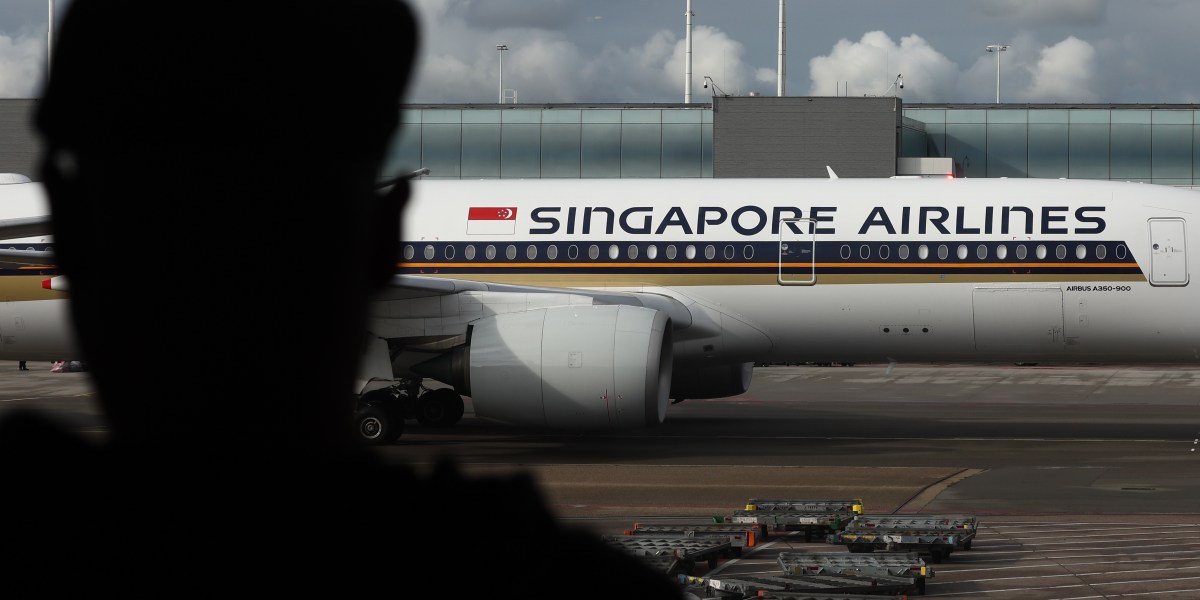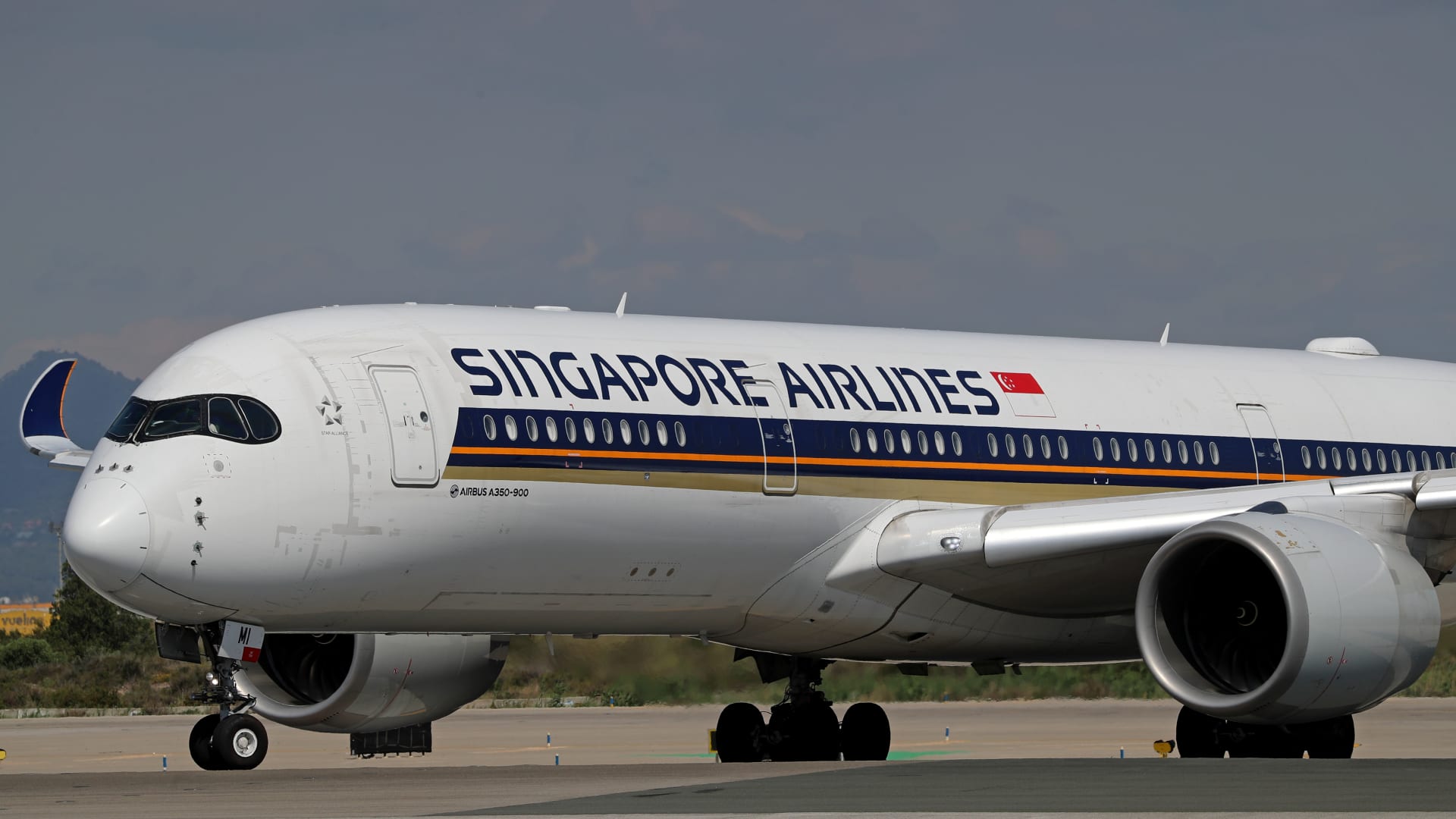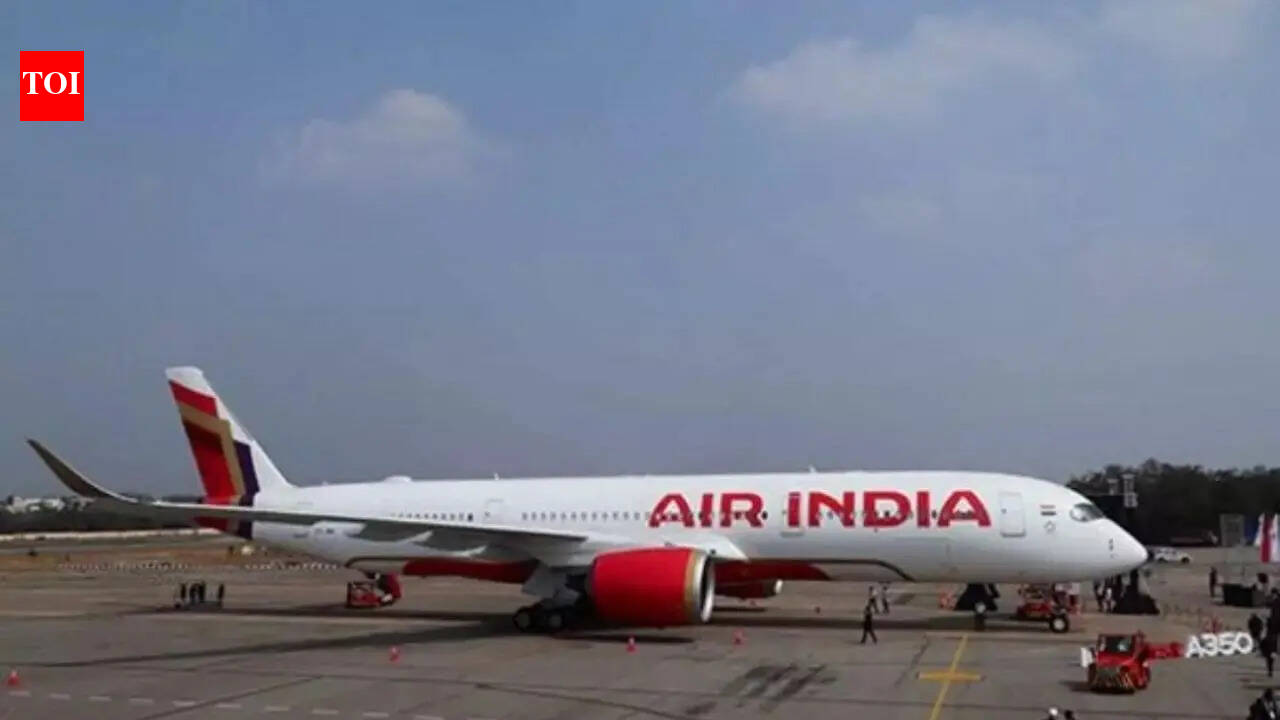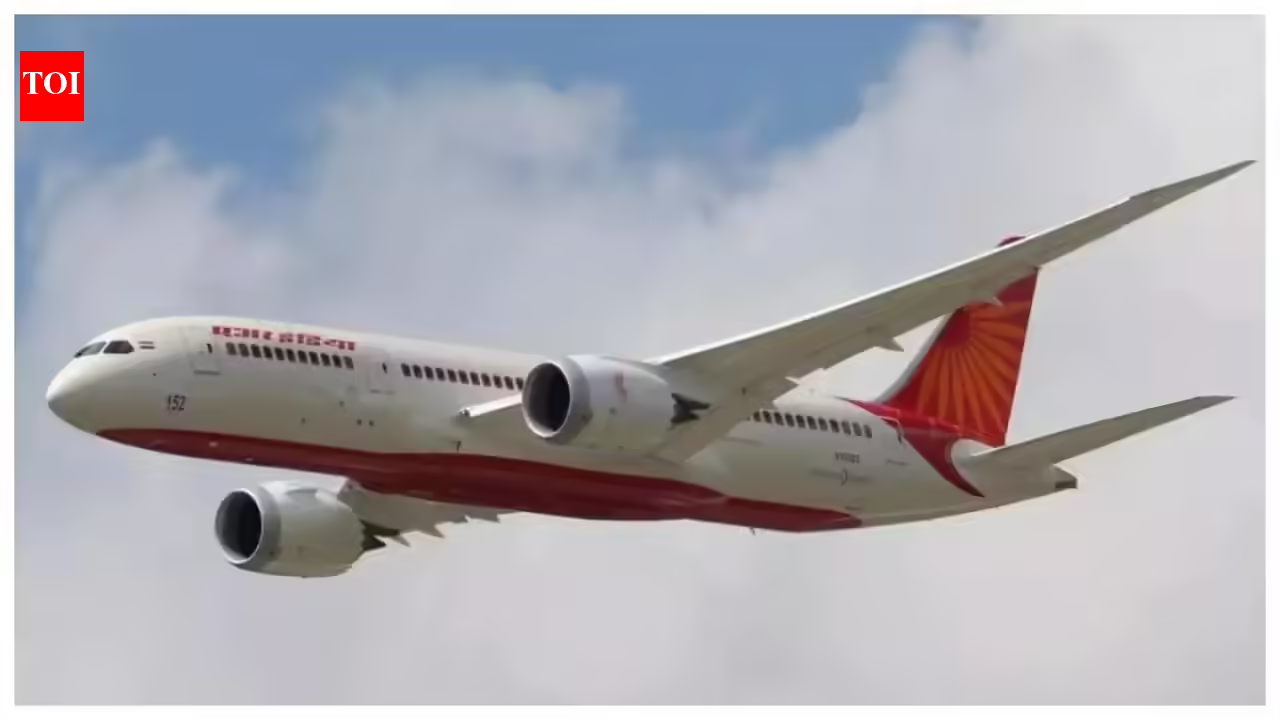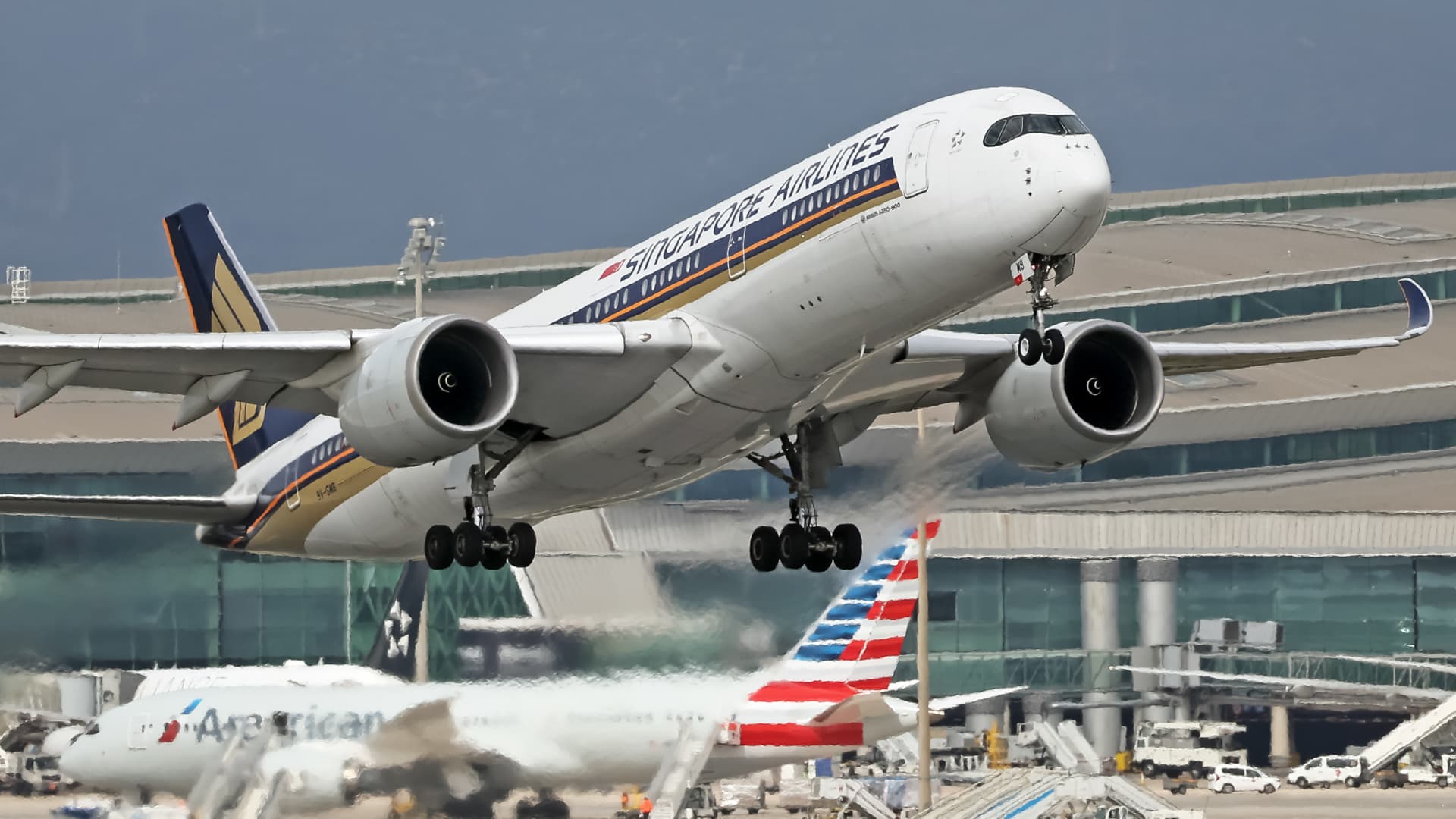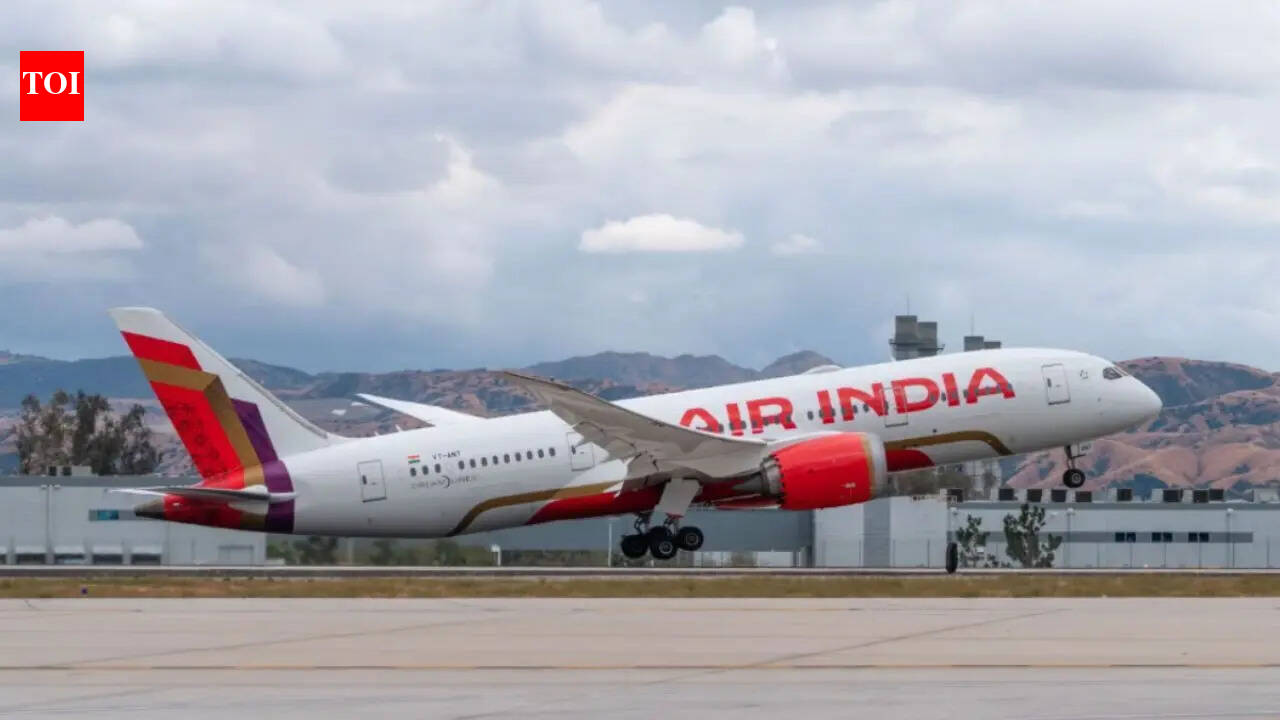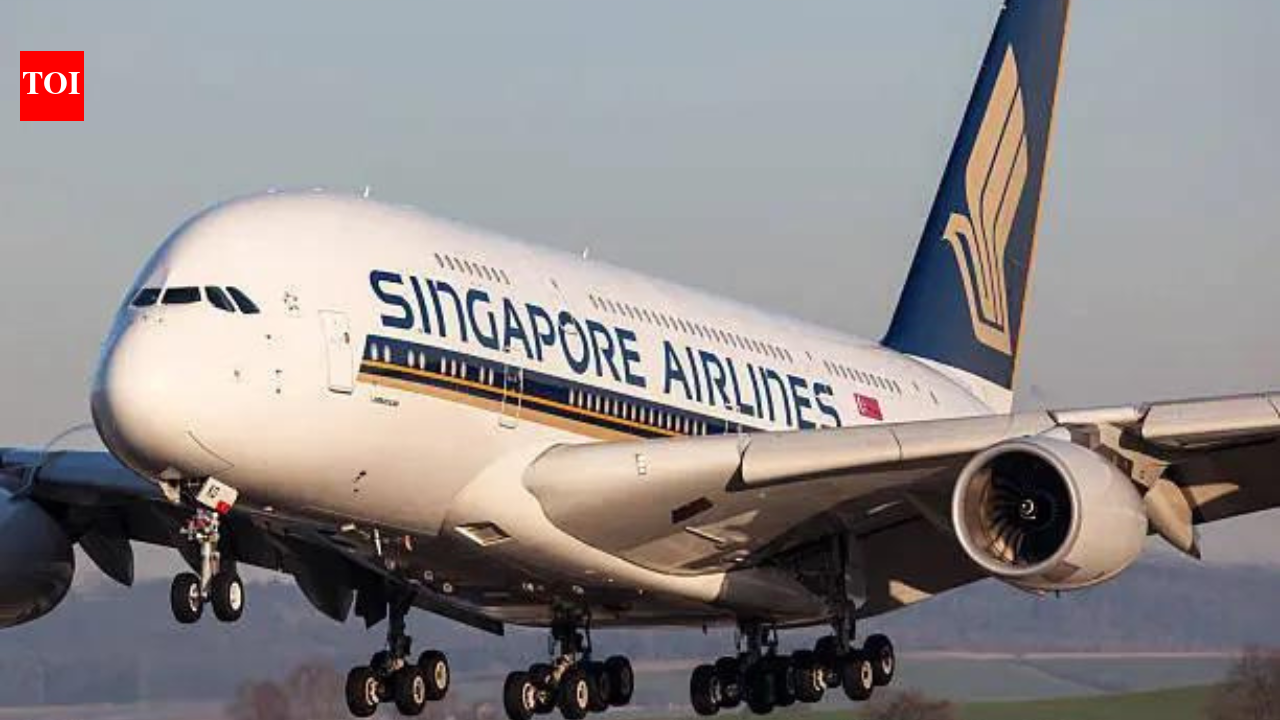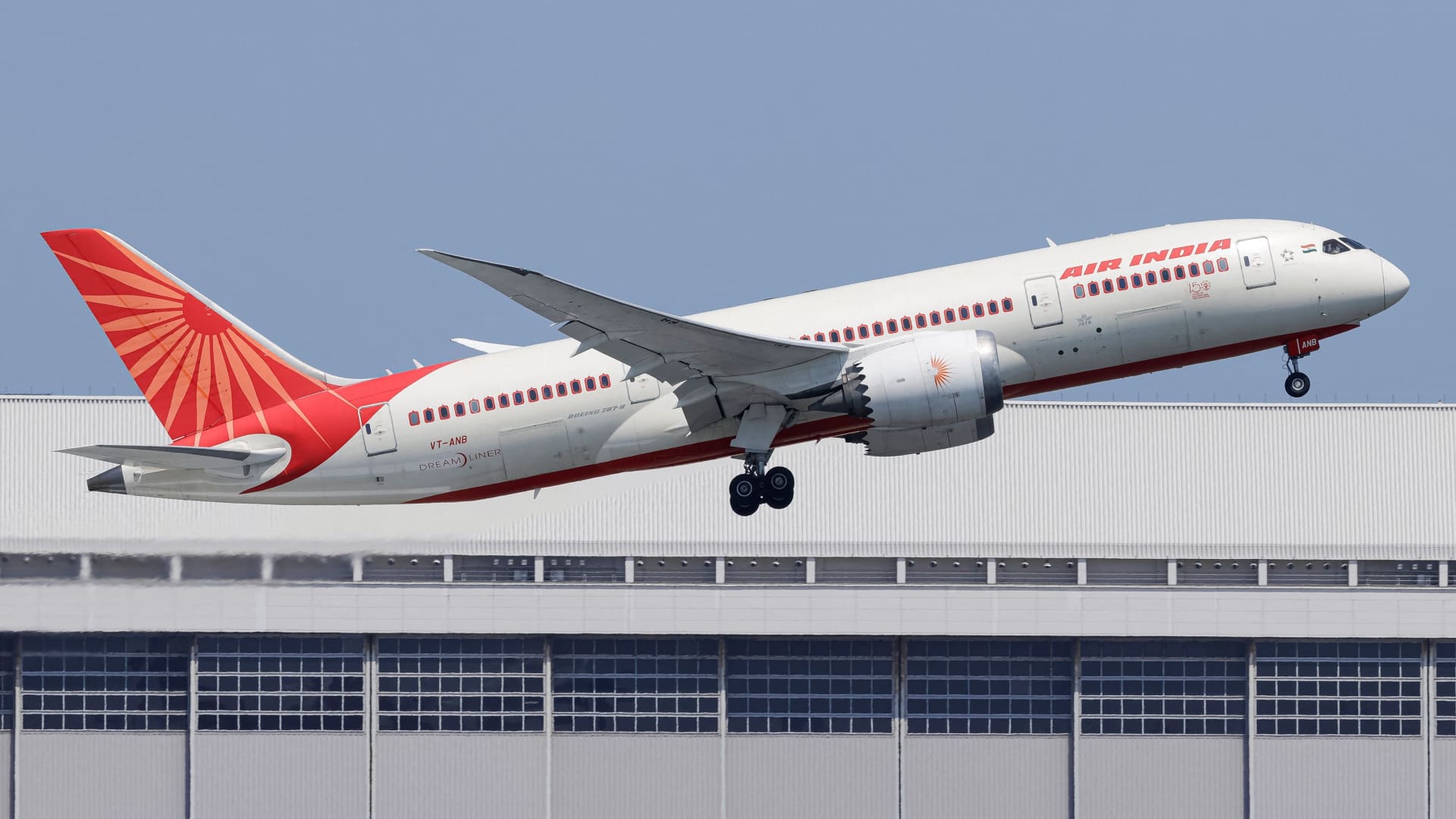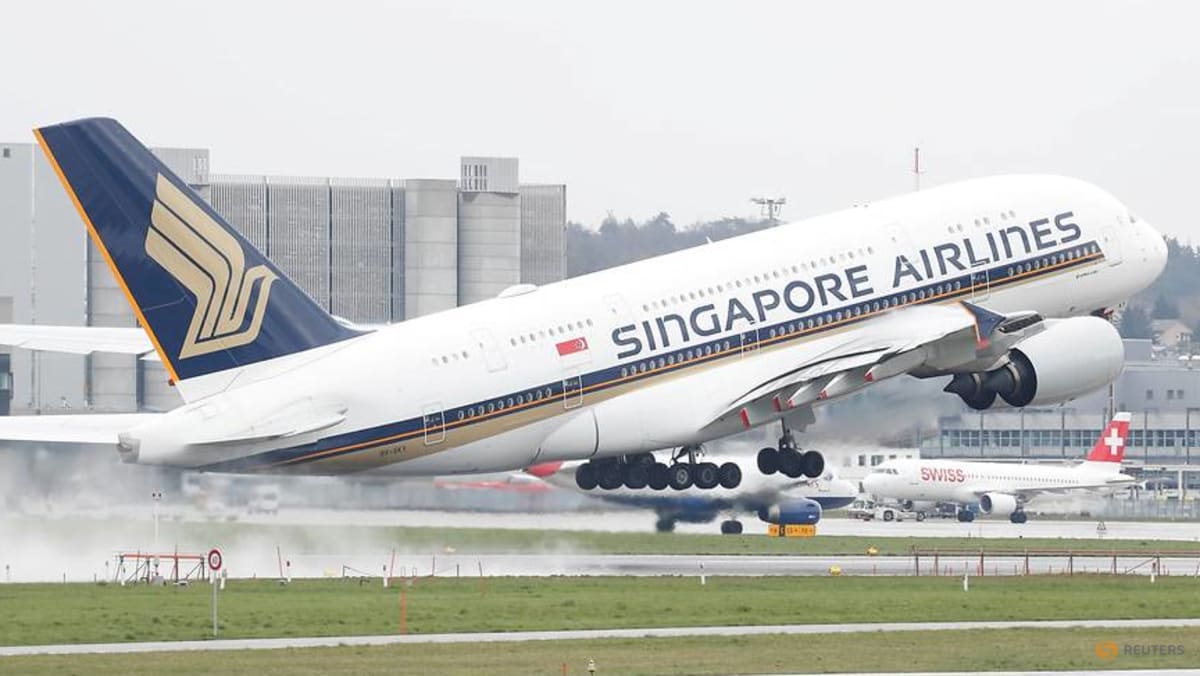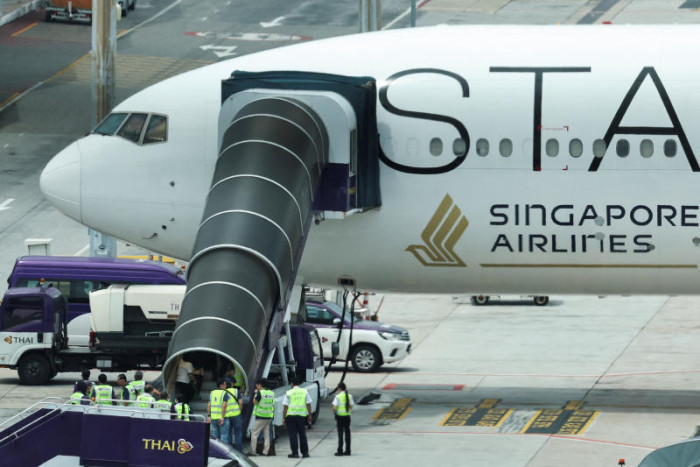
A day after Singapore Airlines disclosed that mounting losses at Air India had dragged down its annual profit by 57%, chief executive Goh Choon Phong blamed geopolitical disruptions, Pakistani airspace restrictions, and currency volatility for the Indian carrier's deteriorating financial performance, while reiterating commitment to the airline's long-term turnaround.Speaking at a post-earnings investors' call Friday, Goh said Air India had been hit by a combination of external shocks that sharply inflated costs and disrupted international operations, particularly on routes to North America.Air India's losses more than doubled to ₹25,606 crore in FY26, according to results released by Singapore IA, which owns 25.1% of the Tata Group-backed carrier. Singapore Airlines said its net profit fell to S$1.18 billion for the year ended March 31, from S$2.78 billion a year earlier, after booking a S$945.2 million share of losses from Air India. Last year's earnings had been boosted by a one-time S$1.1 billion accounting gain tied to the Air India-Vistara merger.The losses reflect the first full year of exposure to Air India's financial performance following the merger of Vistara with Air India in November 2024."The closure of Pakistani airspace affects only Indian-based operations, not anyone else," Goh said, referring to restrictions that forced Air India to operate longer, fuel-intensive detours on key long-haul routes while foreign rivals continued using shorter flight paths.Air India was also hit by elevated fuel prices linked to the conflict in West Asia, delays in aircraft deliveries and retrofit programmes caused by global supply-chain disruptions, and depreciation of the Indian rupee, which inflated aircraft leasing and maintenance costs paid in US dollars.The pressure intensified after the June 2025 crash of Flight 171 in Ahmedabad triggered heightened regulatory scrutiny, additional safety inspections, and a reduction in international capacity. According to people familiar with the matter, Air India's losses were further aggravated by a ₹7,000-8,000 crore foreign exchange hit and up to ₹1,500 crore in labour compliance costs.Despite the mounting losses, Singapore Airlines said Air India remains a "core component" of its multi-hub strategy and said it would continue supporting the airline's transformation alongside Tata Sons.
Air India weighed down by external shocks: Singapore Air CEO
Air India's losses have significantly impacted Singapore Airlines' annual profit. Geopolitical issues, airspace closures, and currency fluctuations are cited as key reasons. Despite these challenges, Singapore Airlines remains committed to Air India's long-term turnaround. The airline is a core part of its multi-hub strategy. Support for the transformation continues alongside Tata Sons.
346 words~2 min read