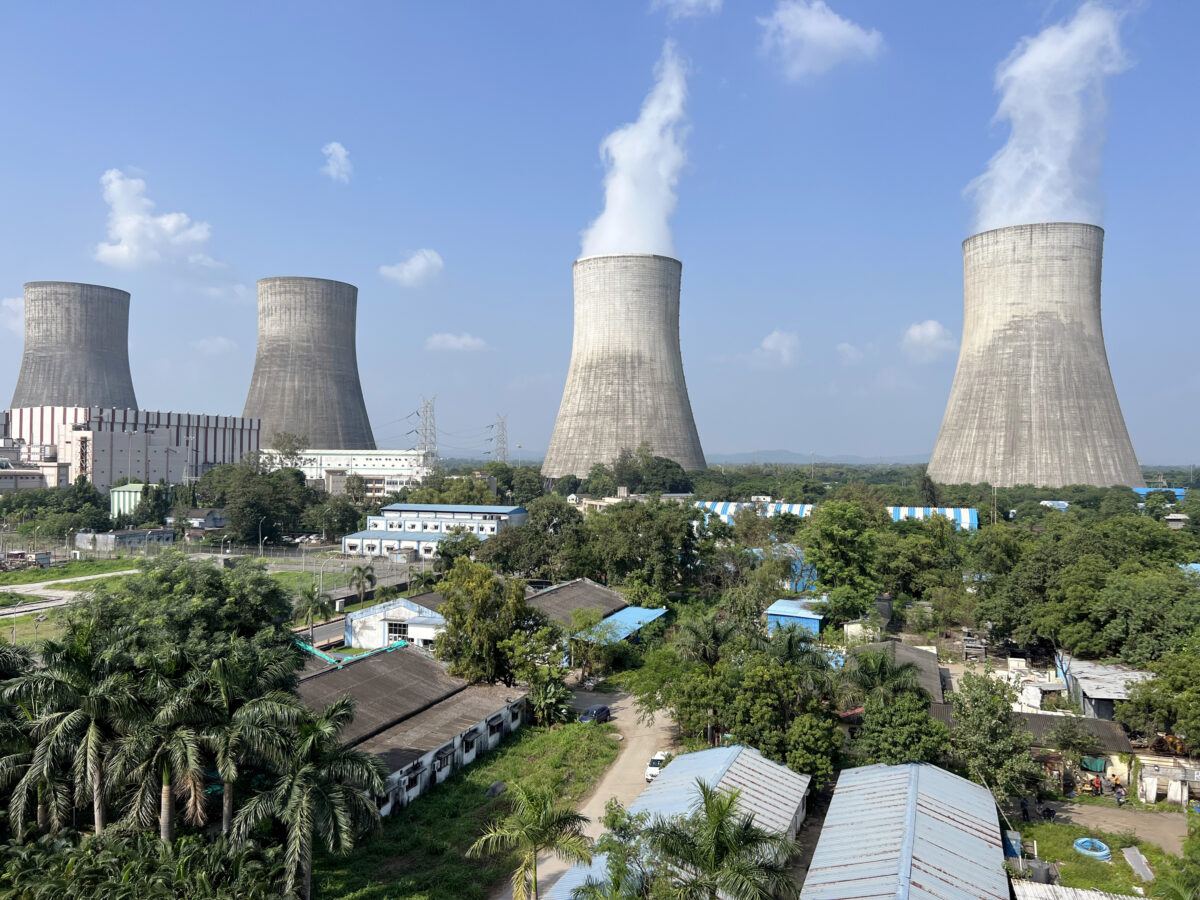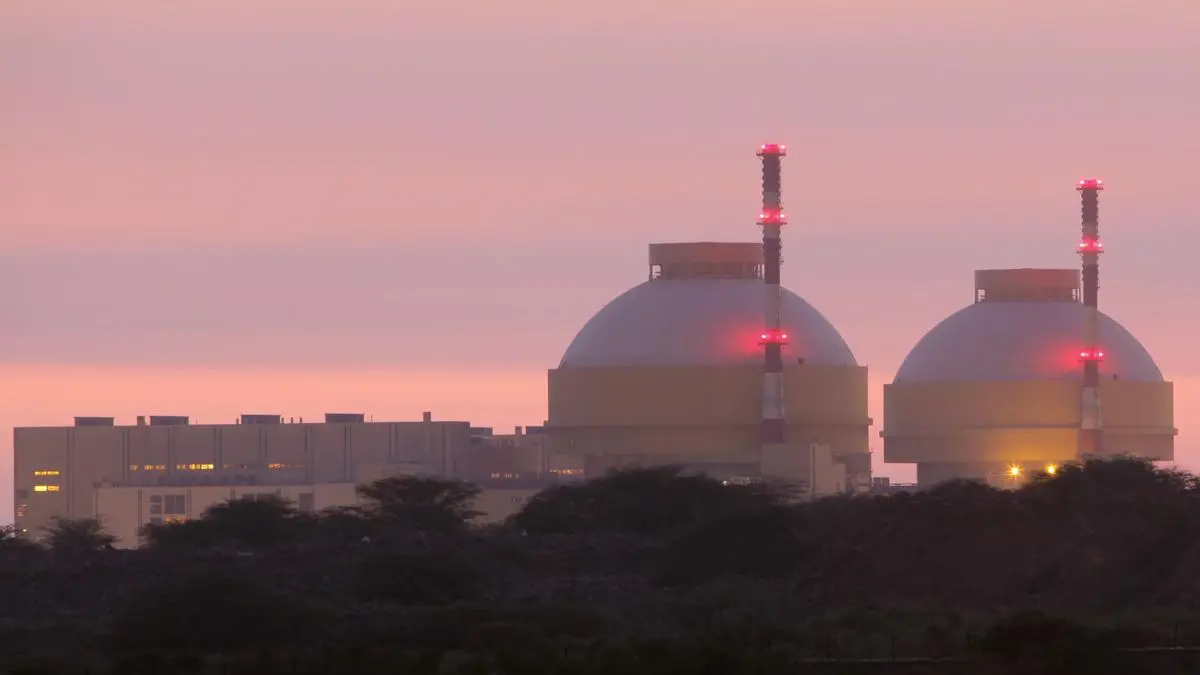
EARLY MOVER. India’s legacy nuclear power is competitively priced
| Photo Credit:
Adeel Halim
The passage of the SHANTI Act, 2025, allowing the private sector to set up and run nuclear power plants in India has created a buzz. But few seem to have looked at nuclear energy’s soft underbelly — the cost.India’s existing nuclear power plants produce electricity competitively — at ₹2.72–3.87 a kWhr. But these plants were built decades ago.What will be the cost of new nuclear power plants? A peek into this was provided by experts at a recent workshop on the SHANTI Act, organised by the Central Electricity Authority. A pressurised heavy water reactor (PHWR) — the Nuclear Power Corporation of India is building 10 of these at 700 MW capacity each — will cost ₹21 crore a MW.Using the existing pricing formula — 15.5 per cent return on equity, 2.33 per cent annual depreciation, and so on — the tariff works out to be ₹7.77 a kWhr.In the case of a pressurised water reactor (as opposed to heavy water), the tariff rises to ₹7.78 a kWhr.Who will buy this at a time when renewable energy supplied continuously through battery or pumped storage is available at around ₹4 and expected to get cheaper over the years?The workshop deliberated on this point. It has been said that the cost of nuclear power can be reduced by 20 paise by lowering the GST from 18 per cent to 5 per cent, and by 30 paise if the tax is eliminated, thereby lowering return expectations — 10 paise for 1 percentage point lower ROI, and 15 paise if the normative interest rate drops by 1 percentage point.The interest rate has one more complexity. The normative rates are calculated on the basis of a 30-year loan. The absence of a 30-year loan product came up at the workshop, and the solution suggested was rollover or refinance of loans for a 30-year period. However, this could expose projects to uncertainty over future interest rates and reduction in financing costs. Further reduction in tariffs is possible by operating the plant above the normative PLF of 72.5 per cent.However, despite the potential for tariff reduction, nuclear energy is still expensive. Moreover, the indicative tariffs are valid for the present. Projects set up later would entail a 10 paise rise in tariffs each year, due to the normative increase in O&M costs. A nuclear power project takes 13 years to build.Cost in privateNow, another question is how costly will be the nuclear power plants set up by the private sector? Till date, the private sector has not gone beyond expressing an interest in nuclear energy — perhaps because the rules are yet to be framed. But when they do embark on a project, they are likely to face the biggest challenge of all: the market.Furthermore, future nuclear power projects will have to be run on imported uranium — 50 GW nuclear power plants will need about 6,000 tonnes of uranium a year. The Nuclear Fuel Complex in India, even after the proposed expansion, can supply 2,900 tonnes — which will go to supply the upcoming plants of NPCIL. The cost of imported uranium will be impacted by global supply, geopolitics and the attendant factor of exchange rate.Under the Electricity Act, tariffs are fixed in two ways — cost-plus basis under Section 62; and competitive bidding under Section 63.Tariffs of nuclear power plants are not governed by the Electricity Act — they are fixed by the Department of Atomic Energy in consultation with the Central Electricity Authority, again on cost-plus basis. The tariffs of the private sector projects set up under the SHANTI Act will be fixed in this manner.It is hard to see these as competitive against firm renewable energy.The picture blurs when we move from large projects to small modular reactors (SMRs), because nobody knows how the costs will pan out.So, will the SHANTI Act engender a fleet of nuclear power plants that can raise India’s nuclear energy capacity from 8 GW to 100 GW by 2047?Fingers crossed.Published on May 25, 2026