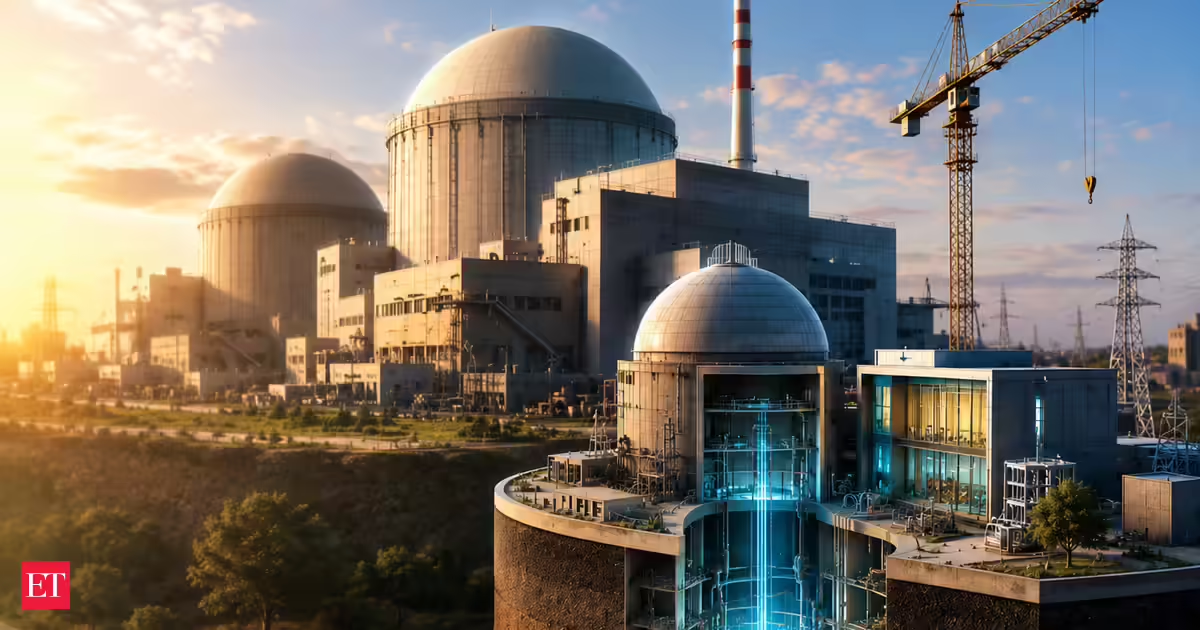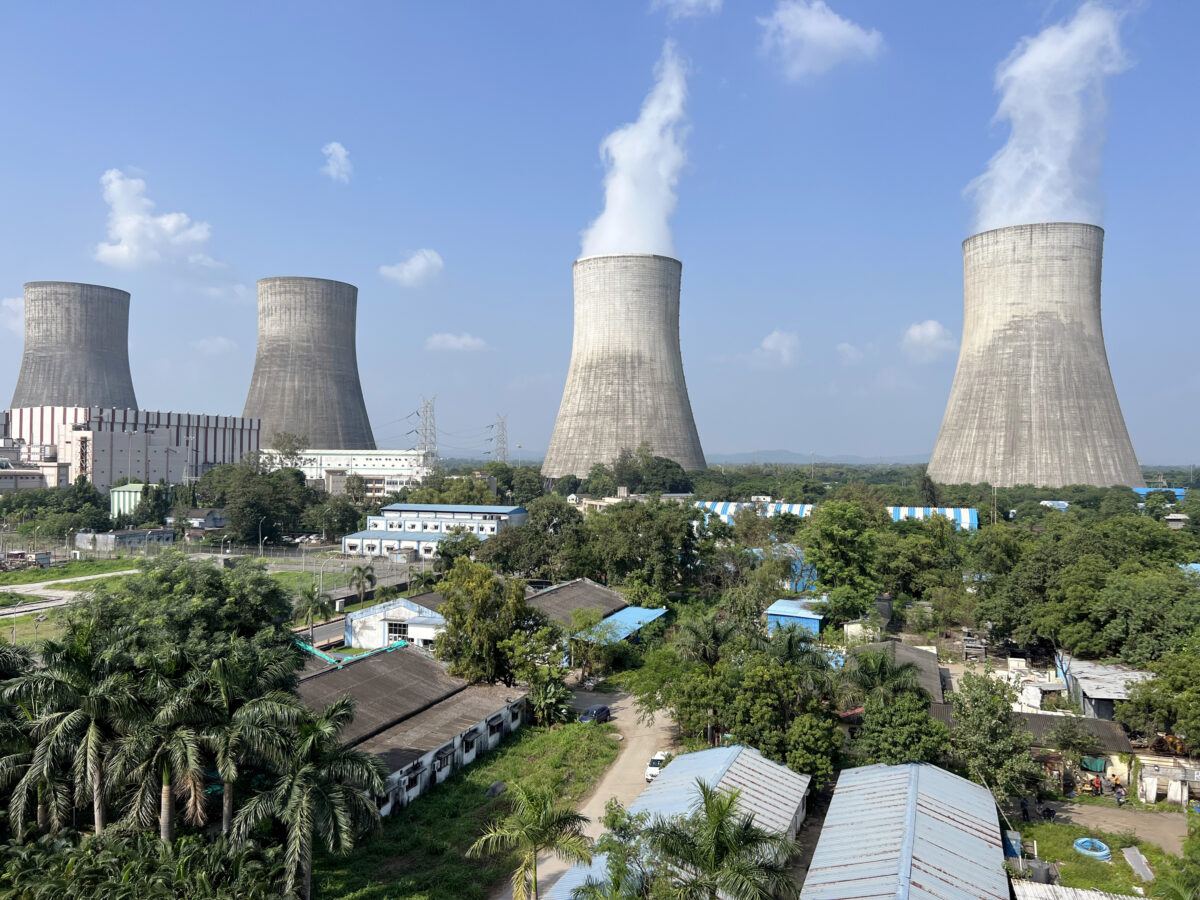
In a landmark move, the Indian government passed the Sustainable Harnessing and Advancement of Nuclear Energy for Transforming India (SHANTI) Bill on 18 December 2025. While the reform marks a decisive break from decades of restrictions on nuclear energy, it exposes a deeper paradox in India’s energy transition. India urgently needs low-carbon baseload power, but the institutional ecosystem required to govern nuclear risk remains fragile.
SHANTI will relax ownership restrictions, allowing private companies to participate in building, owning, operating and decommissioning nuclear power plants, as well as equipment manufacturing. The government had earlier signalled a gradual move away from state monopoly control of India’s civil nuclear sector. SHANTI goes further by formally opening the sector to private participation. It also consolidates licensing, safety, liability and regulatory oversight under a single modern statute — replacing a fragmented regime that had remained largely unchanged for decades.
The bill grants statutory status to the Atomic Energy Regulatory Board (AERB). Experts welcomed this, arguing that safety and investor confidence require an empowered independent regulator. The AERB is expected to exercise clearer regulatory authority and reduce institutional overlap between regulator and operator — aligning India’s governance more closely with international norms.