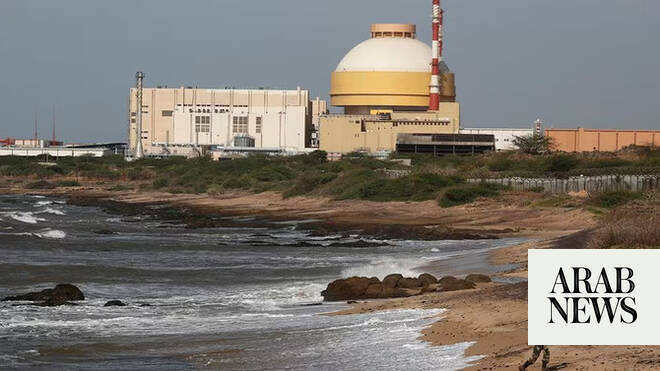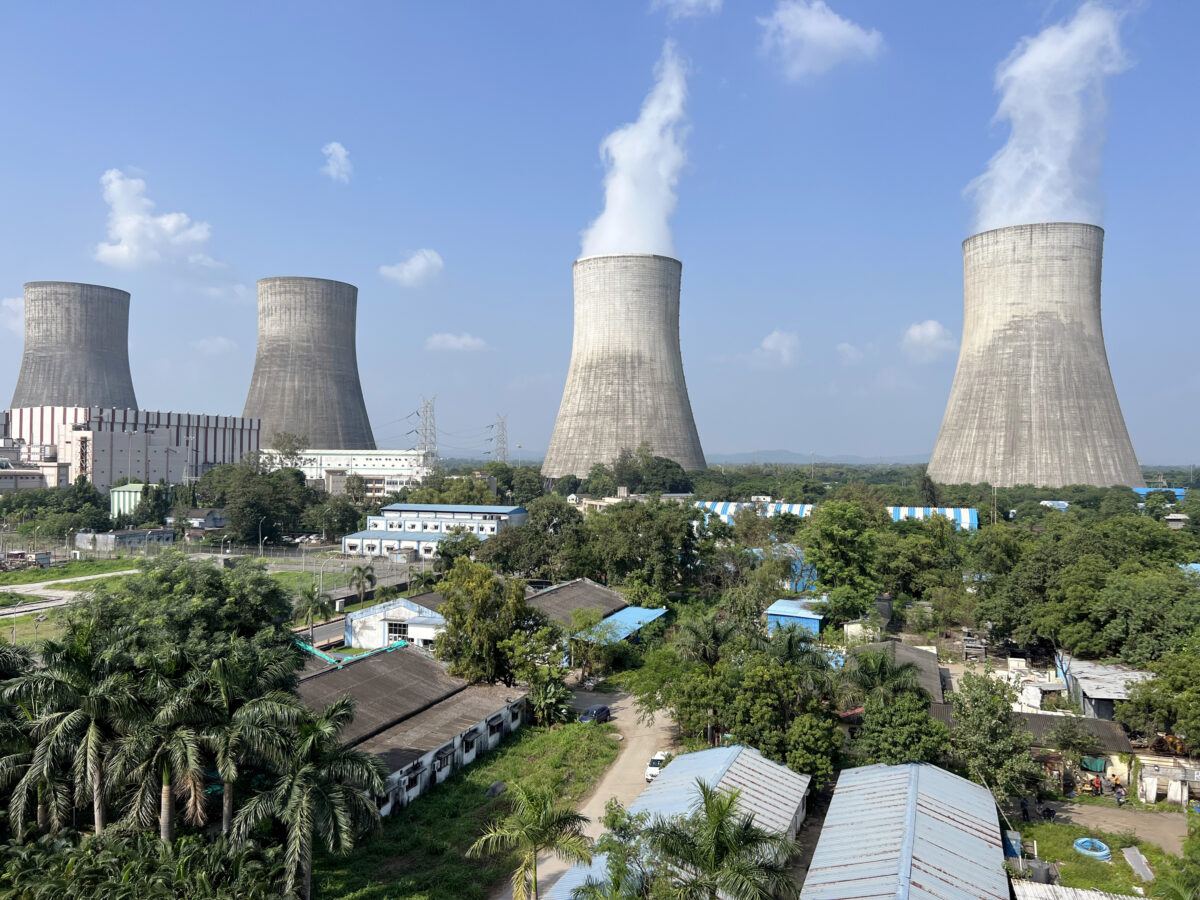
The Centre introduced in the Lok Sabha on Monday (December 15, 2025) the SHANTI Bill that aims to incentivise private sector participation, both Indian and foreign, into nuclear power production. It does this by replacing India’s existing laws — the Atomic Energy Act, 1962 and the Civil Liability for Nuclear Damage (CLND) Act, 2010, with the Sustainable Harnessing and Advancement of Nuclear energy for Transforming India (SHANTI) Bill, 2025.
Parliament Winter Session: Follow highlights on December 15, 2025
The latter creates an atomic energy regulatory structure that is answerable to Parliament, removes the Nuclear Power Corporation of India’s monopoly over operating nuclear plants, and restricts the instances under which nuclear power plant operators can claim compensation from suppliers of equipment in case of an accident. Simultaneously, it also buffers operators by introducing limits on the extent of their liability, in case of violating the laws under the Act, based on the size of the plants they operate, and limits the maximum penalty on them to ₹1 crore even in the case of a “severe breach”.
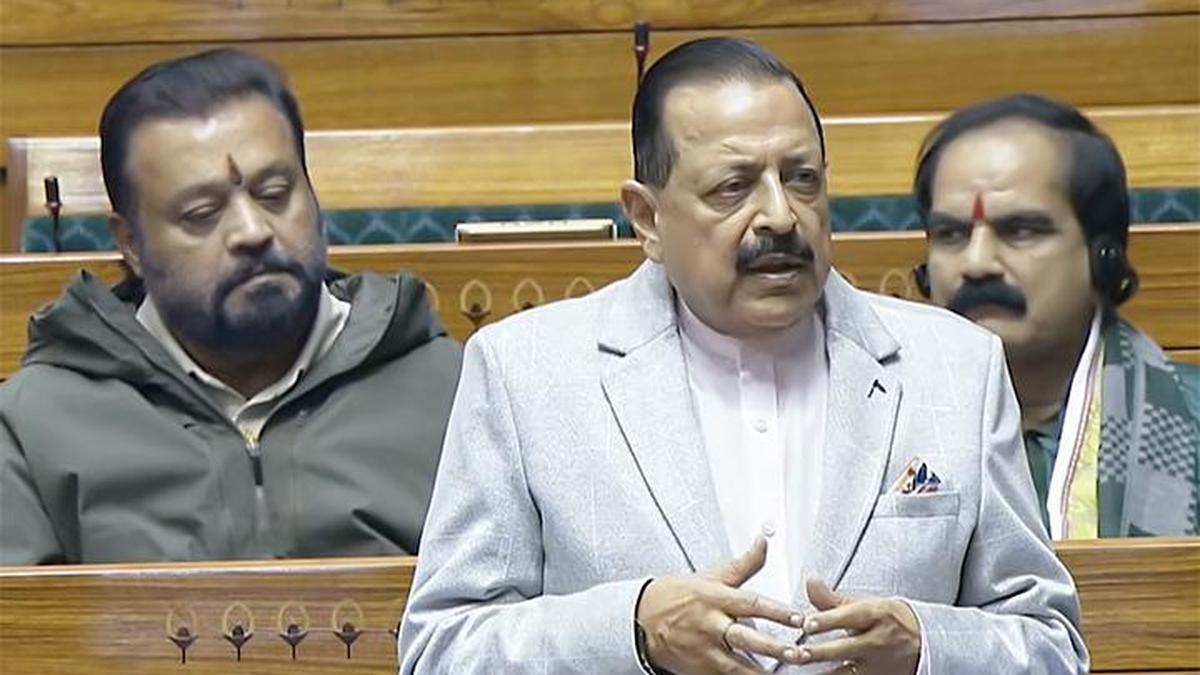
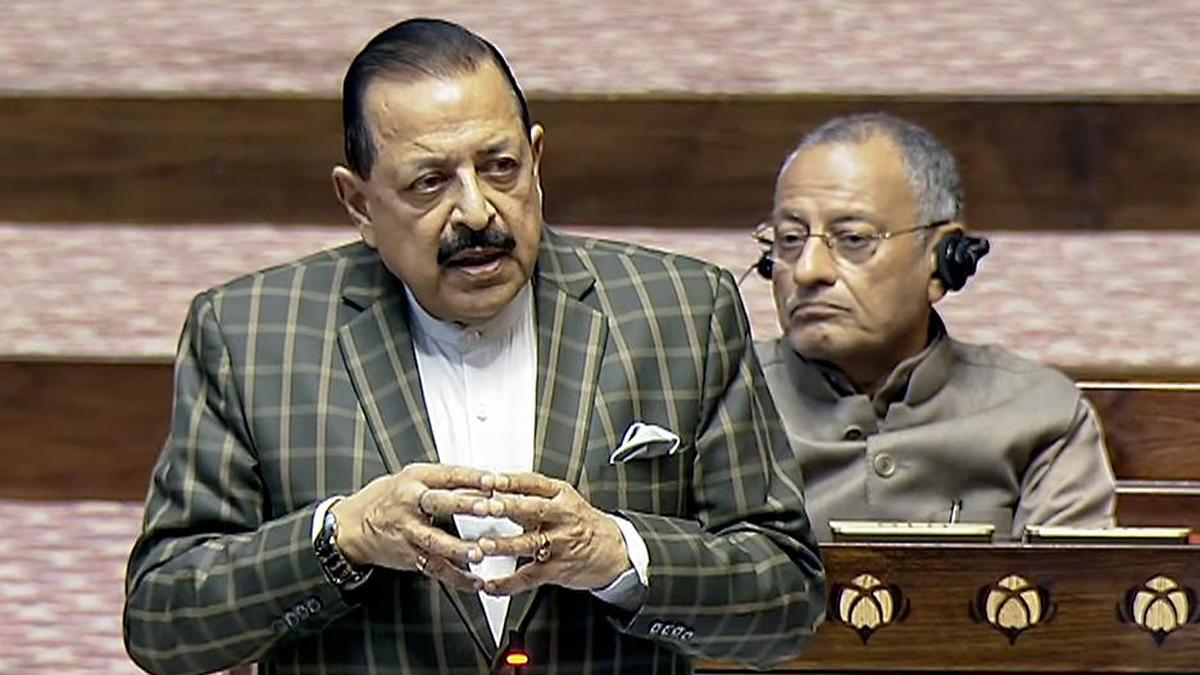
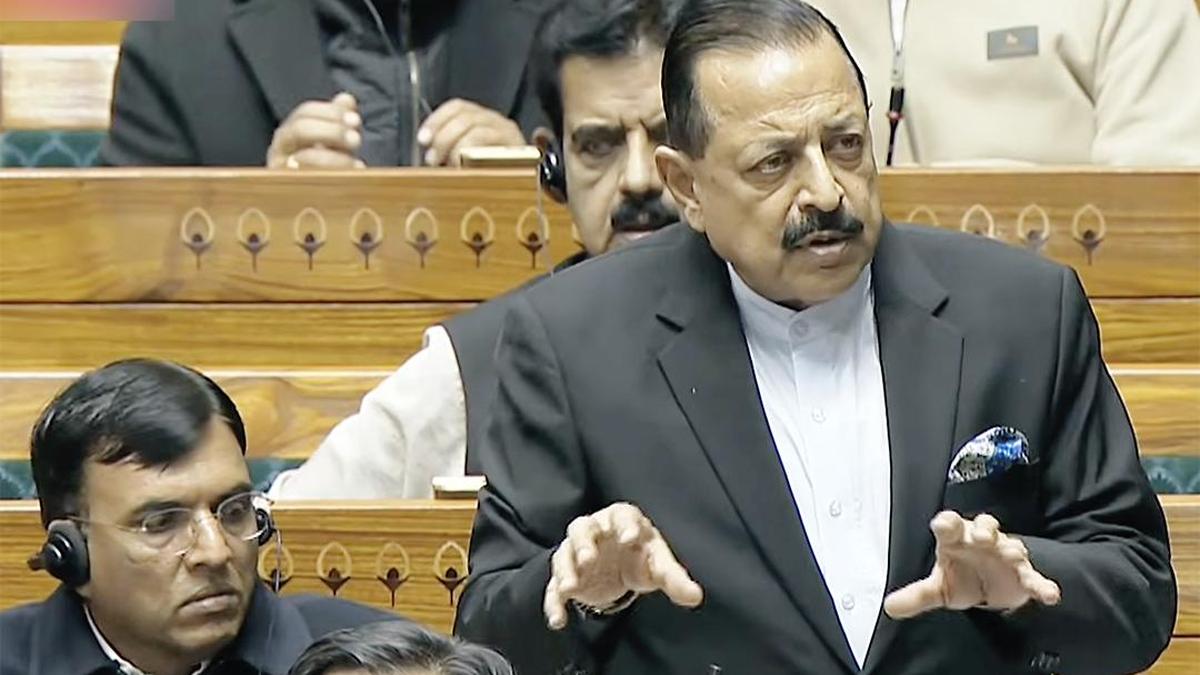
“The Bill...proposes a revised and pragmatic civil liability framework for nuclear damage, confers statutory status on the Atomic Energy Regulatory Board (AERB), and strengthens mechanisms related to safety, security, safeguards, quality assurance and emergency preparedness,” a statement by the Union Ministry of Science and Technology said. Jitendra Singh, Minister of State for Science and Technology, introduced the Bill in the Lok Sabha.