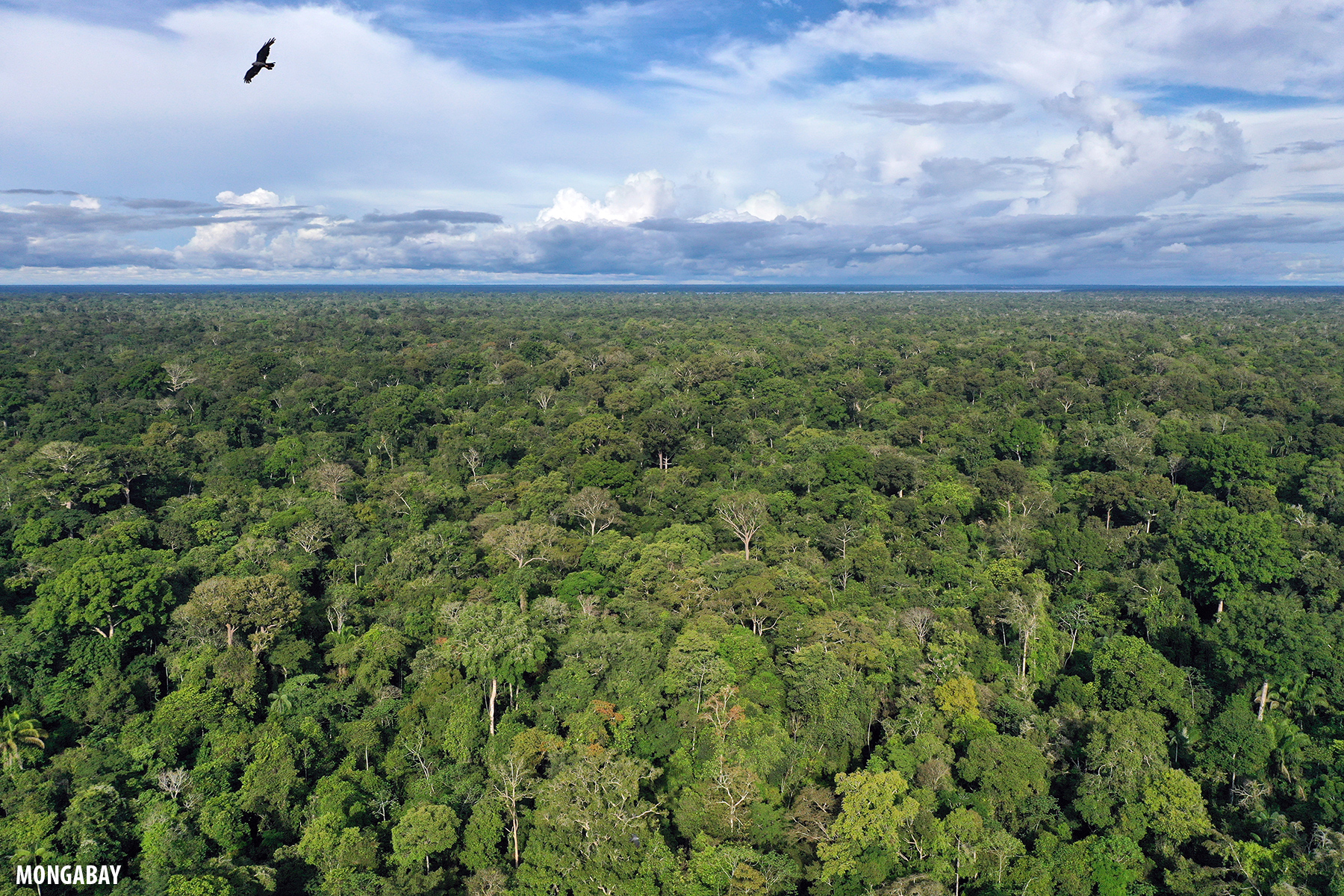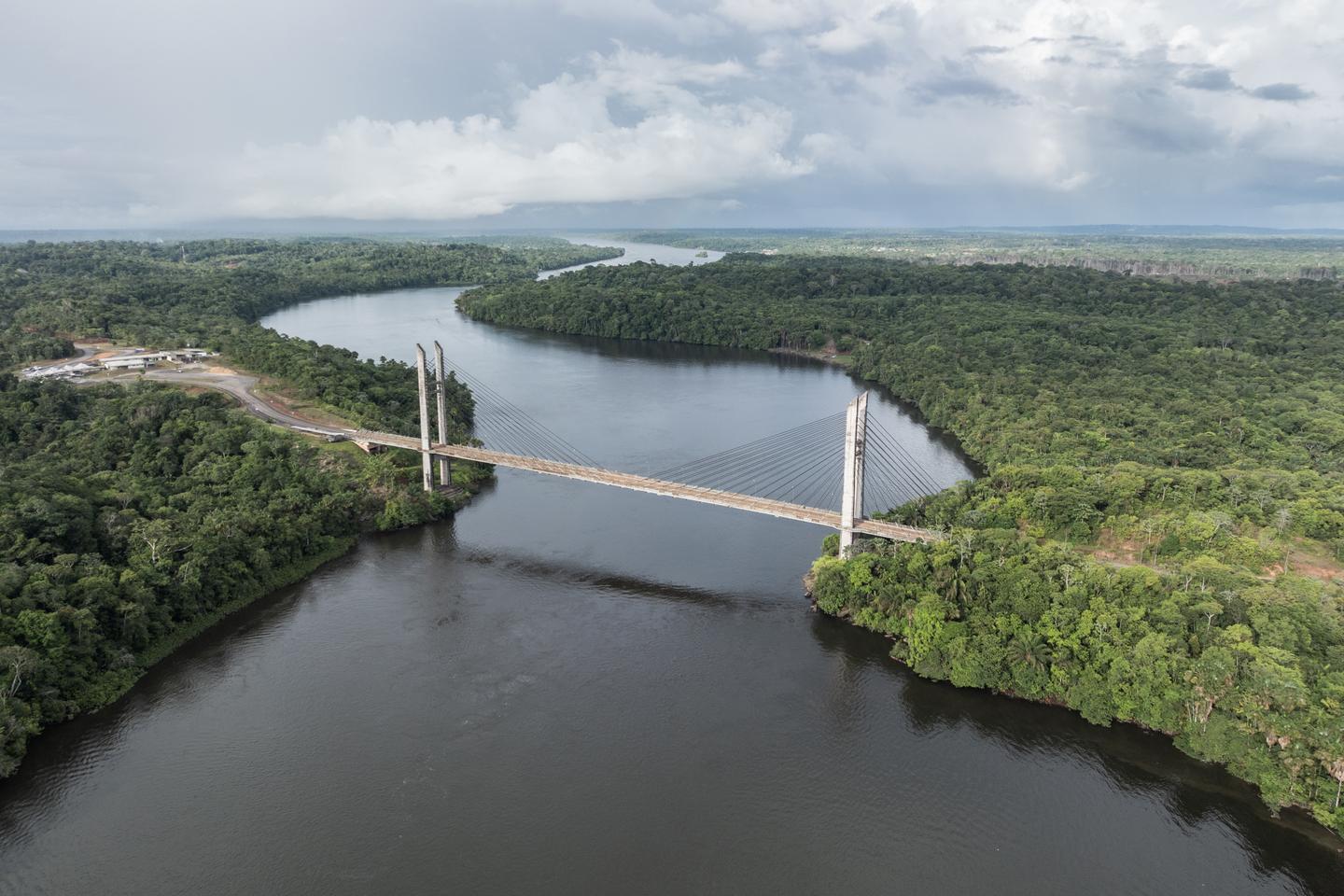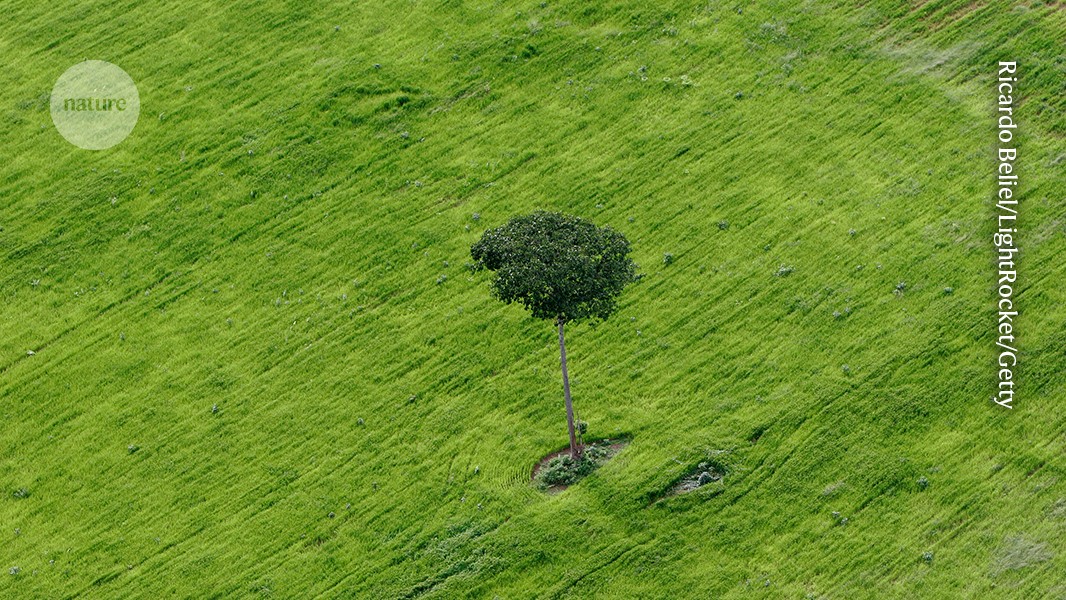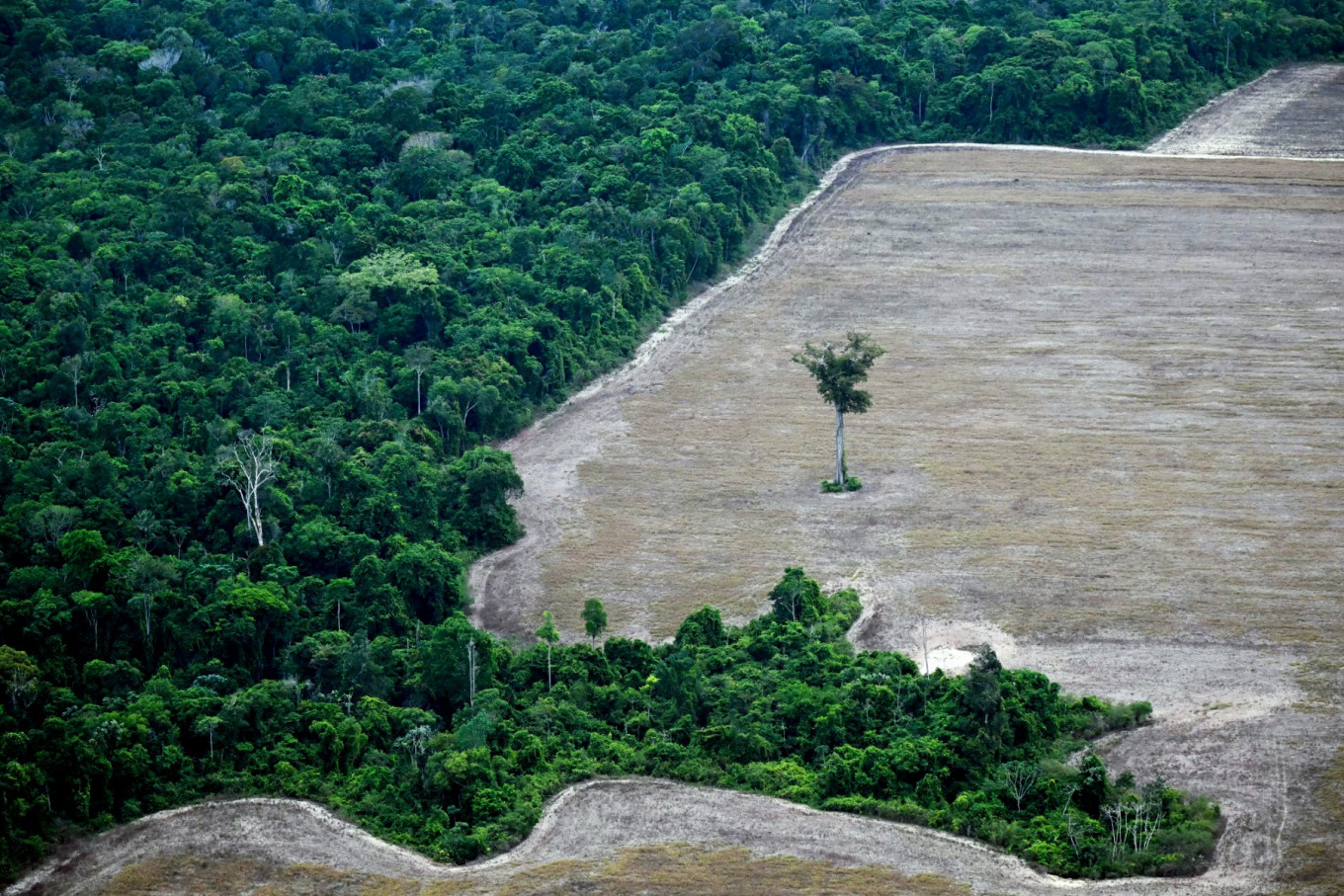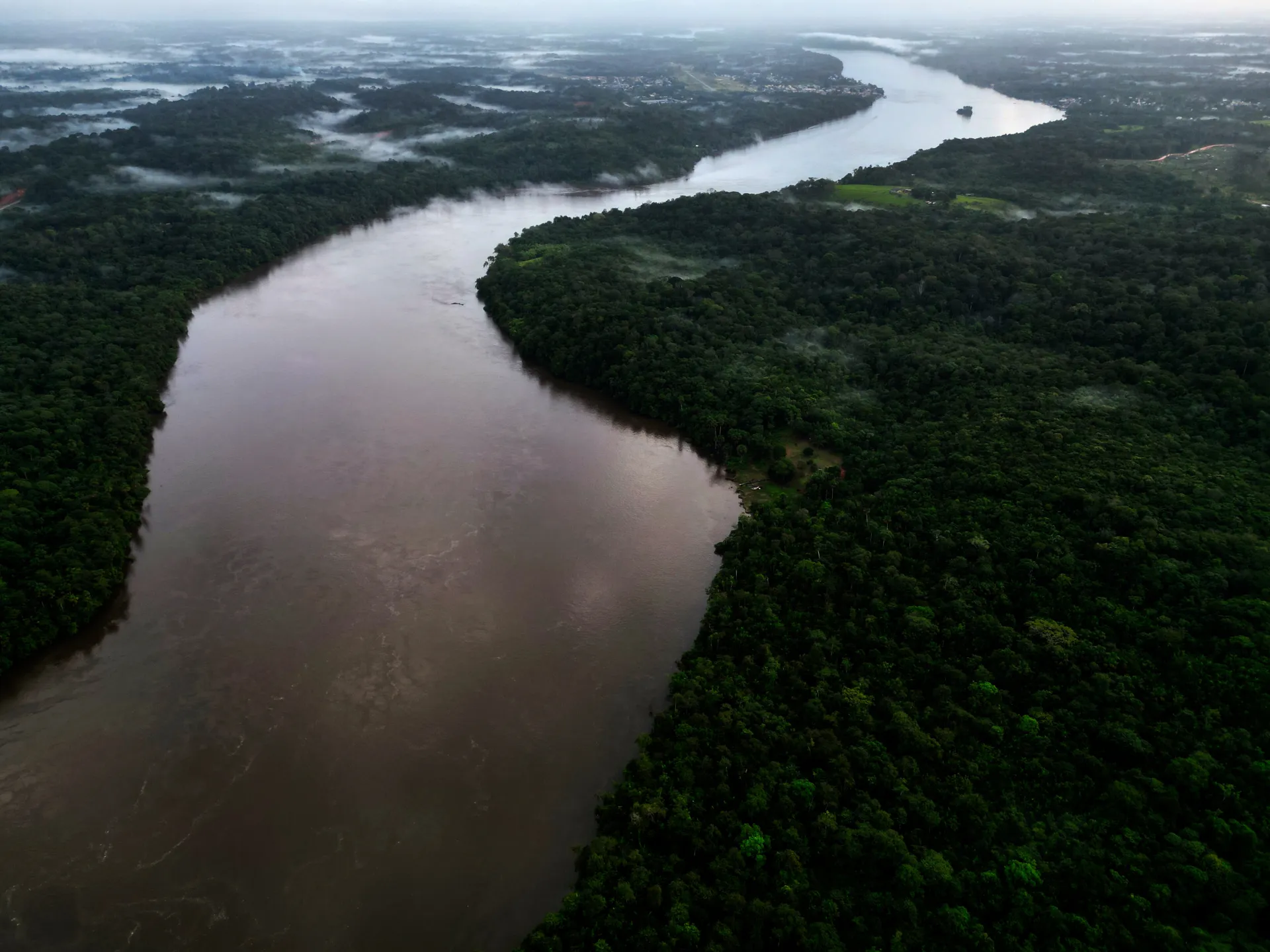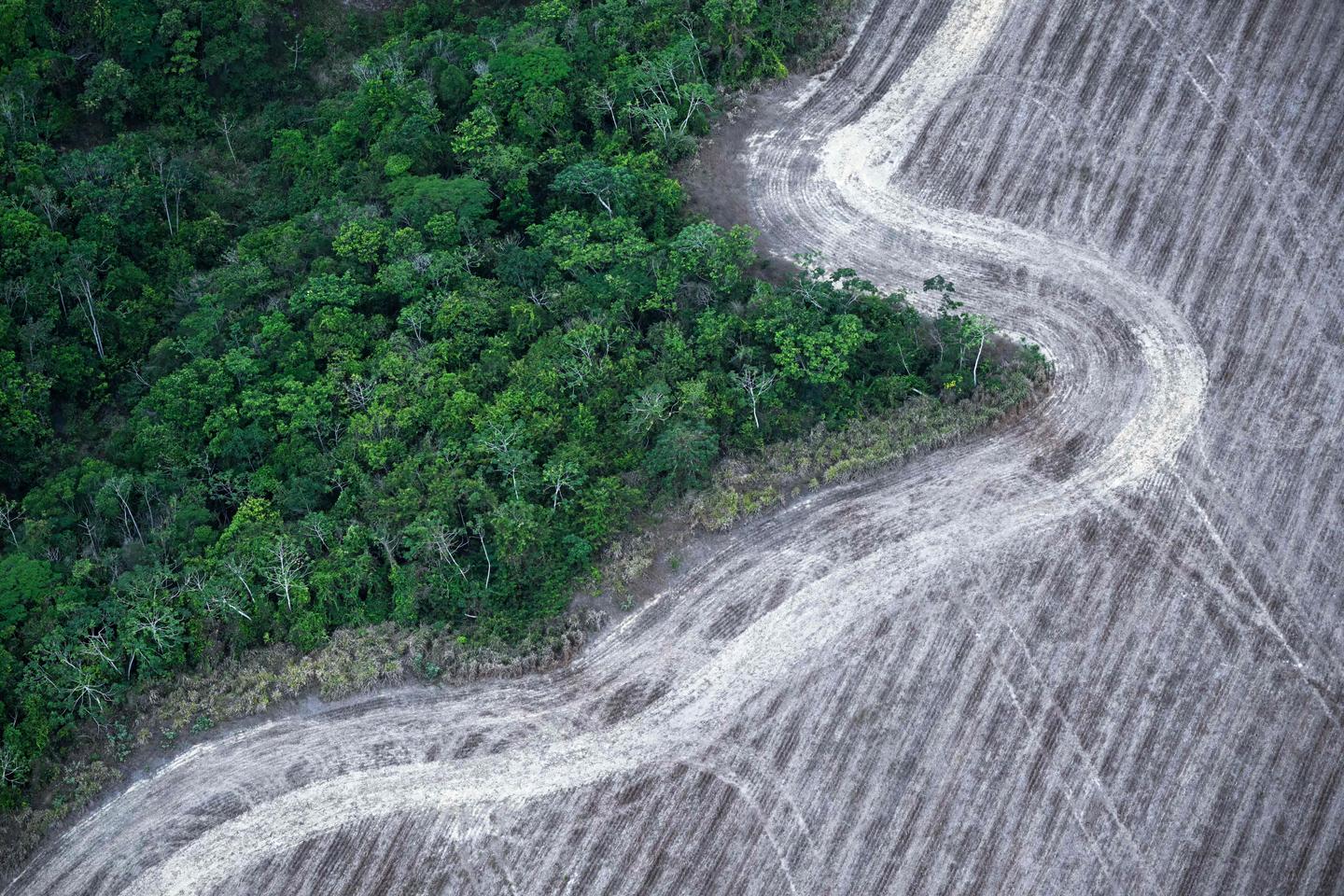
Voters in Brazil, Peru, and Colombia will soon choose presidents whose policies could shape the future of roughly 82% of the Amazon rainforest.Environmental issues have been largely absent from recent presidential debates, even as droughts, floods, deforestation, illegal mining, and organized crime increasingly threaten public well-being and national economies.Protecting the Amazon should be treated as an economic, social, and public health priority, argues Peruvian American ecologist Enrique Ortiz, because the forest helps sustain water supplies, food production, energy systems, and climate stability across South America.This article is a commentary. The views expressed are those of the author, not necessarily of Mongabay.
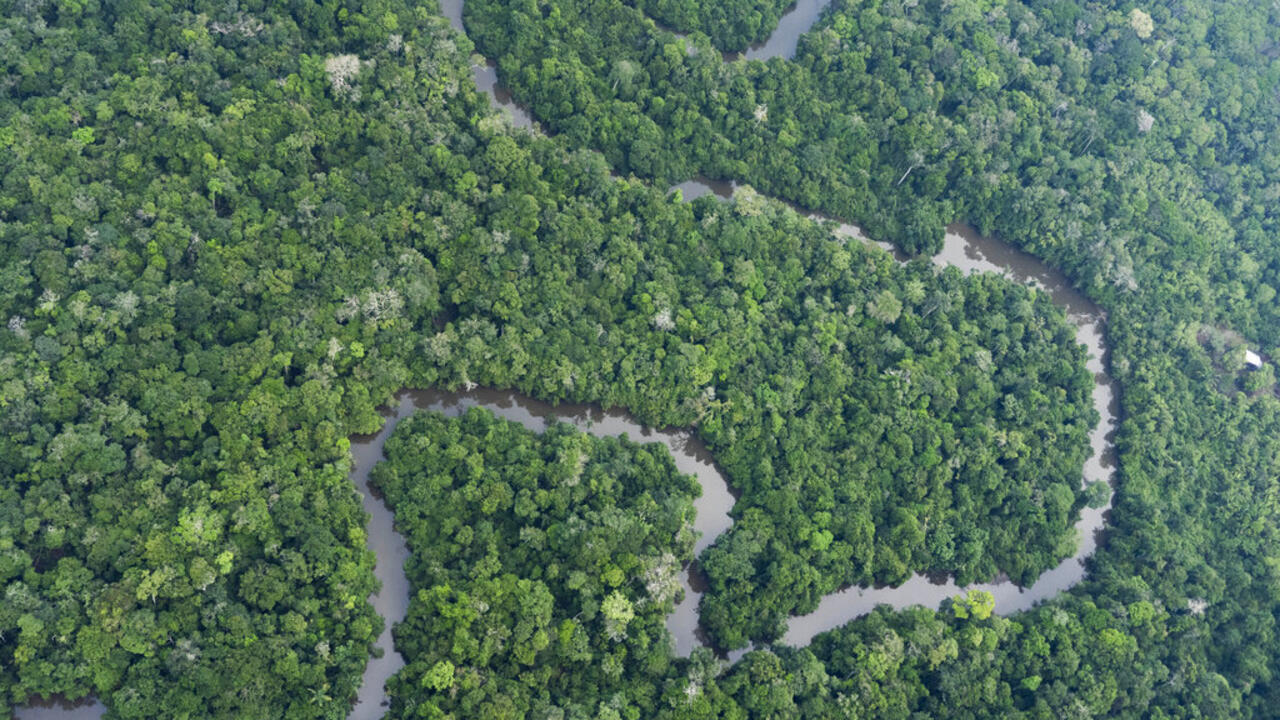
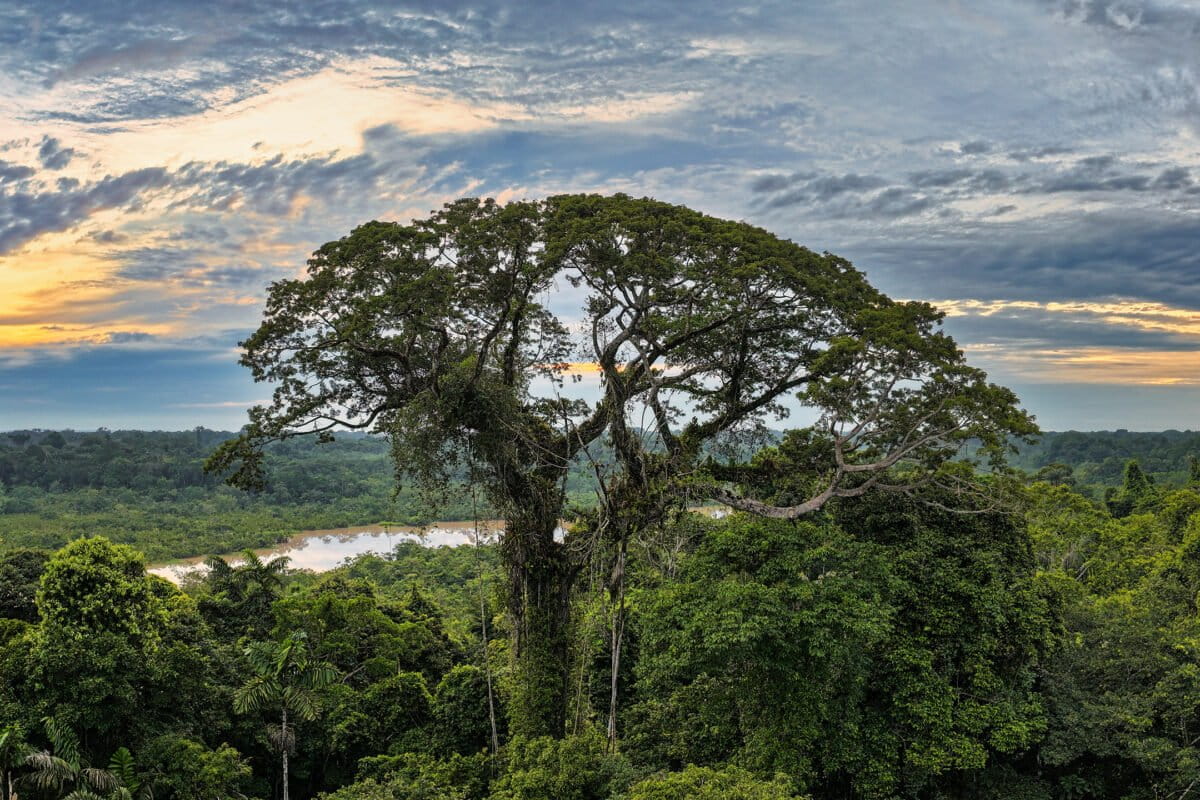
In the coming months, voters in Brazil, Peru, and Colombia will elect new presidents. Together, these three countries contain roughly 82% of the Amazon rainforest, making their elections consequential far beyond national borders. The future of the world’s largest tropical forest — and, by extension, global climate stability — will depend in large measure on the choices their citizens make at the ballot box. More than 35 million people living in the Amazon region of these countries also depend directly on those outcomes.