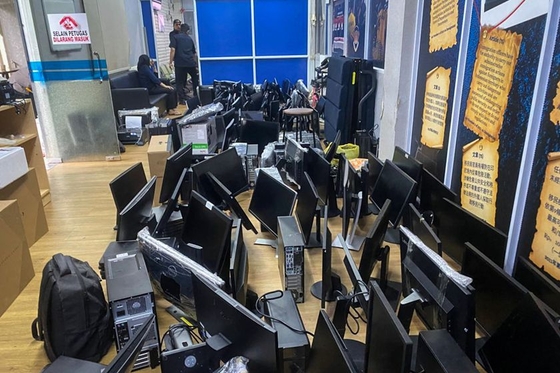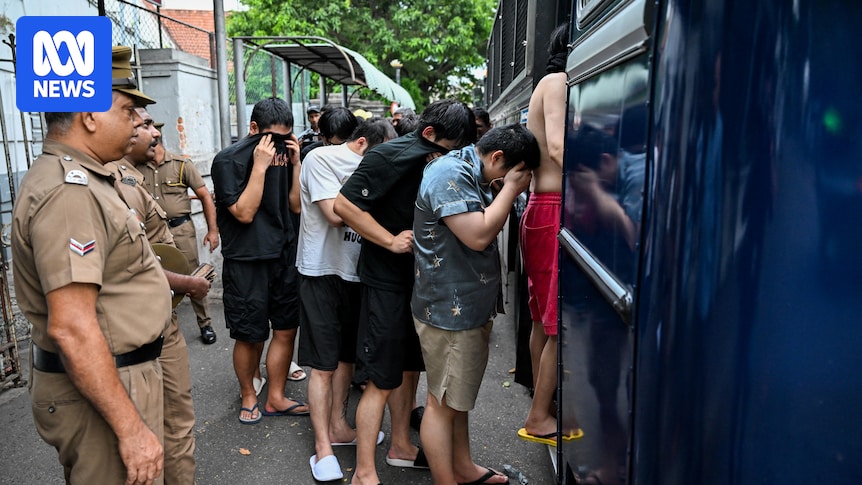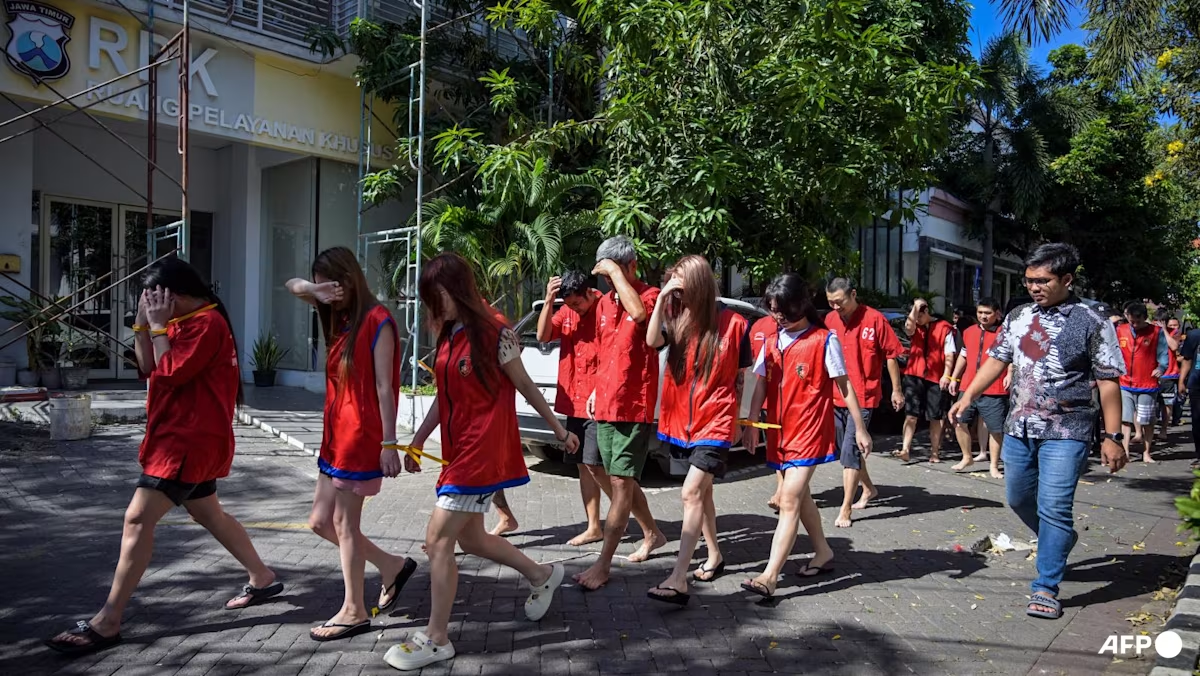
JAKARTA: Memories of a traumatic past came rushing back when Ahmad received a message from a friend about a police raid on an online gambling hub in Jakarta on May 7.The images were hauntingly familiar: hundreds of workers from different nationalities crammed inside a run-down building where they ate, slept and worked under constant surveillance, rarely allowed outside.To Ahmad, it looked painfully similar to the scam and gambling compound in Laos where he was held for six months in 2024, forced to cheat victims online while living under the constant threat of beatings, electrocution and other violence from a ruthless criminal syndicate. He managed to return to Indonesia only in late 2024 after paying his captors about US$20,000 for his release.“For a long time, I thought those criminals only operated in faraway countries,” Ahmad, not his real name, told CNA.
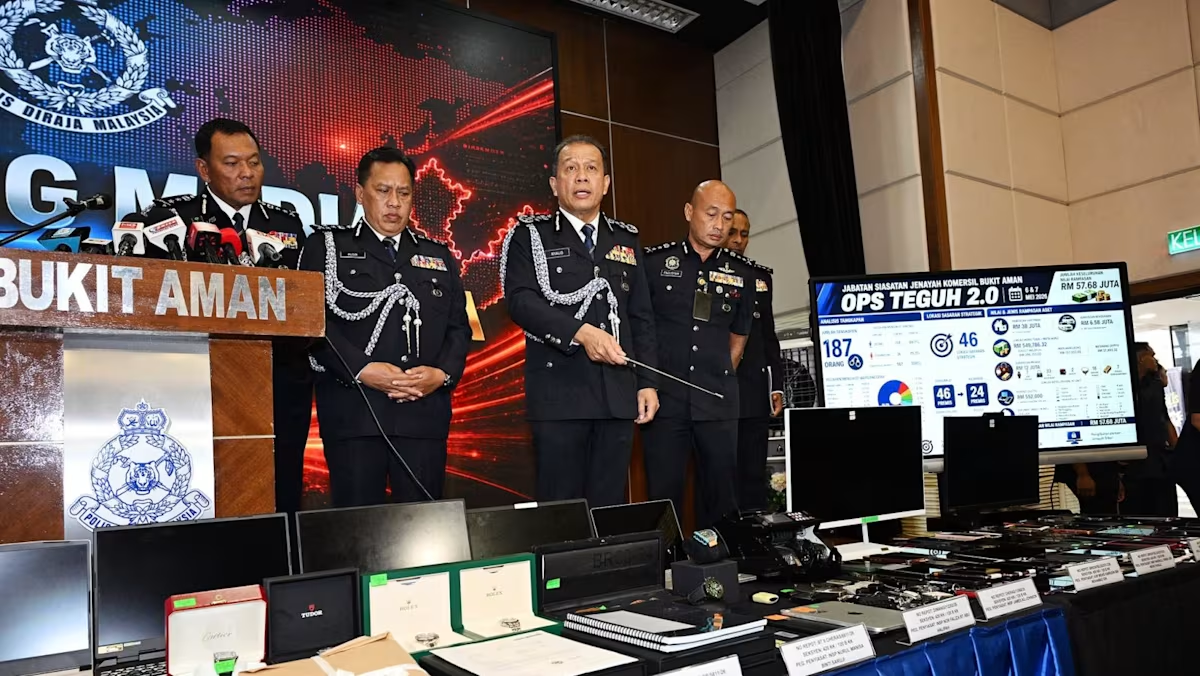
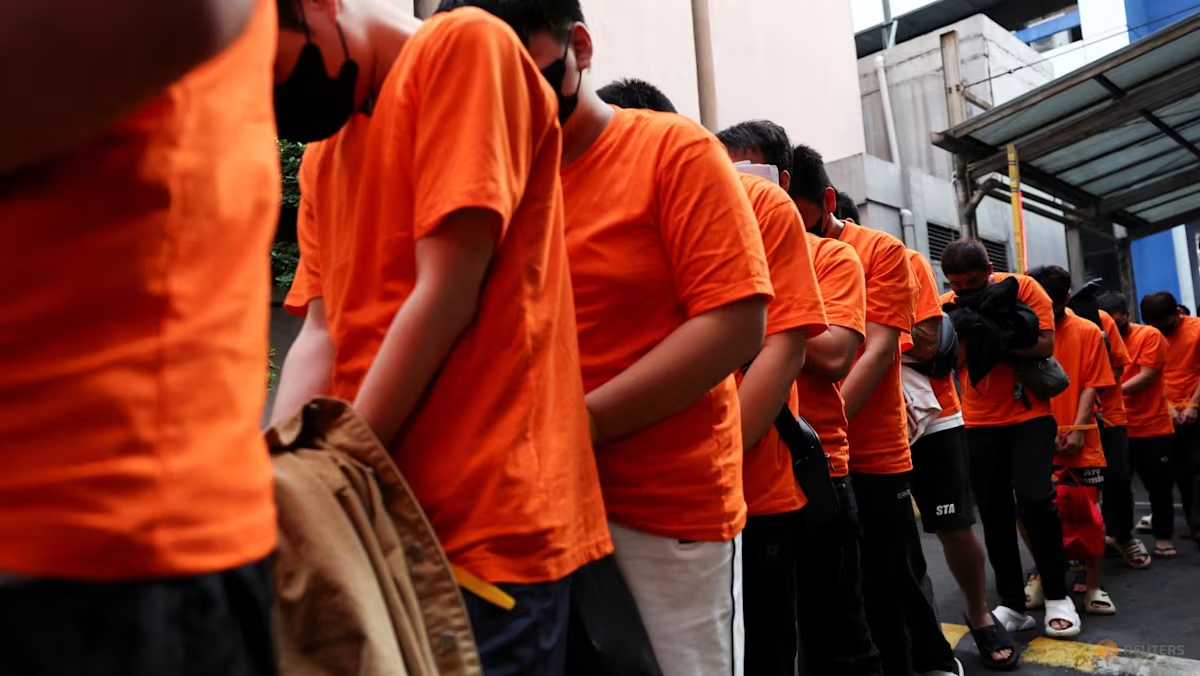
What unsettled the 28-year-old most was where the May 7 raid had taken place: a 20-storey white-and-blue building standing on one of Jakarta’s busiest streets.“I passed that building every day. It’s barely 2km from where I work, where I’m trying to rebuild my life after escaping Laos,” he said, his voice trembling.Analysts say the Jakarta raid was not an isolated incident, but part of what appears to be a broader shift in Southeast Asia’s sprawling cyber scam industry.For years, many of the region’s largest scam and online gambling hubs operated out of loosely governed special economic zones in the border areas of Cambodia, Myanmar and Laos, where criminal syndicates were able to build billion-dollar operations. But as governments in those countries come under mounting international pressure to crack down on these illegal operations, experts believe some syndicates are beginning to relocate - or expand - into other Southeast Asian countries such as Indonesia and Malaysia.“The possibility of Indonesia or Malaysia becoming hotbeds for human trafficking into scam centres is very real,” Matt Friedman, chief executive officer of anti-human trafficking organisation The Mekong Club, told CNA.The concern is increasingly shared by officials in Indonesia and Malaysia, where hundreds of foreigners and locals suspected of being involved in scam and online gambling operations have been arrested since early May.