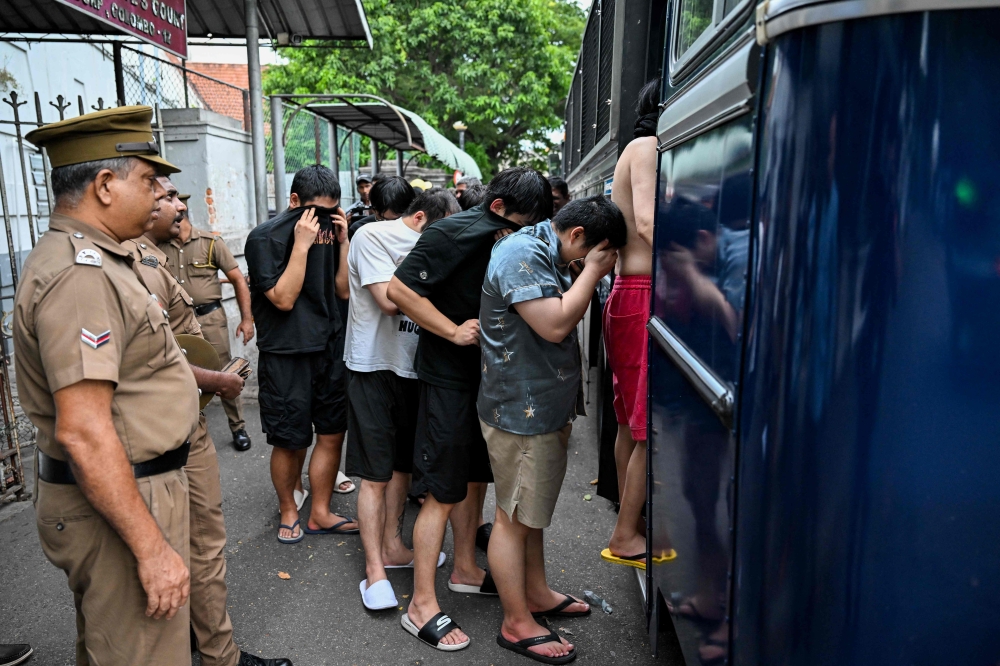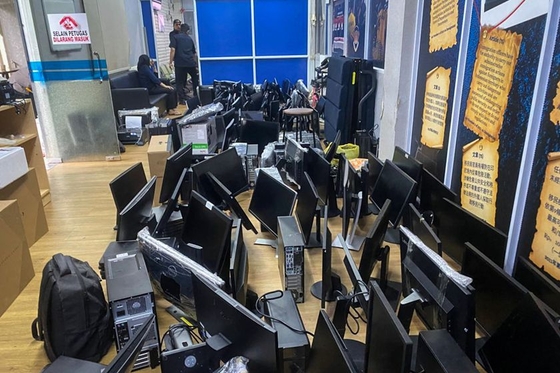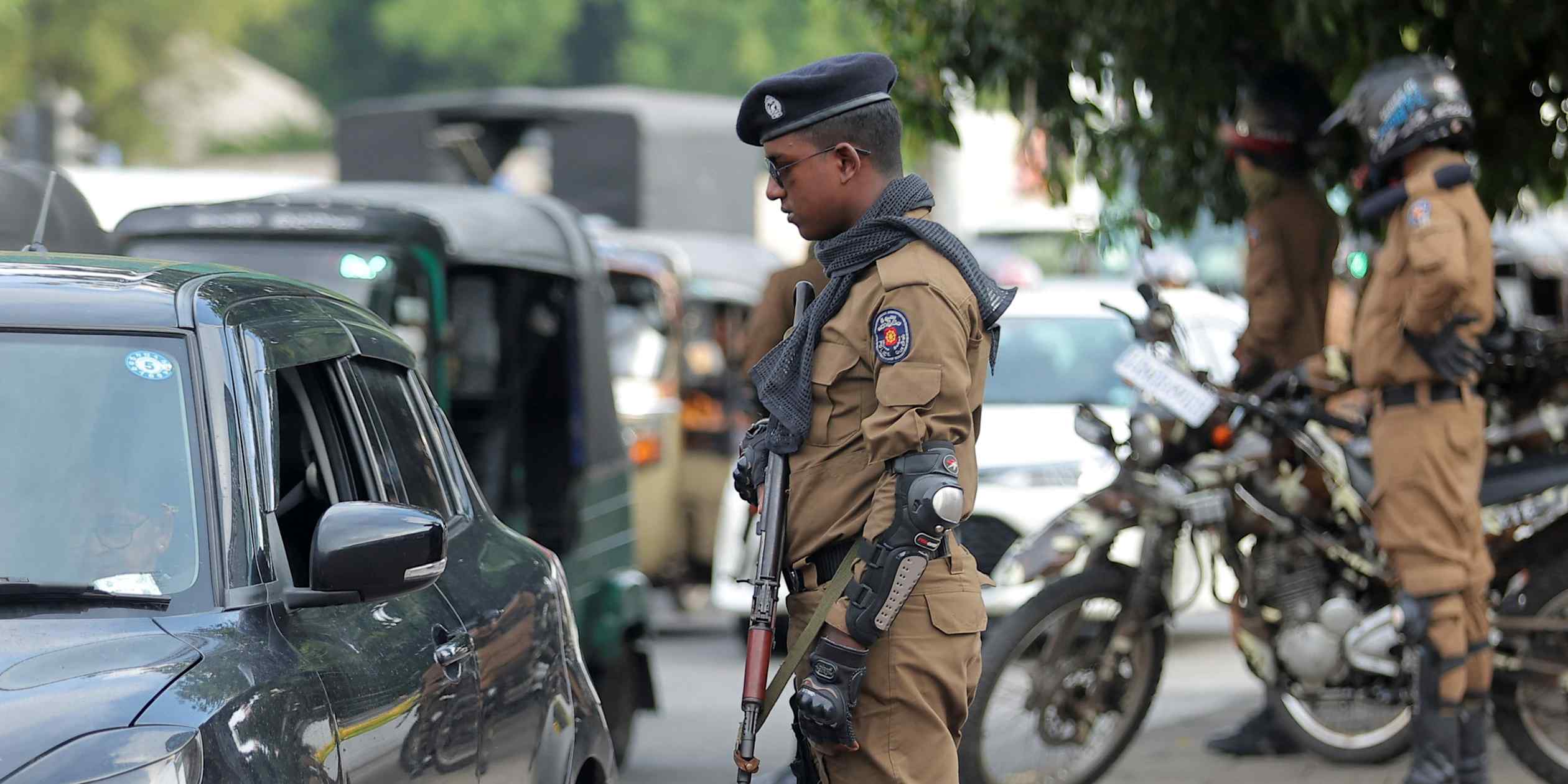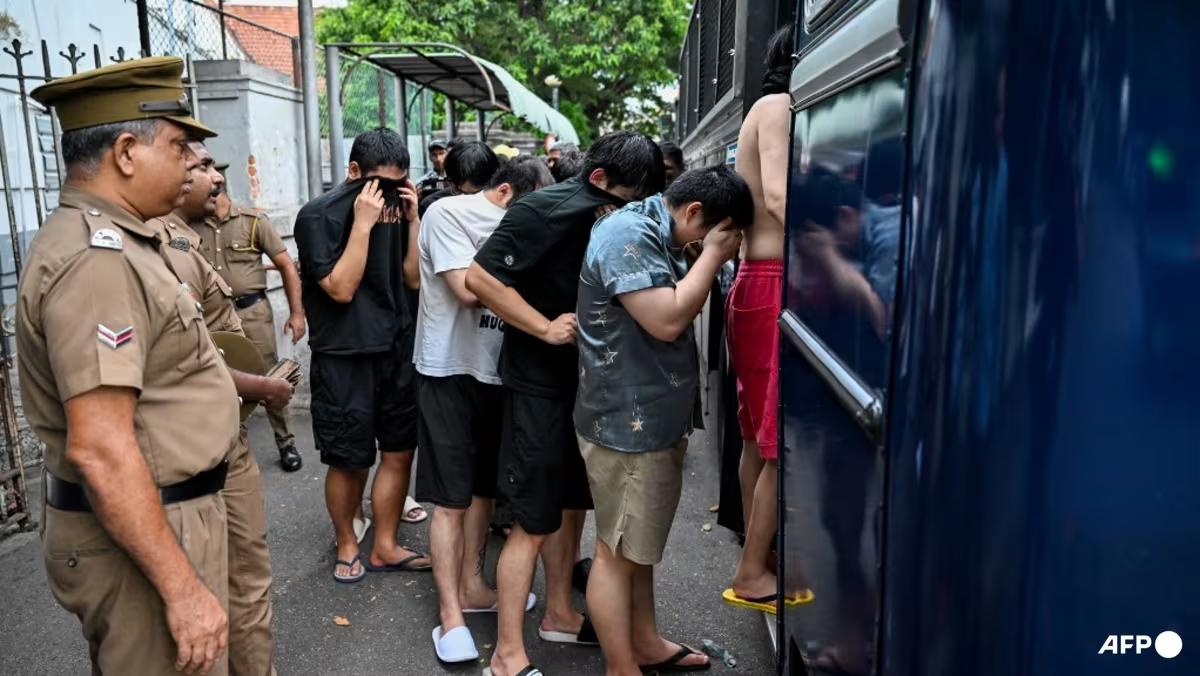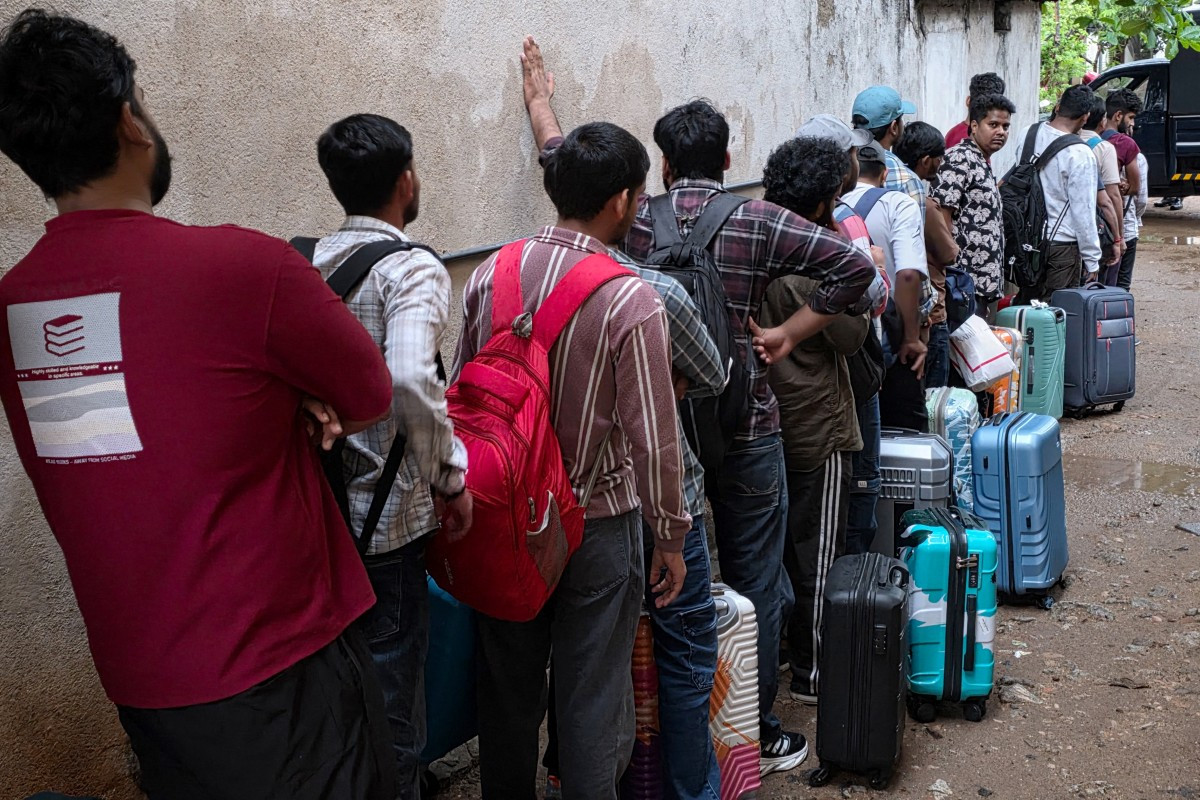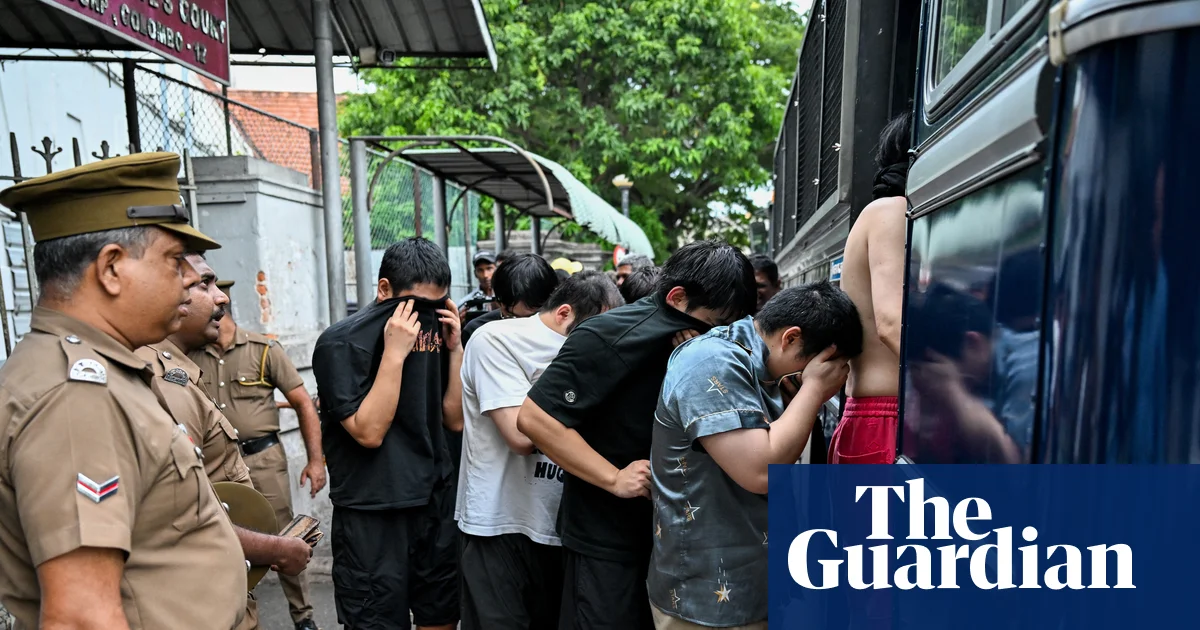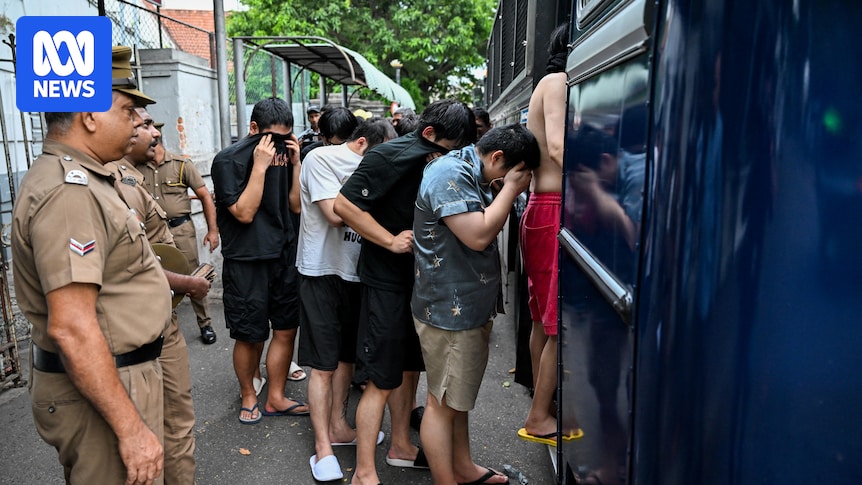
A growing number of scam operations are cropping up in Sri Lanka amid sweeping crackdowns in hotspot countries in the region.Sri Lankan police spokesman Fredrick Wootler told AFP more than 1,000 foreigners, mainly from China, Vietnam and India, had been arrested for alleged involvement in cybercrime since the start of the year.Assistant Superintendent Wootler said that was up from 430 in 2024 and that the figure was even lower in 2025.Last month Sri Lankan customs officials intercepted nine Chinese nationals attempting to smuggle hundreds of used mobile phones and laptops, raising suspicion they were to be used in large-scale fraud operations.In recent years South-East Asian countries, especially Cambodian and Myanmar, have become hubs for online scamming operations.The operations are often run out of huge fortified compounds. Human rights organisations report they are often staffed by foreigners lured with promises of legitimate work who are then forced to commit cybercrimes under threat of beatings and torture.The targets include people in English-speaking countries such as Australia and the United States, who are duped with promises of romance, high-earning investments or work.Some are intimidated into handing over large sums of money by scammers pretending to be police or other authorities.Late last year, a fake Australian Federal Police office was discovered in a scam centre on the Cambodia-Thai border.Following increased pressure from international partners, especially China, the US and Korea, Cambodian authorities have conducted a sustained crackdown on scam operations.Scores of operations have been shut down, according to the government, and thousands of suspects arrested and deported.But it is feared the scammers are simply relocating to other countries.Beijing's embassy in Colombo said illicit activity in Sri Lanka had risen following enforcement actions in Cambodia, Myanmar and the United Arab Emirates."The Chinese government attaches great importance to this trend," the embassy said in a statement, pledging closer cooperation with Sri Lankan law enforcement agencies.Sri Lanka's visa system and tourist infrastructure make it attractive to scammers, experts say. (AFP: Ishara S Kodikara)In an article for the Lowy Interpreter, the Asia Foundation's Johann Rebert and Nicola Nixon noted that scam operators had demonstrated a consistent capacity to adapt by fragmenting and relocating across borders.They said Sri Lanka's push to attract tourists made it an attractive destination for scammers.Citizens of countries including China, India, Russia, Thailand, Indonesia, Malaysia, and Japan can enter the country on free 30-day visas and more countries being added to the scheme. Paid extensions of up to six months are also available."This openness, which is economically critical for tourism purposes, also lowers barriers for groups that wish to move people across borders quickly," Mr Rebert and Dr Nixon said.Hotels, guesthouses and apartments suited the "smaller, more mobile model that has been displacing the large, fixed compounds of the earlier period in Cambodia and Myanmar", they said."Strong digital connectivity means that operational requirements can be met from most parts of the island. Mobility is now a deliberate operational advantage: smaller groups can disperse when they anticipate enforcement activity, reducing their exposure in ways that large compounds never could."Police have begun warning property owners in Sri Lanka against renting villas and apartments to suspected scam operators, saying they could face prosecution for aiding criminal activity.Assistant Superintendent Wootler said the vast scale of these operations had become clearer in recent weeks and that police were "getting a lot of calls on a daily basis".He told AFP that five raids were conducted in a single night earlier this month in the coastal Galle and Matara districts, netting 192 suspects from India and 29 from Nepal.Another 280 foreign suspects were arrested last week near Colombo and 135 Chinese nationals were apprehended in March at a single scam centre.Authorities are also investigating whether foreign syndicates were involved in a recent cyber attack on the Sri Lankan treasury that resulted in about $2.5 million in losses.As cases surge Sri Lanka's immigration authorities are playing a larger role in investigations."We are getting our agents directly involved because of the increase in the number of cases handled by police," an immigration official told AFP, speaking on condition of anonymity.Journalists take a tour of a scam centre in the Cambodian capital Phnom Penh in March. (AP: Heng Sinith)A United Nations report issued this year estimated that at least 300,000 people have been trafficked into scam compounds across Sout-East Asia.Sri Lankan officials say they have not identified foreigners being trafficked into the country, but dozens of Sri Lankans have been rescued from scam compounds abroad over the past year.Assistant Superintendent Wootler said authorities were doing all they could to tackle the growing problem, deporting foreigners who overstay their visa and ensuring those who engage in online crime are "punished by our courts".Mr Rebert and Dr Nixon said Sri Lanka appeared to be confronting the scam centre economy at an early stage.However, while the numbers were still relatively small and operations fragmented, the conditions that initially made Cambodia and Myanmar attractive to scammers existed in Sri Lanka."Elsewhere in the region, stronger coordination, legal tightening, and deeper international cooperation have not eliminated scam networks, but they have raised costs and reduced the space in which they operate," they said."Whether Sri Lanka remains a temporary waypoint or becomes a more stable node in this economy will hinge on how quickly similar gaps are addressed."ABC/AFP
Fears scam operations are relocating to Sri Lanka
A growing number of scam operations are cropping up in Sri Lanka amid sweeping crackdowns in hotspot countries elsewhere in the region.
876 words~4 min read