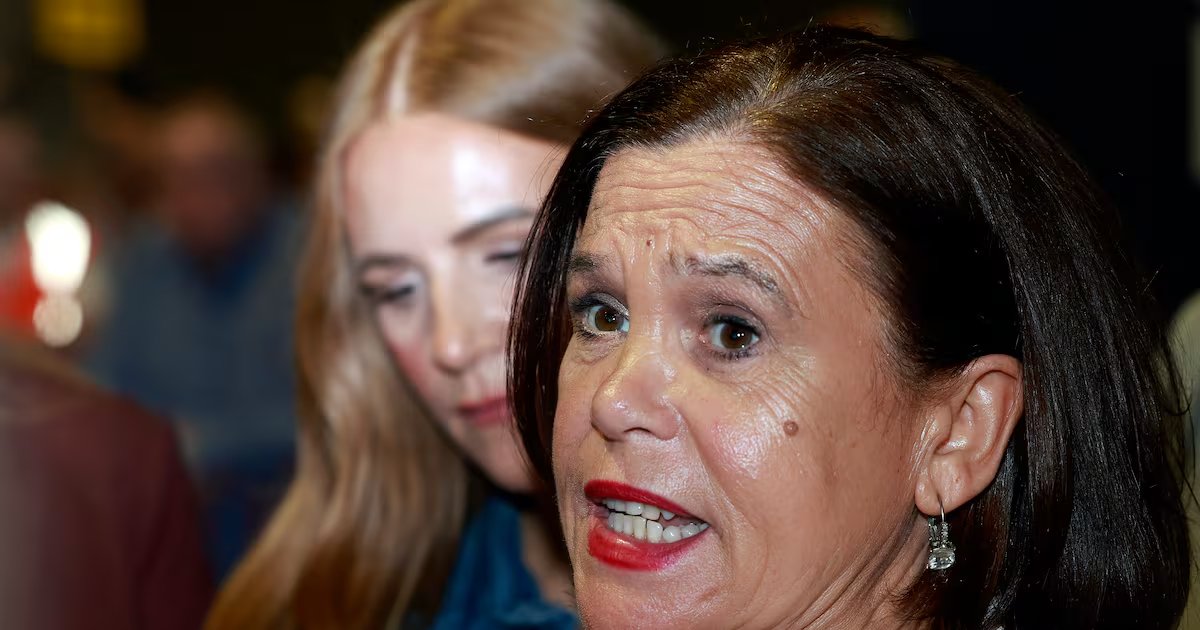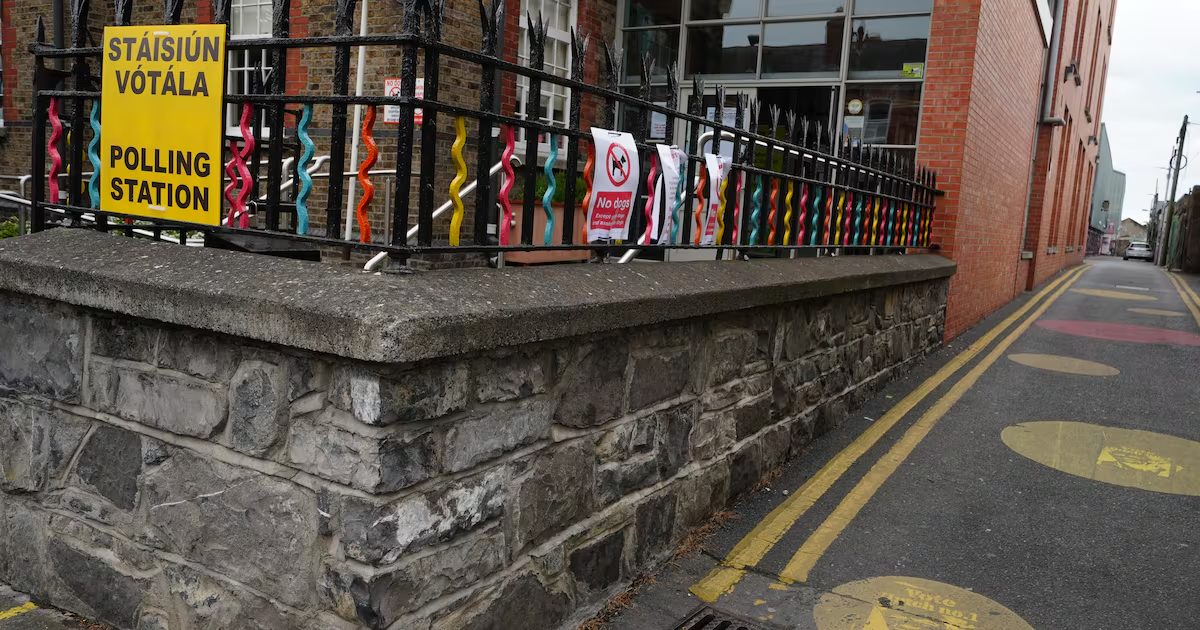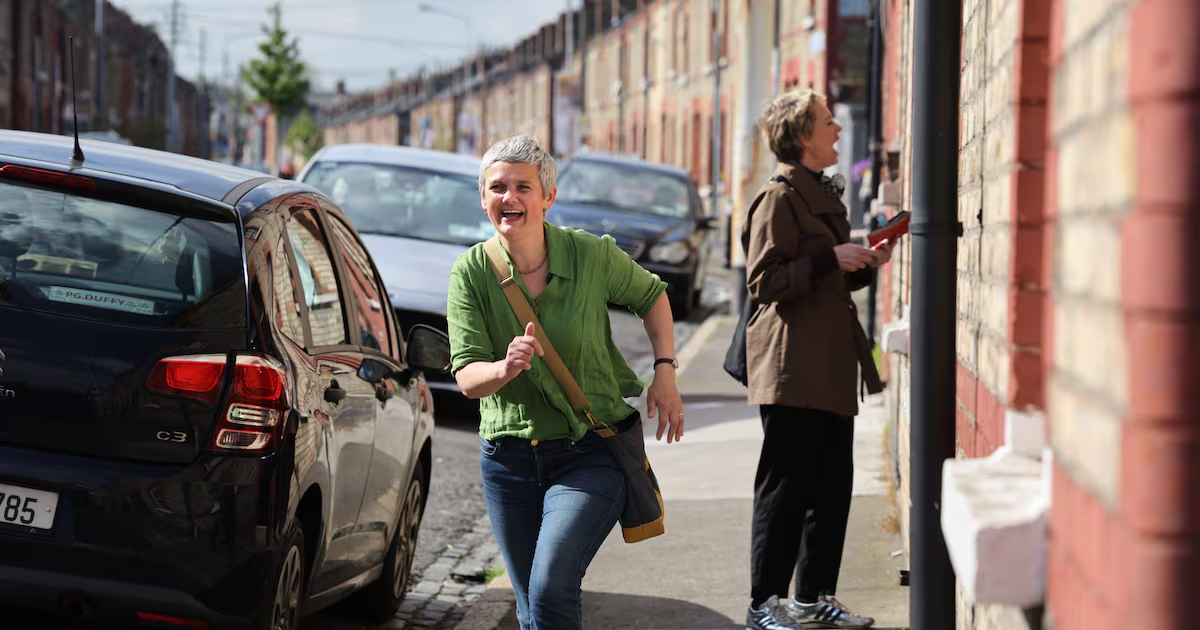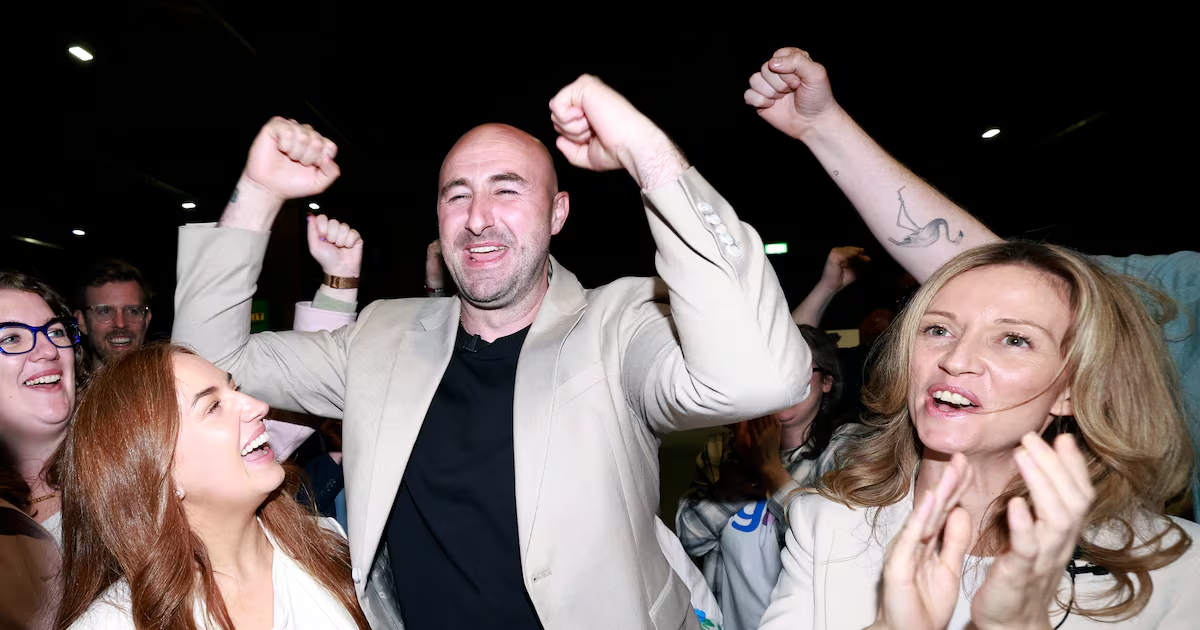
After two long counts in Galway and Dublin over the weekend, the final results of Friday’s byelections matched the predictions made within an hour or two of the ballot boxes being opened. History will record that the Social Democrats and Fine Gael each added a new TD to their parliamentary ranks. Both parties will be heartened by the performances of Daniel Ennis and Seán Kyne respectively.Broader conclusions will be drawn about the state of Irish politics and the direction of travel within it. The results underline the importance of candidate selection. Ennis and Kyne both benefited from strong grassroots support and deep connection with their communities.That lesson will be taken to heart by Fianna Fáil and Sinn Féin as they come to terms with their disappointing performances. Fianna Fáil’s John Stephens recorded the party’s lowest vote share in byelection history. Cillian Keane’s performance was less disastrous but came in at less than half of the party’s vote share in the same constituency in 2024.Sinn Féin’s vote has slipped markedly since the last general election. In Dublin Central, the party’s share has now halved since leader Mary Lou McDonald topped the poll there in 2020.Such results inevitably give rise to debates over leadership. But Fianna Fáil and Sinn Féin are confronted by deeper, more existential questions. Fianna Fáil may ask itself whether a decade of co-operation and coalition with Fine Gael has blurred the party’s identity to the point where voters struggle to distinguish between them. Such thoughts are unlikely to have immediate implications for Micheál Martin, though the medium term could be another matter. They may also presage fresh tensions between the two Government parties.For Sinn Féin, the concerns run even deeper. Challenged on one side by the centre=left parties, and on the other by Independent Ireland and various independents, the party faces an apparently insoluble problem as it seeks to hold its fracturing coalition together. Those centre-left parties will perhaps be the most satisfied by the weekend’s results. Not just the Social Democrats but Labour and the Greens too will find cause for optimism in the performances of candidates such as Helen Ogbu and Janet Horner, leaving them well placed to challenge for seats at the next general election.For those taking the long view, though, these byelections may be remembered most for the strong performances of rural populists and urban anti-immigrant independents. Both attracted levels of support that would guarantee them seats if repeated at a general election. The established parties, left and right, would be unwise to dismiss that signal as a passing mood rather than a deepening trend.
The Irish Times view on the byelection results: clear winners and losers
Conclusions will be drawn about the state of Irish politics and the direction of travel
431 words~2 min read