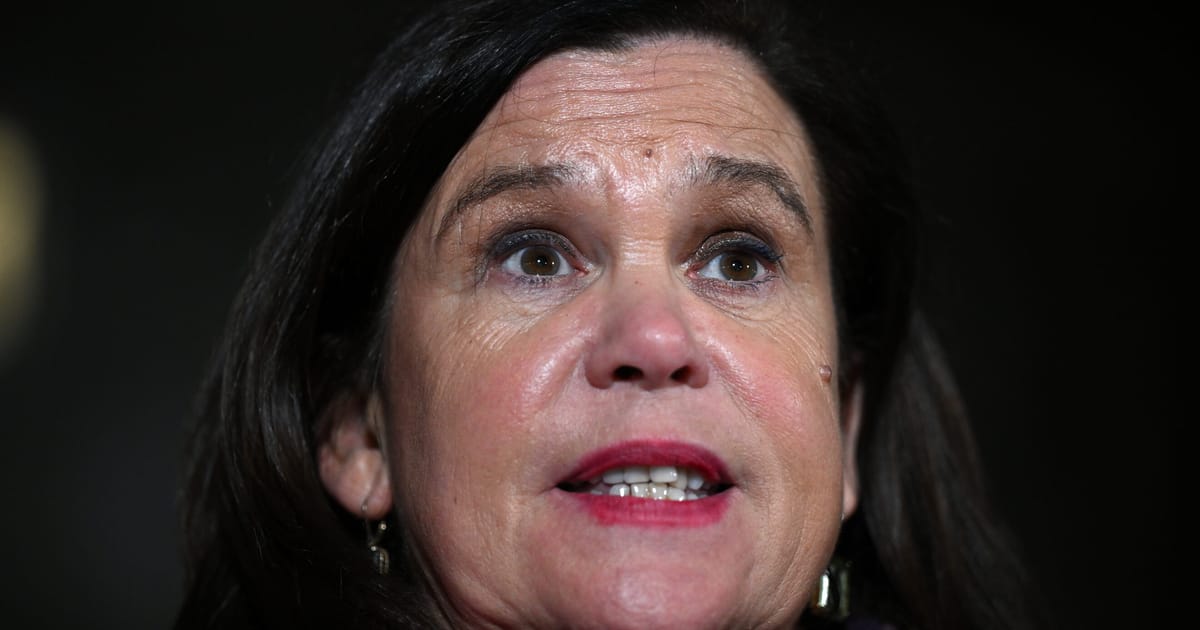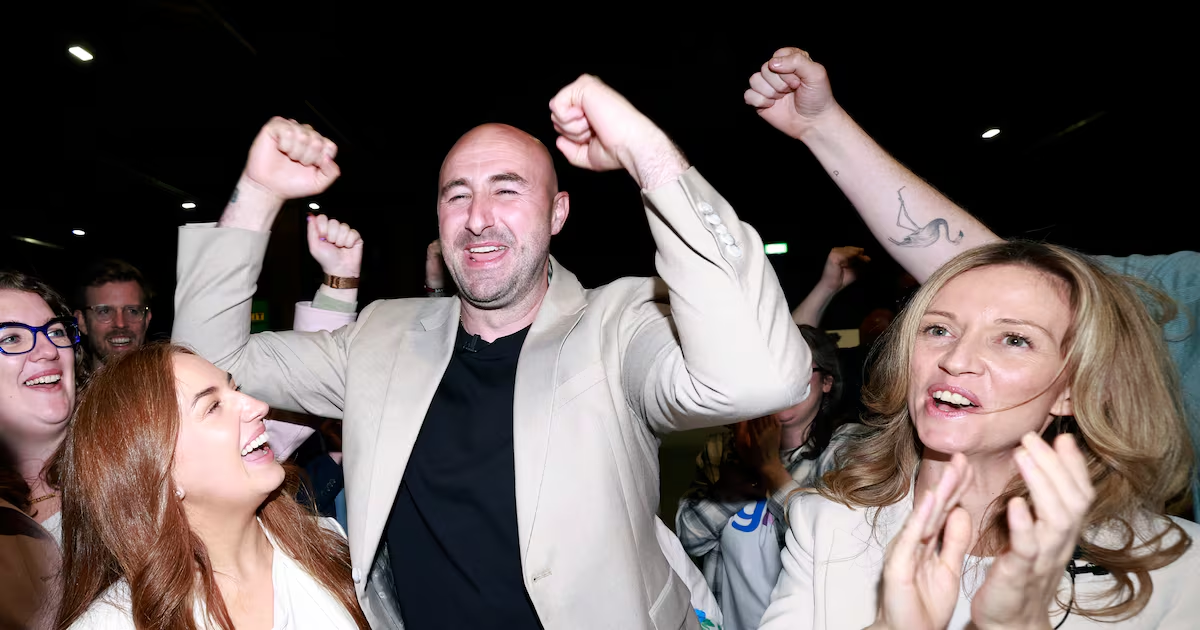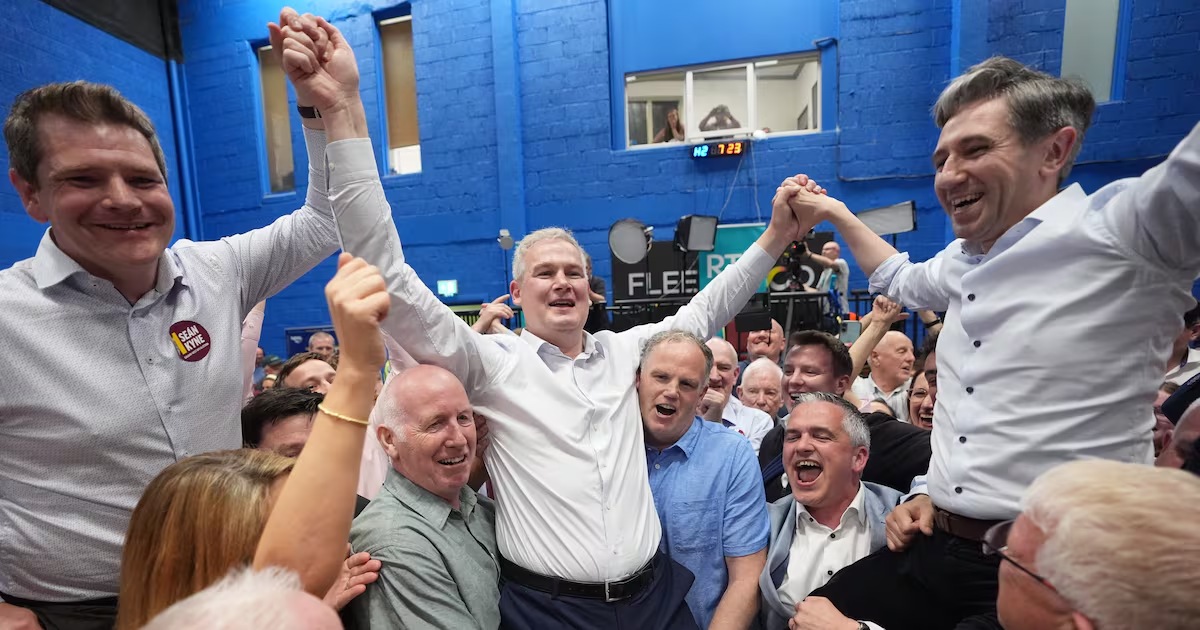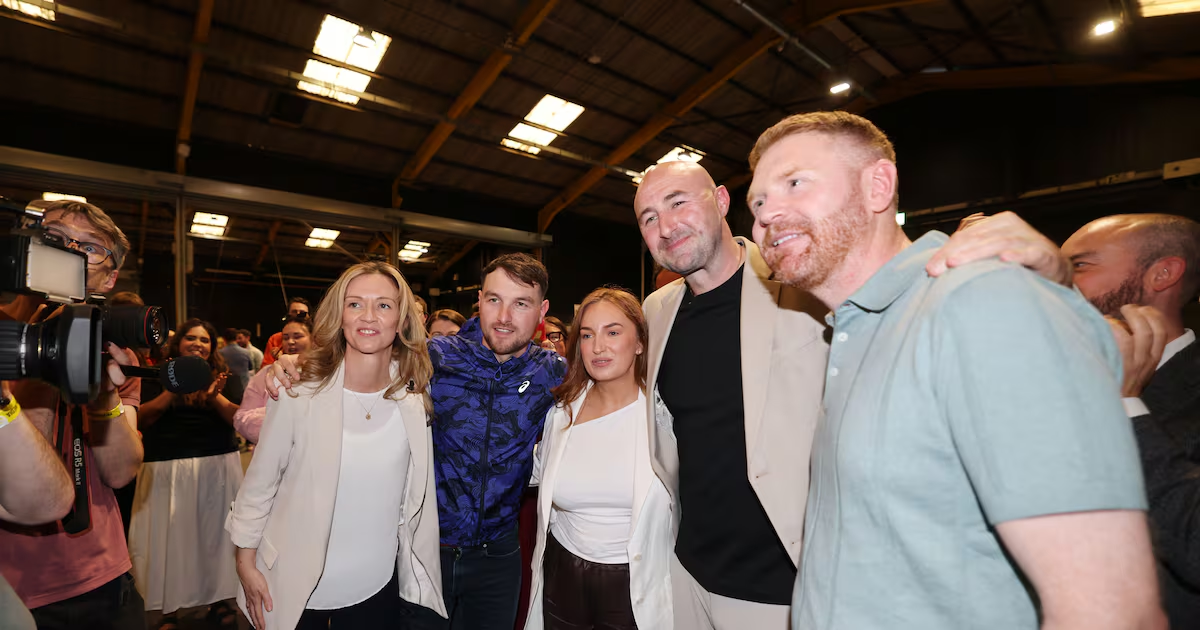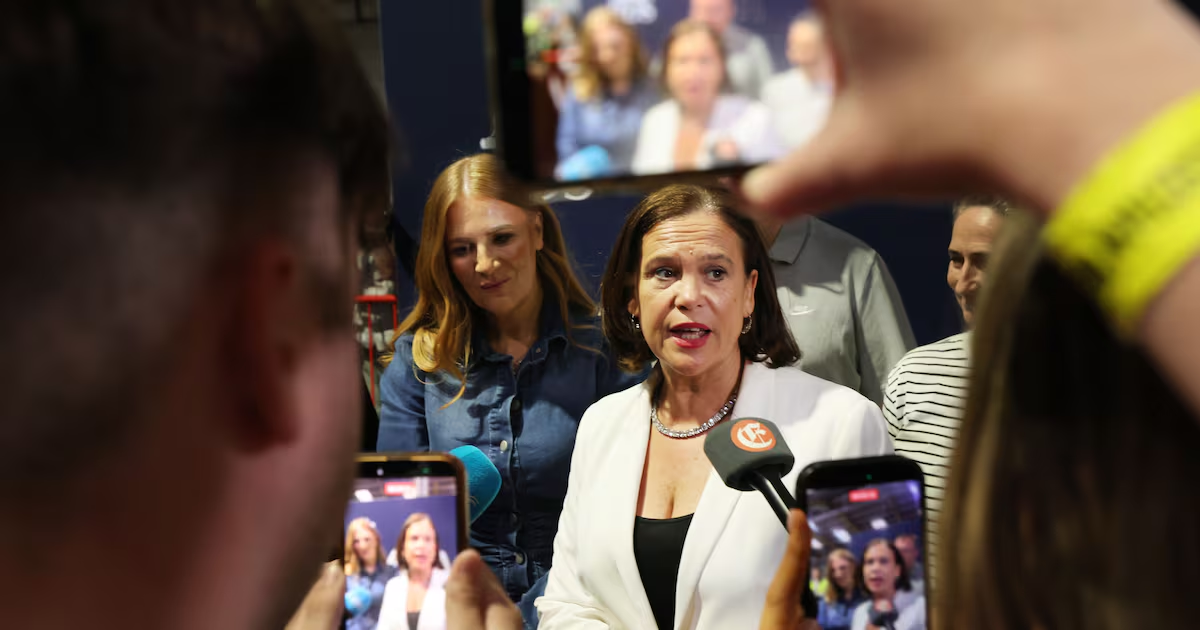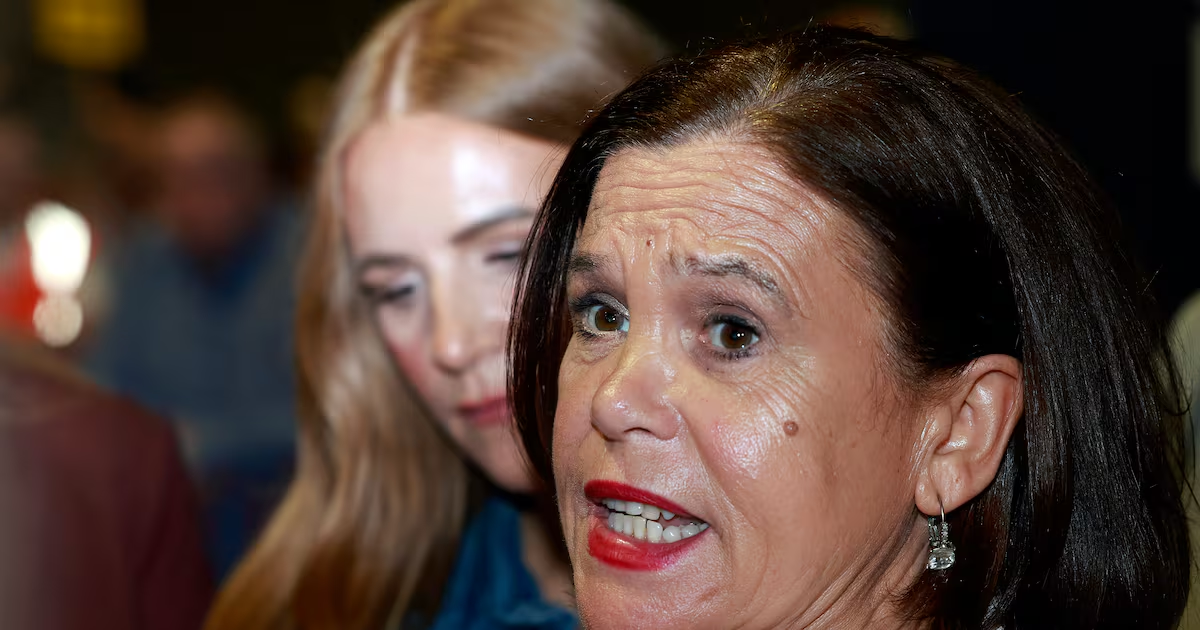
So Dublin went as the polls and the pundits predicted, with perhaps an easier than expected win for the Social Democrats’ Daniel Ennis, and Galway went down to the wire, with Fine Gael’s Seán Kyne edging out the Independent Ireland candidate Noel Thomas.The byelection results deliver major boosts to the Social Democrats, the form players in Irish electoral politics now, and to Fine Gael, for whom the good news will perhaps be even more welcome. Those boosts will be temporary, but not unimportant. Election results are how they keep the score in politics.What are we to take from the results? Will they matter after a few weeks?The first thing to say is that some caution is needed about byelections. The reason for this is simple: the question voters are asked at a byelection is different from the one they are asked in a general election.At a general election, voters are asked who they want to be in Government for the next five years. That’s not what they’re asked to choose in a byelection. Nonetheless, the two byelections have shown us some things about the currents of Irish politics, how they are changing and their potential future direction. And that will matter in general election.[ Mary Lou McDonald says she is under ‘no pressure whatsoever’ after Sinn Féin defeatsOpens in new window ]Two trends anticipated in advance were borne out when the votes were counted. The first was the growing likelihood of left-wing voters to transfer left. Both counts showed how this can give a significant advantage to candidates on the left and even though the parties may be fierce rivals, their voters have figured this out. However, the results also suggested there are questions about Sinn Féin’s membership of the left-wing gang. In Dublin, when Gerry Hutch was eliminated, the biggest beneficiary was Sinn Féin’s Janice Boylan; in Galway, when Sinn Féin’s Mark Lohan was eliminated, the largest pile of votes went to the Social Democrats – but the second-largest pile went to Independent Ireland.Meanwhile, the strength of the transfers between Fianna Fáil and Fine Gael is a growing phenomenon.It is also clear that just as voters will use their transfers to reward like-minded parties, they will also use Ireland’s electoral system to punish the parties or candidates they dislike the most – so Labour votes in Galway flowed strongly to Fine Gael, rather than to Independent Ireland. That these votes went from Helen Ogbu, an immigrant who previously lived in direct provision, to defeat Noel Thomas, who had previously spoken out against a direct provision centre in his home area, adds a certain piquancy to the point.All these are likely to be factors in future elections.So is the second major trend: the growth of political forces to the right of Fine Gael and Fianna Fáil. The strength of Hutch and Malachy Steenson in Dublin was not a fluke – it has been building since the last election. It is likely to be there in the next one. The results suggest a seat for one or the other may be on the cards.Independent Ireland will be disappointed not to win the seat. But the results suggest that the space for the party is growing. A significant anti-establishment challenge from the right is not something Fianna Fáil and Fine Gael have had to contend with before. But it will be in the future.It’s clear who the winners are from the weekend – the Social Democrats and Fine Gael. But Labour and the Greens can also take encouragement from aspects of the results. A year and a half after near destruction, the elections show the Greens have a future.The elections were predictable disasters for Fianna Fáil, and no amount of expectation management can hide that.But the party with the most questions after this weekend is Sinn Féin. Mary Lou McDonald put on her brave face but she can’t escape the fact that this is yet another poor electoral showing for her party. McDonald suggested to reporters that byelections were their own contests and their relevance to general elections was questionable. She’s right about that. But it is now clear that Sinn Féin is being squeezed on two sides, by the populist anti-establishment right, and the soft left, and that both of those forces are strengthening. Pretending there’s nothing to see here won’t make that go away, and McDonald seems to have no answers to it.
Sinn Féin caught between anti-establishment right and soft left in crucial transfers game
Strength of transfers between Fianna Fáil and Fine Gael is a growing phenomenon of Irish elections
733 words~3 min read